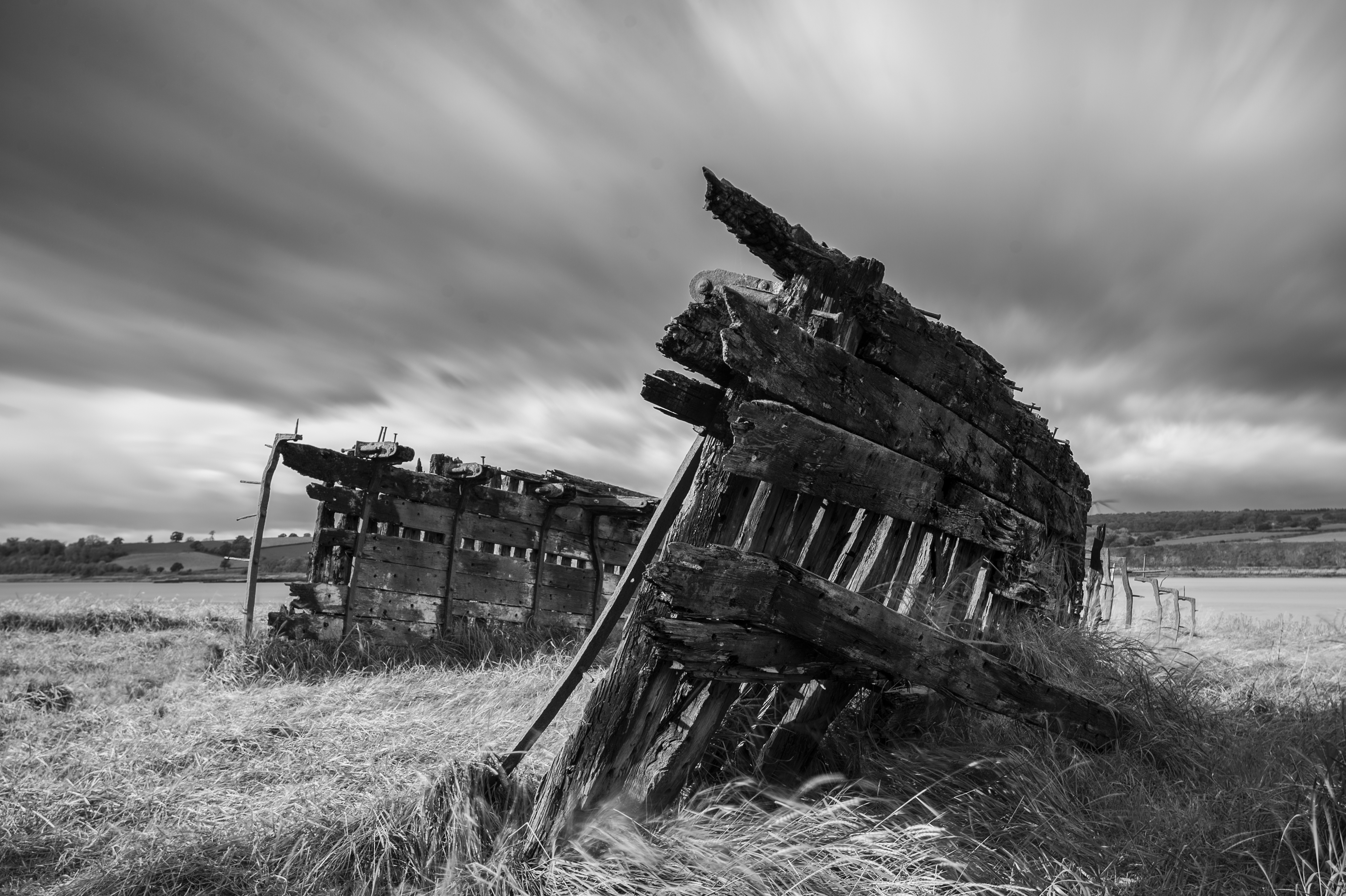
- Recreate a well-known image in any of the 4 genres you have explored. Consider the conventions, styles and themes specific to the genre and how the image you choose to re-create speaks to those. You are free to interpret ‘re-creation’ as imaginatively as you like, subverting conventions or adhering to them.
- Using the Challenging Genres Forum share your work, including; your image, the image that inspired it and a short paragraph explaining your process.
- Write up the activity on your learning log. After sharing the image and receiving some feedback, reflect on the experience in a short post on your learning log.
Introduction
“What all portraits have in common , in their overlapping and different ways is the central point that the portrait is a means employed to establish the identity of the sitters, regardless of whether they are viewed as a social problem or as human beings with positive features”.
David Bate, Photography: The Key Concepts, p 89.[1]
When I read Chapter 4 of Bate’s Photography: The Key Concepts, I was struck by this quotation. It followed an explanation of the evolution of the portraiture genre from early 19th Century societal pictures that demonstrated wealth and influence, through the working class use of it to establish identity or true likeness whether on one side of the law or the other, and onto the portrayal of someone’s personality. The quote essentially says that the establishment of identity of the sitter is common to all uses of portraiture to some extent.
For this exercise, I decided to look at a non-human portrait with the quotation in mind and read the image in terms of the 5 elements of portraiture that Bate describes. In doing so, I wanted to test whether the same conventions used with portraits of people apply with images of, say dogs.
The Image
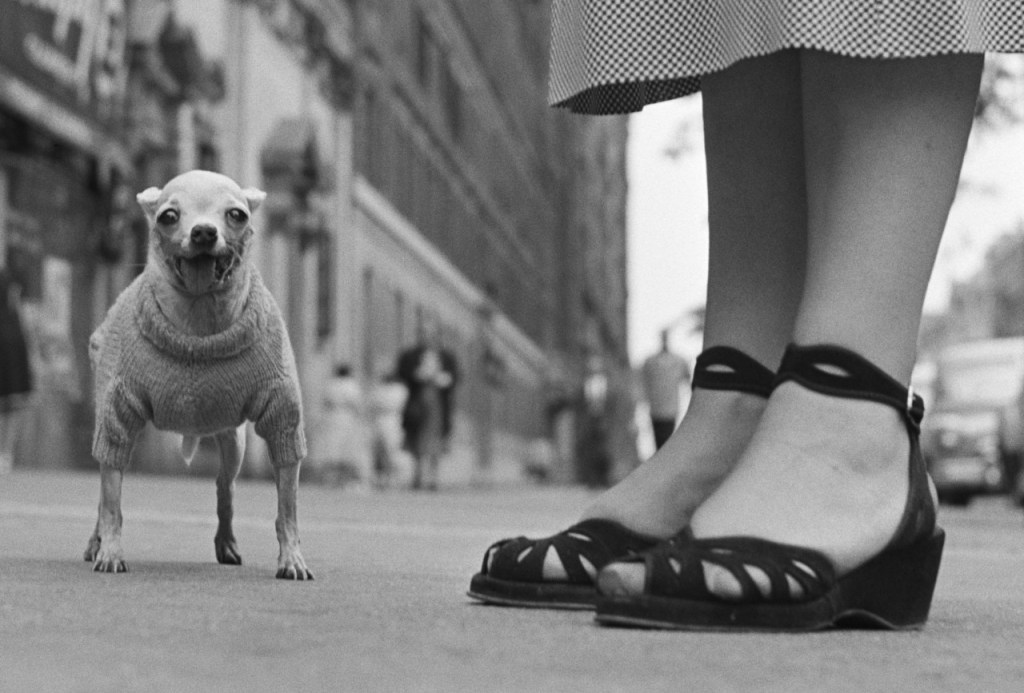
This is one of the most famous images from Elliott Erwitt’s book Dogs (1998) and it shows a chihuahua standing on a sidewalk on New York City. The first question to consider is whether it is a portrait or documentary photograph because although there is a clear subject in the frame, Erwitt was a respected street photographer (a sub-genre of documentary). The image was also a severe crop from a much larger 6×6 frame – the crop is shown below:

When we look at the rest of the images from the roll, we can see the variety of angles and the natural movement of the owners being captured as if in a street photography style; only when the dog is isolated by the crop does the meaning change. I hope to demonstrate that it is a portrait by discussing the elements as laid out by Bate and how my process of recreating further established it for me.
Bate considers the 5 elements of a portrait as face, pose, clothing, location and props which all have an impact in this image. When we look at the dog’s face, we see the lively expression of a content animal. Our cultural understanding and appreciation of dogs as pets tells us that the panting expression means exercise, thirst or excitement. When I read the dog’s expression, my tendency is to see the latter, particularly given his gaze at the photographer. His pose tells us more about his character. Chihuahuas are small dogs, which is further borne out by his location and the scale of his owner’s feet. His pose, however connotes confidence with his wide, head-on stance. Combined with his face, he looks like a dog squaring up to something or someone, as if he doesn’t fear them. Now the face takes on the potential meaning that he is mid-bark, which further emphasises that he’s a confident dog. The clothing is a simple coat (black and white robs us of knowing if it was brightly coloured or not), but when considered with his surroundings and the seemingly elaborate shoes for dog-walking, the coat may connote a privileged class pet. The location of the image is clearly an American city sidewalk and we are informed of its actual location by the title. The location and what we know of NYC’s skyline plays a further part in emphasising the dog’s diminutive stature. The position of the dog with respect to his owner’s feet and legs completes the idea of his size belying his large personality. The props in the image for me are the shoes his owner is wearing. While they don’t really add impact, I think they work with the setting to connote their social standing.
My Image
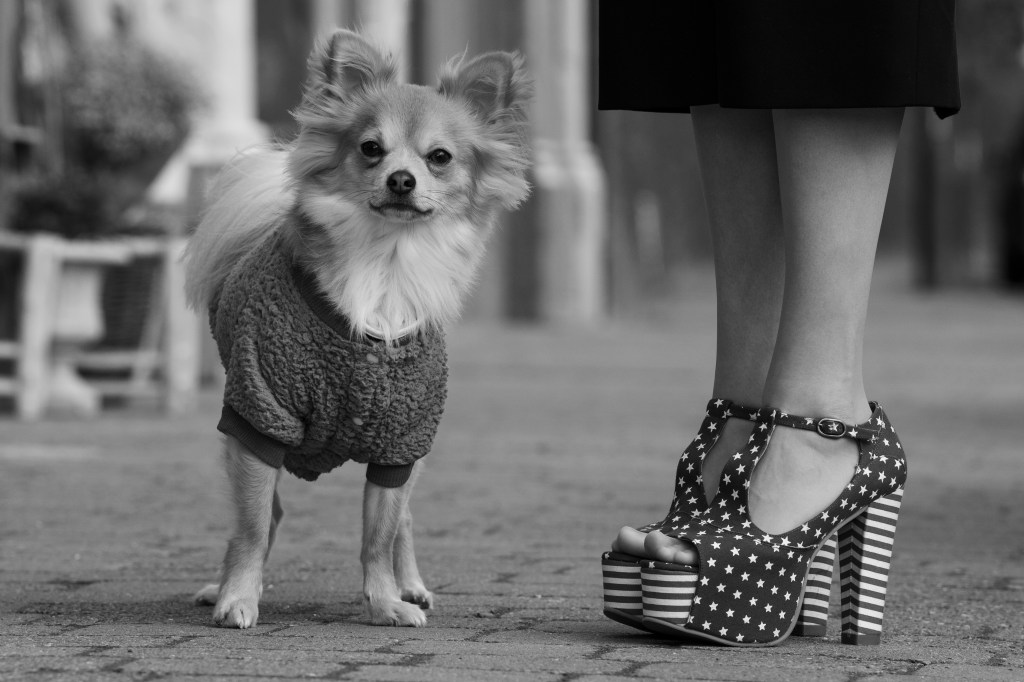
My approach to this image was to take a portrait of the dog (called Togo), with the same or similar conventions from the original image. The first difference is that I shot this picture while lying the ground and attempting to frame them in the same way. Togo is taller than original chihuahua but shares the relative scale that the breed is known for. His direct gaze, alert expression and stance are all similar with the exception of the panting – this image is defintely all about him. His coat when considered with the glamorous shoes suggests a cherished pet as in the original. The location is a street similar but much smaller than the original, so the scale isn’t as clear. To shift the establishment of location I included the context of the Stars and Stripes details on the shoes. Finally, the high heels and below-the-knee skirt emphasises Togo’s size in a similar way to the original image. However, it’s clear that the dog in Erwitt’s picture is smaller and stood a little behind his owner, which makes that difference much more impactful. I made the image black and white because I didn’t feel that including colour (dominated by the shoes) really added to the aesthetic and made it further from a recreation of the original picture.
Peer Group Feedback
I’ve now received some feedback from my peers. The image was generally seen as being a good recreation of the original. As I didn’t directly copy the picture (I wasn’t in the right city, didn’t have exactly the same dog, shoes etc), my interpretation of the picture from a portraiture perspective appears to worked within the conventions. When viewing the picture, the reaction is one of humour, both at the stature and personality of the dog and the choice of shoes as a prop. Moving the location of the picture from the background context to the prop in this way has added to the sense of fun in the overall image.
Reflection
In reflection, my objective was to take a non-human portrait and demonstrate that it does work with the conventions of portraiture. What Erwitt saw in the dog’s face and posture combined with his relative size to the surroundings, takes into account the conventions of portraiture as postulated by Bate. How these conventions balance is very important in terms of how the picture will be read. The viewer brings the vital interpretation of each element and the importance placed on each will determine the overall reading of the image. For example, an American might see the shoes as something patriotic in terms of the dog and owner’s identity rather than a signifier of the location. This actually happened when an American follower of mine on Instagram saw the picture – his first reaction was to express his being impressed by the shoes. In my recreation, there is a visual element that I removed in post processing in order to make it look more like the original. In my version Togo was on a short lead and a small piece of it was visible in the unedited version. I elected to remove this digitally to match the dog in the original who wasn’t being restrained. If I’d left it in the picture, the context of the dog’s pose changes, as well as his interaction with his location. An alternative reading of the image is now likely – some might see the dog as being less confident in some way. Either way, the elements that are being read are present. In cropping his image the way he did, Erwitt draws our attention to them rather than any other distractions such as the woman’s hands in the full frame.
Bibliography
[1] Bate, David (s.d.) Photography: The Key Concepts. (s.l.): (s.n.).
[2] Chinese Year of the Dog • Elliott Erwitt • Magnum Photos Magnum Photos (s.d.) At: https://www.magnumphotos.com/arts-culture/art/elliott-erwitt-dog-dogs/ (Accessed 13/03/2022).
[3] Contact Sheet Print: Chihuahua New York (s.d.) At: https://www.magnumphotos.com/shop/collections/contact-sheet-prints/contact-sheet-print-chihuahua-new-york/ (Accessed 13/03/2022).
 Richard Fletcher OCA Photography Blog
As I said about your Instagram post, I love this picture and Erwitt’s original. Chihuahuas are certainly tenacious little dogs, my brother inherited three of them, one of them you couldn’t go near!
LikeLike