“In our earliest years we know a patch of ground in a detail we will never know anywhere again – site of discovery and putting names to things – people and places – working with difference and similitude – favourite places, places to avoid – neighbours and their habits, gestures and stories – textures, smells – also of play, imagination, experiment – finding the best location for doing things – creating worlds under our own control, fantasy landscapes” – Professor Michael Pearson
The Brief
Make a series of six to twelve photographs in response to the concept of ‘The Square Mile’. Use this as an opportunity to take a fresh and experimental look at your surroundings. You may wish to re-trace places you know very well, examining how they might have changed; or, particularly if you’re in a new environment, you may wish to use photography to explore your new surroundings and meet some of the people around you.
You may wish to explore the concept of Y Filltir Sgwar further, or you may deviate from this. You may want to focus on architecture and landscape, or you may prefer to photograph the people who you think have an interesting connection to the square mile within which you currently find yourself.
Initial thoughts
When I first opened the course materials and read the brief for this assignment, my mind immediately started to race. So many possibilities that each raised their own questions, the first being that if I were to take the meaning of Y Filltir Sgwar at face value, where would my patch of ground be? I enrolled on this course while about to go on holiday, so would that location be more of an adventure than exploring the concept in my own back yard? A holiday brings with it a certain time pressure, a great deal of patience from my wife and the need for clarity of thought around the subject for my photograph set. The decision on the location for my square mile was made for me as when we arrived at our cottage, it was pointed out by the landlady that this was the 12th year we had visited the little Yorkshire Dales village of Askrigg in Wensleydale. What was it that kept bringing us back? The answer to that question would lead me to a number of ideas for the assignment and ultimately the subject I have chosen.
Askrigg is a tiny village in a very rural part of the country and, apart from the tourism created by its appearance in TV’s All Creatures Great and Small in the 1970s, the main sense I get whenever I come here is one of a tight-knit community. The first few ideas I had around this square mile included the landscape, the local togetherness and the traditions of the village. However, I grew to feel that these were a little obvious – I enjoy both landscape and people photography, so questioned whether this was really too comfortable. The first thing that I have learned in starting this assignment is that you can overthink the scenario to a point of indecision and that the hardest thing about starting a course like this is to actually start.
My Theme
Eventually, I settled on something that connects the things I love about Askrigg together. The people have to navigate this stunning landscape in which they live, so my theme was about the way that travelling through the Dales has evolved through history., starting with the early days of coach houses and farriers through to the modern pursuit of cycling that has gripped this area since the arrival of the Le Tour de Yorkshire. I was going to be here for only a week, so needed a plan.
Research and Planning
In tackling this assignment, I split my research and planning into three parts. The first was into the history of Askrigg with regard to my theme of travel through the Dales. In order to identify key sub-themes to create my photo set from, I needed to better understand the village and its immediate surroundings rather than just putting on my walking shoes and looking for inspiration.
Finally, I decided how I wanted to shoot and present the photographs. I decided that I would use just two lenses, 24 to 70mm and 70 to 200mm to capture both the space of the landscape and pick out the desired details of the subject of interest. I also decided to restrict my use of Lightroom’s editing tools. When I first discovered these tools, I was like most modern photographers, interested in what was possible. As I’ve moved back into shooting film as a hobby, I’ve tried to do as much in the camera as possible, so for this assignment I have limited the use of post-processing to minor adjustments of cropping, white balance, contrast and saturation. The reason for this particular restriction is that I shoot in RAW format, which always leaves the images looking flat if no adjustments are made. For the crop, I decided on each being the same even though I wouldn’t be limiting myself to landscape or portrait only. I planned 4×5 aspect as I usually print at 8 x 10 inches (for no other reason that the aspect ratio appeals to me).
Askrigg and Local Area – My Square Mile
Askrigg has been a thriving village community for centuries. It’s roots are can be traced back to a Saxon settlement, consumed by the Roman occupation and developed under by the Normans during the early part of the 12th Century. The people have always farmed and as a result of moving cattle between farms and fields, a vast number of walking routes around the area exist as public footpaths today. The advent of the Yorkshire Dales National Park established this landscape as a popular destination for walkers. In the 18th Century, Askrigg was a staging post and a turnpike for the highway between Richmond and Lancaster. The resulting development of Askrigg as a town meant that most properties included some form of yard to stable horses. Around this staging post developed a thriving horse breeding business, led in the ‘town’ by John Pratt, a wealthy breeder and jockey. Pratt was a commoner, so in an effort to ingratiate himself with the Jockey Club, invented his own coat of arms and fake aristocratic status. During the 19th Century, Askrigg was connected to the rest of the county by the railway. Unfortunately, as with many rural lines, it was dismantled as part of the British Transport Commission’s rationalisation in 1964. Askrigg then had to rely more on its road network which was already established during its years as a turnpike. It remains a busy area through tourism, it’s use as a television location and subsequent cultural association with James Herriot. The most recent evolution of transport around the area came in 2014 when the Tour de France announced Le Grand Depart would take place in Yorkshire. Although it did not pass through Askrigg itself, the local village of Bainbridge within my Square Mile, was on the route. The impact of the world’s most famous cycling race on the local community was a surge in cycling, both locals and tourists like, which in turn has boosted the cafe culture in the area.
The Images
I shot 116 photographs for this assignment, which were primarily setup shots, e.g. the exposing for the background in ‘Dales Highway’ before waiting for the right combinations of cars to pass through the scene. I’ve included the contact sheets in a section later in this post.
The final selection of 12 images can be seen below.
-
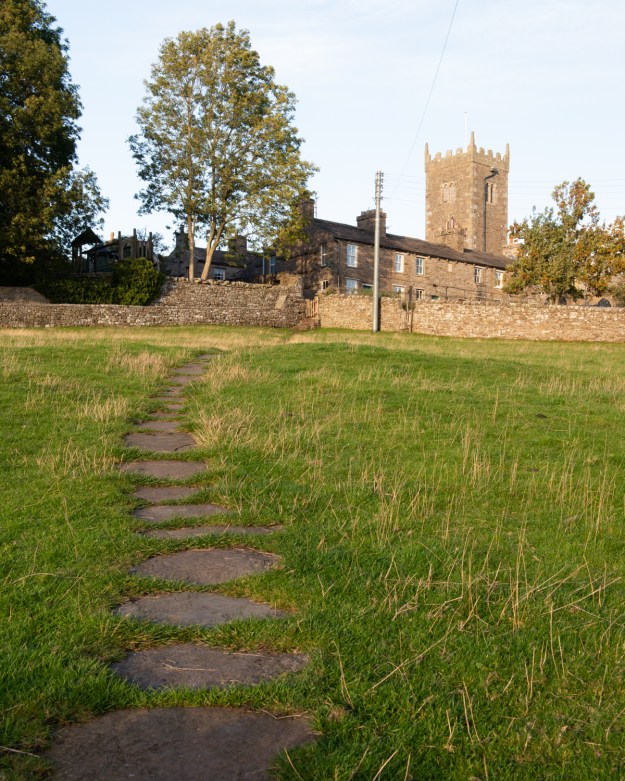
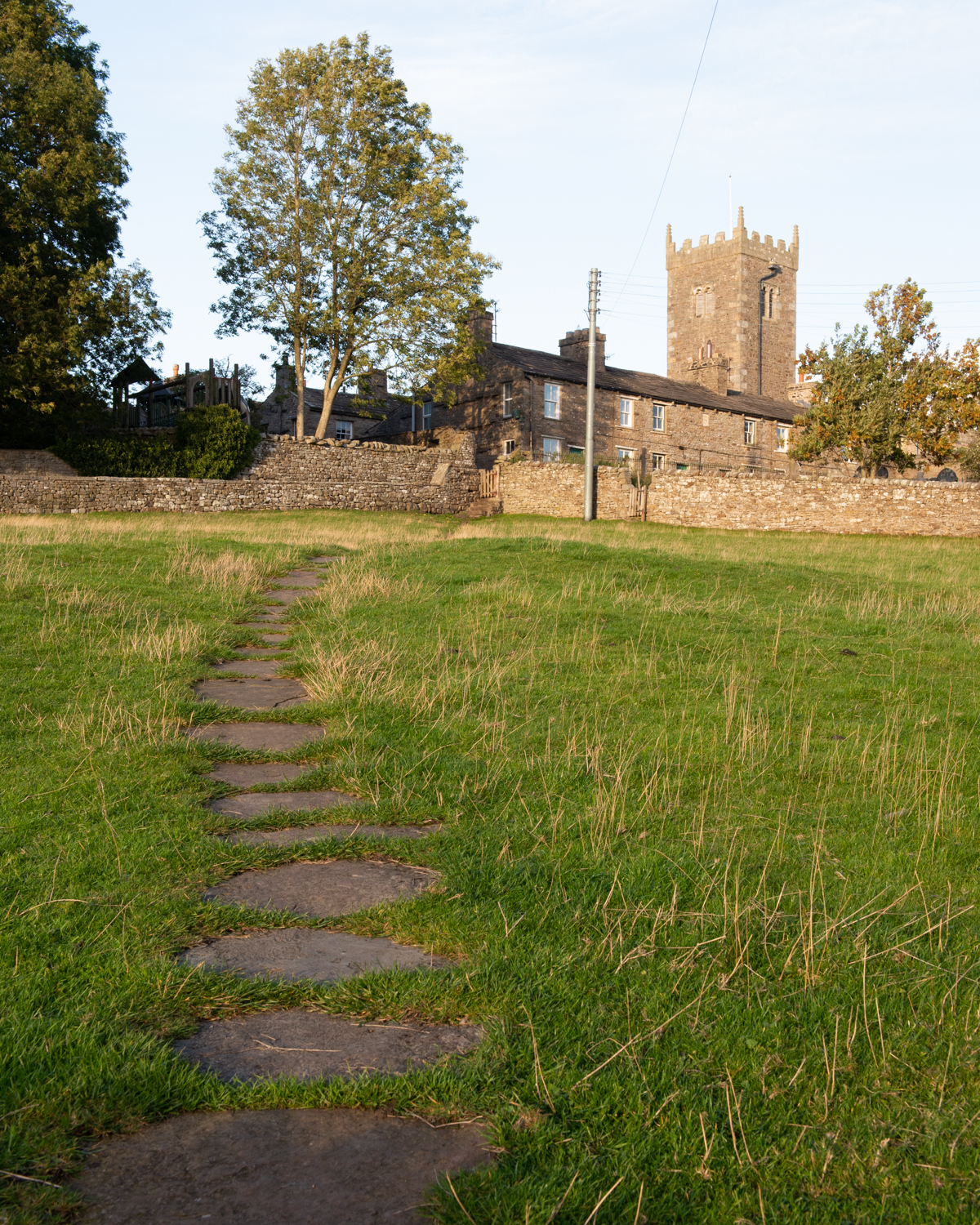
- Walk to the Church (42mm, 1/100th at f11, ISO1250)
-

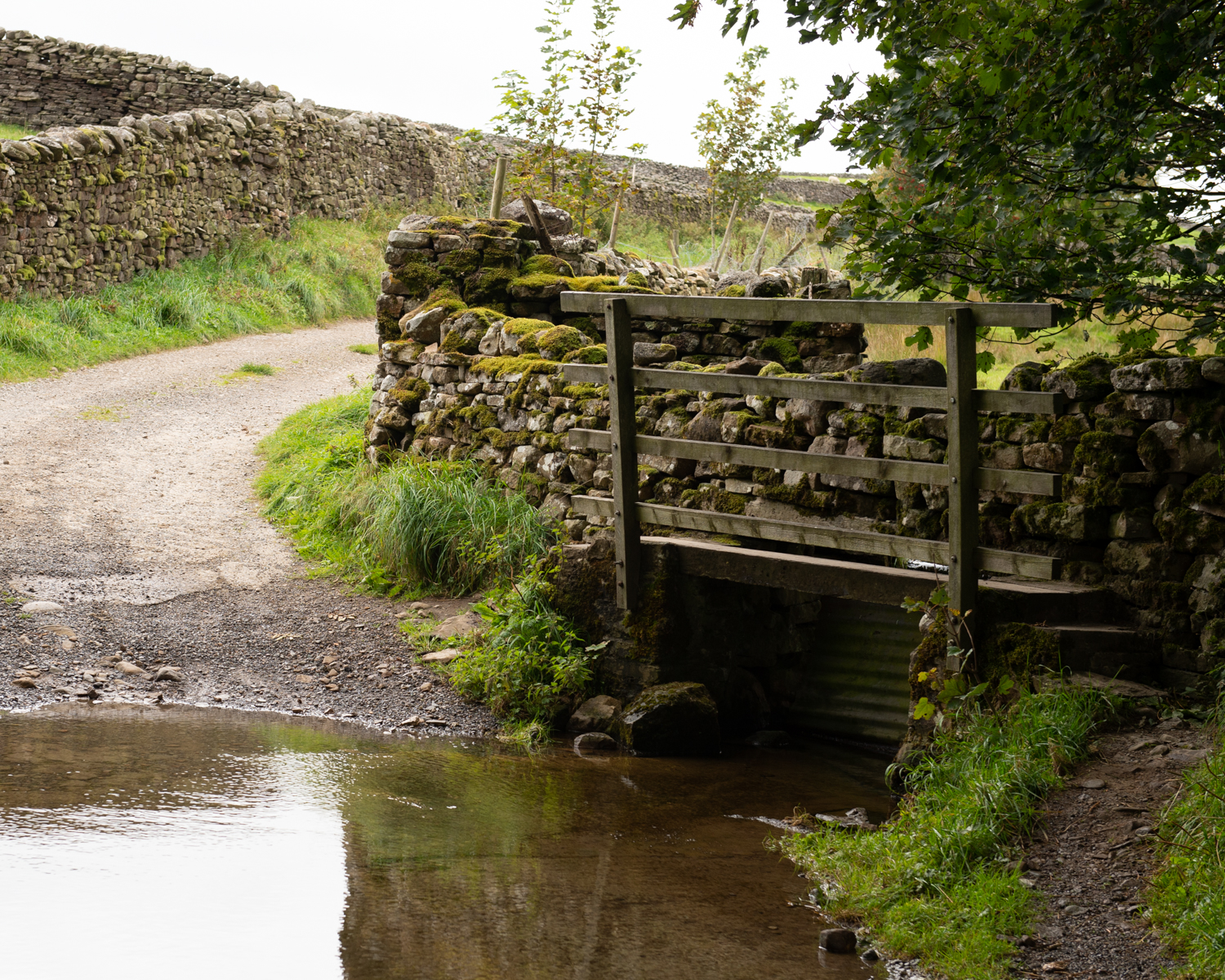
- Crossing the Ford (56mm, 1/160th at f5, ISO400)
-
- Staging Post Central (50mm, 1/160th at F8, ISO400)

-
- Pratt’s Fake Coat (200mm, 1/60th at f8, ISO800)
-
- No More Strain (70mm, 1/60th at f4, ISO 400)
-
- The Bovine Line (70mm, 1/100th at f2.8, ISO400)
-
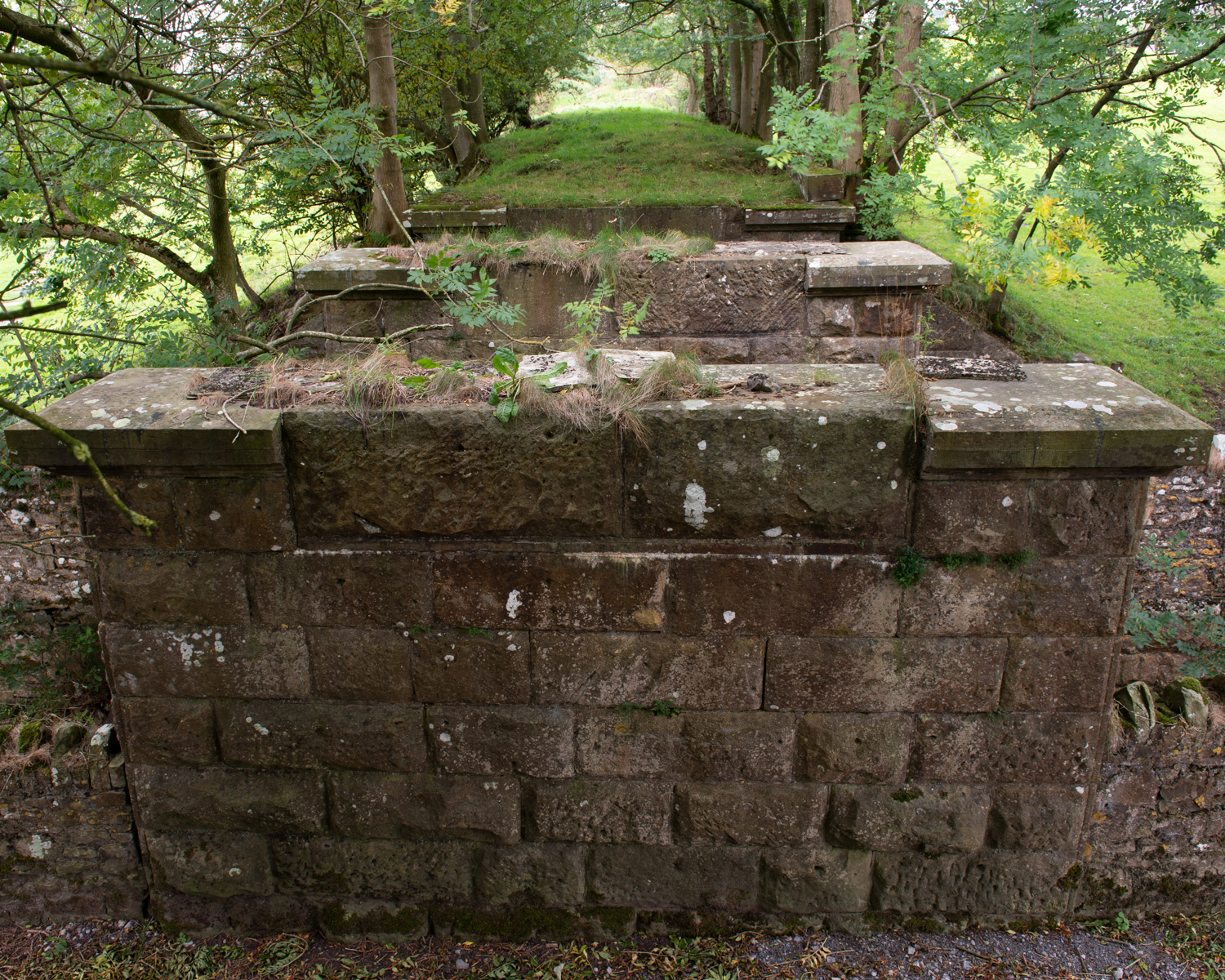
- Bridge Out (24mm, 1/5th at f8, ISO400)
-
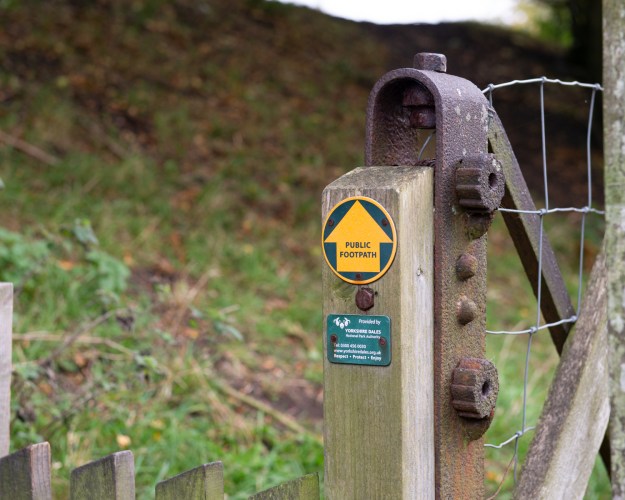
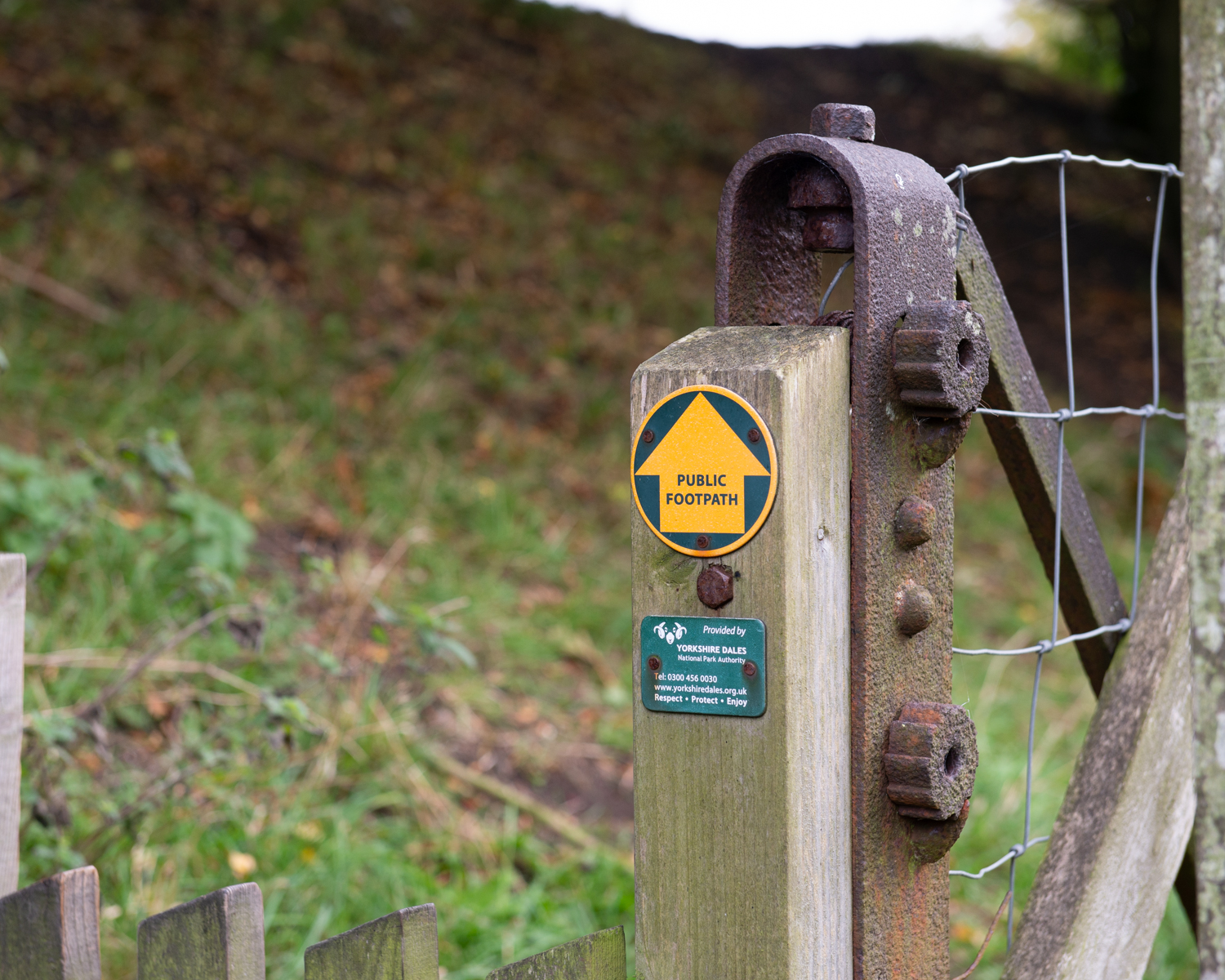
- No Danger (70mm, 1/40th at f4.5, ISO400)
-
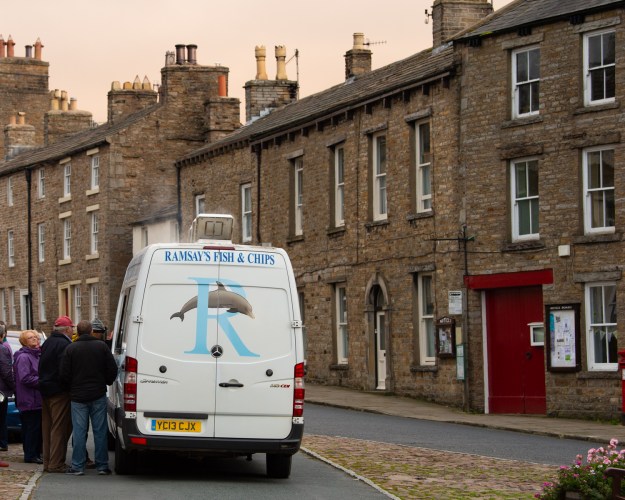
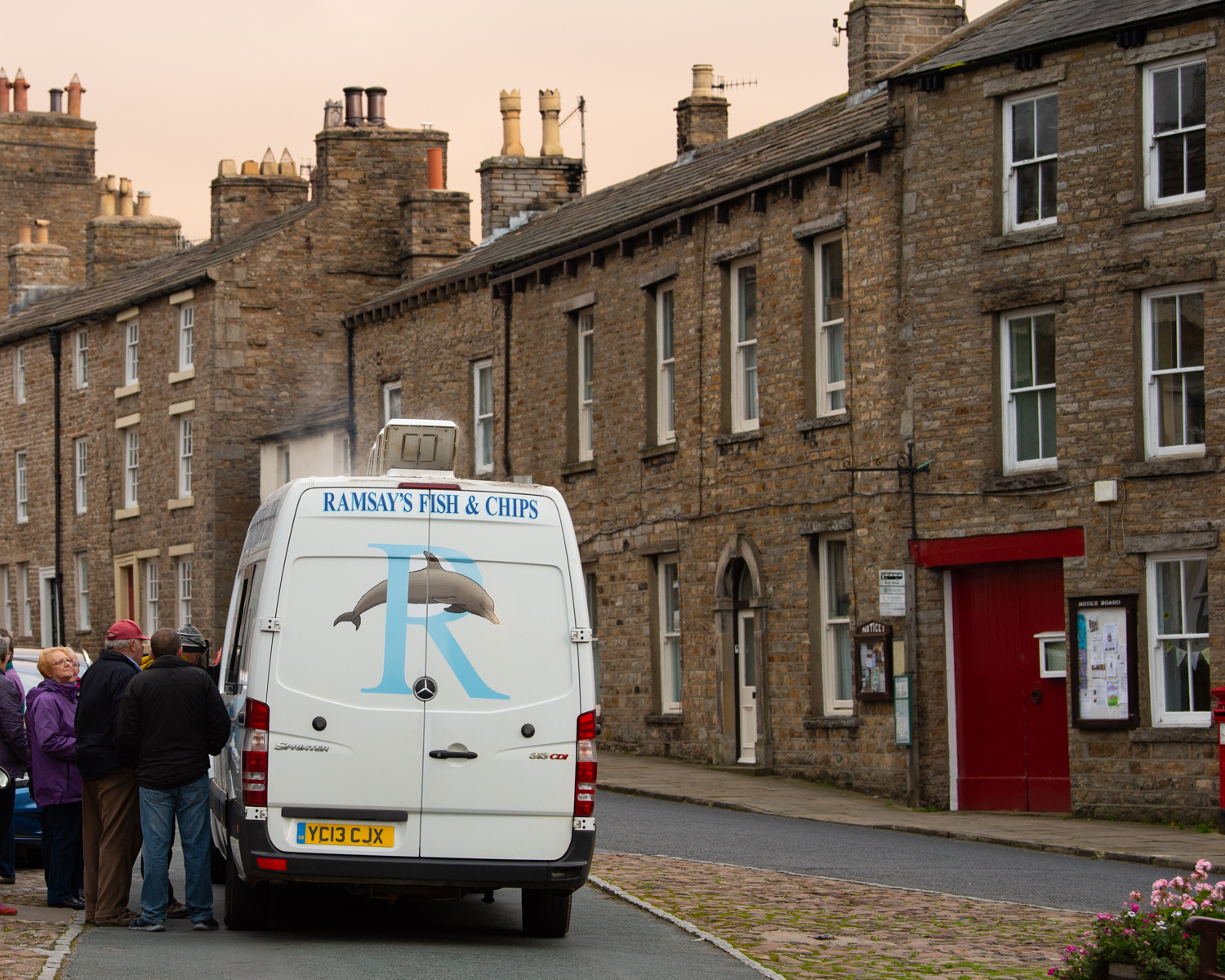
- Village Service (86mm, 1/160th at f5, ISO1000)
-
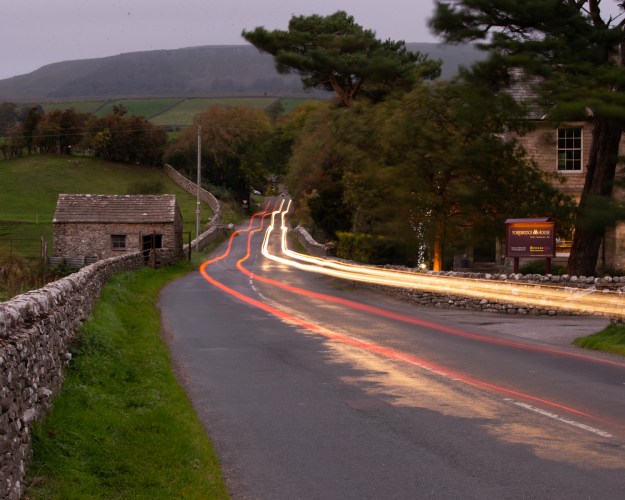
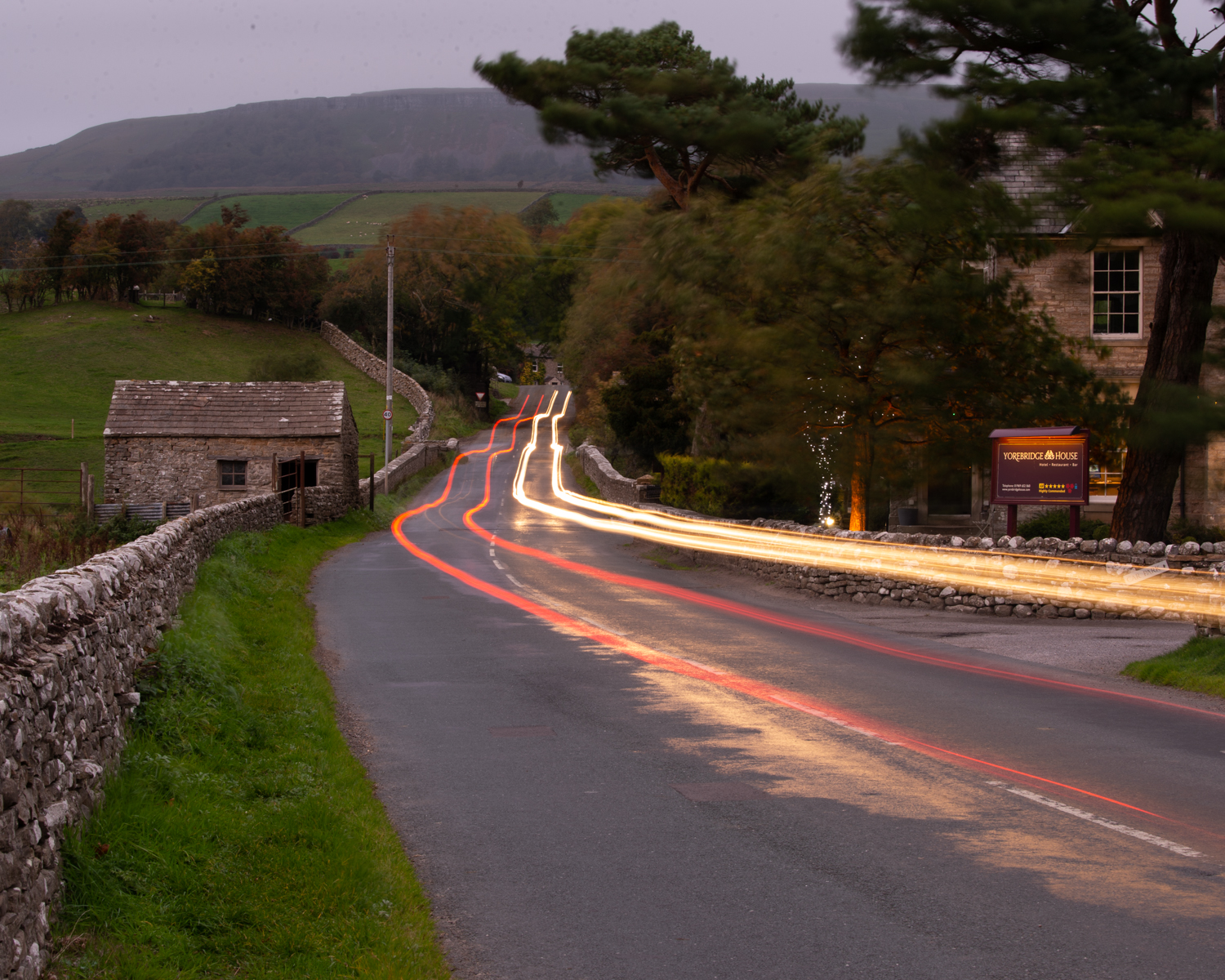
- Dales Highway (70mm, 20s at f20, ISO 50)
-
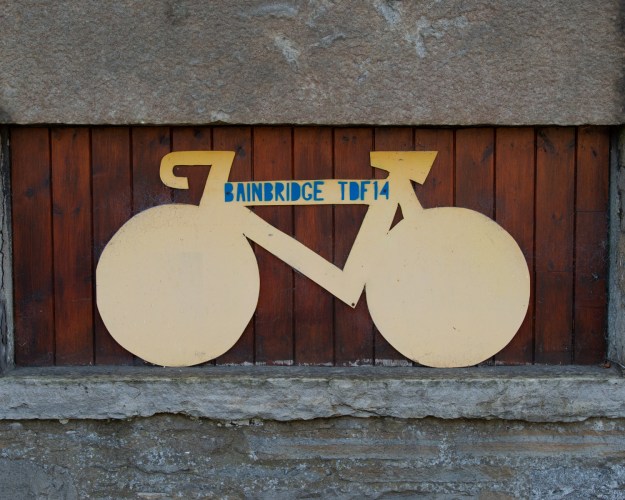
- Le Tour (70mm, 1/250th at f8, ISO400)

-
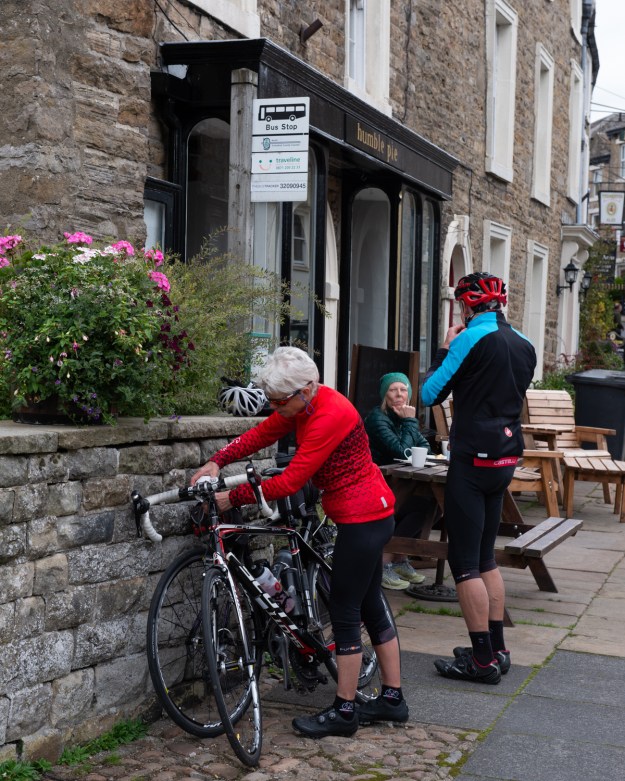
- The same shop front, now a cafe (from Assignment 1)

The Narrative
Walk to the Church
This photograph shows a direct route through a field near Askrigg Church, where the landowner has put stones to show the direction of the path. In reality, however the stones are not there for the walkers, but to protect the grass in the field from damage.
Crossing the Ford
Where the landscape overcomes the normal route, in this case the road, the people provide a way of bridging the water. I intended this photograph to show the landscape and people co-existing through the use of a simple solution to travel.
Staging Post Central
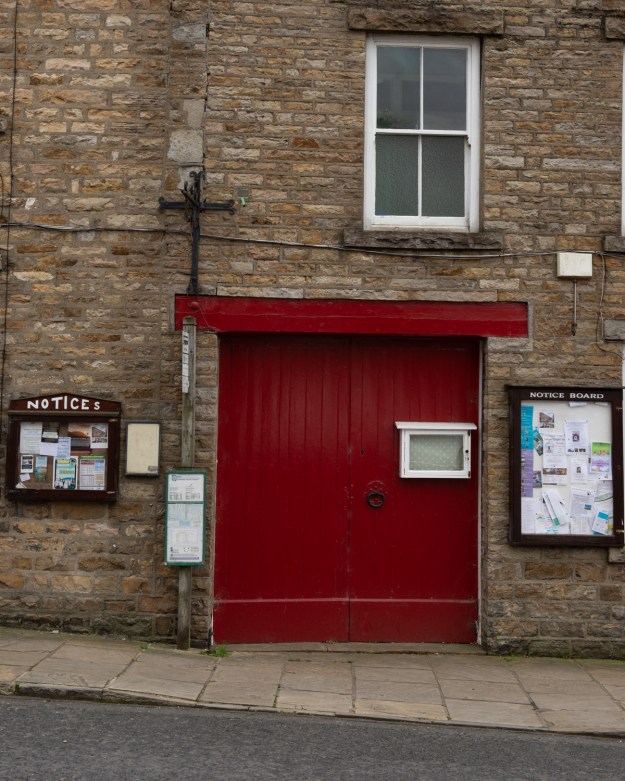
Little remains of Askrigg as a staging post for the ‘highway’, but many coach houses still have their large doorways into the yard behind. This one, is quite literally in the centre of the village high street and hosts two Notice Boards.
Pratt’s Fake Coat
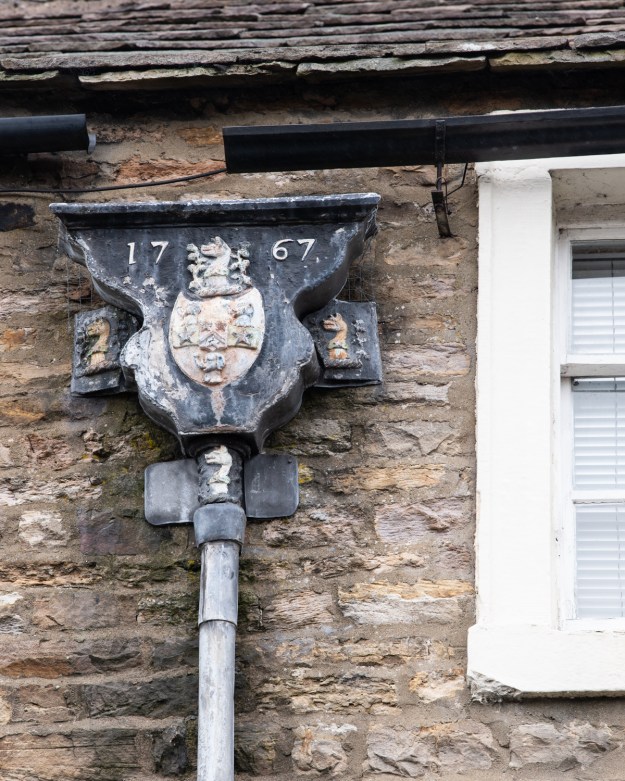
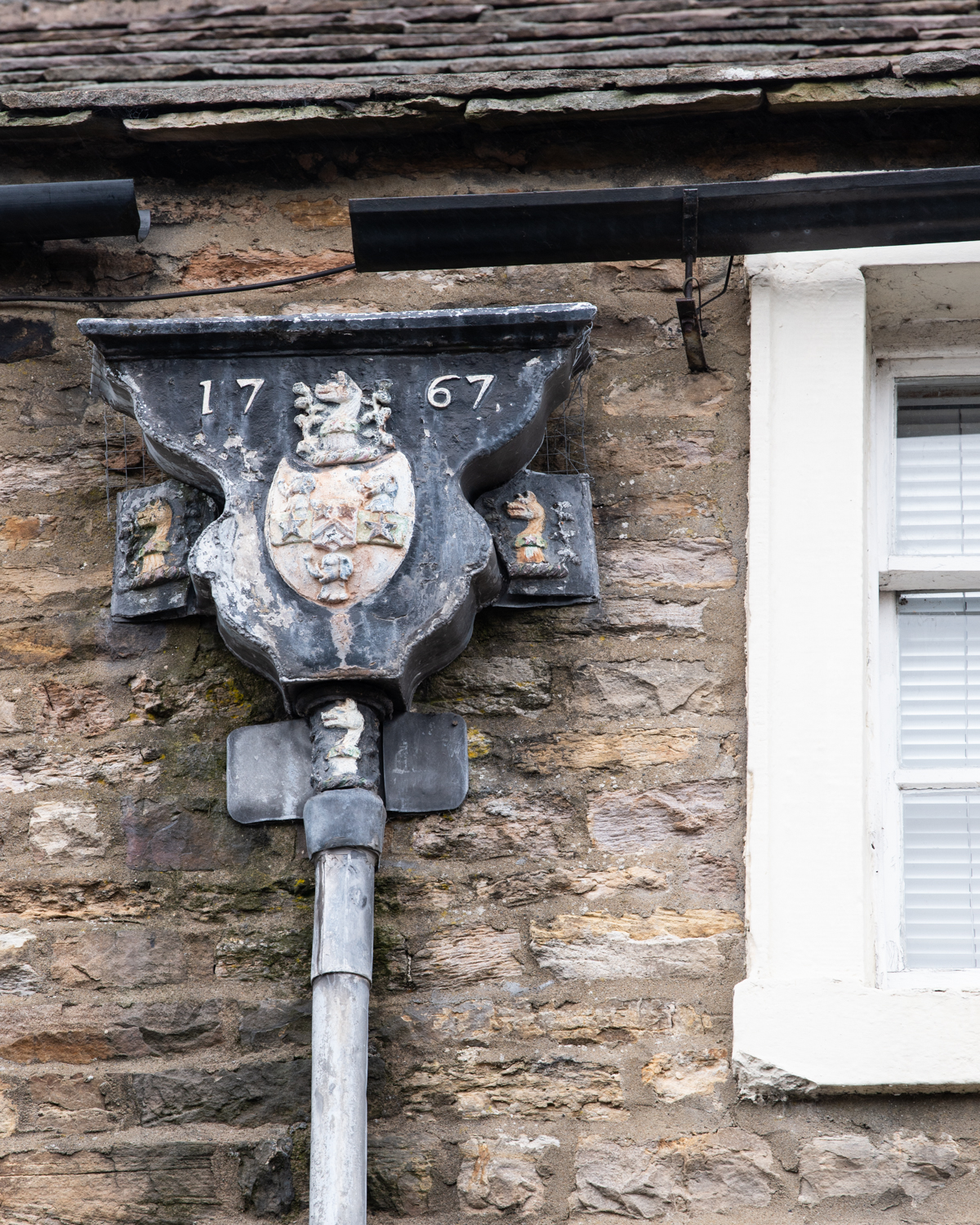
This drain spout on the side of John Pratt’s ‘Manor House’ shows the connection between Askrigg and the horse breeding/racing community. The fact that it’s a fake coat of arms reveals Pratt’s obsession with putting himself and his village on the map.
No More Strain
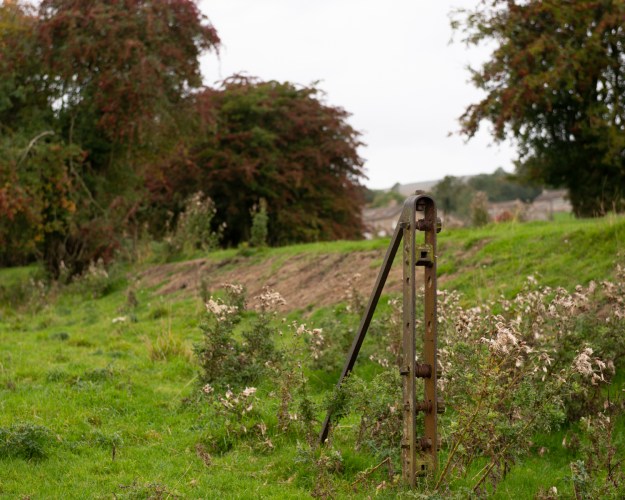
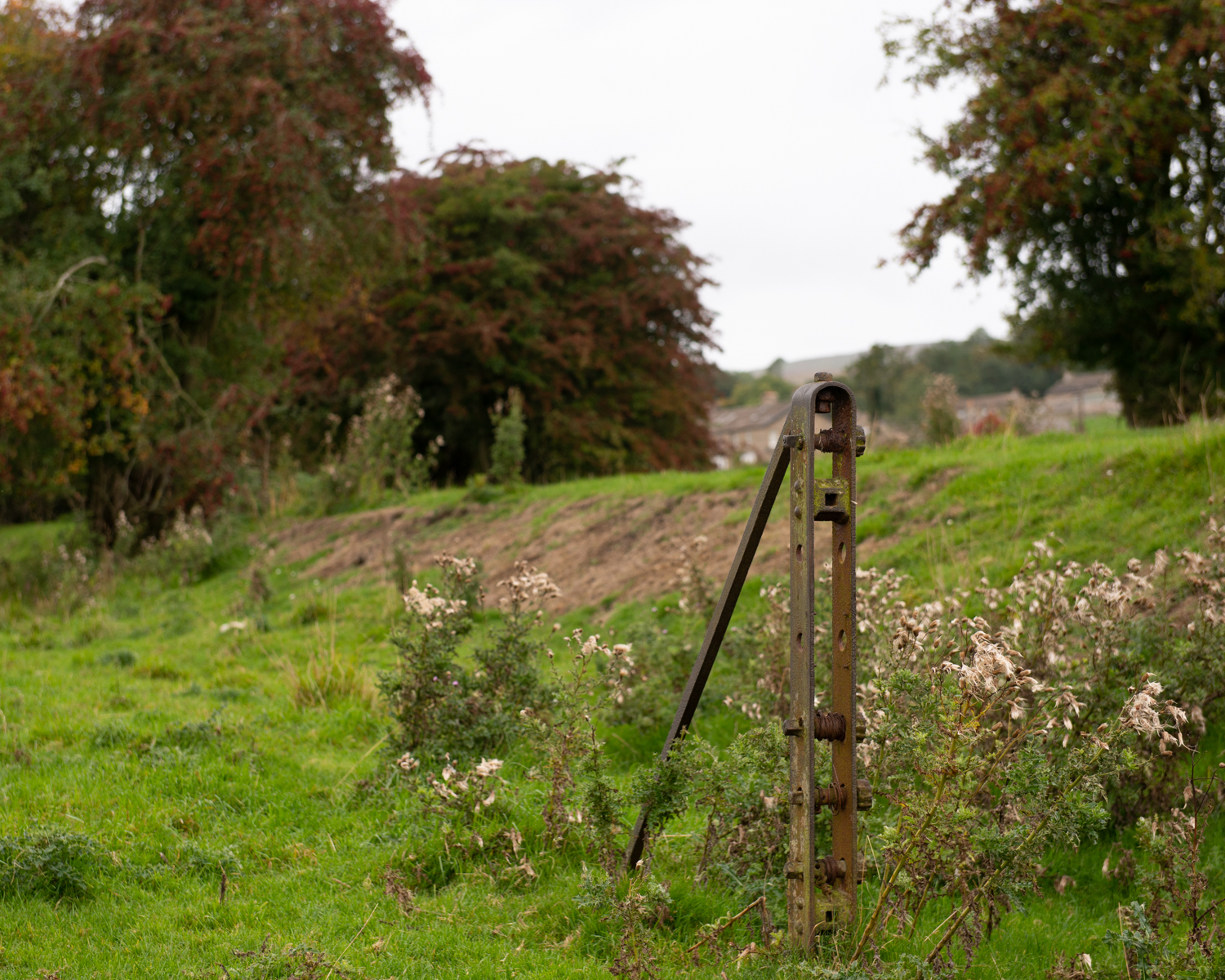
This is one of the few reminders of the railway line that was. A strainer to keep tension on the wire fence along the line has been left to rust.
The Bovine Line
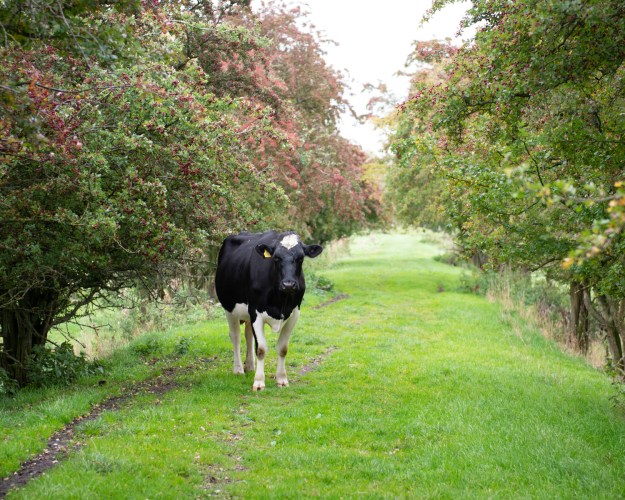
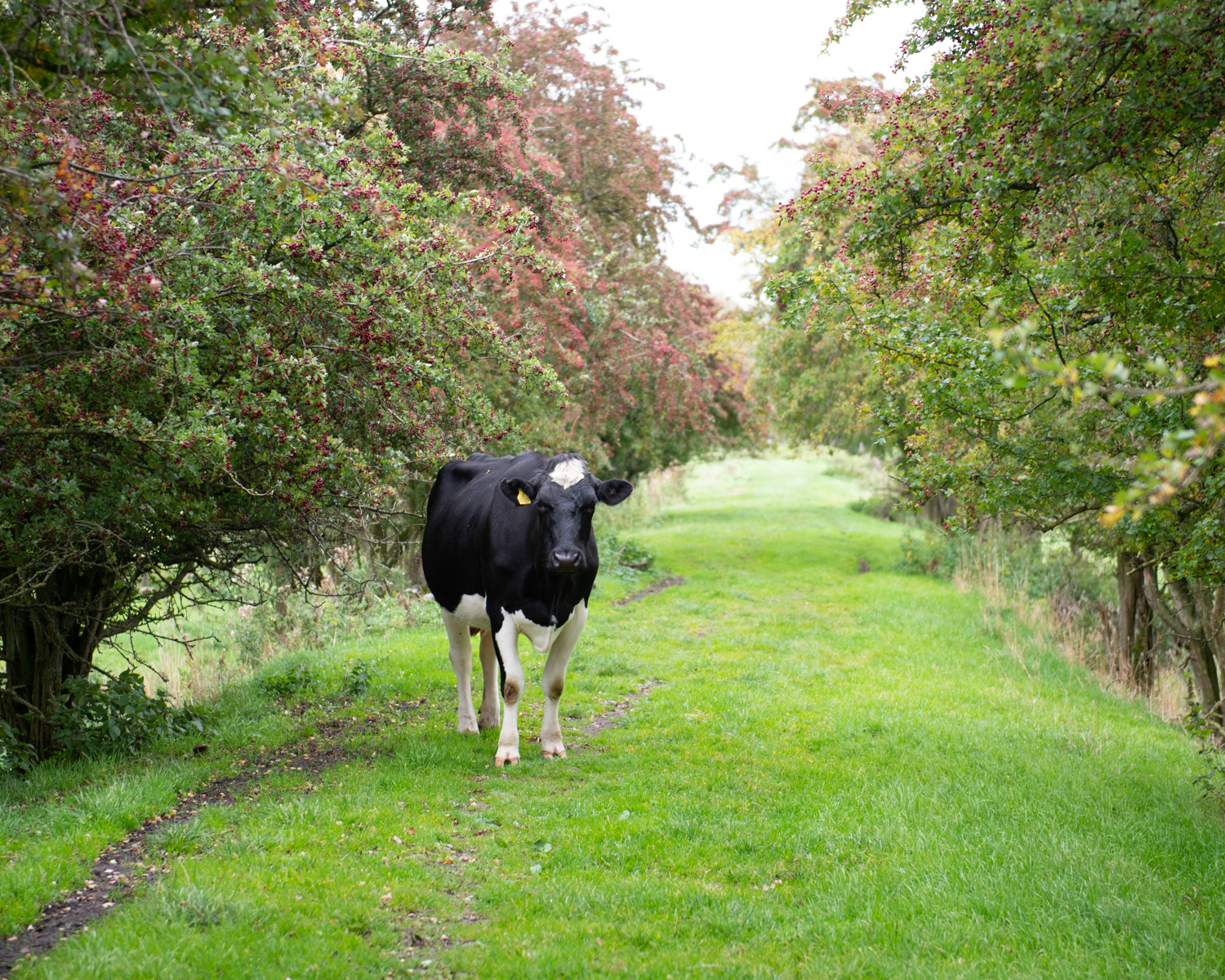
This was made while walking the railway embankment. This photograph is intended to show how the once industrial construction has been taken back by the rural landscape, just 50 years after its demise.
Bridge Out
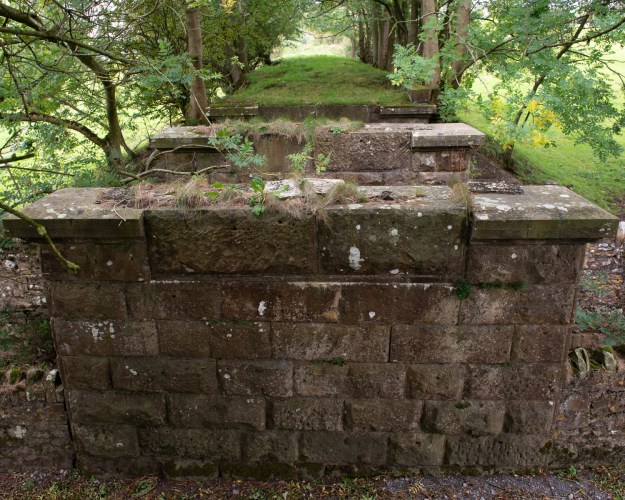
Along the railway line, these beautifully built bridges are just supporting walls. They were presumably removed for safety reasons, yet there is nothing preventing a fall from the embankment.
No Danger
This photograph was made to show the repurposing of the railway line, the fence strainer that once kept people away now being part of the public footpath.
Village Service
This photograph was made to show how the village maintains access to a food that Yorkshire is synonymous with through a mobile fish and chip van.
Dales Highway
Despite being a rural area, the road from Askrigg to Bainbridge is very busy. I wanted to show this using light trails from passing cars at dusk.
Le Tour
This photograph intended to show the way the people engaged with the arrival of the Tour de France in their community. The race built upon the legacy of the London Olympic Games but is generally credited for the increase in cycling in the area. The simple, home-made sign in Bainbridge commemorates the event in a typically understated Yorkshire fashion.
Cafe Pit Stop
I wanted to capture the effect of cycling in the area. This couple, from a nearby town were stopping at a popular cafe in the village centre. In capturing an older couple, I wanted to show cycling as a pastime adopted by everyone.
Reflection
Part 1 – Prior to tutor feedback
I have enjoyed this assignment as it has pushed me away from what I realise is my comfort zone. As an engineer, I’ve always tried to understand how things work which has naturally served me well in my career. However, I believe it to also be a big part of my photography over the past few years; the desire to learn how to make a photograph from a technical perspective. The result has been to shoot an image, ensure that it is as good as I can make it in terms of exposure, use of depth of field, rules of composition etc. Until this assignment, I had never moved my focus to creating a set of photographs that tell a story or sit together.
What went well
I think that I quickly came up with ideas around the concept of Square Mile, once I had decided to make it about a place that I thought I knew well. I could have looked at the obvious people culture in a rural Yorkshire village, their quirky traditions and acknowledgement of how they differ from people they refer to as ‘incomers’ (even after 20 years). I could have looked at the distinctive architecture and particularly its use in television during All Creatures Great and Small. However, it was the obvious reclamation of the railway line that steered me to my subject. What would have been a scar on the landscape after the Beeching changes, it’s now seamlessly part of the Dales again. Overall, I am happy with my choice of subject. In terms of having a week to do it, I believed this to be a benefit as I definitely found starting the assignment the hardest part. I recall on the first day when I shot ‘No More Strain’ that I couldn’t see me achieving 6 photographs, let alone 12. By the middle of the week I was having to throw away photographs to bring the number down. I learned from this experience to not over-think what I was trying to do, but to keep the narrative I wanted to portray in mind. I ended up thinking about the assignment for the entirety of my holiday, looking for connections even when I didn’t have my camera to hand. Of the images, the ones I am most happy with from a composition point of view are ‘The Bovine Line’ and ‘Dales Highway’. The former because we were confronted by the cow on the embankment by chance; it’s curiosity could easily be confused with suspicion at our arrival. I’m happy with Dales Highway because I’ve always been interested in expressing movement in a photograph. I planned this shot, made a couple of photographs as tests and then waited for the right combination of car light trails. As a set, I think the images work as a set, moving from walking to cycling through the history of the village.
What didn’t go well
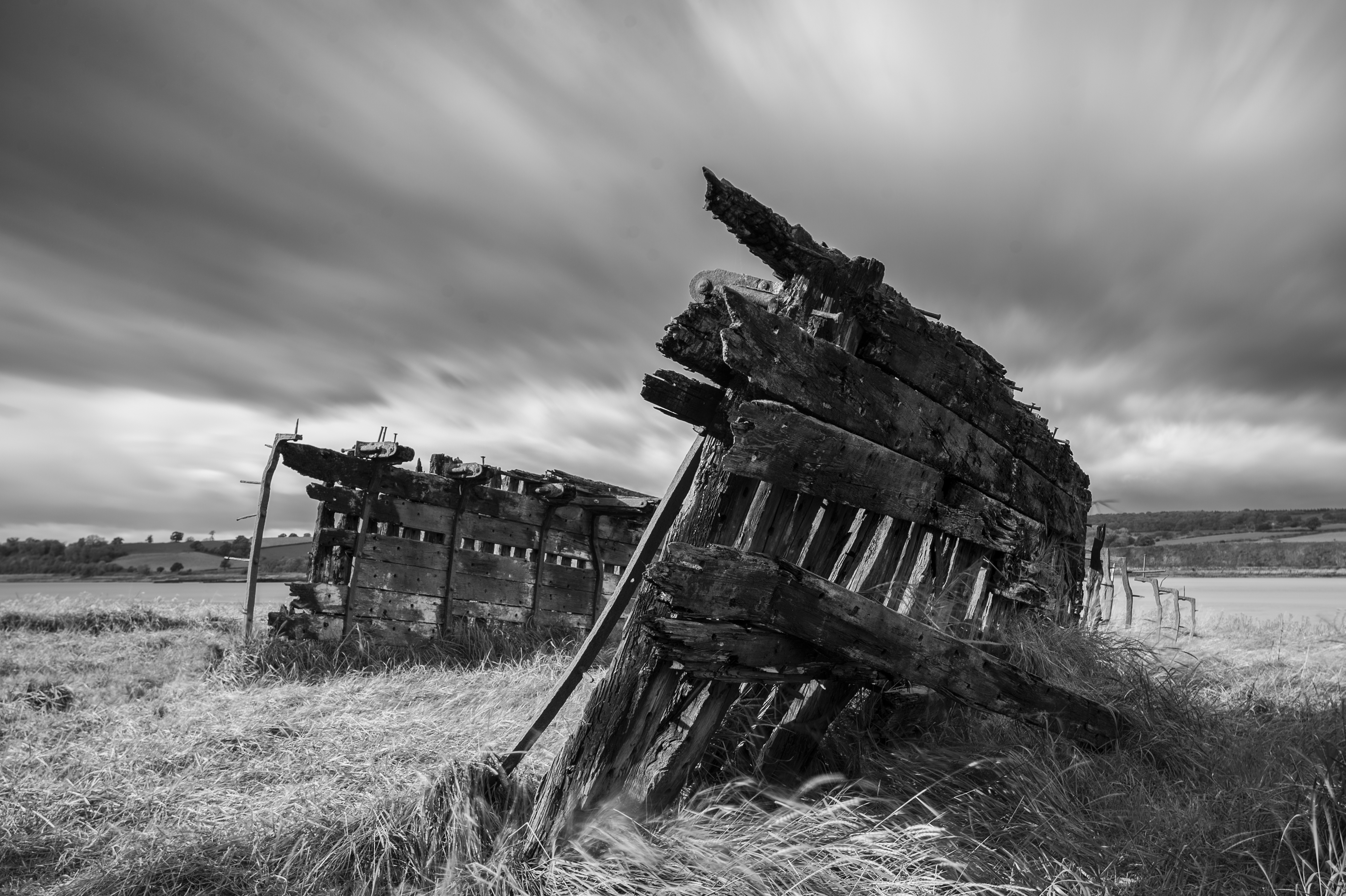
Overall, while the set works for me, the individual images do not. The weakest shots for me are ‘Crossing the Ford’ and ‘Pratt’s Fake Coat’. The former because I struggled to find an angle on the bridge where I could capture water and the curve of the road leading up the hill. The sky was overcast but very bright, which meant that even with a polariser, I couldn’t reduce the glare from the water in this composition. While the image says what is intended, I feel that it is technically poor. ‘Pratt’s Fake Coat’ is an example of struggling to find the right subject for the theme. Little remains of Askrigg as a staging post and while I understand the connection with Pratt’s obsession for horses, horse staging and acceptance by the aristocracy, this image doesn’t convey that. What I learned here is that an image cannot be forced if the subject isn’t really there. Historically, I’ve considered the technical competency of the image and the single subject it contains, e.g the shipwreck photograph on the front page of this blog. This means that I’m not used to having to connect an image with a set and therefore the learning is very new to me.
In addition, while having a time limit made me decisive I felt that it also made me accepting of compositions that were not necessarily as good as I could make. I like the set, but don’t love it.
The final reflection is on my plans and how they evolved. I think letting go of my photographic comfort was a positive thing, but it also meant that some ideas came too late. For example, half way through the assignment I decided to crop the images to squares, to connect back to the concept of square mile. However, by that time a few of my compositions would not support that idea which resulted in me going back to 4×5. I learned that some ideas over-complicate the work and that keeping it as simple as possible is more effective.
Part 2 – post tutor feedback
I had my tutor feedback on this assignment during our first Skype call this week. The feedback offered some insights which, on reflection make perfect sense to me as well as being in agreement with my personal observations. The key points were:
- While my approach to the brief was good, the subject I selected was very broad and as such, the limit of 12 photographs was probably insufficient to do it justice. My tutor highlighted two areas of my submission, the loss of the railway and the village being in a popular television series as being potentially subjects for the assignment in their own right. The absorption of the railway into the landscape following Beeching’s closures could be developed to include the socioeconomic impact on the village as well as other, related industrial absences that have been part of the village’s history. The more interesting idea to me was our discussion about the television series. My tutor comes from a film production background and worked in television. The insight was that when television programmes are made, the producers define how they want the viewer to see the subject, as opposed to how it is in reality. They do this for context as well as creating an asthenic in which the action can take place. In the case of Askrigg, it would be interesting to compare the reality of Yorkshire village life with that created 40 years ago in All Creatures Great and Small. A project for the future, for sure.
- The other notable feedback was on my use of titles for the photographs. When you think about it, a title for a photograph suggests and even directs the viewer to what the photograph is about. If the photographer is telling a story with an image or collection of images, there should be no real need to title the photograph. This isn’t a hard rule, of course as many photographers title their work. The feedback to me was to let the viewer make up their mind and see how effective that narrative is without the aid of direction. I thought this was great advice.
On the whole, the feedback on the assignment was very positive, which has given me a great deal of confidence to proceed with the course.
The Contact Sheets
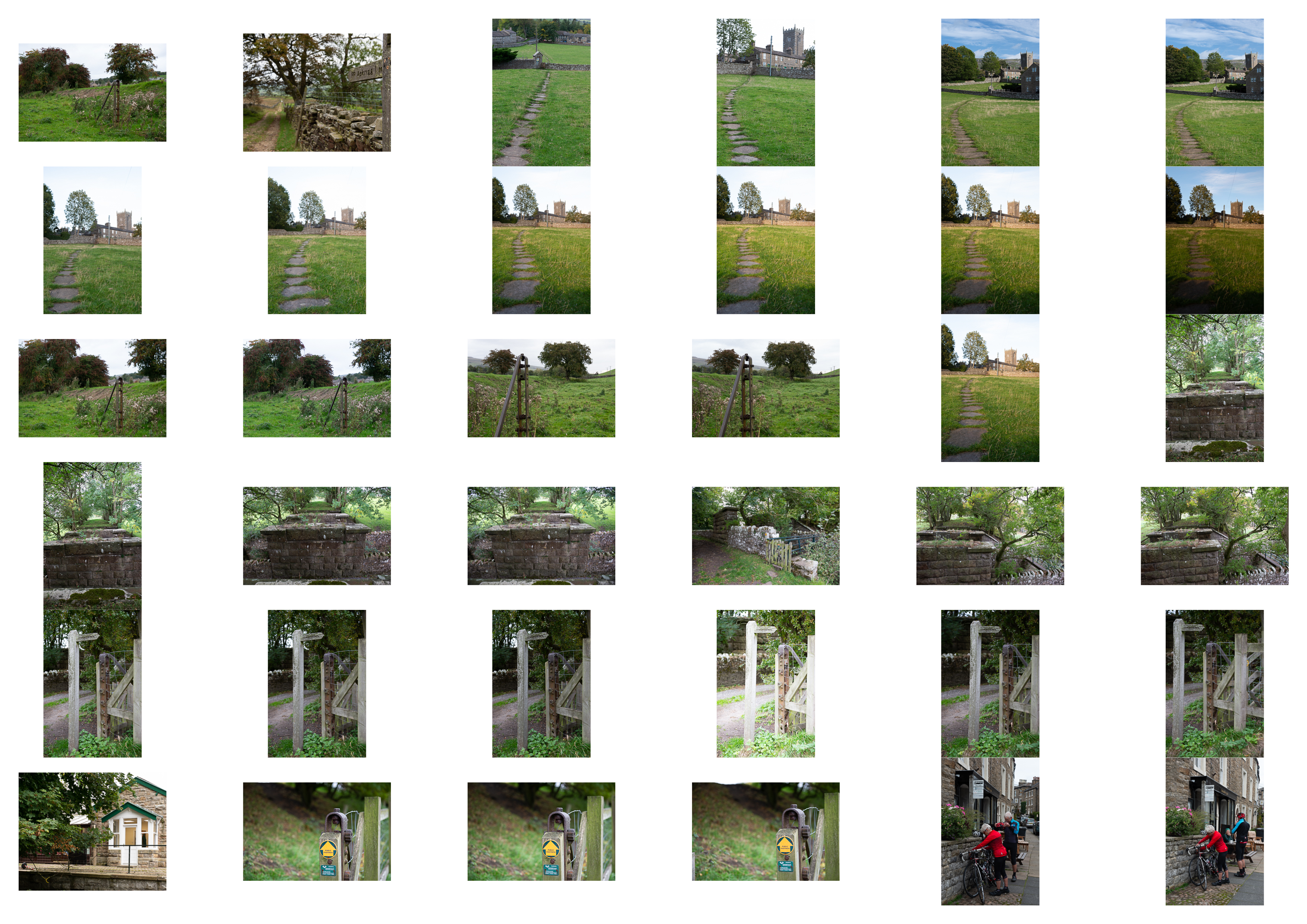
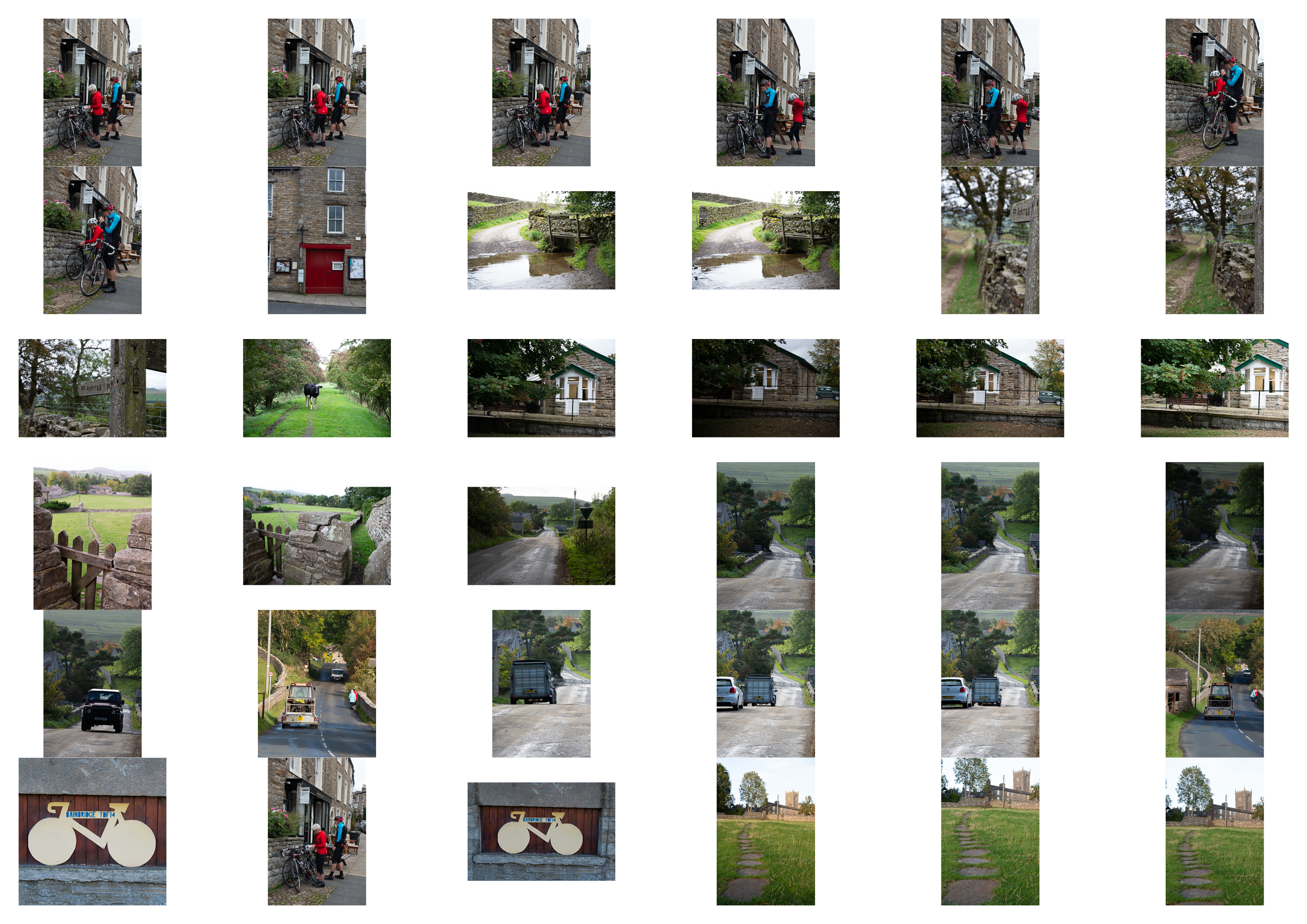
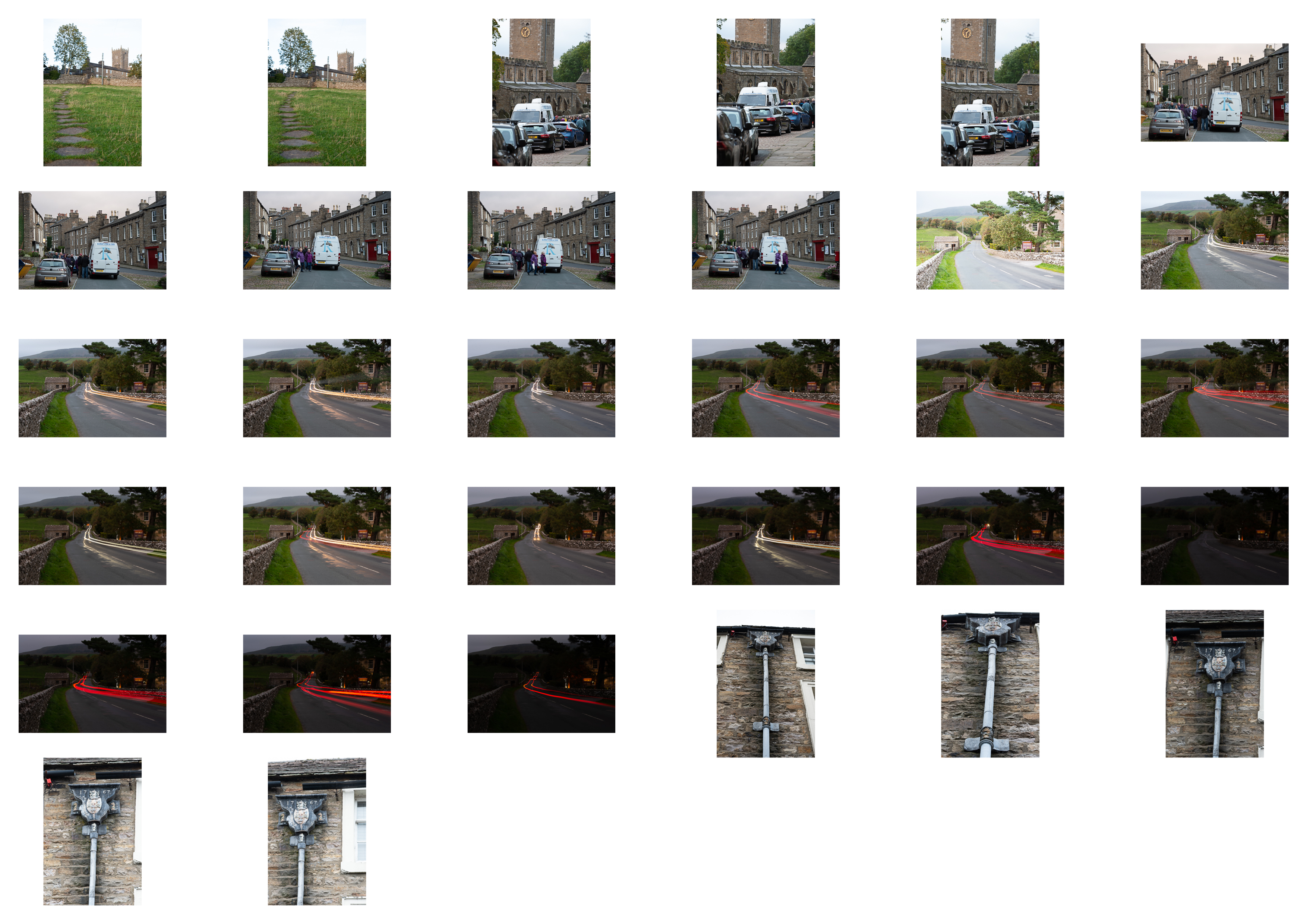
500 Word Submission
EYV-Assignment 1 – Square Mile
 Richard Fletcher OCA Photography Blog