We are first introduced to the theories of art critic John Berger and academic Marianne Hirsch about the effect of photography creating instances where time appears to have stopped and how these moments grant us access to ‘memory’, whether direct or through our cultural experiences. In his book Ways of Seeing, Berger refers to photography as establishing the idea that a visual image is inherently connected with our concept of the passing of time, both at the point it was captured and from that moment onwards. He said:
“The camera isolated momentary appearances and in so doing destroyed the idea that images were timeless. Or, toput it another way, the camera showed that the notion of time passing was inseparable from the experience of the visual (except in paintings). What you saw depended upon where you were whn. What you saw was relative to your positon in time and space. It was no longer possible to imagine everything converging on the human eye as on the vanishing point of infinity”
John Berger, Ways of Seeing [1]
I interpreted this to mean that when a picture is taken, there are contextual and cultural references that are anchored at that particular moment which, if we were present during that period, we would recognise as contemporary. As time progresses, our interpretation of those elements within the picture change with our age, experience and environmental context that we bring to our viewing. Time continues to pass for the viewer but not the image, though the meaning of the image evolves with us. In considering this idea, I looked at this photograph from my family archive.
The image shows my late mother, my little sister and I putting up the Christmas tree in 1986. If I deliberately separate my knowledge of how it was taken, when I look this photograph I see the family collaboration, the dated clothing, my youthful (and characteristically grumpy) demeanour and my mum who has been gone for over 25 years now. Looking at this photograph through my adult eyes invokes many memories that I could attribute to this particular day, but in reality I cannot remember that actual event. In this case, then my recall is more about my memories of that time in my life rather than a detailed memory of the event itself. Hirsch takes the idea of memory further with her concept of ‘postmemory’. In an interview with Columbia University Press, she said
“As I see it, the connection to the past that I define as postmemory is mediated not by recall but by imaginative investment, projection, and creation. To grow up with overwhelming inherited memories, to be dominated by narratives that preceded one’s birth or one’s consciousness, is to risk having one’s own life stories displaced, even evacuated, by our ancestors”
Marianne Hirsch in conversation with Columbia University Press, 2012 [2]
Hirsch’s book on the subject deals with Postmemory of traumatic events, in particularly the Holocaust, where the imagery and historical context create powerful memories that are not necessarily from our own personal experience. She argues that the viewer ‘invests’ in what they are seeing in the image, creating a memory that is almost fantastical given the lack of direct connection with the moment that has was captured. In addition, she points out that the more we create these inherited memories through imagery, the higher the risk that we remain dominated by them in the present. With something as traumatic as the Holocaust, it’s easy to see how that is possible, even with the right intentions around preserving the memory of its impact on the world.
With my image above, we have no eye contact with the photographer (my father), so little connection with the subject beyond his gaze on a family scene. It invokes memories in me because I am one of the subjects, but when I show it to someone who wasn’t there, e.g. my wife, she will only recognise her husband and sister-in-law as she never knew my mother. Any postmemory from the picture would be formed on her imagining what my mum was like using what I have told her over the past 20 years as context. In considering the other gazes introduced in the notes, the averted and direct gazes are perhaps the ones where I have experienced powerful reactions. For example, in Dorothea Lange’s famous Migrant Mother, the subject is looking past the photographer as if not noticing their presence. Her children are facing away so that their faces are obscured, which adds to the intensity of our reaction to her situation. We know that Lange was part of a group of photographers that were specifically hired to depict the impact of the Depression on rural people migrating to the more populated towns and cities, so the images are deliberately trying to tell that story of struggle. However, in this image I find myself asking more questions about how Lange felt when shooting this picture. I attribute this sensation to the lack of eye contact with between subject and photographer, creating a sense of ‘being observed’ or ‘attempted understanding’. When the gaze is direct, as in Steve McCurrry’s famous Afghan Girl (below), the connection between subject and viewer is direct, almost bypassing the photographer.
Afghan Girl (1984), by Steve McCurry[3]
It’s so intense that the viewer feels directly connected with the unhappiness and distrust that her expression appears to convey. The gaze is emphasised by the girl’s intense green eyes which immediate create a sense of pride and defiance toward her situation and when considered in terms of the importance of the colour green in Islam [4], the image has many narrative layers. For me, the main difference is the seemingly absent sense of the photographer’s gaze in the image when compared with Migrant Mother. The observed element of the picture is missing because the direct gaze between subject and viewer is so vivid.
Keith Roberts – There Then, Here Now (n,d)
In his paper about a project he undertook with Edward Chambré Hardman’s archive of portraits that we have already discussed, Keith Roberts discusses the Hirsch’s concept of Postmemory alongside Svetlana Boym’s ‘The Future of Nostalgia”, first published in 2001. Boym takes the idea of nostalgia and breaks it into two forms, restorative and reflective. The former is related to a memory either real or passed down via a direct connection. For example I have a reflective memory of my late mother in the context of events such as decorating the Christmas tree in the photograph above, even though I cannot remember that precise occasion. A restorative memory would be more about the lives of my family during that period and the time that has passed since, with details contextualised in everything from the Western notion of ‘family’ to the Christian celebration of Christmas and all the traditions that go with it. For Robert’s project, he was using the groups of portraits of WW2 servicemen and women in Hardmans’ archive to explore the creation of Postmemory and the two forms of nostalgia within an exhibition of carefully selected images. The paper introduces the project but doesn’t discuss the outcomes beyond an interesting case study that emphasises the use of ‘gaze’. In his study of 5 images of a naval serviceman called Billy Walker, Roberts was able to first identify the image that Hardman had selected that best represented Billy (shown below with the red border). Secondly, he considered that image within the complete set.
From the paper There Then, Here Now, by Keith Roberts [5]
Here we see Billy Walker shot in a number of different poses in his uniform. One of the shots has him wearing his naval hat, but the rest do not. He is smiling in each shot but only in the one that Hardman selected is he looking at the camera. When I look at this shot I consider my own family history with that period and in particular my awareness that so many servicemen were very young as Billy appears to be (he was 27 when he was killed a year after these portraits were taken). His happy looking demeanour contrasts with my own restorative nostalgia in postmemory regarding that period and his direct gaze makes my ‘investment’ in creating that memory more powerful than with the images where his gaze is diverted. Perhaps this was why Hardman, who was obviously experiencing the horror of the war at that time, thought this image was the best likeness of Billy and selected it for him and his family to own. Roberts contacted a direct descendent of Billy’s to explore whether his reflective memory, handed down through the family matched the restorative memory of selected photograph and to understand how it might differ. The copy of the paper the I have doesn’t reveal the answer, but the question is definitely interesting in the context of this project.
Conclusion
What has been interesting about this project is the idea that our memories can be an assimilation of stories and personal anecdotes passed on and developed over time, as well as formed through cultural context and classical documentary. The viewer connects with the subject in the portrait in some way and subconsciously uses this assimilation to ‘invest’ in the narrative. I think ‘invest’ is the perfect word for this process as it ties in with Barthes’ position on the effort the reader has to put into the narrative creation of what is essentially an assembly of cultural texts; see ‘Death of the Author’. The idea of reflective and restorative nostalgia for me emphasises the theories on post-structuralism where postmemory can be attained by a seemingly random set of ‘other people’s memories’ or cultural assertions. The intensities of these memories is heavily influenced by the gaze or gazes within a portrait as demonstrated by the comparison of Migrant Mother and Afghan Girl. Both are powerful, but in my case the direct connection with the eyes in the latter almost suspends my acceptance of it being a photograph. When I consider my response to it, I think there is both reflective and restorative nostalgia at play owing to the fact that conflicts in Afghanistan have been happening throughout my lifetime and still continue today. The connection to the gaze reminds me how young and vulnerable this girl looks at first glance, despite her probably not wanting to be represented that way. For me, this ‘memory’ invokes a reflective nostalgia both from news coverage and from my own childhood. In the photographs that have been studied here, gaze could almost be considered the volume control for the level of engagement with the subject and the subsequent postmemory that results from it.
References
[1]. Berger J et al, 1972, “Ways of Seeing”, quoted p18, para 1, Penguin Modern Classics
[5] Roberts K, Date Unknown, “There Then, Here Now – Photographic Archival Intervention within the Edward Chambre Hardman Portraiture Collection (1923-63), Academic Paper courtesy of Academia.edu, Subscription Download
This project deals with the idea of an artist’s work being a mirror for their experience or their influence over the narratives within the image or series.
Mary Kelly: Post-Partum Document (1973 to 79)
We are first introduced to American artist Mary Kelly, who created a documentary of the first 5 years of her son’s life in the early seventies. Kelly’s work is not photographic, instead using a variety of everyday items and transcripts of specific events to tell the story of early motherhood. Kelly’s intent for the work was to challenge the established idea of the ‘division of labour’ between the genders and she did this by representing a new mother dealing with the daily domestic activities with a young child. As Kelly was ‘post-partum’ herself, her work is told as a mirror of her own experiences. In an interview [1], Kelly said that she wanted the viewer to concentrate on the subject rather than focusing on the fact that a woman was telling it, so to me it was as much about getting the story told than it being about the artist. However, Kelly’s approach to the documentary is her own perspective on the day to day aspects of raising a child. Her work is almost scientific in approach, with meticulous notes and items included; the most infamous artefacts being her collection of nappy stains.
Nappy Stain and diary entry from Mary Kelly’s Post-partum Document (1973 to 79)[2]
Kelly used them alongside a diary entry for the food that her baby had consumed that particular day. Her view was that the best way to see the baby’s development was to measure the output for a given input. This reminds me not only of a scientific approach to a problem, but also the work of Gideon Mendel. His documentary series Dzhangal[3] arranges the possessions left behind by migrants when they left the holding camp at Calais. I looked at this work as part of Context and Narrative, but it is now that I understand Mendel’s work as a mirror. His parents were Jewish refugees who escaped the Holocaust, which Mendel used to tell the stories of the disposed from his own personal perspective. The items themselves were randomly discarded, but the artist’s arrangement of them in the work juxstaposes the mundane with the signs of the oppressive treatment the migrants suffered as they were held at the camp. Both Mendel and Kelly avoid the obvious in their representations but their experiences come through clearly in the work.
In a similar way to both Kelly and Brotherus, Esther Teichmann mixes a number of media to create her work. Her work first interested me because it is almost collage in nature, with the underlying photographic element being only one part of the creative process. If I reflect on my work on this course thus far, it’s easy to see how the act of photographing in the portrait genre limits my creativity. While I do think about what I’m trying to represent in the subject, the context, composition and lighting are prioritised to make an image. Teichmann, like the other artists, is exploring the relationships between subjects from her perspective and using whatever media helps her express herself.
Photography is always at the centre of my practice and was definitely my starting point. I think it’s such an elastic and physical medium, but fundamentally the thing that draws me in is the relationship between the real and the staged, the duality between the real and the constructed, the world that exists and the otherworldly. It’s this dynamic that keeps me wedded to the medium and continually excited by it.
Esther Teichmann in conversation with Emily Spicer of Studio International Magazine, 2020 [4]
The quote above makes the point that there is no reason for photography to remain in the real or documentary world. but instead can create a sense of the unbelievable. This makes perfect sense, of course but the learning for me is going to be how to embrace this as an idea in my own work.
Tecihmann’s work is clearly very personal and often evokes raw memories of her earlier life, of mourning and loss both as something that is experienced or anticipated. She makes an interesting point in the interview[4] about loss being both past and future where as a child we develop an understanding that we will inevitably lose something or someone and as we grow, we experience it. These experiences are inextricably linked but are also very different and are naturally unique to the sufferer. For me, this acknowledgement reveals why Teichmann’s work is so relatable despite her experiences being very different from mine. Her work is more impactful to me than Kelly’s because I have no relatable experiences in the case of the latter. Brotherus’ work creates a sense of empathy and recognisable heartache, but again I have little in terms of reference. Teichmann’s work, particularly Mythologies (2012 to 2014) evokes a sense of the sadness of isolation in what on the surface appears to be a bright, colourful and unnatural world.
Untitled, from the series Mythologies (2012 to 2014), by Esther Teichmann [5]
When we look closer, the beauty of the surroundings takes on a sinister feel with it’s unreal colouring and enclosed nature. Teichmann’s hand-colouring of the images is fairly obvious, but for me that introduces the mirror of her experiences into the image.
The course notes make a point about how we might approach a mirror work based on our own lives
“Using mirrors of the self does not have to result in highly personal, therapeutic work, although it might. Think carefully about the issues you want to avoid and what you’re willing to make public should you decide to take this route. There are sophisticated ways of portraying situations that don’t entail divulging everything”
Identity and Place course notes Part 3, page 6
This is an interesting point in terms of choosing what part of ourselves to put into our photographs. It could simply range from an opinion on a topic based on experience, as with diCorcia’s series Hustlers, to something much more personal. Although not a direct reference, diCorcia was inspired to shoot the series of portraits of male prostitutes following the death of his brother from AIDS. His pictures have many possible interpretations, but diCorcia’s experience of loss comes through in the sympathetic way he represents the subjects. In this case, the artist isn’t really revealing himself in the images, rather including his sadness and bewilderment at the struggles of gay men in sex industry during the AIDS epidemic. In representing them this way, he is remains safely detached from the subject. In my case, the recent feedback on Assignment 2 about my self-censorship leads me to consider my subject for Assignment 3 carefully. My ideas centre around my own struggles with recovering from depression which have included a spell in hospital, excessive drinking, inability to work etc. While I am not ashamed or embarrassed by it, I wonder if my internal censorship prevents me from being completely honest about it in my work. This is something I will have to decide upon as I start working on the assignment.
Hans Eijkelboom – With my Family (1973)
When I first saw this work, I was immediately reminded of Trish Morrissey’s Front (2005 – 2007) as the idea is similar. Eijkelboom pre-dates her work by 42 years but the similarities go further than the aesthetic. Eijkelboom waited for the men of the house to leave for work and knocked on the door [6], which seems like something we just wouldn’t do these days. Like Morrissey, he persuaded the mothers and their children to pose with him in what appears to be a completely natural scene. When viewed individually, there is nothing to reveal the deception but when the series is shown together, the viewer immediately asks how one man could have so many families. As well as the humorous aspects, the series is a commentary on the traditional ‘nuclear family’ with Eijkelboom at the centre of it.
From the series With My Family (1973) by ns Eijkelboom [7]
From the series With My Family (1973) by ns Eijkelboom [7]
Eijkelboom shows us a blurring of artist and subject in the way the others in the frame interact with him to the extent that we are drawn to the dynamics of the fabricated families in an entirely relatable way. When Morrissey approached her subjects on the beach for Front, she went one step further. She asked to swap clothes with one of the women in the group as a way of replacing them in the scene. What we see when we look at that work is something clever but also subversive; Morrissey does nothing to blend in with her surroundings as Eijkelboom did. In addition, some of her compositions deliberately contrast her with her surroundings as in the example below.
From the series ‘Front’ (2005) by Trish Morrissey [8]
When we look at this image, the obvious thought is around whether Morrissey could be the mother of the child. Depending on how much or how little the viewer understands about racial genetics will determine how this photograph is interpreted. For me, the overwhelming message in the picture is the challenge to a ‘rush of judgement’ which is effectively provoked by the artist holding up a mirror to our view of the traditional concept of family. Like Eijkelboom, she succeeds in putting herself in the narrative I get a different sense of the mirror between the two artists; the former being a chameleon and the latter a cuckoo.
Hans Eijkelboom – Identities (1970 to 2017)
With Identities (1970 to 2017), the first thing that is apparent is that Eijkelboom has been exploring the ideas of what constitutes identity for many years. Not limiting himself to the basic constructs of age, race and gender, instead we have a series that looks at the more subtle elements such as interests, fashion, physical stature etc. Some of the photographs are of the artist himself, dressed in the same clothing from frame to frame but reacting to something that is happening around him. In the example below, a young Eijkelboom is seen standing in what we assume to be a rainstorm. Arranged linearly, the sequence shows him reacting to getting wetter as the rain intensifies. The clothing and the poses are largely the same with the exception of the final frame where he succumbs to the storm.
A Shower of Rain (1971), by Hans Eijkelboom [7]
My interpretation of this image is of a man who is defined, at least in the first instance, by his clothes and general appearance. As the environment around him changes, these identifying features subtly change with them, yet they remain familiar throughout. Our perspective is drawn to the repetition but also the way his personality responds to standing in the rain. There is a sense of humour with this image that we see elsewhere in this vast collection.
Another element that features heavily in his work is typology, which we covered in Part 1. Eijkelboom collects street typologies through shooting people who are unaware of his presence. In an interview with Phaidon about a later project ‘People of the Twenty First Century’, Eijkelboom describes his working with a camera around his neck, operating by a hidden trigger in a similar way to Evans [9] which resulted in a series of completely natural photographs of people in the street. In the example below, we see the relationship to the Bechers in his use of typology.
From the collection Identites (1970 to 2017), by Hans Eijkelboom [10]
Here we have a grid of photographs presented as a single document that forms part of the wider series. The typology is men rollerblading in the sunshine, which in a similar way to the Bechers’ water towers is a representation many subjects in almost identical situations. The key differences are what identifies each subject. They are all dressed differently, have different physiques, are facing and looking in different directions etc, which is what we are drawn to above the ‘normalised’ composition. Here Eijkelboom is showing us the commonality between people and their lives (in this case a leisure activity), while maintaining their own identity while doing it. Similar work in this series ‘collects’ people wearing the same clothing brand, style or colour which contrasts with the other photographs where Eijkelboom is the main subject.
Cindy Sherman and Nan Goldin
We are reintroduced to Sherman and Goldin as examples fo artists using the mirror as a way of presenting their perspective on a subject. Sherman’s Centrefolds (1981) challenges the impact of the sexualisation and often related victimisation of women through the aesthetic of print media. Her self-portraits photographs show the sinister side of what at first glance could pass as glossy glamour, the poses and haunting expressions being Sherman’s way of pointing out that this is not ok. Sherman wasn’t necessarily saying something about herself with this series, but expressing her opinion as a woman clearly horrified by the apparent acceptability of female exploitation. Goldin by contrast was an ‘insider’ in a part of New York society that was considered fringe by the majority of the population. The notes talk about Goldin challenging social acceptance of her and her friends, but as Goldin herself said
‘My work has always come from empathy and love’
Nan Goldin (2014) [11]
I would question whether Goldin was challenging the idea of acceptance, rather she was acutely aware of the difficulties in the lives of her friends and wanted to represent how important they were to her. Whatever her motives, Goldin uses the ‘mirror’ as an insider to the experience in way that makes us feel like we know her life through her work.
Conclusion
My main conclusion from this project has been the understanding that the mirror can be very personal to the photographer through their own experiences, but also can be a commentary on their perspective on a situation. We learned in a previous course that portraiture can be anything from a straight representation of the subject to not being about them at all. We can use other people to act out our life experiences as portraiture as well as not having a human subject in the frame at all. However in this unit, the concept is more of identity than portraiture. How do we say something about a subject whether physical or spiritual through photography? In the case of Kelly, she narrates the experience of women in the role of mother and carer through the use of very factual documentary using her own artefacts and experiences. She achieves a strong identity without having any portraiture as part of the series. In the case of Eijkelboom, he places himself in the roles of others to reveal something about their lives as well as collecting the many attributes of someone’s identity as seen by a casual observer, such as clothing, interests etc. The common theme through his work is his sense of humour, which I think is what makes the series a mirror of his personality. With Sherman there is strong storytelling with the artist playing a variety of parts. She is mirroring her views on the exploitation of women but not necessarily from a clear, personal experience. With Goldin, the work creates narratives from an insider perspective which gives it a greater authenticity than perhaps Sherman’s Centrefolds does. The Goldin work emphasises the personal nature of working in ‘mirror’ as there is little of her life that remains private.
Following on from Exercise 3, we consider the idea of an artificially created background, the kind of which would traditionally be used in a studio environment. Studio can mean many things from a dedicated space in which professional lighting equipment and assistants work to shoot the picture, to a small corner of a room with a plain wall and some form of light source that works with the subject. My own experiences of studios tend towards the latter, with impromptu setups used to complete an assignment or project. I have the lights and equipment to shoot ‘businesslike’ portraits, but this post is about the use of such setups to create a series of pictures that reveal more about the subject than perhaps more clinical work.
Irving Penn – Worlds in a Small Room (1974)
Penn’s series Worlds in a Small Room makes use of a space in a room that has a background dressed for the portraits. The subjects are all shot within a small space with Penn not really trying to hide the fact that it’s a temporary studio. Penn used this temporary arrangement to then travel the world photographing people within his controlled setting. This approach offered Penn, who described himself as an ambulant studio photographer, a space that was both private and a known quantity. Although he used natural light for the portraits, he was able to control the highlights and shadows between shoots. The effect act it had on his subjects was one of neutral territory. Penn described his early engagements with some gypsies during a trip to Spain in 1964:
“The studio became, for each of us, a sort of neutral area. It was not their home, as I had brought this alien enclosure into their lives; it was not my home, as I had obviously come from elsewhere, from far away. But in this limbo there was for us both the possibility of contact that was a revelation to me and often, I could tell, a moving experience for the subjects themselves, who without words—by only their stance and their concentration—were able to say much that spanned the gulf between our different worlds”
Irving Penn[1]
As the shooting progressed, both parties became more comfortable with each other. The resulting portraits reveal the subjects in a way where the background context doesn’t really add anything to distract the viewer.
However, the idea that Penn’s studio was a neutral environment was challenged by scholar Jay Ruby at Temple University in 1977 [2]. He contended that the act of getting the subjects to relax was actually Penn asserting his control over the shoot. The studio, the arrangement of the camera etc were all the domain of the photographer with Jay suggesting:
“Stripped of their defenses these strangers would be free to communicate themselves “with dignity and a seriousness of concentration ” (p. 9). There is a fundamental flaw in Penn’s logic. While he was out of his culture in the sense that he did travel to these various locations, he always rented or constructed a studio to work in. The studio environment is one where Penn is clearly at home and totally in control. As wielder of the technology, Penn was literally calling the shots. The use of the portable studio offers a consistent background to the pictures that, like Evan’s Subway pictures, almost normalises the images in the series so we are no longer looking at it”.
Jay Ruby, 1977 [2]
When we think about this view, it’s the main issue with any kind of studio environment. I recall my own experiences of an art nude course that I did with the Royal Photographic Society in 2014. I had never done anything like it previously and my nervousness was a combination of operating professional lighting, directing a model and, of course her being nude. At the start of the course, my fellow students and I approached the shoot almost as children, asking the model for her help in posing and the tutor in terms of camera settings and lighting positions. With the increased confidence as the day progressed, we started to dictate the direction of the shoot. In my case, I started to break the composition rules that we had been told about regarding classic art nude photography, the two main ones being the model directly looking at the camera and smiling. The shot below is the picture I took that broke these rules, which the model was entertained by, but the tutor less so.
‘Fiona’ by Richard Fletcher (2014)
The point that I am making is that I have sympathy with Ruby’s viewpoint, but at the same time, Penn’s series documents the people of different cultures, some of which have either declined or may even have disappeared over time. Penn was fascinated with capturing and representing these people without any influence or interference. For me, the series works and is a great example of where to place the emphasis in portraiture.
Clare Strand – Gone Astray (2002/3).
With Strand’s series Gone Astray, we have something similar to Penn’s work in the use of a single studio backdrop. In this work, the subjects are young people who look at first glance as if they have been brought into a studio to be photographed ‘as is’ by Strand. When we look closely however, we see that the subjects each have some kind of damage, either to themselves or their clothing that asks us to question how the series hangs together. Is it a series of random people that the artist has coopted to be in the photographs or is it a carefully controlled series of contextual elements that tells a story of the disaffected urban youth? The answer is, of course, that each image is staged as a series of cosplay situations with the props, clothes and poses being carefully stage-managed. Examples from the series can be seen below:
Fromthe series Gone Astray (2002/3) by Clare Strand [3] From the series ‘Gone Astray (2002/3) by Clare Strand [3]
In both shots, the studio is used in the same way with the lighting adjusted between shots. The first picture shows a professional woman posed as if she is walking, perhaps to work or a meeting. Her professional suit is marred by a small tear to her tights, which is the ‘damage context’ for the photograph. For me, the way that Strand poses the model and her expression suggests some form of masquerade where the outer projection of confidence is flawed by the imperfect appearance of her outfit. Her expression though feels crafted by Strand, but this sense is revealed when we look at the images closely and for a time. Her use of context is all about the model, while the contrasting backdrop provides a more obvious thread that runs through the series. The same is seen in the second image, which this time is of a young man in a hoodie top, holding some folded money. This aesthetic is more in keeping with what we associate with inner city youth culture. Societal prejudices and media portrayals of young men dressed this way create a sense of being threatened. The inclusion of the money suggests perhaps some illegal activity where cash-only transactions are commonplace. Perhaps the suggestion is that the man deals drugs, which is a narrative that is supported by the other contextual elements in the scene. When we look closely, we see the flaw which is a cold sore on the man’s lip. Cold sores are a strange viral condition that affects people of all ages and social standings and are exacerbated by lifestyle, hormones and even simply being exposed to excessive sunlight. Here then, Strand is including a contextual element that both supports and contradicts the idea that this man is a mere hooligan. If we relate to the cold sore as a sufferer, we could then see the man out of another contextual situation. Perhaps he’s buying something else with his money. If he was set in a chemist, it would make complete sense that he would be buying medication for his condition.
In the same year, Strand completed a second part to the Gone Astray series, called Gone Astray Details. In this series, the duality of inner-city life and rural is much more subtle, with the compositions being much more surreal. An example can be seen below:
From the series Gone Astray Details (2003), by Clare Strand [4]
Here we have a portrait where Strand has dispensed with the studio background and instead shot in a natural environment. The man is standing in what looks like a gravel or well-trodden pathway where the only signs of vegetation are trampled sticks. The hint of the rural is overwhelmed by the smart, city attire of the man which makes him look like he’s not out hiking in the country. The inclusion of a small part of the informal jacket raises questions about who this person is in the context of this composition. Strand further includes a carrier bag decorated with butterflies which adds a contrasting element to the image. The butterflies juxtaposed with the bag, which looks like it’s made of plastic, points to the conflict of the natural world vs. the city. This work and the others in the series mixes the ideas of studio and street photography as the composition has both a sense of being ‘captured’ and lit by artificial light (the flash reflections in the shoes). When paired with Gone Astray Portraits. it’s clear that Strand is not being governed by a particular style and almost challenges us to question what is going on, both aesthetically and from a visual perspective.
Conclusion
I really like the combination of natural and artificial in both of these artists’ work. With Penn, the concept of moving the studio around the world to access a variety of cultures is interesting, achieves a consistent series of images that are anchored by the setup and reveal something of the natural personalities of the subjects. However, I agree with Jay Ruby’s view that the narrative is being controlled to a large extent by the photographer. With this perspective comes the sense that we are viewing different cultures as we might view a museum exhibit. I was reminded of my visit to The Horniman museum on Forest Hill, London [5]. Frederick Horniman’s vision was to collect and exhibit artefacts from around the world to better educate the poor and disadvantaged in Victorian society. The museum is perhaps best known for its extensive taxidermy exhibit which contains many species of animals from all over the world displayed by genus. It’s a fascinating exhibition which invokes feelings of Darwin’s documentary of evolution. However, when I visited I could only see the specimens in the context of their small differences intra-species, that is the way that their are only small changes that took many years to become noticeable. For me, Penn’s series is like this. It feels like the subjects are merely placed in a display cabinet. In contrast, I find Stand’s work more interesting. She places actors in an identical scene and tells a story that is clearly constructed, but also rooted in a perception of inner city life for younger people. Her use of obvious and subtle context to both support and conflict with our prejudicial assumptions about her characters leads me to want to look at the images more and more closely. Her use of the Dick Whittington-esq background is surreal but serves the purpose of anchoring the series as well as suggesting that the countryside is the nirvana that everyone aspires to. Clearly this is not the case for everyone, but again it plays into the hands of the media portrayal of the countryside being somehow better. I think that this sense of conflict and contrast is what I will take into my series for Assignment 2.
Project 2 deals with a more complicit relationship between subject and photographer, placing the emphasis firmly on collaboration between the two.
From the course notes, page 10
Harry Callahan (1912-99)
Harry Callahan was a hugely influential photographer who’s work spanned some 50 years and crossed many genres. He is well known for his often abstract architectural photographs, his early use of colour slide film technology, and his portraits of his wife and daughter. The course notes refer to his large format portraits of his wife and their daughter Barbara set in huge, open landscapes which I’ll look at first. However, Callahan was an experimental photographer who essentially shot a particular subject type with a particular camera until he got bored and moved on to a different combination of both. In a television interview in 1981[1], Callahan said:
“What I’m trying to say is that when I got tired of one thing and, I wasn’t functioning properly, I would move to something else. If I had photographed nature, I would go to the city and after a while, when I felt that I was dead in the city…I would go to photograph people”
Harry Callahan speaking in 1981[1]
Callahan saw his photography as being development of experience but not a linear path where he constantly ‘improved’. He felt that he could look at his earlier work alongside his most recent and see them as different but equal. I found this interesting because as well as his large landscape images of Eleanor, he shot some double exposure nudes of her where subject and background are combined. These shots combine identity and place in a contrasting way to the other series. I’ll look at these ideas of identity and place secondly.
Eleanor and Barbara, Chicago by Harry Callahan (1953) [2]
In this photograph we see Callahan’s wife and daughter standing in the foreground of a wide cityscape. They are posed centrally, facing the camera, with Barbara standing directly in front of her mother. The skyline of Chicago is on the horizon, a considerable distance behind the subjects and it is noticeable that there aren’t really any other features in the frame between the foreground and background. When I look a this image and the others in the series, the first thing I notice is the lack of detail in Eleanor and Barbara themselves. The perspective that Callahan used renders them small and almost without detail, while the scale of the overall image is emphasised by his use of a large format camera to make the shot. Chicago appears as a looming presence with the implication of bustling and overcrowded life going on there. The vast space that the subjects are standing in gives a real sense of isolation from the crowded city. What is not immediately obvious is anything about the expressions of Eleanor and Barbara. This is where the questions around narrative arise. What are they thinking about? How do they feel about their surroundings or the act of being photographed, which they are more than aware of? The distance between photographer and subject and then background makes the series ask questions about the subjects’ places within the space while looking more like a documentary about Callahan’s family. Most people take these sort of staged portraits when they are enjoying a family day out or a holiday but in this series, Callahan teases the viewer with what the pictures are about. The inclusion of these contextual points e.g. the two small figures and the vastness and relative emptiness of the background, anchors the series together but also leaves plenty of space for the narrative to form.
Eleanor, Chicago 1954 by Harry Callahan
In this shot, we see Callahan blending portraiture with background in a different way. The double exposure of Eleanor in this shot serves as a canvas for the background detail, in this case a shrub or tree. Elements from both exposures interact with each other which leaves us with a sense of not really knowing what the picture is about beyond being a nude of his wife. The combination of Eleanor’s natural female shape and the natural arrangement of the branches in the environment point to Callahan’s observation of the beauty of both. It’s known that his nude photographs are mainly of his wife because as he stated [1]
“I didn’t feel that way about anybody else and she was good at it in the sense that she cooperated”.
For me, both types of portraits are constructed for different reasons and achieve different narratives. The former highlights the almost transient nature of people and in Callahan’s case, family as the move through landscapes that they have little apparent impact on, where the latter highlight the ways that natural beauty can be found in both. With the latter photographs, Callahan blends the two ideas of indoors and outdoors by using double exposure. While he’s not the first or only photographer to join these two senses of place together, his photographs are certainly thought-provoking.
Julian Germain (1962 – )
With his work For Every Minute You are Angry You Lose Sixty Seconds of Happiness, Germain was inspired by the simple, yet content life of an elderly widower called Charles Snelling. Germain became interested in his subject because of the way that Snelling made his home brightly coloured and cheerful as well as going about his daily life with a very positive outlook. Germain described Snelling’s way of life as ‘an antidote to modern living'[3] because of the way that he found happiness in things that were often of little or no cost. This idea of happiness being disconnected from wealth, status or the pursuit of ‘achievement’ is something that I find interesting as someone who has struggled with their mental health. Life is dominated by pressure to ‘get on’, to earn as much money as possible and acquire a commensurate amount of stuff to go with it. None of that personally makes me happy and when I think about it, the happiest people I know are not bogged down with these goals. As well as being a powerful theme to the project, Germain entered Snelling’s life and spent lots of time getting to know him and his routine. In the three photographs below, we see the mix of styles that Germain used to reveal Snelling’s attitude to life.
From the series For Every Minute You are Angry You Lose Sixty Seconds of Happiness, by Julian Germain, 2005[3]
In the first image, we see Snelling drinking a cup of tea or coffee in what looks like his garage. He is lit by what could be either a studio light or by a large window, the light picking him from the background. His body language and expression appears entirely natural and the fact that he is not looking at the camera reinforces the sense that he is deep in thought. He looks contemplative and relaxed which, when included in the rest of these series, supports the narrative suggested by the title. The second image is very different. Now we have a change in location, with Snelling’s vintage decorated living room. He is shown as a reflection in a large mirror with the only other physical context in the frame being a portrait of what we assume to be his wife. This abstract composition suggests reflections on the present and the past, with Snelling’s expression again being completative. The theme is about being happy, but in both of these images he is not smiling or forcing a positive outlook. The sense of well-being is created by the sunlight that is streaming onto the wall through an unseen window. Germain’s presence doesn’t seem to affect his demeanour which suggests that he is comfortable being posed or captured candidly. We cannot be sure about how these two photographs were created, but the aesthetic certainly supports the idea of the photographer being part of the subject’s life. The final image is more of a mix of media for the series, which is repeated throughout. Instead of Snelling being the specific subject of the photographs, his life is documented instead. In this case, a page from one of his photo albums is shown which includes pictures of him but are mostly of his wife. The inclusion of this particular photograph supports the narrative of his life without his wife, but also for his love for her. While this unit of the course has been focused on portraiture and situation, this photograph reminded me that it’s important to include other context in the series if it supports the narrative.
I really like this series because Germain’s style adapts to elements of his subject’s life which strongly suggests that he really got to know him. The series sympathetically tells his story while never becoming kitsch or stereotypical. Snelling is a widower who clearly misses his wife, but at the same time is living his life as he sees fit. The message that we should take the time to notice the elderly also resonated with me.
Daniel Meadows (1959 -)
We are introduced to a series created by Daniel Meadows and his friend, Martin Parr called June Street which was shot in 1973. The theme for the series was documenting the homes and lives of the residents of June Street, which was designated as a slum and scheduled for imminent demolition. The artists sought to reveal the lives of the residents as they were before being relocated to modern flats elsewhere in the Manchester area. The images in the series are of different residents and families, composed in a very similar way, in a corner of the main living room of the house. They all have similar key visual elements, namely a sofa or seating, a fireplace or chimney breast and the residents are standing or seated, looking directly at the camera. While they have a familiarity about them, there is no effort to hide what distinguishes the people of June Street. The decor and furnishing of the rooms depends on the age of the occupants, some being contemporary early 1970s and some much earlier. The subjects reflect this by being dressed in fashion for the period that they identify with. In his documentary video about the series[4], Meadows highlights how the details that appear consistently throughout the series resonated with people because they recognised them from their own childhood. He cited the gas fires in the shots as an a example as these were fairly common at the time and the variety of models that appeared in the series meant that people often saw one familiar to them. The series is anchored by the composition, which is always facing the corner of the room. As each house shared similar layouts and features, the photographs take on that connection between them even when the composition is of a different corner of the living room. The subjects themselves are posed formally but relaxed and are engaging directly with the photographers. This gives the sense that not only are they aware, they are invested in the photographs. Perhaps this is because they are about to leave their homes and wanted to see them documented for posterity. Perhaps they wanted to be seen instead of considered a statistic in the regeneration of housing in the area. Meadows goes on to state in the video [4] that they all had anxieties about the relocation ranging from whether they could take their pets to whether they would be allowed to decorate their new flats as before. The photographs in the series not only document the physical appearance of their homes, but when set against their stories we can get an insight into their lives at the time and how much they feared what was coming next. Later, the local BBC News used Meadows and Parr’s photographs as part of a video item about June Street which incorporated audio recordings of interviews with the residents. For me, the result was an article that removed any mystery to the shots, instead creating a straight documentary.
Meadows went on to start a community project called the Free Photographic Omnibus. He bought an old double decker bus, fitted it out to be his home, studio and darkroom and then travelled around the country taking photographs of people he met. Meadows’ idea was to document the cities and towns of the UK, offering to give prints of his pictures to the subjects if they returned to where he was parked the following day. Meadows admitted that he wasn’t interested in taking the details of his sitters, which at the time wasn’t a problem, but became an issue when he reviewed the work retrospectively. In an effort to find some of his subjects, the photographs were published in local newspapers in the areas where they were shot. The response was very positive with people coming forward over 25 years after they were photographed. Meadows then shot the subjects again, effectively evolving the project in a similar way to Edward Chambre Hardman’s portraits[5]. An example of this can be seen below:-
From the Photographic Omnibus Project by Daniel Meadows [7]
As we learned in Part 1, the pictures don’t serve as a representation of history, merely two points in the lives of the subjects. Here we see the two sisters in similar pose to the original shot. They have aged, but their features haven’t changed significantly and the way they engage with the camera is also very similar. The main difference that anchors the photographs as being from very different time periods is the fashion.
What I love about Meadows’s work in both cases is the what is not included in the pictures; a concept of the extraordinary or celebrity. In both series, Meadows (with Parr) are documenting the lives of ordinary people because they find them interesting. Meadows stated that he wasn’t interested in celebrity as the most interesting lives were the ones that surround us. Both Meadows and Parr have gone on to create work that reveals something about their subjects that most people might miss, while Parr in particular has used the seemingly ordinary people as cast members in his narrative works. For example, his perhaps most famous work The Last Resort is a commentary on the culture of British package holiday in a less than flattering way. Parr uses the people in those photographs as actors who play the part of memories of holidays for people of a certain generation. In doing so, he reveals the idiosyncrasies of the British people that we recognise in other society contexts.
Conclusions
I found this Project inserting from the point of view of the subjects being aware of the photographer but not necessarily posed in a traditional portrait style. Callahan used his wife and daughter in contrast to their surroundings and in the case of the double exposure nudes of Eleanor, his wife was part of the canvass. In both cases, Callahan reveals something about the physical attributes of the composition, whether one of scale contrast or simply the beauty in shape and contour. Germain’s photographs of Snelling are intimate and revealing without feeling like they are staged. Most of the series is deliberately set up by the photographer but at no time does the subject force an expression or look uncomfortable with the photographer’s presence. This is testimony to how well the photographer got to know his subject and the time he must have invested to get so close to him. I loved the use of contextual photographs of furniture and photograph albums to tell the story of Snelling’s love for his wife and the life they had together. This could have been done by photographing him, but was much better served by using context setting images instead. Meadows and Parr’s series about June Street is powerful because it documents a way of life that is about to come to an end. There is no trace of the houses today and we don’t know how the residents’ lives turned out after the shoot was completed. For me, their natural poses and ‘different but similar’ backgrounds make the photographs work together as a series. Meadows’ further work with the Omnibus seeks to reveal the interesting among the ordinary, which is further emphasised in the retrospective view that took place 25 years later. In this last set of images, the background is plain and featureless and it’s all about the subjects themselves. The background context is provided by the premise of shooting from a mobile photographic studio travelling around the country. Each artist approaches their subject differently, but they all place the same emphasis on their personality in a particular setting, whether a chance encounter or being part of their lives.
Our focus until this point has been how the portrait is a kind of relationship between the photographer and subject that is entered for a variety of reasons. In some cases, the relationship is purely transactional, i.e a payment or service is being exchanged that results in a picture. We have all experienced these situations during our lives, whether attending a studio or a wedding were there is a requirement to pose for a constructed shot. Another reason for the relationship could be purely artistic, with the photographer telling a story about the subject. We have covered this situation in Assignment 1 and Exercise 1 in this unit.
This project deals with the situation where no such relationship exists, i.e the subject is not aware that they are being photographed. In this situation, the photographer is observing the subject and deciding on how to represent them. We are presented with the quote:
“The guard is down and the mask is off”
Walker Evans (1938)
This is the obvious effect of shooting the unaware. There is no knowledge, pretence or preconceived idea of the image and we are truly seeing the subject in the context of their lives at that moment. We know nothing of the backstory that informs their expression or what they are thinking about when they are photographed. We do not know where they are coming from or where they are going to, just that they were photographed at a moment. The only control the photographer has is the decision to frame and shoot at that particular instant, which leaves their intention as well as the subject’s demeanour open to interpretation by the viewer. The act of photographing someone without their knowledge or consent has always raised questions about privacy and intrusion. In a similar way, photographing the unaware is as potentially socially awkward from that perspective, as asking a stranger for a portrait, which we did in Assignment 1. In this project, I’ll be looking at the artists mentioned in the course notes, many of which I’ve encountered before in my studies, but also more widely at the lesser known contemporary artists who practice this form of portraiture.
Walker Evans (1903 to 1975)
The first artist is Walker Evans, whose work for the Farm Security Administration (FSA) in the 1930s we have already been made aware of. Like his contemporaries, Evans was on assignment to represent the suffering of the displaced agricultural people of the US during the Depression. His images were carefully stage-managed for that documentary work and the relationship between photographer and subject comes through. However as we discovered previously, Evans’ and the other photographers were heavily censored by their editor[1] to keep consistency with the story being told.
In the late 1930s Evans started to experiment with another form of portraiture, namely covertly photographing people on the subway. His portraits were shot with Evans’ camera hidden in his clothing with the focus and exposure predetermined. Evans observed his subjects and shot the pictures with a remote shutter release that ran down his arm. His pictures reveal people going about their business, mostly oblivious to what Evans was doing. In the example below, one of the people is looking directly at Evans, which suggests that he has noticed the artist looking at him. While he may not have been aware of the photograph being taken, it certainly looks like the subject had some inkling that something was going on. His concerned, almost disapproving expression takes on a different aesthetic to the man next to him who doesn’t appear to have noticed Evans’ gaze.
From the book “Many are Called”, by Walker Evans (1938) [2]
Evans collaborated with writer James Agee on the book Many are Called (1938) which was made up of a selection from the 600 or so images that Evans shot on the subway [3]. When we look at these photographs, we see a cross-section of American city life with no connection with each other beyond the fact that they are travelling on the subway. The common environment ties the series together, while the candid images of the subjects ask questions about what is going on for them, what they are thinking about and where they are going, both literally and figuratively. When I reflect on Assignment 1, the common environment that I used tied the subjects together but more loosely than Evans’s pictures. My use of the park and its vast space contrasts with the small confinement of the subway carriages. The background through the windows differs from shot to shot, but the subjects are framed by the architecture of the carriage, which I think stitches them together in a clearer way than my Assignment 1 photographs.
Martin Parr – Japanese Commuters (1998)
When I first saw this series by Parr, I was intrigued. I’m a big fan of Parr’s work because of his unconventional approach. His photographs have always felt like the artist’s very carefully considered observations and compositions are similar to many other artists, but his approach the technical aspects of shooting is a style that he’s made his own. His shots, particularly his portraits are often lit by direct flash and are very saturated. This style and approach doesn’t lend itself to discreetly photographing people without their knowledge. By Parr’s admission:
“I go straight in very close to people and I do that because it’s the only way you can get the picture. You go right up to them. Even now, I don’t find it easy. I don’t announce it. I pretend to be focusing elsewhere. If you take someone’s photograph it is very difficult not to look at them just after. But it’s the one thing that gives the game away. I don’t try and hide what I’m doing – that would be folly”
Martin Parr interviewed by The British Journal of Photography in 1989
The other aspect that made me think twice about whether these were truly unaware arose from my own experience of Japan. The people are very guarded over their privacy, particularly on the subway where intrusion is something frowned upon by other commuters. I struggle with the idea that Parr was able to shoot so close to his subjects with flash and not have either them or the people around them know that it was happening. Perhaps instead some of the commuters were deliberately lowering their gaze in the presence of Parr rather than being asleep as is assumed/asserted. Whatever the circumstances, I am a huge fan of Parr’s work and style yet Japanese Commuters is my least favourite of his series.
From the series Tokyo Commuters by Martin Parr (1998), from the OCA course notes
In the example above, we see the subject looking down as if asleep. The frame is dominated by his head and chest and we see on a relatively small area off his face. However we can see a few details about the man, namely that he is wearing a suit and tie which suggests his is a professional of some sort. He is also fairly young, judging by his complexion and dark hair. Beyond that we can see little else in terms of context. The other portraits in the series are very similar in composition and reveal equally small amounts of context around the subject. I don’t like the series because for me it only raises two questions, the first about the wretched act of commuting which is suggested by the downward facing expression/sleep and the second being about invading people’s privacy by taking an extremely close, harsh photograph of them. The series feels more one-dimensional to me than Parr’s other work such as The Last Resort or Britain at Time of Brexit (covered previously in my research). I think that Michael Wolf’s series Tokyo Compression [4] offers more of an insight into the theme that Parr was exploring, but as we know some of the subjects were very aware of his photographing them through their abusive reactions.
Phillip-lorca dCorcia – Heads (1999)
In his series Heads, diCorcia set up a camera trap with remote controlled strobes set up under a building gantry. He used a telephoto lens from a fair distance from the trap which allowed people to see what he was doing., even if they weren’t sure what he was actually shooting. diCorcia then waited for people to walk into his trap, either by choice or by accident which creates a sense of blurring between ‘aware’ and ‘unaware’. Like Parr’s use of flash, diCorcia’s subjects would have known something was happening if they saw the light from the strobes, although in an interview in 2018 he stated that the flash was so fast that most didn’t notice[5]. With this series, diCorcia had many technical challenges caused by working from many feet away from the subjects. These included pre-focusing on where the subject might enter the frame which differed as their heights were varied. In addition to this, the people walking under the gantry were often in a crowd, so there were many shots where the subject was obscured by another person. This randomness reminded me more of Evans’ series on the subway because he could not frame his subjects beyond estimating the field of view of the camera and aiming approximately in their direction. diCorcia’s shots also raised questions about what is going on for the subject, what they are thinking about etc. as they walk the street. This was much more akin to Evans than Parr and Wolf.
Other Artists
Another artist we are introduced to is Lukas Kuzma, who’s book Transit is a collection of shots of commuters on the London Underground. When I look at Kuzma’s images I am reminded of a comment made by Joel Meyerowitz during the BBC documentary The Genius of Photography [6]. Meyerowitz would shoot on the streets of New York with his Leica film camera and frequently got close to his subjects, almost putting the camera into their faces. As the city is so densely populated, Meyerowitz asserted that they were aware of his presence but mostly couldn’t believe that he was interested in photographing them. The resulting photographs have the same ‘unnoticed observer’ feeling about them as Kuzma’s work. The photographer becomes a chameleon, just another person who is going about their business and not interested spectifically in the subject as far as they are concerned. The same sense of blending in is found in Tom Wood’s Looking for Love, which involved the artist spending increasing amounts of time being part of the same club scene as his subjects. Although they are aware of his presence, they are so accustomed to seeing him that there is no need to pay attention to themselves. The results are pretty close to natural.
These artists reminded me of an occasion where I shot photographs of the unaware. A few years ago, I photographed my friend’s vinyl record shop on World Record Store Day. The idea was to document the day where there is a greater focus on the medium and the revival of the record shop as a place to visit. I shot the pictures on high speed black and white film using my Leica M3. When I arrived to shoot, I was very uncomfortable with photographing people I didn’t know when they were minding their own business. Despite my friend and I agreeing on this being done, I wasn’t there in an official capacity, i.e. I wasn’t staff. After a few people being vocal about not wanting to be photographed, everyone started to become comfortable with my being there. I am also a vinyl fan, so I mixed the shoot with my own digging through the records. Eventually, I went unnoticed amongst the customers to the extent where they weren’t engaging with me at all. The resulting images were very natural in the way they revealed the people in the shop. A few examples can be seen below.
Conclusion
In conclusion I can see how the styles of photographing people without their awareness or participation has evolved since Evans’ subway photographs. His work is completely detached from the people sitting opposite him on the train, but he chose the moment to capture and therefore represent what he saw in their behaviour or expression. Looking at the work of artists that followed Evans in this area, we see the photographer becoming more bold in their shooting. Parr and Wolf’s photographing on the Japanese subway must have drawn attention, even if not from the intended subject. For me, this was a natural evolution from the increasing amount of street photography over the latter half of the 20th Century. People became accustomed to some intrusion from photography and they could choose to ignore or confront it as seen in both Parr and Wolf’s work in Japan. The further evolution of shooting the unaware is when the photographer becomes part of the background or activity. Kuzma and Wood’s active participation in the environment helped them disappear from view which allowed the subjects to continue to be themselves. These photographs have a different aesthetic to Evans’ original work in that they reveal the subject from different angles, distances and situations. The overall effect is the same, though. In each series, the photographer tells a story of what it’s like to travel around a city or party in a nightclub. The additional context that is available from the more contemporary approach perhaps leaves less to the viewer to work with. When I look at Evans’ pictures I want to know more about the people and what their lives are like. I don’t get the same sense from the works of the other artists.
Project 3 introduces portraiture in the context of the the photographic archive. We’ve been introduced to the archive in photographic art in the previous module. The archives studied were appropriated by artists who were not originally involved in their curation. Instead, they used the archives to describe intimate histories, whether related to collections of family portraits as in the case of Nicky Bird[1] or social history in the case of Broomberg and Chanarin [2].
Archive (noun)
“a collection of historical documents or records providing information about a place, institution, or group of people”.
Oxford Languages [3]
By definition, an archive is something that is deliberately collected by someone over a period of time. Some archives are highly ordered and managed as ‘records’ of a particular subject and some are merely a gathering of items that mean something specifically to the curator. The key learning from previous work on archives was that whether the former or latter, an archive of photographs cannot be purely objective in its representation of the subject. When a photograph is ‘taken’, the photographer’s intent, the social and cultural situation at the time and the process of producing the final image, all make the photograph subjective in meaning. In their conversation about the future of the archive, Anne Blecksmith of The Huntingdon Library, San Marino said to Tracey Schuster:
“Photography is inherently a product of its historical moment and cultural context; photographers choose, stage, and capture their images for many reasons, some of which they might not even be aware of”
Anne Blecksmith in conversation with Tracey Schuster of Getty, 2016 [4]
While we like to think about the objectivity of photographs, we know from previous work that they have individual subjectivity that is created by variety of elements. It therefore stands to reason that the creator or curator of an archive shapes what the archive is actually about.
Archive vs. Collection
A colleague of mine recently returned my copy of Finding Vivian Maier, the documentary film about the discovery and rise in importance of the work of the mysterious nanny/photographer[5]. The film tells the story of how John Maloof discovered Maier’s photographs when buying boxes of possessions from house clearance sales in 2007. Maloof ‘found’ over 100,000 photographs, negatives and even undeveloped films that were stored in a number of boxes, some with clear notes and annotations and others without. Maloof proceeded to collect as much of Maier’s work as possible and then create an archive of them. For me, this highlights the fundamental difference between a collection and an archive. Maloof was looking for historical photographs of Chicago for a research project when he bought the first box of Maier’s possessions. He became fascinated with the idea of uncovering Maier’s life through collecting more and more of her possessions, not limited to just her photographs. In trying to understand the person behind the collection of photographs, Maloof created an archive with the purpose of revealing who she was. His archive, made up of mixed media and other artefacts, tells us about Maier, but the large collection of her photographs has been archived with other purposes in mind. Maloof made the discovery (described in the film) that Maier wasn’t, as initially assumed, reluctant to show her work to other people, more that she wasn’t particularly organised when it came to editing her works into some form of collection for exhibition. Maloof has since curated an archive of her work with the specific intent to show her as a talented artist. What started as a disparate collection of photographs was now an archive who’s sole purpose was to exhibit and sell the artist’s work. Maloof has since found himself at the centre of legal challenges by Maier’s estate, which consists of the families of her friends that featured in her will and often the subjects of her photographs. Their issues with Maloof creating his own story of Maier and profiting from it have only recently been resolved, allowing for the continued promotion of her work. I believe that Maloof’s original intention was to uncover the artist, but that it quickly became more about his direction of her story than a documentary of her life.
Thinking about the Personal Archive
I started to consider my own experiences of photographic archives outside of my studies. Photography has been a significant interest in my family for many years, so naturally there have been many photographs taken over that time. Of the photographers in my family, the only professional was my Dad who ran his own business for a decade or so. A few years ago, he decided to have a clear-out of his office and offered me what he described as ‘family photographs’ he had taken throughout my growing up. What he actually gave me was all of his photographs, predominantly 35mm slides, which also included a great deal of his professional work. The interesting thing was how they were assembled as a collection. In those days, photography was all film-based and the cameras that were most commonly used were either 35mm or medium format, the latter being less popular among amateurs for economic reasons. 35mm films typically contained 24 or 36 frames per roll and when they were commercially developed, they were usually printed and packaged with the original negatives. With positive slide film the results were often mounted in plastic frames for showing with a projector onto a screen, but the same pattern was present; each package represented a window of the time taken to shoot a single roll of film. My Dad’s collection of over 2000 slides wasn’t an archive in itself, but represented two streams of time. The first was document of the family through the kinds of events where he would take his camera, e.g. holidays, birthdays, family visits etc and the second was the progression through his professional career via portraiture, model portfolios and his own art. When I thought about these two different collections, I considered the intent behind them. One of the films contained images of one of the holidays we took in France with another family we were close to and depicted us doing what one would expect, eating out, visiting local attractions, playing cards outside our tent etc. The images don’t describe the holiday as they document only a small part of the trip, much as stated by Jenkins in Project 1. However, even as a disparate collection they invoke all of the memories of that holiday for me without really telling a story. If I were to create an archive of all the photographs of our holidays, they would be part of a wider narrative, but in order to tell the story from my perspective I would be potentially editing out shots to focus on a particular aspect of the subject matter.
Mark Durdan and Ken Grant – Double Take (2013)
We are introduced to the work of Durdan and Grant, who created a series called Double Take from the archive of a commercial photographer called Keith Medley. Medley’s archive was donated to the Liverpool John Moores University by his family and contained thousands of negatives and glass plates shot in the 1950s. Double Take shows pairs of portraits that were captured on single glass plates in an effort by the photographer to save money. The fact that they are on the same plate means that they were shot very close to each other in time and when we look at them, we see the subtle differences between the poses and expressions of the sitters. Durdan and Grant saw this as being an insight into how ordinary people react to having their picture taken; the brief respite between shots being enough for either relaxation or becoming more tense. An example of a pair can be seen below:
From the series Double Take, by Durdan and Grant (2013) – image from LJMU blog [6]
Here we have a plate with two portraits of a man seated away from but looking at the camera. He is in smart dress and sports a typically 1950s hair style. In the left frame, he looks somehow nervous or uncomfortable with an almost forced expression on his face. In the time it took Medley to reposition the glass plate and shoot the second frame, the subject becomes more relaxed. Perhaps the photographer said something to him to get him to calm down or perhaps made him laugh. What we now see is a man with a smile on his face and a much more relaxed demeanour. The two frames don’t tell us much about him or about the era that he lived in, but they do show how people can shift perspective of emotion in the blink of an eye. As viewers, do we notice these subtle differences or changes in expression? How many do we miss?
Killing Negatives
The note go on to show us that Medley was a careful curator of his archive, defacing the images that he didn’t feel were good enough or had some issue that made them unusable. As Medley didn’t break up his plates, these ‘deleted’ frames still exist within the archive and Durdan and Grant use these frames as part of Double Take. The same control of the archive source material is said to have happened in the case of the Roy E Stryker, who curated the Farming Security Administration’s (FSA) images of the impact of The Great Depression. In this case, the negatives were rendered unusable by punching holes in them so that any print would include a dark circle somewhere in the frame. Emerson was manager of the project and hence controlled its narrative. Instead of defacing or ‘killing’ negatives because they were of poor quality or lacked impact, Stryker took this extreme form of editing to any image that didn’t suit the editorial. As a result, the archive that the FSA curated was very specific in what could be derived from it, but like the Medley archive the killed negatives were left as part of it. Once discovered, the printing of these ‘killed’ negatives takes on a different meaning, owing in part to the seemingly random nature of the punching of holes. A couple of examples are shown below:
Untitled, by Russell Lee (1937)[7]
Untitled, attributed to Walker Evans, reproduced as part of 3000 killed by William E Jones [8]
In the first image, we see a farmer whose face is completely obscured by the punched hole. The man’s clothing and background suggest an agricultural worker or farmer clearly enough. Like Sander, the background showing a weather-beaten wooden wall indicates that this is a man who is not wealthy or anything other than working class. We would be right to question why Stryker censored this image in this way. Although we will never know because of the act of killing the negative, I suspect that the farmer was smiling in the original picture. Stryker may well have seen this expression as not lending itself to the narrative of the apocalyptic impact of the depression on the rural community. Indeed even when presented with immense hardship, some people are capable of incredible happiness and contentment. Here then, Stryker rendered this image both unusable and consigned its true meaning to the same fate by destroying the main subject. It’s clear from this that he wasn’t acting randomly at all, the alignment of the hole with the man’s features is perfect. By completely destroying the face, there is no crop or manipulation that can get back to the original sense of the portrait.
The second image is even more interesting. Here we have a black couple photographed on what looks like a bridge in a cityscape. The couple are looking in different directions, with the man engaging directly with the photographer while the woman looks off to the side. Both have expressions that look either angry or concerned, but we do not know why. Both are elegantly dressed, which suggests that they are relatively well off, yet somehow working class. Perhaps their dress is related to them attending an event or church service or perhaps they are the work clothes of people who working in some kind of service industry. The killing of this negative occurs centrally between the two figures rather than over their faces, which suggests that the Stryker was trying to ensure that the image could not be re-composed or cropped to achieve a result with them both in it. America was still a heavily segregated society in the 1930s, so the idea of including two healthy-looking black people in the narrative about the depression would have been unheard of.
What is striking about both images is that while there are clear reasons for Stryker not wanting to including them in the FSA editorial, both are without fault and are potentially interesting in their own right. The first is almost in the tradition of the portrait as Sander had been working only a few years earlier, while the second is a classic Walker Evans image, intriguing and natural. Stryker was ensuring that they were not just unavailable for his editorial, but also for any future publication. Of course, the work of artists like William E Jones[8] and Joel Daniel Phillips has brought the damaged negatives into their own. Now instead of the story that Stryker was telling, we can create a narrative about what was wrong with the whole FSA project as well as the cultural and socioeconomic issues of the 1930s.
Edward Chambré Hardman (1898 – 1988)
Hardman was a prolific photographer who’s career spanned the most significant period and events of the 20th Century and of the craft itself. In his lifetime he amassed a collection of more than 140,000 photographs that are now curated by The National Trust. His vast archive contains portraits of sitters taken many years apart and in the curated series Intermissions, they are shown together forming what is now called chronotype. An example can be seen below:
From the series Intermissions, curated from the archive of Edward Chambré Hardman [9]
In this shot pair of portraits, we see a man in both his military uniform and also in later life dressed in smart civilian clothing. When I saw this photograph I was reminded of the portraits of General Grant from my earlier work [10]. The man is easily recognisable from his facial features even though his clothing and facial hair is different in both. However, when we look closer we see the way that the passage of time between the portraits has affected the man. He has increased in weight and his posture has changed with a more pronounce slouch in his shoulders. The muscle definition in his face as slipped as one would expect with age, and even though the portraits are shot with very different lighting setups, the man’s steely gaze seems to aged from one to the other. In the case of the Grant portraits, the famous General had led the Union army in the one and become US President in the other. His appearance changed in a similar way to the above pair of shots and, in the same way, the viewer has no real idea what has happened in the intervening years. Hardman’s portraits represent the subject at two points along his timeline but they do not represent his life in terms of history. The viewer is left to determine for themselves what has happened in his life over that period, with no additional context beyond the subject’s appearance and attire.
The strange case of E. J. Bellocq’s Storyville Portraiture
The final example archives being manipulated or damaged is that of E. J. Bellocq’s Storyville Portraiture from around 1912. Bellocq was a relatively unknown commercial photographer who made his living like many early practitioners by making documentary images. His clients were typically industrial businesses who wanted to record certain structures and landscapes for their own use. However, Bellocq was interested in portraiture and secretly worked on his Storyville series, shot in the prostitute district of the same name in New Orleans. Bellocqs portraits of the prostitutes are not seedy in any way, despite his inclusion of nudes. At the time, prostitution was legal but still seen as immoral by the general public, so Bellocq kept his work secret. When it was discovered after his death in 1949, it became clear that without these very imitate depictions of the workers of Storyville, no record of the area as it once was would exist. Interest in his series grew once the famous photographer Lee Friedlander purchased the plates and started to make prints from them.
Untitled, E J Bellocq from his series Storyville (1912) [11]
Friedlander discovered that most of the plates had been damaged in some way to obscure some of the detail and to render them ‘unusable’. It is still a mystery as to who carried out this ‘killing’ of the plates, but there are theories as to the culprit. One theory is that Bellocq did the damage himself, possibly not seeing the value in the pictures or in some way to protect the identities of the women in the pictures [12]. Another theory is that his brother, a priest, discovered the images and defaced them because of their perceived indecency. Either way the act of damaging so many of them means that without Friedlander’s intervention, they would be lost. As with the previous damaged archives, the idea that the artist or someone close to them decided to change the story is in itself tantalising. For me, I’m simply glad that Storyville still exists as a sympathetic document of a lost area and history of New Orleans.
Conclusions
This has been an interesting research project. When I consider a collection of photographs such as the one I received from my father, I see something that has themes running through it but no real initial purpose behind their assembly in one place. We take pictures to capture memories, but actually the photograph itself merely helps invoke them along with the emotions and sensations that we can recall from an event. My Dad’s collection has no formal structure to it but certainly with my experiences of our family growing up, I could lay those images on a light box and quickly establish some kind of flow to them. It has always been a plan of mine to build a proper media library of the images for the future generations of my family to keep as a document. When I work on that project, my natural instinct will be to tell the story of the family through history. As we learned at the start of this unit, photographs don’t really serve as a statement of history unless they are part of a large number that describe something about a time and place. In my case, the archive could serve as a ‘historic’ document of my childhood, punctuated by the my memories that are perhaps incorporated as text. However, what has been interesting in this project has been what happens when a collection of disparate images becomes an archive in the hands of others. Now we have little or no connection between artist and the original intention of the photographer as in the case of Maloof and Maier – he built a picture of her life that in all likelihood would have horrified her if she saw it. His curation of an archive of her pictures serves to reveal the ordinary lives of her subjects, but he doesn’t know what motivated her to shoot her subjects the way she did. In the case of Durdan and Grant’s work Double Take, the artists add the act of undoing the photographers self-censorship by inviting the viewer to look at the subject in every context, even if the representation is flawed through the image being technically imperfect. In their work we see something about how people respond to having their portrait taken, even if they are a willing participant; the act of being photographed is not natural and this discomfort or awkwardness comes through in the series. The archive in this sense is just a vehicle for an alternative artwork, something that we see with the series’ created from the FSA images that were ‘killed’ by editorial censorship. In these damaged portraits, the viewer is being subverted by the removal of context and asked to consider what Stryker’s motivation was in his destruction of the works of other artists. The narratives that can be created from the killed pictures are now more compelling in the modern time than in the contemporary series that the FSA published. We see much more in the photographs than the stories of the post-depression migrants because of our reflective views on the issues of that time (racism, materialism etc).
Of the artists that curated archives of their own works , the most compelling one to me was Bellocq. The artist is said to have self-censored perfectly good glass plates by damaging them, which almost points to regretful reflection on his work. The idea that his puritanical brother further sought to destroy his work after his death because it was in some way obscene adds to the mystery of this particular photographer. When I looked at the Storyville series, I saw a combination of inclusion (being inside the culture – Bellocq was a customer of the girls) and of documentary of the livelihoods of prostitutes. The sub-narrative of seediness, moral judgement and shame was again more of a commentary on contemporary values of the time rather than of the subjects themselves.
My final conclusion from this work is to consider how I will curate my family archive. What story will I be trying to tell? Will it be how I remember it or will I invite the viewer to make their own mind up about the Fletchers?
Project 2 concludes with the portraiture work of three other photographers, two of which I have researched for previous modules on this course. Arbus was well known for her almost voyeuristic photography of people she found interesting. Mapplethorpe’s work gained controversy because of his exploration of sexual identity through images that were considered explicit. While I looked at their work from the perspectives of street photography and censorship previously, here I will look at their portraiture in the context of Part 1.
Diane Arbus (1923–71)
In 2018 I went to an exhibition of Arbus’ early work called In the Beginning at the Hayward Gallery in London [1]. The works in the exhibition were of a variety of subjects, from her portraits of the wealthy to the circus freaks of New York. What interested me at the time was the connection that she appeared to have with her subjects. Unlike many photographers, Arbus’s style involved engaging directly with her subject. Sounds pretty obvious when we think about portraiture, but Arbus’ photographs were very much brief interludes into the lives of her subjects; they were almost snapshots of people living their daily lives. Yet, like Sander, she was drawn to particular types of people and contexts. In a video documentary by her daughter Doon Arbus, the photographer Lisette Model described her typologies as being “freaks, homosexuals, lesbians, cripples, sick people, dying people and dead people” [2]. She went on to describe the reason for this darkness being the fact that people were not comfortable looking at these types of photograph. Model believed Arbus to have great courage in her depiction of these marginalised people and to show them as being ‘normal’ in every respect of their lives. This was a point that was famously disputed by Susan Sontag in the chapter America, seen through photographs, darkly in her book On Photography (1973)[3]. Sontag responded to similar claims about Arbus made following her tragic suicide in 1971 at the age of 48 and the subsequent retrospective of her work at MoMA. Sontag’s view was that far from being a sympathetic perspective on the marginalised, Arbus’ style of engaging with the subject so that they looked directly at her or her camera was almost voyeuristically exploitative. When viewed alongside the work of Nan Goldin a few years later, which dealt with some of the similar sections of society, I can relate to what Sontag meant. Goldin was shooting her friends and housemates in a way that not only naturally placed her as an insider, but highlighted the love that people had for each other and for their way of life. Arbus, by contrast posed her subjects in a particular way and although there are stories of her trying to blend in with them , for example she photographed naturists on a nudist beach by stripping off and joining them, Arbus was still on the outside looking at what we all consider to be different. Nevertheless, I reflect on the exhibition in London fondly as she definitely revealed something powerful about her subjects, even if there was something forced in the aesthetic.
Robert Mapplethorpe (1946 – 89)
Much has been written about the controversy surrounding Robert Mapplethorpe. His story of joining a youth culture that centred around the famous Chelsea Hotel in New York, which led to artistic and sexual experimentation, is well documented. His progression into what people considered to be obscene photography or pornography became the subject of a criminal prosecution [4]. Although I’ve looked at his work before and some of these problems that still surround it, I was more interested for this project in looking at how he got started. Mapplethorpe shot many different types of subject, but his portraiture has a definite use of typology running through it.
Mapplethorpe started out as an photo artist that produced his work from that of others. The American philosopher Arthur C Danto described Mapplethorpe’s early ‘career’ as being as a photographist [5], which placed him very much in observation of how people were represented by other photographic artists. Danto identified the point at which Mapplethorpe transitioned from photographist to photographer; in 1970, Mapplethorpe purchased a polaroid pack-film camera and began experimenting with it. His early exploration with this camera started with the people and objects that were closest to him, often shooting pictures of his then lover Patti Smith as well as men with whom he would start to explore his sexuality. The resulting photographs started to fall into particular typologies such as self portraiture and his body image. He depicted himself as the rebel or as some kind of sinful creature, as well as exploring how he looked in drag. His interest in his own body became the start of his more explicit work, often depicting his penis as in the famous self-portrait in the mirror [6] and in sado-masochism constume. He started to expand the subject matter to others but still represented his subjects along very specific lines. Some photographs were of his lovers, others of people he picked up of the street, while some explored race and homosexuality and the difference between how bodies look. As Mapplethorpe became more well known and progressed to better equipment, his work continued to follow the representation of cultures and practices that were not regularly discussed or acknowledged by most people. The results were indeed shocking, but for me Mapplethorpe represents originality in what is essentially his documentary of the life he was living and the beauty that he saw around him. Some images are extremely uncomfortable to look at because the sexual act being depicted is not commonplace, but that doesn’t make it any less representative of the world he lived in. His work wasn’t just sexually explicit though, as Mapplethorpe also shot portraits of very famous celebrities of the time. It is here that we see his use of background in a similar way to the previous exercise. Take the example of Debbie Harry, shot in 1978:
Debbie Harry (1978) by Robert Mapplethorpe, The Mapplethorpe Foundation[7]
Here we see the Blondie singer seated on what looks like a sofa staring straight at the camera. The composition is complete symmetrical about Harry’s strikingly beautiful but angular features. What is interesting here is not so much the subject but the background. Mapplethorpe shot this in his studio with a black backdrop, which creates a lot of contrast with Harry’s skin and hair. The dress was apparently light blue which blends in with the rest of the subject’s luminance. The only other detail is the studded top of the sofa which can be seen either side of her. In this one simple background detail, Mapplethorpe creates a sense of what the model is about. Harry’s rockstar looks are reinforced by the metal studs and seemingly leather covering of the sofa. Even though the background occupies a very small region, the effect of it in the image is very strong.
Jason Evans (1968 -)
The final photographer mentioned in this section is Jason Evans. His work Strictly with Simon Foxton uses typology and background to deliberately tell a different story to what might be immediately present at first glance. Evan’s project was very much in the fashion genre, working with a well known stylist in Foxton and the photographs are indeed centred around the styles of the clothing used. However, the work is intended to challenge how we typically see the typology of traditional fashion. In the series, the models are all young black British men and they are dressed and styled in what we would identify as being fashion poses. However, the clothes they are wearing are the opposite to what we would expect young people would wear. Instead, the selections of outfits invoke a sense of the dandy, a style that is associated with 18th Century extroverts. The culture of the dandy itself is predominantly white, so by dressing black men in these ‘costumes’, the artist is creating a counter-culture. This distortion is made into a more social commentary by Evans’ choice of backgrounds for his work. Each man is posed in an environment that we identify with as middle-class suburbia. In a video interview with Tate, Evans described the environments as what we think of as predominantly white neighbourhoods [8] and although there is nothing explicit in any of the shots to reinforce this, the contrast between the subjects, their clothing and the environment is striking. Evans and Foxton use typologies such as black youth, stylised fashion and suburbia in a way that creates an unexpected narrative.
From the series ‘Strictly’ by Jason Evans and Simon Foxton [9]
Here we have a young man dressed in a very striking, but smart three piece suit and polished shoes. He is standing in what looks at first like a comfortable pose that faces the camera. However, his hands look like they are not so comfortable as they are held awkwardly by his side. Their appearance suggests that the man is either not comfortable with the clothes he is wearing or having his portrait taken. In itself, the portrait reveals something about the man and contrasts his clothes with his age and cultural status. It’s when we look at the background that the additional context helps complete the narrative. The scene is a Victorian street in what looks like suburbia and there is relatively contemporary car in the middle distance. The man himself is standing in front of an open gate which suggests at first that he has just walked through it towards the camera. This contradiction between the young black man, his dandy clothes and the fenced off community behind him suggests all manner of prejudices and stereotypes about young black males.
Although the compositions share similarities with Sander’s work with the face-on, natural expressions, the context that is brought by the background is much more aligned with the street photography genre. In the pictures, we see the young men in a pose, but was that the interruption of their routine by the artists? Is the contrast between their clothes and ethnicity really a challenge of stereotypes or is there such a thing as a contemporary dandy? If there is, which ethnicities would we associate with them? When I think about these questions, I’m reminded of Julia Margaret Cameron’s combinations of what we can discern from the subject’s appearance with another story that might not be all that it seems.
Conclusion
The work in this Project and Exercise 2 has demonstrated the use of both typology and background to add context to a portrait. Since we all naturally categorise what we see in some way, typology is a tool that the artist can use to lead the viewer to an assumption about the subject, but also to mislead as to the intended meaning. When confusion is introduced into the portrait, the variety of possible narratives about the subject increases. The work of Cameron in Project 1 was pioneering in her use of photography to tell stories about her subjects, but the work of the typology photographers such as Sander and the Bechers helps to remove the obvious and get the viewer to concentrate more on any context that is available. With Sander and his use of backgrounds and costume, we have someone who went on to inspire the other photographers here; Arbus with her fascination with the freakish underbelly of society that nobody wants to think of, Mapplethorpe with his self exploration and breaking of sexual taboos and Evans with his statement on stereotypes in race and class. I’ve found this project to be revealing in that it has prompted me to think more about the story than I would previously have done so when shooting portraiture.
In this project we are introduced to how artists use archived material as the basis for their work, whether creating their own or challenging the concept. Like the other artists in Part 5, they are using other media as the inspiration for their version of reality. Here we will look at two approaches, one that takes a view of material through the way that people engage with an archive and one that seeks to build order from seemingly unconnected material.
Broomberg and Chanarin
Adam Broomberg and Oliver Chanarin were invited by Belfast Exposed, an organisation that manages an archive of photographs taken by photojournalists during The Troubles, to create a response to it. Their approach was to first look at how an archive works, from the selection of images to the way that people interact with them. The Belfast Exposed archive contained over 1.8 million photographs arranged as contact sheet prints stored with their negatives. During the many years that the archive has been curated, it has been maintained by a group of archivists working within the constructs of the local authorities as well as in terms of what the public are allowed to see. The artists started by looking at the contact sheets as articles their own right rather than the photographs within them. The evidence of the many years curating, cataloguing and even censoring the images was evident by markings on the sheets; many techniques were used from hand annotation to the use of stickers and sticky notes. What the artists realised was that these annotations were only made on the printed sheets and the negatives remained untouched in the accompanying files. This was brought home to them when they looked at the damage caused by the visiting public. In some cases, those who appeared in the photographs objected to being in the images and scratched themselves from the contact sheets. In a video presentation of the work [1], the artists realised in both cases, some were using the archive to hide part of the story from the viewing public, whether out of shame or personal embarrassment. What the artists also became drawn to was the use of coloured round dots on the contact sheets that were used to obscure particular elements in the pictures that gave some concern to the archivists. Far from being the straight documentary that we were introduced to earlier in the course, these edited images only revealed part of any story that the original photojournalists observed. In removing the dots, the artists could see what was being hidden. The archive had become more of a document of what wasn’t in the photographs as much as what was included. In the presentation[1] the artists discuss the concept of responding to what is considered to be an accurate historical document. The Troubles in Northern Ireland were a brutal time of protest and suffering which the archive intended to document. However, in censoring some of the images, such as the behaviour of some of the law enforcement agencies at the time, the archive offers a particular narrative. In their response the archive, Broomberg and Chanarin invert the notion of documentary. Their approach for their first series was to use a circular mask in the darkroom which could be positioned when reproducing the original photograph (from the untouched negative).
Untitled (Girls Deflecting) from the series People in Trouble Laughing Pushed to the Ground (Dots) (2010) by Broomberg and Chanarin [3]
For their second series, they reproduced the obscuration seen on the original contact sheets in larger prints.
Sheet 27, Frame 9 from the series People in Trouble Laughing Pushed to the Ground (2011) by Broomberg and Chanarin [2]
Both series are curated in a way that tell a different story of The Troubles to the archive. The story is now more a fiction than a series of ‘facts’ that the artists took control of. Now the people of Northern Ireland are seen almost out of their historical context, which means that the viewer can only bring what they know about the conflict to the pictures. In the first image above, the two girls are shielding their faces from being photographed. We are left wondering why this might be because we cannot see what else is happening in the picture. The artists are showing us something previously obscured and out of context. This photograph could be anywhere and in any time period; the artists have elevated the girls from The Troubles and are asking use to think what they might be doing or involved with. In the second image, we see a man whose face has been obscured with a black marker. The immediate thought when I look at this image is that the obscuration reminds me of the classic redaction used in official documents that are somehow classified. Whoever did this was trying to keep the man’s identity from us but as we look closer, hasn’t been completely successful. Who was the man and why didn’t he want to be identified (assuming he was the culprit for the redaction)? Was it out of embarrassment, concern for his privacy or perhaps fear for his life. If we apply no external context, it could be any of these reasons and more, but if we consider against the context of the situation in Northern Ireland, it could well be the out of fear. In both images, the point about their elevation from the context of the archive is further emphasised by the factual titles that the pictures are given. The titles make no reference to any history, merely point out the obvious subject in the frame.
Nicky Bird
Nicky Bird’s take on the archive is slightly different to Broomberg and Chanarin, but the end result is similar. We are told in the notes that Bird purchased photographs from eBay that nobody was interested in. They images of people and families had found their way onto the auction website with the obvious sentiment that they were unwanted. Immediately this idea of people discarding a family history provokes a response in the viewer; what has happened to make the seller reach this conclusion? Is there some historical reason or is it merely a clear-out? Are the people in the photographs even related in any way to the seller? I know from experience that the resurgence of film photography has created a demand for old cameras that have been lurking in people’s attics etc (I have purchased many of my collection this way). Sometimes, these cameras contain partially used film and sometimes they are kept with negatives that were shot by the owner. This phenomenon of ‘found film’ has led to many images that have remained unseen for decades being viewed for the first time. They are out of their own time and being viewed in the context of the present. What Bird did with her purchases was to ask the seller how they got hold of them and whether they knew anything of their history. The answers were included by Bird along with details of the purchase as context for the collections of photographs. This approach, similar to diCorcia’s Hustlers (where the men’s names and their fees were included) is very factual and its impact entirely dependent on the granularity of the information provided by the seller.
The first purchase, by Nicky Bird. From the series Questions for the Seller (2002)[4]
We can see from the photographs in the collection above that there is an intimacy to them. When we read the notes from the seller, the photographs take on a greater sense of emotion which, coupled with where they eventually ended up (on eBay) asks the viewer to evaluate their response to them. Bird explored the way that people connect with historical photographs during an interview with Sharon Boothroyd[5]
eBay is interesting as a sort of house clearance – in one way the photos can be seen as thrown away, but in another sense, it is a type of postponement i.e. why do people not just throw these photos in the bin? In fact, one eBay seller had rescued a batch of photographs from a skip, while another said that eBay sellers and buyers were new ‘custodians now’ for such materials… so it was interesting that both examples (the brutal and the benign) had a presence in Question for Seller.
Nicky Bird[5]
With the idea that Bird was the new custodian of the images, we now see how her role as archivist has evolved. In curating a collection of groups of images in a a disparate collection, the archive that she creates is one that both preserves the history, but allows us to write our own stories based on the subjects themselves and the journeys the photographs themselves have taken towards being viewed.
Bird held her own auction of some of the photographs in her work for charity, which in a sense passes the historical preservation and maintaining of their impact on to the next generation of custodians. In doing so, Bird’s archive is transient; the opposite of our understanding of the traditional definition. Like Broomberg and Chanarin, the artist takes control of how people will interact with it, fabricating reality and suggesting new meanings as she goes.
References
[1] London Consortium TV, “Broomberg and Chanarin: Presenting Four Projects on Vimeo”, Vimeo online, https://vimeo.com/32622798
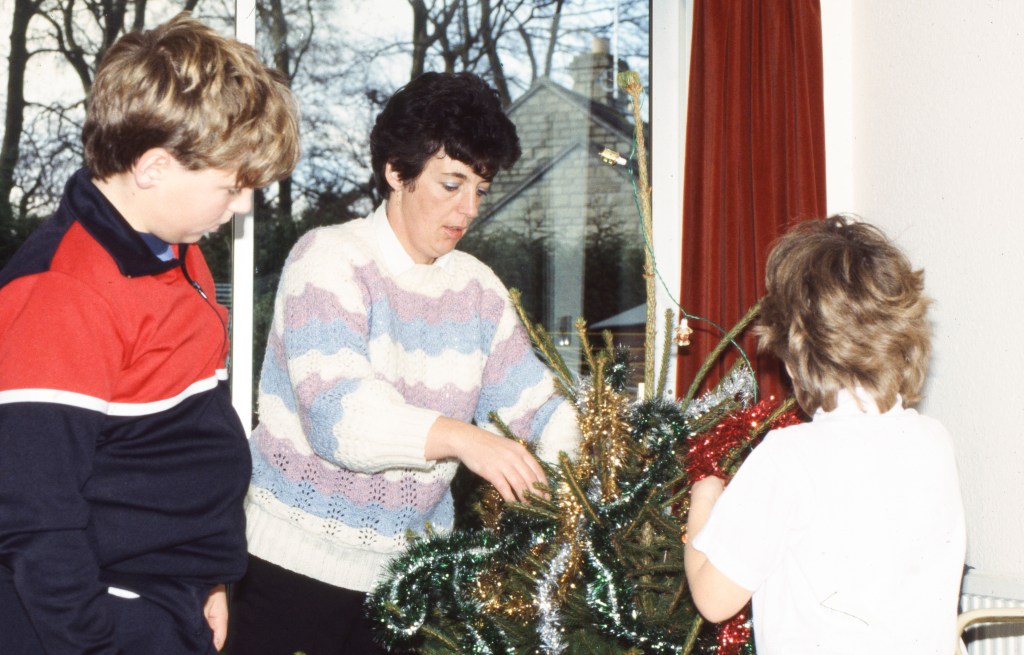
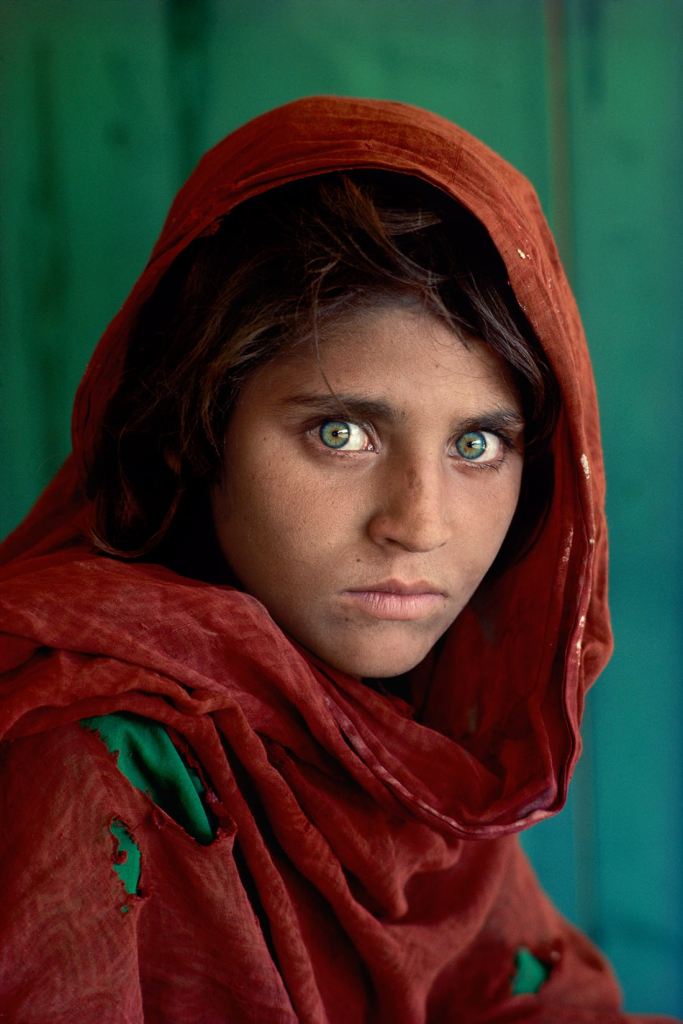
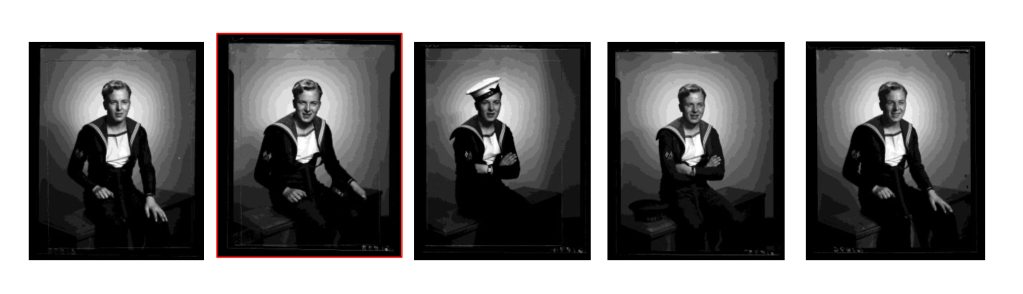
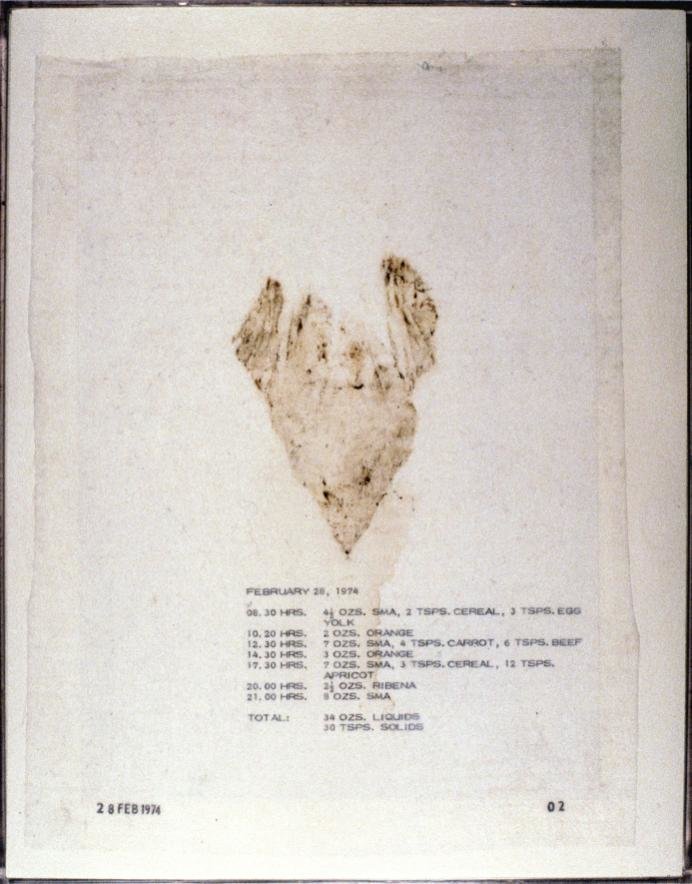

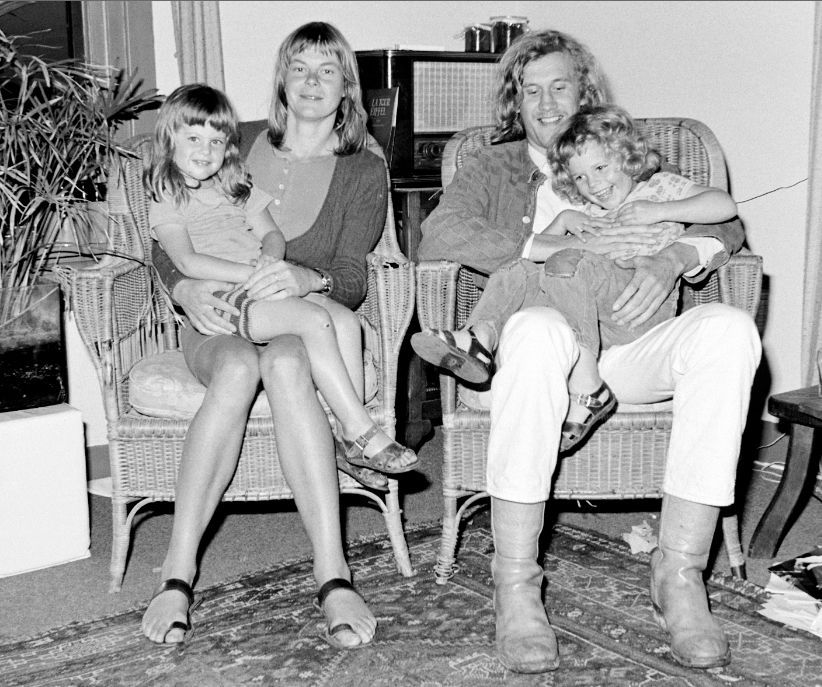
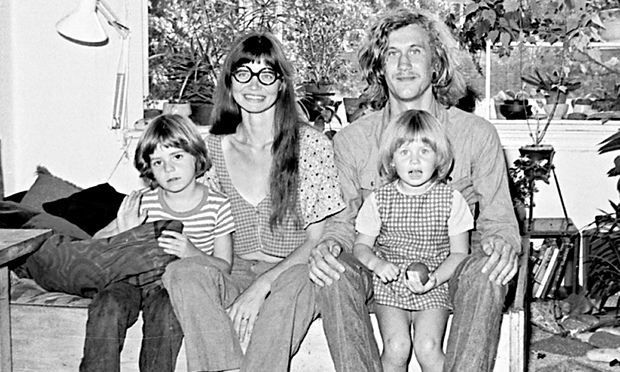
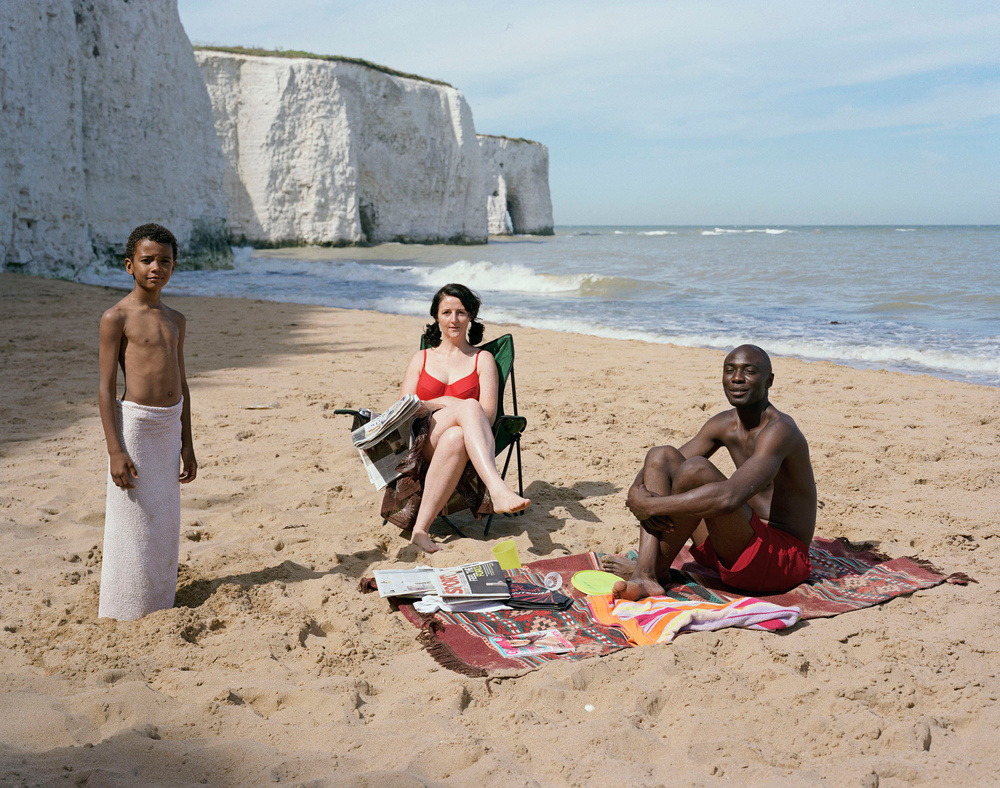
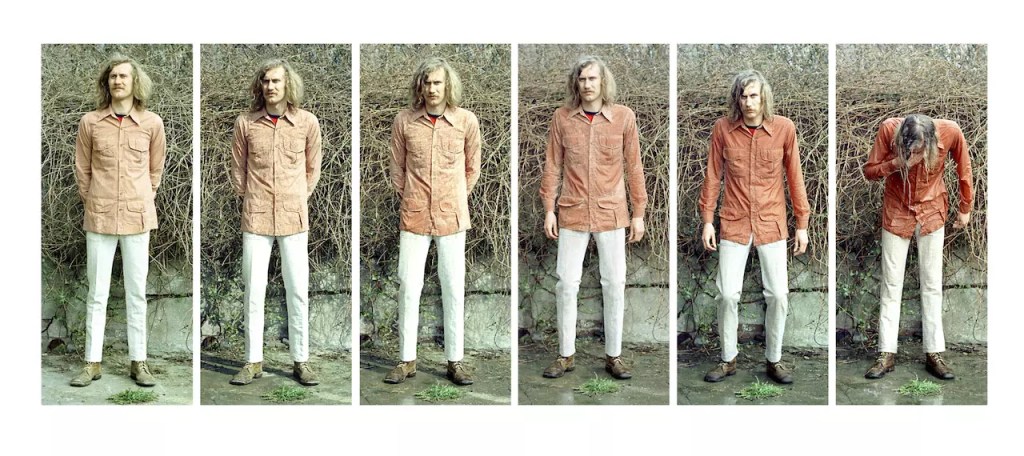
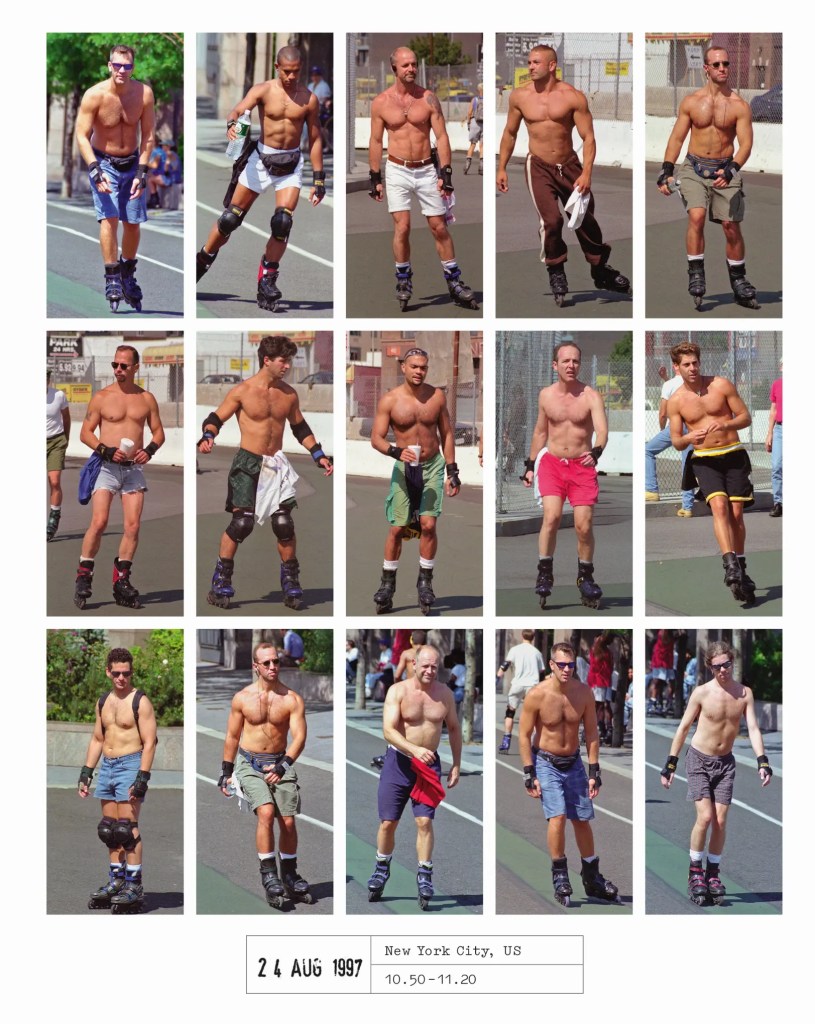

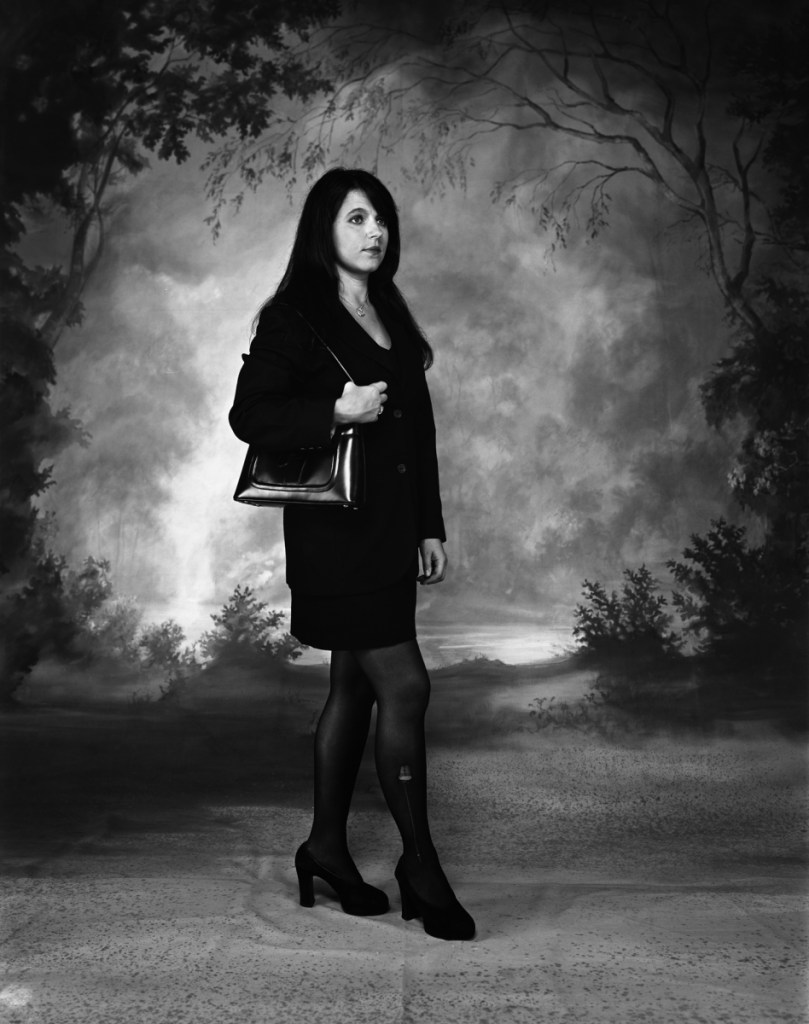
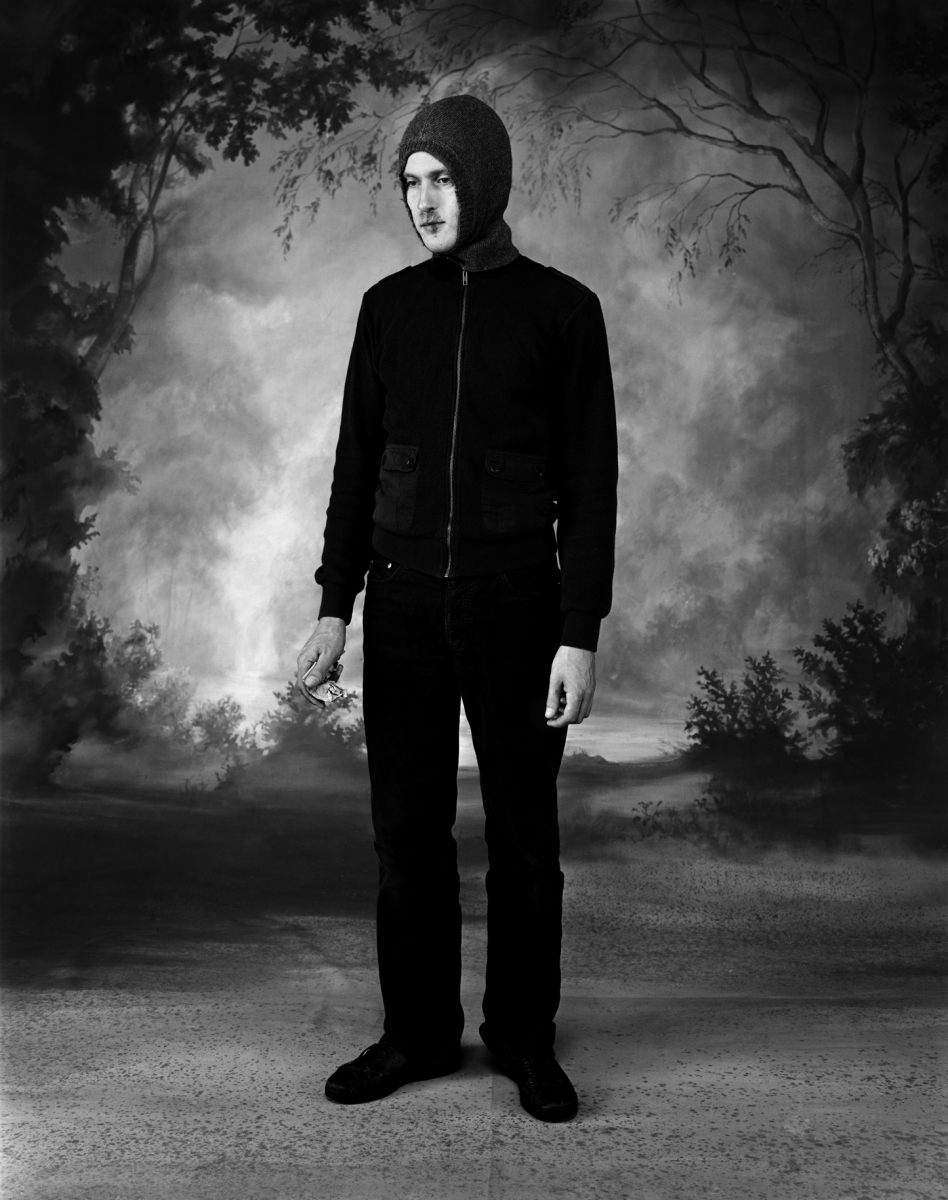
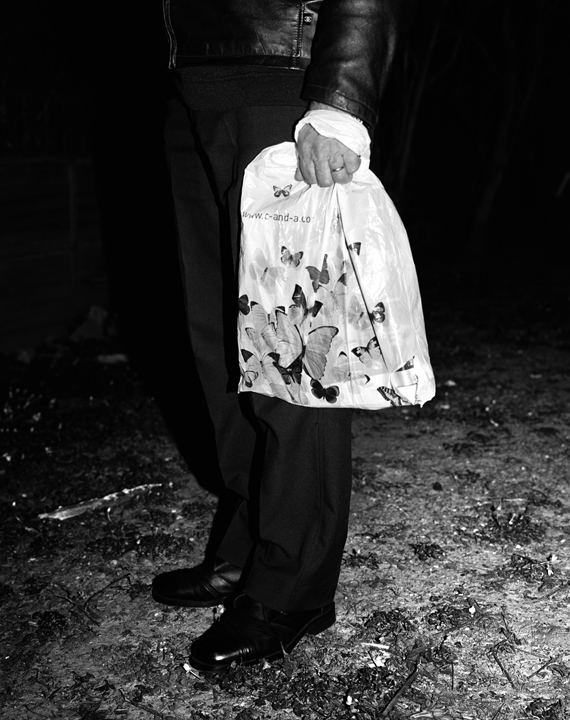
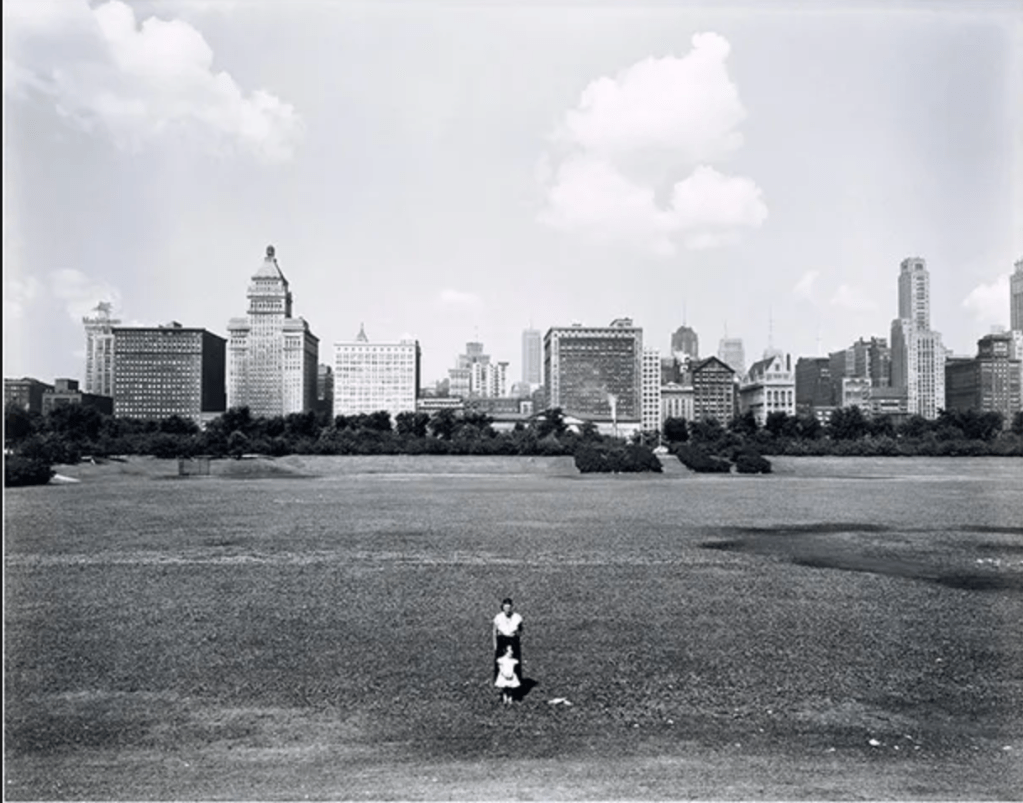

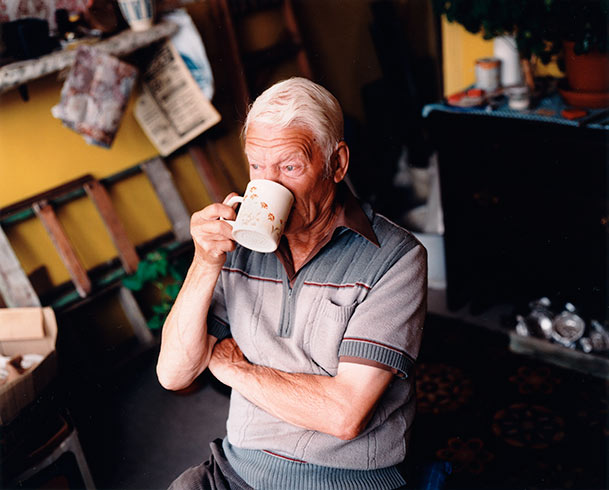
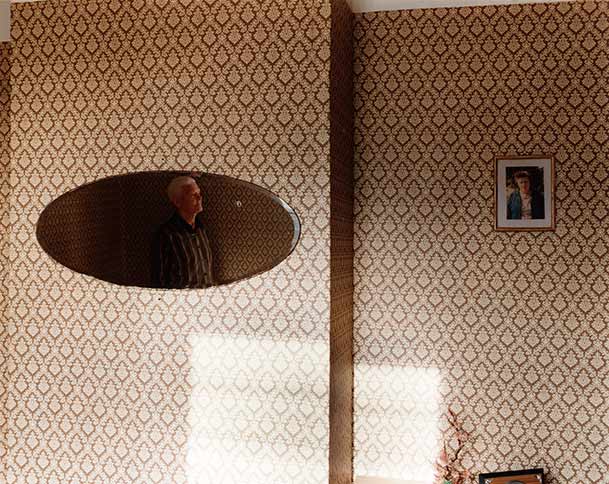
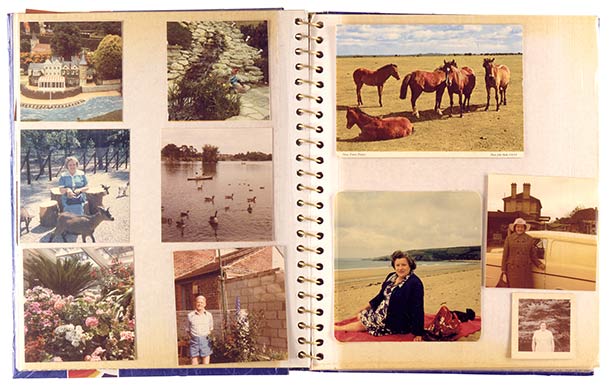
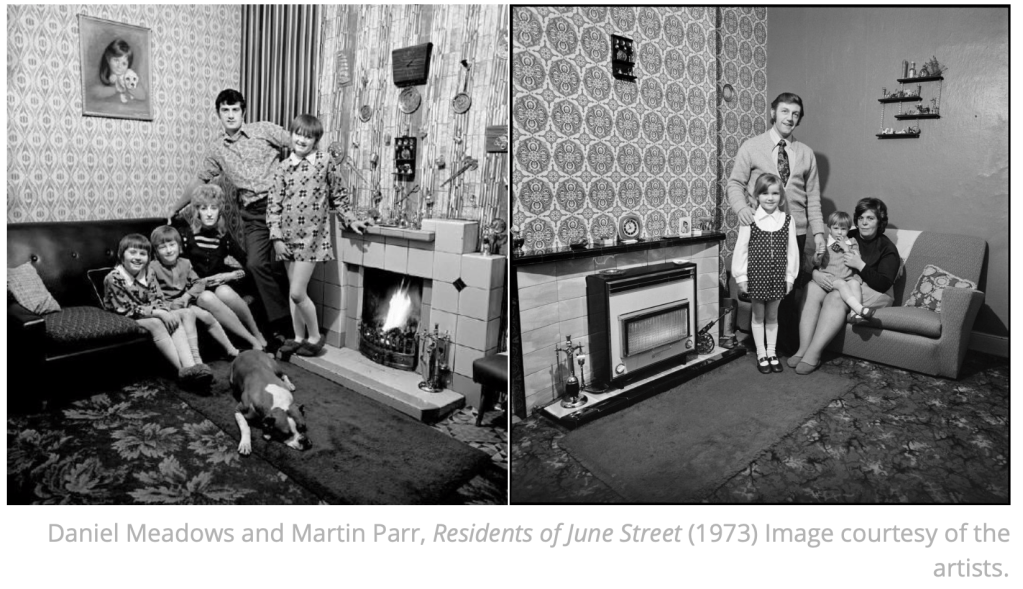
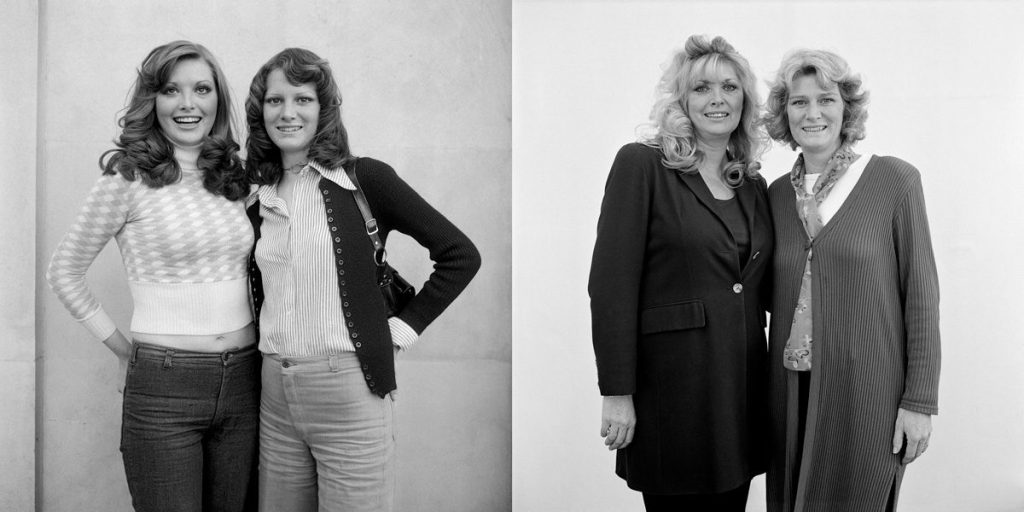
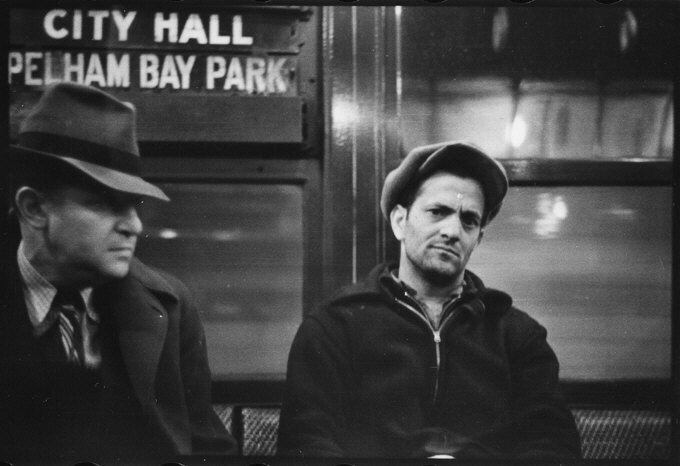
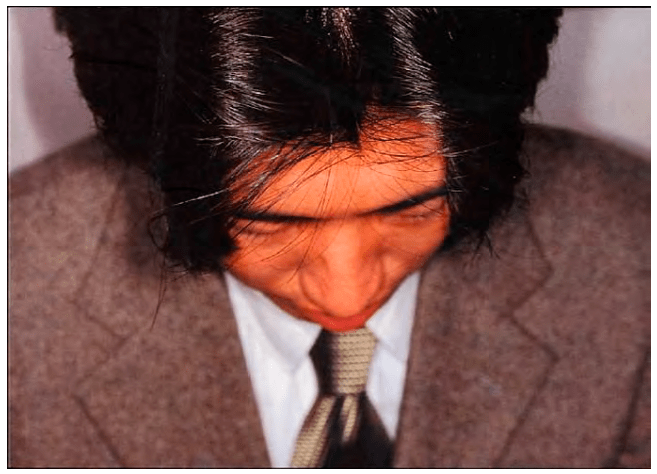


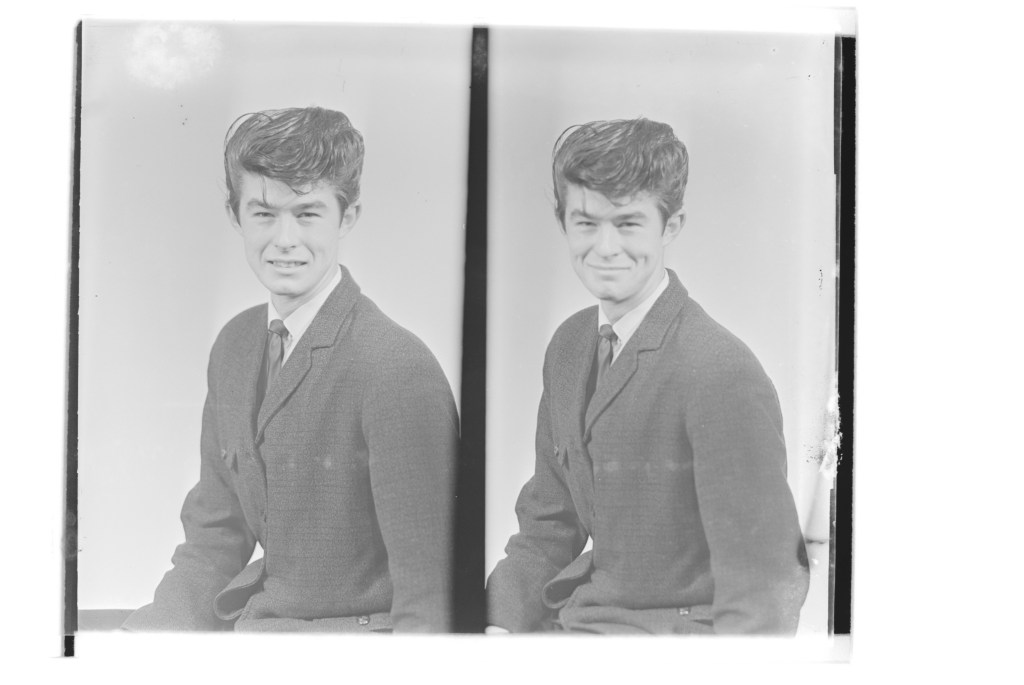
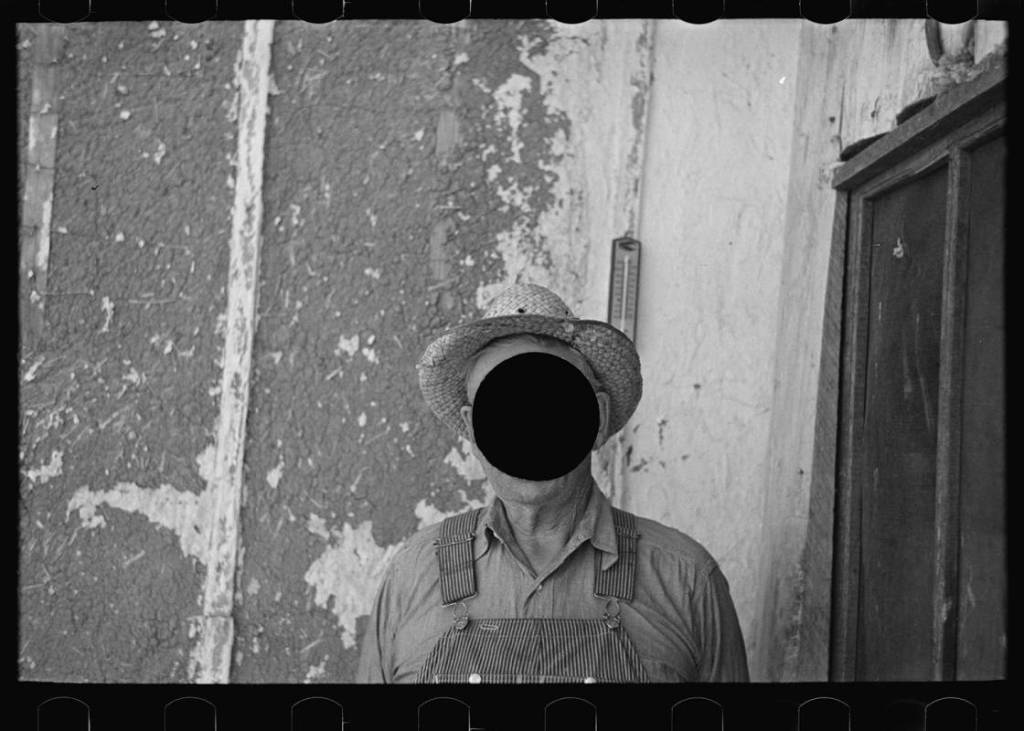
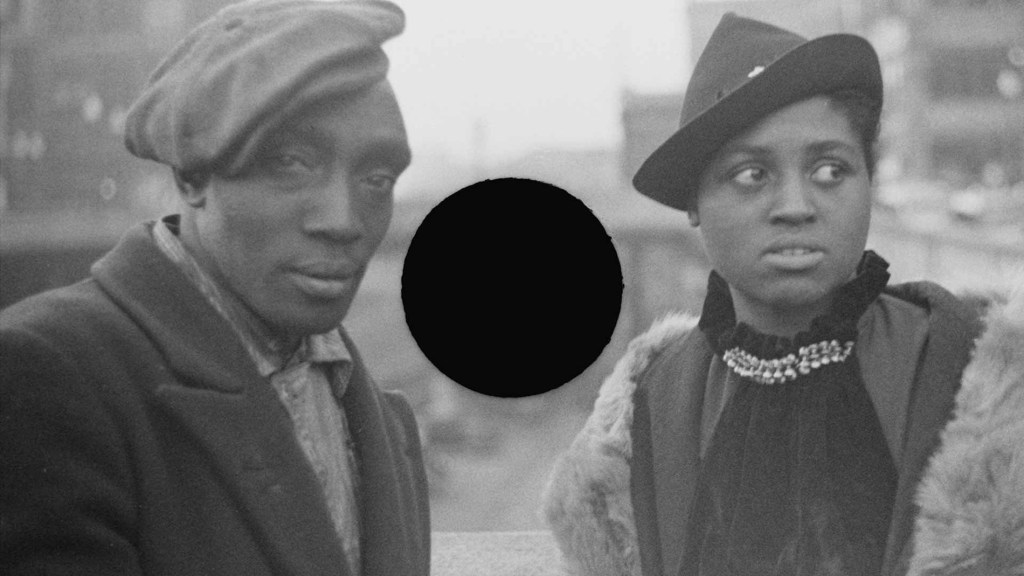

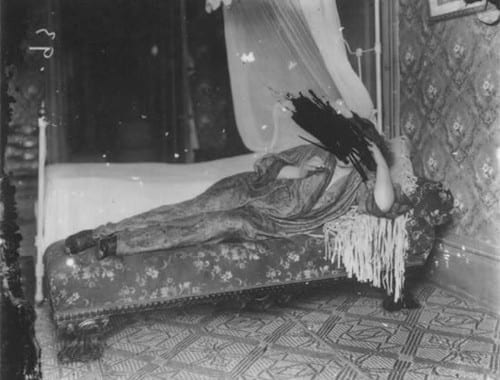
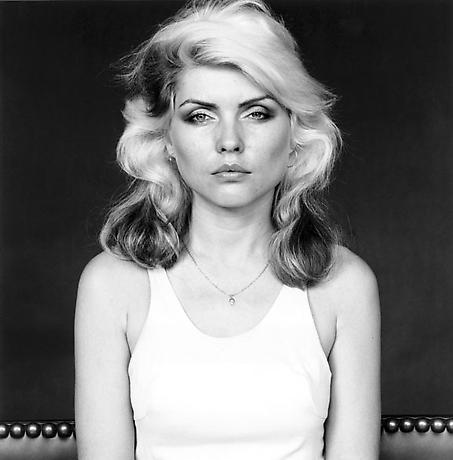
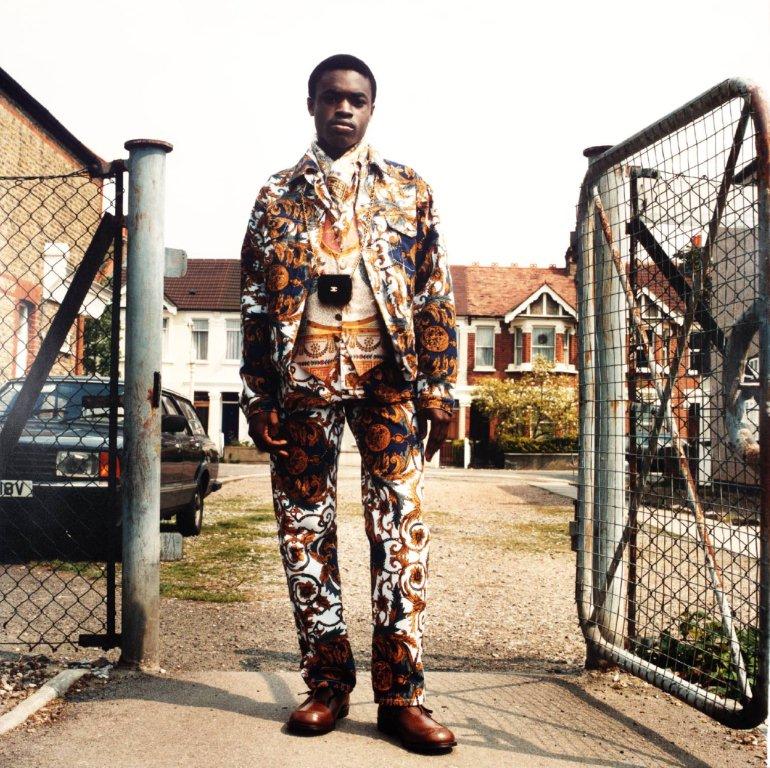
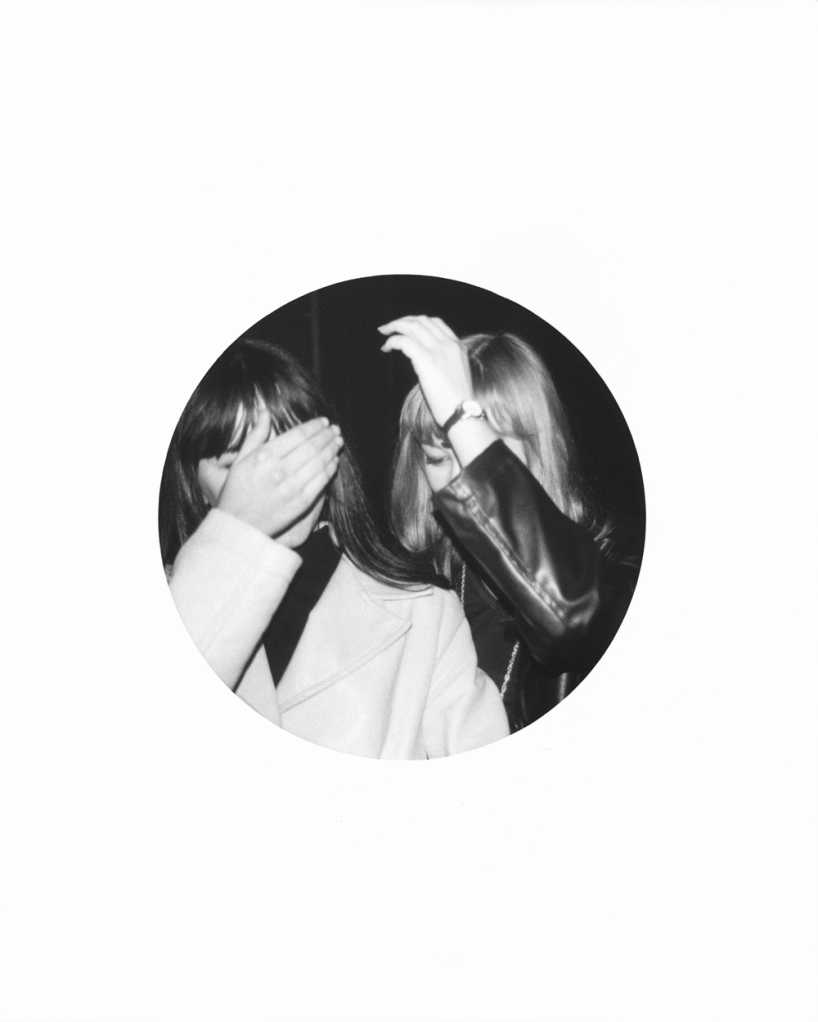
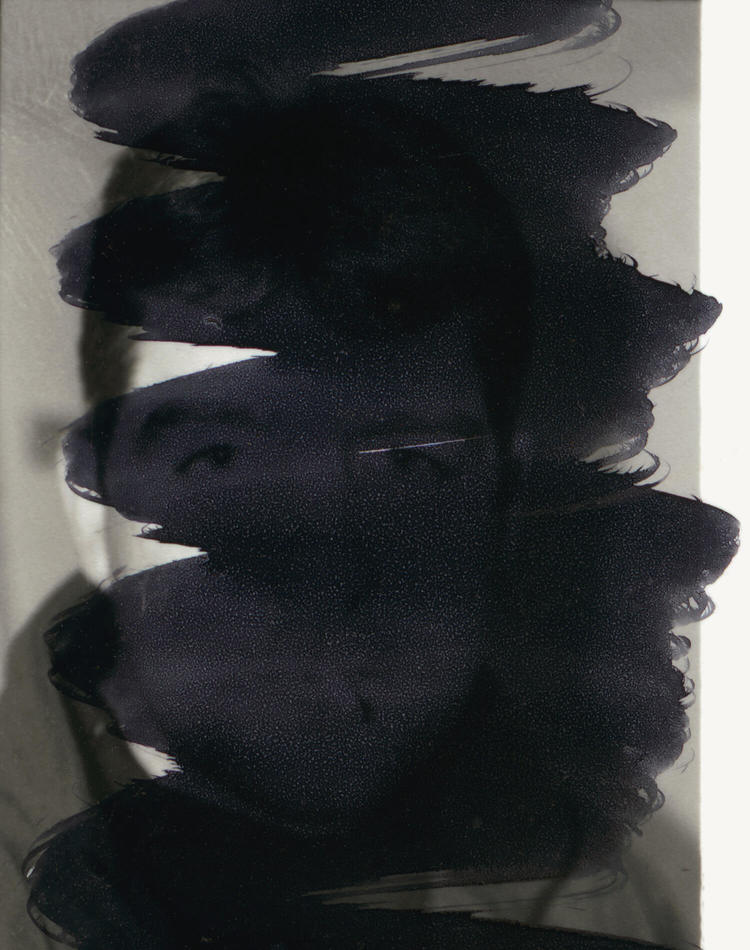
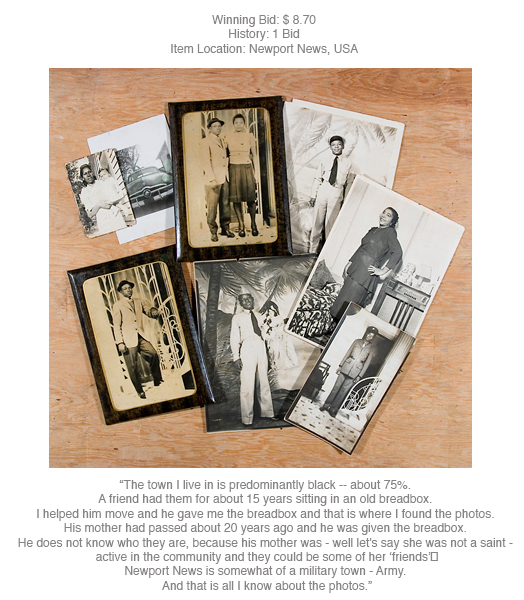
 Richard Fletcher OCA Photography Blog
