Reflecting on your experiences in photography so far, describe how you feel about your relationships with the people in your images. What kind of relationships do you have with them – if any at all? What responsibilities do you feel towards them? Have these articles prompted you to think differently?
Reflection
The first article discussed what the photographers owe in terms of a specific debt to their subjects, and introduced some cases that resonated with my own experiences. I’ve long been interested in the work of Philip-Lorca diCorcia, in particular his portraiture and advertising work, because of his use of the constructed tableau. His Hustlers series, which is discussed in the article, incorporates a fantastical scene in which a male prostitute is seen. In terms of representation, the scene conflicts with the title of each image, which is restricted to the model’s name, age, location and fee. diCorcia uses the fact that they were paid their usual fee for sex as payment for their image to anchor the pictures in a common aesthetic that is associated with sex work. Reflecting on previous learning in this degree, we know that accompanying text like a title can dramatically alter the meaning of a picture. In this case, a strong narrative thread is created for a series of images that could simply just be portraits of young men. Ethically, the payment made to the models also influences the way they react to the photographer, potentially responding more to direction because of the ‘contract’ between them. The NPPA, which I looked at in part 1, has declared the payment of subjects in photojournalism to be unethical, which is understandable in the pursuit of so-called ‘truth’. Perhaps diCorcia’s earlier career as a fashion photographer distinguishes his work in Hustlers from the traditional photojournalist. Whatever the reason, there is a thought that the subjects were essentially ‘for hire’ and that perhaps any characterisation of them within the circulation of the images is perhaps less damaging than their choice of profession. I don’t think this excuses any disrespectful representation of them, however, which arguably this series is from an ethical perspective. I’m facing a similar ethical question this summer with the photographing of Malvern Pride (discussed in Part 1), because this year I am being paid to do it. Does this make a difference? Previously, I volunteered to document the day as I saw it, which as a straight man was somewhat biased towards the significance of Malvern holding the ‘party’. The committee were very happy with the work, but with this year being the third event there is a pressure to reinforce the messages of equality. If I am being paid to shoot the event, ethically I need to carry out the assignment as the committee wants it, but as an artist my own interpretation of the meaning of the event is also important, since objectivity doesn’t really exist in photography. I am going to have to discuss the needs of the community and the organisers carefully in order to help me make the work. This relates to the experiences of Gillian Laub, whose Southern Rites series depicts the newly integrated school proms. Her work with the organiser of the ‘whites only’ prom was intended to be an honest representation of the individual’s role. She had expressed the desire for the series to not depict her as racist, which is how Laub approached the shots. However, when the images were viewed by the public, racism was a significant reaction, which caused the subject to suffer online abuse. Ethically, the artist had done their best to represent them respectfully, despite disagreeing with her views. In my case, I am part of the Malvern community, but not the LGBT+ community, so while I will do my best to respectfully represent the celebration and the campaign for equality (I wholeheartedly support their position), I am aware that, despite my efforts, there will be some sections of the public that are triggered by the series.
My conclusion from the first article isn’t really a surprise as Respect was one of my key ethical values in Project 1. Our responsibility to the subject and how they are represented comes down to a ‘best effort’. The focus on the first article is on collaboration, the relationships between the photographer and their subject, with some examples being directional (diCorcia and Laub) and some that depend much more on ideas from both parties (Dubois).
In the second article, we are introduced to an ethically unsound use of context. The image that LensCulture used to advertise their competition was taken out of the context of highlighting child sex trafficking, which was the artist’s original aim for the project. For me, the direct contrast between the intent and subsequent use causes two major issues. The first is that the public reaction to the advert, which is entirely justified, demonises both the image and the artist, without understanding the context of the work. The artist specifically asked LensCulture to not use that particular image, but instead to use another from the series. We can make the argument that he relinquished his ethical debt to the subject rather too easily, but also that he’d transferred it to the editorial at LensCulture. The article explains the artist’s position on his own work, citing the subject of the picture as having asked him to photograph her (a little hard to believe from a Western cultural perspective) and that this constituted ‘consent’. My takeaway from the article as that the subject may well be abhorrent and shocking as in this case, the artist’s attitude may come across as being arrogant or misguided, but from an ethical point of view, did he represent his subject faithfully and respectfully? I am definitely in the camp of be disturbed by the idea of documenting abuse of children, but have to accept that the artist is behaving loosely in line with my perspective of photographic ethics. It also reinforces the idea that ethics are defined personally and are not a set of rules that everyone works within. The best we can do is to understand why people have different reactions to the work. Art is defined as being a creative medium that invokes a response in the viewer and the kind of work definitely achieves this. For their part, LensCulture subverted the meaning of the image by using it for a commercial advertisement. I would say that they failed in their responsibilities in respect of the subject, the artist and its readership. In my own experience, I’ve had images stolen by others and repurposed for other uses without my permission or control. However, the difference has been that the thief has been the subject of the picture themselves. In this scenario, there is no harm to them and the situation is easily remedied by setting more rigid terms and conditions and pursuing transgressors.
Conclusion
These two articles were interesting in that they introduced the concept of ‘debt’ within the idea of ethics. There are different approaches to representation that involve directional or collaborative, but when a photograph is of a person, there is a responsibility that the photographer has to that subject. In some cases, this debt can be transferred, as in the example of editorial, but it must be discharged ethically (respectfully and with the intent to do no harm). In my own work, I’ve become acutely aware of these points. I’ve recently had a highly constructive discussion with a client, which resulted in my perspective on ethics influencing his thinking about the series that he’s after. What I mean here is not a manipulation of his requirement, rather providing new ideas for him to consider. I’m interested to see how this course continues to influence my approach.
Read “Chapter 1: Images, Power, and Politics” in Marita Sturken and Lisa Cartwright, Practices of Looking: An introduction to visual culture (3rd ed.) (2018) Oxford University Press, available on the unit Reading List.In your learning log, write a response to the chapter (300-400 words). How do you understand “truth” in your photographic practice? What relationship do your images have to truth? How does the learning from this project and Sturken and Cartwright’s chapter prompt you to think about your own practice or about work produced by others?
Response
In my work, “truth” is a concept that I have only recently begun to explore. Until the end of the unit Context and Narrative, I shot photographs to rigidly document what I saw before me, primarily as a way of remembering a moment. When I started to work more in constructed tableaux, that changed. I consciously started to reverse-engineer cultural references related to my life experience using Barthes/Saussure’s ideas of semiotics in visual language. Incorporating denotive elements that offered a variety of connotations allowed me to change formal reality to something more interpretive. This culminated in Modern Monsters in the previous unit.
In considering the reading chapter, I would say that my work points to relationships between people and circumstance, in a largely fabricated way. I relate to the work by O’Sullivan and Van der Born as they create something familiar and believable, but less so the power relationships of Alfridi et al and Orr, who present injustice directly to the viewer through iconic references. This chapter made me think about the act of observing and then connecting the elements of the composition with other meanings, as in the case of Frank’s Trolley and Lange’s Migrant Mother. I am interested to know to what extent the moment contributed to these photographs and how much was reflective after the fact. We know that both were taken during long documentary trips that yielded many similar situations, so how did the context of the rest of the shooting (that day, that week, that month) influence the production of a particular image to represent power (or lack thereof)? I concluded that this is probably what holds me back in photographing events unfolding before me, and drives me towards the more fabricated image.
In considering how the ideas of power, ideology, iconography and cultural representation will affect my own work, I believe the focus will be more about planning how to represent the subject before taking a single picture. As well as the central ethical questions about ‘should I?’, I’m going to explore what I want to say in more detail.
Spend some time comparing others’ lists with your own. What would you add to your own list that you see on someone else’s? Engage in a discussion with others about the choices you made when compiling your list using the forum thread.
Afterwards, reflect in your learning log about anything you may have learned from your peers. Revise your list of ethical principles if necessary, and explain any changes you make as a result of the group discussion.
My Ethical Principles
Respect for the subject. Not to be confuse with deference of having to like the subject. The person or persons, their story and the context in which I’m photographing needs to be done respectfully in terms o what I am trying to represent, without any actions by either side to bend the ‘truth’
No Harm. To do enough work to understand the potential impacts of my work in the future, whether I am comfortable that my intention remains the same and how, if at all, I can control it.
Honesty. Being open and upfront in my communications with the subjects and also the ‘users’ of the work.
Understanding the wider context. Simply the act of doing the due diligence to identify and potentially correct any ethical concerns I might uncover before creating the work.
Collaboration. Not being the expert on a subject. Where there are unfamiliar aspects to a person’s story, work with them to balance my own perspectives.
Note that these are my ethical values based on previous experiences, and that they will undoubtedly change as the course progresses.
Reflection on the Forum Posts
It’s clear from reading the other student’s lists of ethical values, that there is much natural common ground. We all see respect and doing no harm as being core to our photographic practice, with additional ideas such as justice, health and beneficence being highlighted. In reflecting on the areas where we differ, I conclude that I have similar ideas, but articulate them differently. For example, informed consent in my value is a combination of collaboration and honesty in communication. I currently struggle to make a case for consent where it assumed, rather than specifically gained, as demonstrated on my Morocco trip in 2015. During that visit, I took a picture of a homeless lady, who gave me her consent to do so because I had just given her the spare change in my pocket. Having learned the cultural sensitivities by then, I would not have assumed consent because she was sitting in a public place (the difference In Moroccan law notwithstanding). Was the consent informed though? I don’t believe so, because we didn’t discuss why I wanted to shoot her, nor did we consider together what the image would subsequently be used for. There were good reasons for this though, the principal one being that we didn’t speak each other’s languages. My view on that photograph (below) now, is that I am uncomfortable about the transactional nature of it, my perspective as a tourist in making an image of a homeless person despite my best intentions not to exploit her situation, and the lack of understanding between photographer and subject. Portraits of this kind are, or course, very intimate which means that my ethical values as I now seem them, need to be considered more carefully.
Homeless woman of Marrakech, shot in 2015
There is discussion in the forum about ethics being somehow ‘bent’ in the face of a split-second moment as in the Napalm Girl image. My personal view on this is that rather than bending ones own ethics, there is comfort in operating within those of another. In the case or Nick Ut’s image, the situation was within the constructs of photojournalism, as he was in Vietnam to document the conflict. His pictures would be governed by his own vision and perspectives on the way, so I agree that his own personal ethics would be the guiding force. However, the incident that led to Napalm Girl was a split-second decision, after which Ut behaved in a very human way, saving Phuc’s life and forming a lifelong bond with her. His actions in shooting the picture first are not, in my view, momentarily compromising his values but working within those set by his employers. This is where I see issues with having ethics. As the learning to date makes it clear that ethics are personal to the photographer, we will all differ from each other. This difference is magnified when an editorial is involved. Ut selected Napalm girl as the most powerful image, but he effectively lost all control over how it would then be used by the press, the public and the politicians. Whatever his original intentions, they would have been diluted through the editing and publishing stages. It reminds me of Eddie Adams equally famous image of the execution of Nguyễn Văn Lém in 1968, which was one of many documentary images that he took of the arrest of the Viet Cong soldiers.
Eddie Adams’ famous execution image, 1968 (Nguyễn Ngọc Loan, 2023)
Like Napalm Girl, this image won the Pulitzer Prize for the photographer and went on to fuel anti-war sentiment in the United States. It differed in that when published, the revulsion at the act depicted was focused on the man who pulled the trigger. The idea of doing no harm, that may well have been a personal value of Adams, was lost through the editorial. The press ethics really centre around the faithful representation (as much as it can be) of an event, without exploitation, interference or undue influence. To that extent, the picture met the press standards, but not necessarily that of Adams.
This picture really messed up his life. He never blamed me. He told me if I hadn’t taken the picture, someone else would have, but I’ve felt bad for him and his family for a long time. I had kept in contact with him; the last time we spoke was about six months ago, when he was very ill. I sent flowers when I heard that he had died and wrote, “I’m sorry. There are tears in my eyes.”
(Adams, 1998)
In conclusion, our ethics as people are usually enough govern how we approach our own work. In that regard, my fellow students and I clearly believe the same ethical values, with language being the main separator. Our ethics can be challenged by others when we no longer have control over our image. In these cases, our best intentions are the best we can aim for.
What ethical principles guide your work as a photographer?
Do some independent research and self-reflection to generate a list of ethical principles that are important to you in your work as a photographer.
Define each principle in relation to how it relates to your practice. You might want to include some examples to illustrate the principle. Complete this exercise in your learning log, we recommend you define 4-6 principles that feel authentic to your work. Reference where you drew any of the guidelines from.
Response
Research led me to consider the concepts laid out by the National Association of Press Photographers and the Photography Ethics Center, when applied to a number of practitioners, some whose work I admire and others that I do not. The research for this exercise can be seen here:
In considering my own ethics, I conclude that these are my ethical principles:
Respect as much of the facts as possible
This first principle is a tricky one to define, because the concept of fact and truth are themselves complex. What I mean here is that whatever the situation or story, I see to understand as much of it objectively before deciding on how to represent it. An example would be my experience in Marrakech [1], where I knew so little about the culture, I could only offer my perspective as a tourist.
Avoiding causing direct harm or distress
In looking at Bruce Gilden and his attitude towards his subjects, I realise that I’m not a street photographer. He and Cohen (the other photographer in the Padlet) place themselves directly in confrontation with their subjects. While it’s legal to photograph people in public places in the US and UK, the way that some photographers obstruct their subjects makes me uncomfortable. In Cohen’s case, there is occasional collaboration between subject and photographer, but Gilden appears much more aggressive. All of the street work I’ve done in the past has been from a distance, using a mid-zoom lens. I think it’s that discomfort that makes me work in this way.
Be interested in the wider context
Listening to Sally Mann talk about her projects that involve her family, it’s clear that any doubts she has are eased by considering the wider implications of her work. In particular, photographing her husband, who is very ill, she relies on his bravery in telling his story to counteract the pain of photographing her loved one.
Be open and honest
I think my biggest learning to date in this regard, came from Identity and Place, where we had to photograph people we hadn’t met before [2]. When I started the assignment, I was looking for some kind of segue way into a conversation to convince them to let me shoot them. What actually happened is that I simply talked to them about the course, my objective, where the pictures would be shared and what I would be using them for. This was a much better strategy in terms of building trust between photographer and subject and resulted in pictures I was happy with. I still see most of my subjects from time to time and we still chat, even though the pictures were taken nearly 2 years ago. Honesty helps people understand what their image or representation is going to be used for and offers them a way of challenging or rejecting anything that conflicts with their own values.
Collaborate
The idea of collaborating for me covers many things, including an amalgamation of ideas, representation that is respectful or challenging in a given context, and consent. The Photography Ethics Center uses the example of photographing children as a case for collaboration. A child isn’t developed enough to be able to understand how they are being represented. By collaborating with their parent or guardian organisation who knows them, we can reach an agreement that will avoid issues of safety, long-term harm and influence that might effect their development. This is not a straight-forward transaction, as demonstrated by the case of Spencer Elden who was photographed for the famous Nirvana album cover when he was a baby. Collaboration took place between the artist and his parents, but many years later Elden had a problem with the image. There are wider issues raised than a matter of ethics, with Elden being accused of indulging in the fame of the picture until that fame had diminished. Ultimately, his civil case regarding harm done to him was dismissed by the court. Where children are concerned, Collaboration in the form of open and honest discussion and consent to take a picture are key to avoiding any harm being done.
Conclusion
When I reflect on these principles, I see that they are closely interlinked and that they align with how I try to behave in other aspects of my life. The key learning point is that the camera doesn’t give us, as photographers, an excuse to alter our behaviour towards other people because it somehow anonymises what we are trying to represent. In the case of Napalm Girl, the photographer was employed to document the war visually, so when the attack on the villagers happened, his first thought was to shoot, what he saw. His instinct as a human being was to help the children, in particular Kim Phuc, who was in the most danger. He is credited with saving her life, which in my view balanced the decision to shoot first, help second. What Ut could not have been fully aware of, nor could he control, was the way the image was used for the next 50 years. He probably wasn’t aware what damage he would cause Phuc psychologically during her formative years, through the embarrassment of her nudity and vulnerability. In their case, a strong relationship formed after the fact, which would have provided both with insight into the impact of the decision to shoot and the impact it would have for both of them. When we look at the NAPP ethical values as an organisation, we can see that Ut did behave in an ethical manner. That may not have been how the world saw it when the image was published, but I don’t see how a conflict photojournalist could predict that in the decisive moment that presents itself. I was interested in the evolution of the Ethics Center and the concepts that were at odds with the historical video of Bruce Gilden. Gilden proclaimed that he had not ethics and that photojournalism was all ego, something he later retracted as being sarcasm. I personally think his comments at the time were the accepted norm and that history has rewritten the norms. If we consider how his approach to work would be received today, in an era where everyone has a cameraphone and everyone is being photographed largely without their consent, it stands to reason that modern ethics has had to remind photographers what their responsibilities are to their subjects and stories. For me, the experience of street photography is governed by my own ethics to the extent where I avoid it as a genre. This isn’t a positive situation either, as an artist shouldn’t be self-governing to the extent that they don’t produce work. I’ve self-edited to my detriment in this course previously [2], and having conducted some preliminary research into ethical practice, I would approach the shoot differently. My particular issue centred around not wanting to publish images that might cause my subjects issues (causing harm), but could have been offset by clearer communication (open and honest), which might have steered the work differently, but prevented my wanting to keep it from being viewed.
In summary, I am interested to see how my ethics change, if at all, as I progress through this module. What I’ve learned so far has made me think about my approach to work in a different way, so it will be interesting to see how that affects my future work.
How do you currently understand photography ethics? Reflecting on Chrystal’s quote about ‘digging into your discomfort’, can you identify any areas in your experience as a photographer where you felt unsure or unclear about what you were doing in your photographic role? How might you revisit that time now, what might you do differently? Post your thoughts to your learning log. You might also like to share your reflection on the Ethics and Representation Forum.
My Understanding of Photography Ethics
Cambridge Dictionary definition of Ethics:
“the study of what is morally right and what is not:”
(ethics, 2023)[1]
Simply put, ethics is a determination of whether something is appropriate to a level of moral standard, or contravenes that standard in some way. As human beings, our standards of morality vary between people, are shaped by culture and experience, and define an internal barometer for our behaviour. When applied to photography and photographers, the ethical considerations apply to the decision to make work that represents people or events that impact their lives. How a subject is represented is a hugely complex space, which covers everything from ethnicity and sexuality, to behaviour and personal circumstance. In the interview with Chrystal Ding[2], I recognised the discomfort that she talks about in some of my own work where I’ve photographed people in a certain context. The first example was a trip that I went on in 2015 to Morocco. I’d already been told how its people didn’t like to be photographed, because in the Muslim religion, the creation of a person’s image is said to be taking part of their soul. At the time, my view was that it was an organised photographic trip, so that in some way entitled me to take photographs while on excursion. Like any tourist, I was 100% observer, having no experience, connection or relationship with my potential subjects. What happened was that we, as a group, encountered a great deal of hostility because we were photographing when consent was clearly not given. I recall the first evening’s call to prayer in Marrakesh, when an elderly man got his mat out in the street, knelt on it, then looked up at me with extreme anger in his eyes. I had my camera around my neck, but was not holding it in a way that suggested I was about to photograph him. He gave me the middle finger and shouted to me to “fuck off”, which was possibly the only English words he knew. Clearly, his assumption was that I would not respect his sacred moment of prayer, perhaps driven by the behaviour of other tourists in the city, and that his gesture would somehow put me off taking a picture of him. The irony is that the middle finger would have produced an image that reflected the mood perfectly. If I had shot and disseminated such a photograph, I would have further conveyed the stereotype that the people of Morocco don’t like tourists, particularly photographers. In actual fact, there were a few instances where a brief conversation with the subject, and a monetary transaction, secured an image. What I take from this now, with the benefit of Ding’s interview, was my lack of preparation or research into how to represent my trip in a culturally respectful manner. Even though I’d acted appropriately at the time, it was likely driven by fear for my safety than the moral judgement that it wasn’t appropriate to photograph him. I would not repeat this experience as I didn’t really connect with the country or the city. However if presented with photographing the people of another country, I would certainly carry out more research into its people, how they want to be viewed (if at all) and which part of their culture or daily lives I would want to represent. Only then could I make the decisions need in preparation for shooting the work.
The second example plays more to Ding’s comments about observer vs. participant, which is also highlighted in the interview with Savannah Dodd [3]. Last year, I was engaged to photograph the Malvern Pride event by a friend of mine who was on the committee. I was happy to volunteer to do this as I had wanted to engage with more local civic activities after living in Malvern for over 20 years. The brief was simple: to document the day in its entirety. Although apparently simple, there were many aspects I needed to consider before shooting. Firstly the idea of approaching people to ask for a picture (consent) and to capture the ‘unaware’ documentary images of the event itself. Most of the people I talked to on the day were happy to be photographed but some were not. Our conversations were generally around whether or not they were having a good time, whether they enjoyed the acts etc. However, on a couple of occasions, I was confronted with “oh, I’m not gay…why would you want to photograph me?” At the time, I diffused their discomfort by point out that I wasn’t gay either, but on reflection I believe their discomfort was related to somehow being fraudulently represented in an event that they were simply attending because it was in a public park. My pithy reaction was a way of assuaging my own discomfort at being a straight man photographing an LGBT event. Aside from this, the other ethical concern that I now have when reflecting on the event was “am I representing the event appropriately?” I had been told by the organisers that this was a party, a celebration of the LGBT community that was new for our little Victorian town. However, the local council had rejected the committee’s request for a march through the town, which is actually the core purpose of pride. The marches show the world that the community is proud of who they are and is, by definition, a protest against prejudice and discrimination aimed at their community. Without the marching, the mood of the event was indeed a party, but my responsibility as a photographer should have been to represent the whole purpose of the event, rather than the convenient part, which positively demonstrated the LGBT community as being inclusive in the context of the Malvern residents. There was one image from the event that I feel represented the protest context of Pride, shown below:
From Malvern Pride 2022, but Richard Fletcher
In this image, a speaker is reading out her protest poetry about the treatment of young trans people by the elements of society that don’t recognise their gender. This image is the only one in the series of 90 images where the subject isn’t smiling or enjoying themselves. I took the picture because I suddenly became aware of the need to photograph the counter-aesthetic, but on reflection I should have made that part of my practice on the day.
Conclusion
In conclusion, what photographic ethics means to me is the application of a continually evolving set of questions about the subject and my relationship with it. Do I have the right in some related context, to photograph this situation, and if I do then how does that affect my judgement in representing it? The strength of that relationship defines how uncomfortable I am in taking photographs. Rather than finding a connection that justifies the work, I have a need to establish it before that discomfort abates. I agree with Chrystal Ding’s comments about digging into what makes us uncomfortable as this is the sub-conscious ethical standards we all have that are speaking to us. I’m not sure that I would go to the lengths of prior research that she does before photographing, though. This may be because I recognise an impatience in myself that would prevent me from focusing on a single objective for that long without some form of visual experimentation taking place. However, she and Savannah both make the point that considering ethics is a dynamic activity that evolves with our continued development as photographers. The point that we will always have gaps in our knowledge or research, that we will still make decisions we may eventually regret, and should embrace them, really resonated with me.
Your first assignment is to make five portraits of five different people from your local area who were previously unknown to you.
You will almost certainly find it challenging to take photographs of people you don’t know; it’s often much easier to photograph somebody you’re already familiar with.This could be referred to as the ‘comfort zone’ – and for the purposes of this assignment you will be specifically required to leave it!
Leaving technical photographic considerations aside, there are a whole range of issues to deal with in making a portrait of somebody you don’t know. This additional skill set should arguably be in every photographer’s kitbag, regardless of what genre of photography they end up working in. The ability to concentrate on technical and aesthetic considerations whilst engaging with a complete stranger brings a plethora of difficulties. Added to the fact that most people aren’t that comfortable with having their photograph taken anyway, then you can see why this could become a minefield!
Just as you learn the techniques behind how your photographic equipment works, there are techniques you can learn about how to photograph people you’ve never met before. Many historical and contemporary portrait photographers have written about this and one piece of advice stands out:
Tip
If it is at all possible, spend time with your subject, getting to know them and triggering a dialogue with them, prior to even showing them your camera.
“A portrait by photography needs more collaboration between the sitter and the artist than a painted portrait. To make satisfactory portraits of persons it is necessary for me to like them, to admire them, or at least to be interested in them. It is rather curious and difficult to explain exactly, but if I dislike my subject it is sure to come out in the resulting portrait. The camera is all recording and very sensitive to the slightest graduation of expression of the personality before it. Also the impression that I make on my sitter is as important as the effect he has on me. I make friends quickly and am interested in the mental alertness of the people I meet. You can know an artist or an author, to a certain extent, from his pictures or books before you meet him in the flesh, and I always try to acquire as much of this previous information as possible before venturing in the quest of great ones.”
Alvin Langdon Coburn
Who you photograph is entirely your choice but don’t give in to the temptation to photograph people you know!
Approaching strangers can be daunting at the best of times, let alone with a camera in your hands. But it doesn’t have to be. If you are really terrified, consider asking a friend or relative to be your assistant.
You may want to explore the idea of types, thus sticking to a theme. Or the sitters could be very disparate, linked only by the fact that they come from your local area. Give consideration to this and also how and where you photograph your sitters. Bearing in mind the strategies and techniques discussed in Part One, keep your set of images consistent and choose a technique that complements your conceptual approach. For example, do you want a series of location-based portraits? Do you want the portraits to be situated inside? If so, drawing on your experience in Exercise 2, how will you select your backgrounds in order to give context?
Reflection
Before you send your work to your tutor, check it against the assessment criteria listed in the introduction to this course guide and make sure it meets all the criteria. Make your evaluation available to your tutor.
Your tutor may take a while to get back to you. Carry on with the course while you are waiting, but please don’t attempt the next assignment until you’ve received your tutor’s feedback on this one.
Reworking your assignment
Following feedback from your tutor, you may wish to rework some of your assignment, especially if you plan to submit your work for formal assessment. If you do this, make sure you reflect on what you’ve done, and why, in your learning log.
Introduction
I first read the brief for this assignment when I enrolled on the course and was looking through the material for Part 1. My initial reaction, like those of many students I would suspect, was complete terror. As the brief suggests, this idea of approaching a complete stranger for their portrait feels unnatural. In my case however, I have done this before, most notably when on holiday in Canada in 2016 [1]. On the vineyard tour, I elected to photograph the people involved rather than simply documenting the surroundings because one field of vines is very much like another. I continued this theme when I visited California in 2019, photographing the people involved in making and selling wine during each visit.
Dave and John of the Homewood Winery, California (2019)
The first issue I wanted to explore with his assignment was why did I feel that terror if I had already done something similar in the past? The first consideration was that although unknown to me, my subjects and I were introduced to each other in a transactional way. I had paid for a tour of the vineyards and they were providing a service to me. The step from engaging on the tour and asking specifically for a portrait of them was not as great as it would have been with no connection at all. Coupled with this transaction was the fact that by profession, they were used to engaging with the public and therefore most likely more comfortable with having their picture taken. I certainly remember their reactions being more ‘surprise at being asked’ than any awkwardness over the act itself. In the case of the photograph above, both men were not comfortable with being photographed initially, but by talking to them about their passion for their boutique winery they lightened up for the shot itself.
The next consideration with regard to my discomfort was related to starting conversations that turn into an opportunity to take a portrait. Since leaving my job in engineering in January, I have walked to my local park to shoot photographs of the wildlife as part of my daily morning exercise. While shooting, I am regularly approached by other visitors to the park who are curious as to what I am doing. We usually have a brief chat about the animals that I’ve seen and how they behave and then go our separate ways. If I could chat to complete strangers in this context, why was I worried about approaching on this subject? I wondered whether that kind of conversation might be the way to introduce the idea of asking for a portrait. I tested this theory with one of the people that I regularly see in the park one morning. We had been talking about the elusive kingfisher that had been spotted at the lake. After about 5 minutes, I steered the conversation around to my redundancy and photographic studies. She was really interested in what I was doing and my plans for the future, but when I brought up the subject of the assignment, her reaction was “Oh, I wouldn’t let you take my picture”. After some exploring of the reasons why, she pointed to lockdown and how it had affected her appearance. I didn’t push this conversation further, but what understood Coburn was referring to in the quotation in the brief. The camera or the idea of it being used can affect the mood of the engagement, however brief. If the effect is received positively, the relationship is built between photographer and subject and the expression should be more natural in the portrait. However if there is some tension or awkwardness between photographer and subject, the resulting image will include that to some degree. With strangers, the amount of ‘stage management’ of the portrait is significantly lower than if the subject is paid to sit or has commissioned the picture. When we looked at traditional portraiture in Part 1, this context determines how much influence both photographer and subject have over the resulting portrait, set against the other elements in the frame. For this series, there is no real choice but to build some form of relationship with the subject before thinking of how to photograph them in a meaningful way.
My Theme
The COVID-19 pandemic has made meeting people more difficult that normal. Not only have the opportunities varied through multiple lockdowns, even when allowed out people are wary of getting too close to each other. The adoption of face coverings to protect from infection have added to the difficulties in getting people talking to each other, which presented challenges with how I approached this assignment. I decided to stick with where I had encountered the most people in the past year, the park in my home town. The central theme would be the people who visit and their stories about why they visit.
Approach
I used my Nikon D4 DSLR with an 85mm f/1.4 prime lens for all of the shots. This focal length is widely regarded as ideal for portraiture owing to the depth of field and subsequent ability to isolate the subject from the background. I shot each portrait at f/8 which is the sharpness sweet spot for the lens while maintaining subject separation through relatively shallow depth of focus. At this aperture, the subjects were isolated from the background but there was sufficient ‘sharpness’ behind them to provide context.
The downside of this combination of camera and lens is the physical size, which meant that I really needed to follow the advice in the brief about not introducing it too quickly to the conversation with my subjects. I composed the photographs to allow for a 8×10 crop, which for me gives a traditional feel to the shots; this format was popular in early portraiture with the development of 4×5 and 8×10 film cameras. The only other adjustments to the images were contrast, some highlight ‘dodging’ where the lighting conditions were harsh and tweaks to the white balance.
When it came to approaching subjects, I started a conversation with them about something that we might have both observed, such as wildlife behaviour, a rapid change in the weather etc. I would then steer them around to why they come to the park and make mental notes that I wrote up after the conversation. The only other information that I asked for was their first name. I then shot a number of portraits from different angles and distances, letting the subject relax into whatever expression they wanted to give me. I was inspired to do this by the Double Take work [2] where the photographer shot two portraits on one glass plate that resulted in subtle changes to the subject’s pose or expression as they relaxed into it.
The Series – People of the Park
The Photographs
Janet
“I tend to come out on my own now as my husband can’t walk at my pace anymore”
Janet walks through the park on her morning walk. She enjoys the fresh air and exercise that she often has to get for herself as her husband suffers ill-health. She is looking forward to group exercise starting up again for the social interaction.
I met Janet when she had stopped to look at a tribute to Sarah Everard, who was murdered on her way home in London recently. I was immediately struck by the poignancy of the situation (the park was pretty much deserted) and nearly didn’t approach her for a portrait because of it. However, she was very chatty with a great sense of humour. She referring to considering herself fortunate to have worn a hat as she couldn’t yet visit the hairdresser. When she told me her story, particularly the part about her husband’s health, she did so without being melancholy but with a sense of needing to grab opportunities to take care of her own wellbeing whenever she could.
Steve
“I thought you might get around to asking me…either that or you wanted to borrow some money”
Steve has only recently started visiting the park as a change from sitting on a bench in the town centre. His routine includes buying his morning coffee and then transferring it into a rival chain’s reusable mug, which he hides in his carrier bag.
I met Steve when I sat on a nearby bench, elsewhere in the park, to drink my coffee. He was drinking out of a huge, battered reusable mug from one of the well-known café chains and delighted in telling me that he actually bought his coffee from a rival. We talked about everything from COVID vaccinations, camper vans and cricket (we are both huge fans) to music, photography and my studies. When it came to having his portrait taken, nearly an hour had passed. He chose this bench for the portrait as he felt it was a nicer background than where we were sitting.
Wendy
“I come to the park at the moment because I’m really pissed off…ooh, pardon my French”
Wendy drives to the park every day with her dog, Alf. She has a challenging job in social care and within the past few days has suffered a bereavement and one of her nephews having major heart surgery. The park gives her a chance to relax and talk to other people as she throws Alf’s ball for him to fetch.
I had said hello to Wendy and Alf a few times over the past weeks when I’d been photographing the wildlife. On this particular morning, she was very stressed about what had happened to her in the past 48 hours. What concerned her more, as she told me her story, was the need to apologise for her language which seemed the least important thing to me. We talked at length about the discomfort of asking to photograph a stranger in the current social climate. COVID and the recent fears over women and children’s safety had made people more concerned about being approached by people they don’t know in any context, but particularly when that person is carrying a camera. Wendy assured me that ‘I didn’t come across as a weirdo’, which I really appreciated.
Les
“I feel sorry for these people who only have a concrete play park with those markings for games, you know like basketball or something – we are really lucky”
Les has worked for the Malvern Hills District Council for over 20 years and he loves his job. He takes great pride in how it helps keep the park looking good throughout the year. He’s very aware of how lucky we are to have such a beautiful green space.
I met Les as he was emptying the recycling bin next to my bench. In true British tradition we started to discuss the inclement weather and how much we were looking forward to emerging from lockdown. Les had seen me in the park before and asked if I had been lucky in photographing the resident kingfisher. I said that I hadn’t, but had been enjoying the other wildlife that could be more readily seen. When I described this assignment to him, he said that he could never do that. I initially mistook this for not wanting his photograph taken, but he was actually more than happy to help as long as he could continue on his rounds while we shot the picture.
Judith
“I like all my clothes to be colour coordinated… shame about this blessed mask. Shall I remove it?”
Judith retired to Malvern 5 years ago and lives in one of the smart new retirement developments near the park. She regularly walks around the park for fresh air and exercise, taking her shooting stool with her for when she wants to pause to take in the beauty of the scenery and its wildlife.
I met Judith when I was on my way home having shot what I thought were my 5 portraits. We started chatting about her ability to stop wherever she liked with her shooting stool. She moved to after over 50 year living in Somerset and said that she loved her new home. When we got around to discussing my assignment, she cheekily suggested how people might question my motives, acknowledging the difficulty in making an approach. For her shots, she played to the camera by shaking her finger at me in a mock outrage etc. I chose this one because it reflected her wonderful sense of humour and fashion without being too obvious. As we finished, she said “Might I know your name so I that may tell everyone about this when you are famous?”
The Rejected Image
To give myself some flexibility in assembling the series, I approached 6 people for their portraits during my time in the park. The sixth image was ultimately rejected because it was a group portrait. Until that point in the work, I was considering having mixed subjects, e.g couples, families, age groups etc, to be more reflective of the variety of people who visit the park. Malvern is a culturally diverse town, but for some reason I didn’t observe many people from those different cultures out walking or sitting in the park. This is something that could have multiple reasons, which I could explore further in other portraiture series in future. When it came to approaching families, I was extremely uncomfortable. There have been some fairly high profile cases of crimes against children in the county recently and I just felt approaching them was a step too far – this of course reflects more on my insecurities than it specifically being a bad idea. When it came to couples, they were the ones who rejected the approach, perhaps as one was more uncomfortable than the other which made ‘no’ an easier response. The shot I did get though, was an encounter with a group of ladies eating cake in the sunshine.
The Merry Widows
These ladies referred to themselves as The Merry Widows and were mother, daughter and close friend. They had been visiting the park to keep each other company, walk one of their many dogs (they were dog breeders) and each cake in the sunshine. I had a great conversation with them and they were the only people that volunteered to be part of this assignment without me actually asking them. I really liked this image as it had the contextual elements that supported happy ladies enjoying their treat in the park (their smiles, the bag and coffee mug being the main ones). The added bonus of the dog that sat patiently for the shot, reminded me of a portrait of my own family that I used in Exercise 4 [4]. Although I liked this shot, it didn’t fit with the rest of the series so was rejected in favour of Steve. Not only does the latter have a single subject, it also meant that I only had one shot at this same location within the park. Over the previous course units, I had learned the benefits of being self-critical and making tough edits, so this wasn’t really an issue for me.
Reflection
This assignment has undoubtedly been difficult because of the reasons mentioned previously. The most stressful part of the experience was finding an entry into a conversation with someone, however this wasn’t as bad as I had imagined. As suggested by Coburn, the establishment of some form of relationship is crucial to setting the tone of the resulting portrait. I have learned that this is also crucial in reducing any internal tensions that photographer and subject may have that are not necessarily obvious at the outset. With Janet for example, she may have been nervous about the approaching man in a fairly deserted park first, then anxious about where our conversation started to lead. By encouraging her to tell her story, almost in a ‘chat show host’ style, we both started to relax. At one point I told her that she was much more photogenic than she might have thought, to which she replied “you really know how to say the right things, don’t you?” with a big smile on her face. In the portrait that resulted, Janet’s discomfort at posing for the camera can still be seen, but it is combined with a wistful half smile which leads the viewer to ask what she is actually thinking about. When paired with the accompanying text, we see a woman who has a lot to deal with, but takes these moments in the park to seek some peace. Janet was the first person I approached and hers is my favourite of the series because I believe I’ve represented her both physically, but also how she came across emotionally.
With the others, our conversations varied in length from the 5 minutes or so chatting to Les as he worked, to the hour with Steve. In each case, I looked for something that described them but also their experience at the time I asked them to be my subject. This part of the assignment was the most rewarding as I felt that I had met some really interesting people who shared my passion for the park, but like me also used it to escape their complex, challenging lives. When we set the series agains the context of the national lockdown, the relationships between the subjects, the park and me take on a sense of ‘thanks for noticing me’. That sense comes through strongly with Judith and Les, the former because where she was sitting was blocking a footpath which would have been potentially been merely a nuisance to other people. With the latter, though there is a feeling that Les is almost invisible to other park users as it is his place of work. On reflection, I would have liked more background context with Les’s portrait his ‘props’ work well with his expression to represent the pride he has in his job which makes up for that.
When I consider my initial thoughts on this assignment right at the beginning of Part 1, I am surprised at the outcome. I didn’t take an easy route like advertising that I needed help or using interesting-looking cameras to lure people to me. Instead, I just showed some interest in them and introduced the idea of being photographed when we were both comfortable. On reflection, this was always the best way to approach this and I am happy to have conquered my anxieties about adopting it.
Against the Assessment Criteria
Demonstration of Technical and Visual Skills
All of the images are correctly exposed, sharp and the subjects are isolated from their background through the use of the lens focal length and aperture. Visually they all have good contrast between highlight and shadow, although the shot of Wendy had very challenging lighting conditions. The adjustments in post have reduced the high contrast on her face, but I would have preferred it to have been overcast. Each portrait includes background context that suggests a park and contextual links or props that support the context that is added by the supporting text.
Quality of Outcome
The series is presented in chronological order because that suited evolution of the assignment, starting with my initially awkward encounter with Janet and concluding with my very relaxed time with Judith. I believe the engagement between photographer and subject comes through in each photograph, particularly because I asked them not to adopt a what they might consider to be a traditional pose for me. It comes through most strongly in ‘Les’ and ‘Wendy’, both of which were shot as they were doing a specific activity. I asked them to carry on as normal and only got them to look at the camera when I saw the moment I wanted to capture. With Judith and Steve, I continued our conversation and shot them when I saw a moment that best represented our encounter. In terms of balance of subject selection, I tried to include both sexes as well as varying the age group where possible. The challenge here was that during a working week, the majority of visitors to the park are retired which resulted in all of them being older than me.
Demonstration of Creativity
I believe the series works in terms of revealing the people of the park in my town. Each story is different and by including a quotation and short commentary from each subject, I believe the personal connection between them and I is stronger. Each shot has different views of the park, from the bridge over the lake (Janet) to the elegant Victorian building that serves as the council offices (Les). Although I controlled the background and composition, I left the expression to the subject but prompted reactions from them by continuing our conversations. I believe this makes each as natural as possible. Finally, as I shot the series over 3 days, I was able to shoot under a variety of light conditions, weather and temperature which meant that each portrait has a different feel to it, despite them being shot in the same environment.
Context
I was heavily influenced by series Double Take[2] and the work of Sander[3] for this series. I set out to look for subtle changes in the expressions of the subjects by reading their reaction to our conversation, much like a studio portrait photographer would do. In Double Take, I was drawn to the way that the original photographer Keith Medley, shot two images per plate which elicited changes in the sitter during the process. The way that some shots were subsequently defaced because of some technical issue makes those differences intriguing when we look beyond the damage. In my case, I didn’t make many technical mistakes but still wanted to ‘watch and shoot’ rather than simply set up something static; I believe this comes through in the photographs. With Sander’s use of props and background, I was inspired to include just enough to ask questions about the subject and then add context with the inclusion of the few lines of their story and the quote. Sander caused me to think carefully about what to include and what to leave out. For example, I wanted to include the dog lead around Wendy’s neck because it contrasted with the other context of Alf being off the lead and ‘controlled’ by her having his ball. This creates a sense that the park is a place where dogs can run freely and that Wendy didn’t really need to use the lead. With Les there was plenty of context to suggest that he emptied the bins, but that isn’t his only job. The composition contains the obvious bin references but the inclusion of his MHDC fleece jacket suggests that he is not limited to this kind of work. With Steve, I had the story of his mug and how hid it in the bag and I wanted to avoid any really obvious context, such as asking him to hold the mug, that supported that narrative. The inclusion of the carrier bag coupled with Steve’s relaxed, inclined posture creates the narrative that here is a man who’s gotten away with something.
Project 3 introduces portraiture in the context of the the photographic archive. We’ve been introduced to the archive in photographic art in the previous module. The archives studied were appropriated by artists who were not originally involved in their curation. Instead, they used the archives to describe intimate histories, whether related to collections of family portraits as in the case of Nicky Bird[1] or social history in the case of Broomberg and Chanarin [2].
Archive (noun)
“a collection of historical documents or records providing information about a place, institution, or group of people”.
Oxford Languages [3]
By definition, an archive is something that is deliberately collected by someone over a period of time. Some archives are highly ordered and managed as ‘records’ of a particular subject and some are merely a gathering of items that mean something specifically to the curator. The key learning from previous work on archives was that whether the former or latter, an archive of photographs cannot be purely objective in its representation of the subject. When a photograph is ‘taken’, the photographer’s intent, the social and cultural situation at the time and the process of producing the final image, all make the photograph subjective in meaning. In their conversation about the future of the archive, Anne Blecksmith of The Huntingdon Library, San Marino said to Tracey Schuster:
“Photography is inherently a product of its historical moment and cultural context; photographers choose, stage, and capture their images for many reasons, some of which they might not even be aware of”
Anne Blecksmith in conversation with Tracey Schuster of Getty, 2016 [4]
While we like to think about the objectivity of photographs, we know from previous work that they have individual subjectivity that is created by variety of elements. It therefore stands to reason that the creator or curator of an archive shapes what the archive is actually about.
Archive vs. Collection
A colleague of mine recently returned my copy of Finding Vivian Maier, the documentary film about the discovery and rise in importance of the work of the mysterious nanny/photographer[5]. The film tells the story of how John Maloof discovered Maier’s photographs when buying boxes of possessions from house clearance sales in 2007. Maloof ‘found’ over 100,000 photographs, negatives and even undeveloped films that were stored in a number of boxes, some with clear notes and annotations and others without. Maloof proceeded to collect as much of Maier’s work as possible and then create an archive of them. For me, this highlights the fundamental difference between a collection and an archive. Maloof was looking for historical photographs of Chicago for a research project when he bought the first box of Maier’s possessions. He became fascinated with the idea of uncovering Maier’s life through collecting more and more of her possessions, not limited to just her photographs. In trying to understand the person behind the collection of photographs, Maloof created an archive with the purpose of revealing who she was. His archive, made up of mixed media and other artefacts, tells us about Maier, but the large collection of her photographs has been archived with other purposes in mind. Maloof made the discovery (described in the film) that Maier wasn’t, as initially assumed, reluctant to show her work to other people, more that she wasn’t particularly organised when it came to editing her works into some form of collection for exhibition. Maloof has since curated an archive of her work with the specific intent to show her as a talented artist. What started as a disparate collection of photographs was now an archive who’s sole purpose was to exhibit and sell the artist’s work. Maloof has since found himself at the centre of legal challenges by Maier’s estate, which consists of the families of her friends that featured in her will and often the subjects of her photographs. Their issues with Maloof creating his own story of Maier and profiting from it have only recently been resolved, allowing for the continued promotion of her work. I believe that Maloof’s original intention was to uncover the artist, but that it quickly became more about his direction of her story than a documentary of her life.
Thinking about the Personal Archive
I started to consider my own experiences of photographic archives outside of my studies. Photography has been a significant interest in my family for many years, so naturally there have been many photographs taken over that time. Of the photographers in my family, the only professional was my Dad who ran his own business for a decade or so. A few years ago, he decided to have a clear-out of his office and offered me what he described as ‘family photographs’ he had taken throughout my growing up. What he actually gave me was all of his photographs, predominantly 35mm slides, which also included a great deal of his professional work. The interesting thing was how they were assembled as a collection. In those days, photography was all film-based and the cameras that were most commonly used were either 35mm or medium format, the latter being less popular among amateurs for economic reasons. 35mm films typically contained 24 or 36 frames per roll and when they were commercially developed, they were usually printed and packaged with the original negatives. With positive slide film the results were often mounted in plastic frames for showing with a projector onto a screen, but the same pattern was present; each package represented a window of the time taken to shoot a single roll of film. My Dad’s collection of over 2000 slides wasn’t an archive in itself, but represented two streams of time. The first was document of the family through the kinds of events where he would take his camera, e.g. holidays, birthdays, family visits etc and the second was the progression through his professional career via portraiture, model portfolios and his own art. When I thought about these two different collections, I considered the intent behind them. One of the films contained images of one of the holidays we took in France with another family we were close to and depicted us doing what one would expect, eating out, visiting local attractions, playing cards outside our tent etc. The images don’t describe the holiday as they document only a small part of the trip, much as stated by Jenkins in Project 1. However, even as a disparate collection they invoke all of the memories of that holiday for me without really telling a story. If I were to create an archive of all the photographs of our holidays, they would be part of a wider narrative, but in order to tell the story from my perspective I would be potentially editing out shots to focus on a particular aspect of the subject matter.
Mark Durdan and Ken Grant – Double Take (2013)
We are introduced to the work of Durdan and Grant, who created a series called Double Take from the archive of a commercial photographer called Keith Medley. Medley’s archive was donated to the Liverpool John Moores University by his family and contained thousands of negatives and glass plates shot in the 1950s. Double Take shows pairs of portraits that were captured on single glass plates in an effort by the photographer to save money. The fact that they are on the same plate means that they were shot very close to each other in time and when we look at them, we see the subtle differences between the poses and expressions of the sitters. Durdan and Grant saw this as being an insight into how ordinary people react to having their picture taken; the brief respite between shots being enough for either relaxation or becoming more tense. An example of a pair can be seen below:
From the series Double Take, by Durdan and Grant (2013) – image from LJMU blog [6]
Here we have a plate with two portraits of a man seated away from but looking at the camera. He is in smart dress and sports a typically 1950s hair style. In the left frame, he looks somehow nervous or uncomfortable with an almost forced expression on his face. In the time it took Medley to reposition the glass plate and shoot the second frame, the subject becomes more relaxed. Perhaps the photographer said something to him to get him to calm down or perhaps made him laugh. What we now see is a man with a smile on his face and a much more relaxed demeanour. The two frames don’t tell us much about him or about the era that he lived in, but they do show how people can shift perspective of emotion in the blink of an eye. As viewers, do we notice these subtle differences or changes in expression? How many do we miss?
Killing Negatives
The note go on to show us that Medley was a careful curator of his archive, defacing the images that he didn’t feel were good enough or had some issue that made them unusable. As Medley didn’t break up his plates, these ‘deleted’ frames still exist within the archive and Durdan and Grant use these frames as part of Double Take. The same control of the archive source material is said to have happened in the case of the Roy E Stryker, who curated the Farming Security Administration’s (FSA) images of the impact of The Great Depression. In this case, the negatives were rendered unusable by punching holes in them so that any print would include a dark circle somewhere in the frame. Emerson was manager of the project and hence controlled its narrative. Instead of defacing or ‘killing’ negatives because they were of poor quality or lacked impact, Stryker took this extreme form of editing to any image that didn’t suit the editorial. As a result, the archive that the FSA curated was very specific in what could be derived from it, but like the Medley archive the killed negatives were left as part of it. Once discovered, the printing of these ‘killed’ negatives takes on a different meaning, owing in part to the seemingly random nature of the punching of holes. A couple of examples are shown below:
Untitled, by Russell Lee (1937)[7]
Untitled, attributed to Walker Evans, reproduced as part of 3000 killed by William E Jones [8]
In the first image, we see a farmer whose face is completely obscured by the punched hole. The man’s clothing and background suggest an agricultural worker or farmer clearly enough. Like Sander, the background showing a weather-beaten wooden wall indicates that this is a man who is not wealthy or anything other than working class. We would be right to question why Stryker censored this image in this way. Although we will never know because of the act of killing the negative, I suspect that the farmer was smiling in the original picture. Stryker may well have seen this expression as not lending itself to the narrative of the apocalyptic impact of the depression on the rural community. Indeed even when presented with immense hardship, some people are capable of incredible happiness and contentment. Here then, Stryker rendered this image both unusable and consigned its true meaning to the same fate by destroying the main subject. It’s clear from this that he wasn’t acting randomly at all, the alignment of the hole with the man’s features is perfect. By completely destroying the face, there is no crop or manipulation that can get back to the original sense of the portrait.
The second image is even more interesting. Here we have a black couple photographed on what looks like a bridge in a cityscape. The couple are looking in different directions, with the man engaging directly with the photographer while the woman looks off to the side. Both have expressions that look either angry or concerned, but we do not know why. Both are elegantly dressed, which suggests that they are relatively well off, yet somehow working class. Perhaps their dress is related to them attending an event or church service or perhaps they are the work clothes of people who working in some kind of service industry. The killing of this negative occurs centrally between the two figures rather than over their faces, which suggests that the Stryker was trying to ensure that the image could not be re-composed or cropped to achieve a result with them both in it. America was still a heavily segregated society in the 1930s, so the idea of including two healthy-looking black people in the narrative about the depression would have been unheard of.
What is striking about both images is that while there are clear reasons for Stryker not wanting to including them in the FSA editorial, both are without fault and are potentially interesting in their own right. The first is almost in the tradition of the portrait as Sander had been working only a few years earlier, while the second is a classic Walker Evans image, intriguing and natural. Stryker was ensuring that they were not just unavailable for his editorial, but also for any future publication. Of course, the work of artists like William E Jones[8] and Joel Daniel Phillips has brought the damaged negatives into their own. Now instead of the story that Stryker was telling, we can create a narrative about what was wrong with the whole FSA project as well as the cultural and socioeconomic issues of the 1930s.
Edward Chambré Hardman (1898 – 1988)
Hardman was a prolific photographer who’s career spanned the most significant period and events of the 20th Century and of the craft itself. In his lifetime he amassed a collection of more than 140,000 photographs that are now curated by The National Trust. His vast archive contains portraits of sitters taken many years apart and in the curated series Intermissions, they are shown together forming what is now called chronotype. An example can be seen below:
From the series Intermissions, curated from the archive of Edward Chambré Hardman [9]
In this shot pair of portraits, we see a man in both his military uniform and also in later life dressed in smart civilian clothing. When I saw this photograph I was reminded of the portraits of General Grant from my earlier work [10]. The man is easily recognisable from his facial features even though his clothing and facial hair is different in both. However, when we look closer we see the way that the passage of time between the portraits has affected the man. He has increased in weight and his posture has changed with a more pronounce slouch in his shoulders. The muscle definition in his face as slipped as one would expect with age, and even though the portraits are shot with very different lighting setups, the man’s steely gaze seems to aged from one to the other. In the case of the Grant portraits, the famous General had led the Union army in the one and become US President in the other. His appearance changed in a similar way to the above pair of shots and, in the same way, the viewer has no real idea what has happened in the intervening years. Hardman’s portraits represent the subject at two points along his timeline but they do not represent his life in terms of history. The viewer is left to determine for themselves what has happened in his life over that period, with no additional context beyond the subject’s appearance and attire.
The strange case of E. J. Bellocq’s Storyville Portraiture
The final example archives being manipulated or damaged is that of E. J. Bellocq’s Storyville Portraiture from around 1912. Bellocq was a relatively unknown commercial photographer who made his living like many early practitioners by making documentary images. His clients were typically industrial businesses who wanted to record certain structures and landscapes for their own use. However, Bellocq was interested in portraiture and secretly worked on his Storyville series, shot in the prostitute district of the same name in New Orleans. Bellocqs portraits of the prostitutes are not seedy in any way, despite his inclusion of nudes. At the time, prostitution was legal but still seen as immoral by the general public, so Bellocq kept his work secret. When it was discovered after his death in 1949, it became clear that without these very imitate depictions of the workers of Storyville, no record of the area as it once was would exist. Interest in his series grew once the famous photographer Lee Friedlander purchased the plates and started to make prints from them.
Untitled, E J Bellocq from his series Storyville (1912) [11]
Friedlander discovered that most of the plates had been damaged in some way to obscure some of the detail and to render them ‘unusable’. It is still a mystery as to who carried out this ‘killing’ of the plates, but there are theories as to the culprit. One theory is that Bellocq did the damage himself, possibly not seeing the value in the pictures or in some way to protect the identities of the women in the pictures [12]. Another theory is that his brother, a priest, discovered the images and defaced them because of their perceived indecency. Either way the act of damaging so many of them means that without Friedlander’s intervention, they would be lost. As with the previous damaged archives, the idea that the artist or someone close to them decided to change the story is in itself tantalising. For me, I’m simply glad that Storyville still exists as a sympathetic document of a lost area and history of New Orleans.
Conclusions
This has been an interesting research project. When I consider a collection of photographs such as the one I received from my father, I see something that has themes running through it but no real initial purpose behind their assembly in one place. We take pictures to capture memories, but actually the photograph itself merely helps invoke them along with the emotions and sensations that we can recall from an event. My Dad’s collection has no formal structure to it but certainly with my experiences of our family growing up, I could lay those images on a light box and quickly establish some kind of flow to them. It has always been a plan of mine to build a proper media library of the images for the future generations of my family to keep as a document. When I work on that project, my natural instinct will be to tell the story of the family through history. As we learned at the start of this unit, photographs don’t really serve as a statement of history unless they are part of a large number that describe something about a time and place. In my case, the archive could serve as a ‘historic’ document of my childhood, punctuated by the my memories that are perhaps incorporated as text. However, what has been interesting in this project has been what happens when a collection of disparate images becomes an archive in the hands of others. Now we have little or no connection between artist and the original intention of the photographer as in the case of Maloof and Maier – he built a picture of her life that in all likelihood would have horrified her if she saw it. His curation of an archive of her pictures serves to reveal the ordinary lives of her subjects, but he doesn’t know what motivated her to shoot her subjects the way she did. In the case of Durdan and Grant’s work Double Take, the artists add the act of undoing the photographers self-censorship by inviting the viewer to look at the subject in every context, even if the representation is flawed through the image being technically imperfect. In their work we see something about how people respond to having their portrait taken, even if they are a willing participant; the act of being photographed is not natural and this discomfort or awkwardness comes through in the series. The archive in this sense is just a vehicle for an alternative artwork, something that we see with the series’ created from the FSA images that were ‘killed’ by editorial censorship. In these damaged portraits, the viewer is being subverted by the removal of context and asked to consider what Stryker’s motivation was in his destruction of the works of other artists. The narratives that can be created from the killed pictures are now more compelling in the modern time than in the contemporary series that the FSA published. We see much more in the photographs than the stories of the post-depression migrants because of our reflective views on the issues of that time (racism, materialism etc).
Of the artists that curated archives of their own works , the most compelling one to me was Bellocq. The artist is said to have self-censored perfectly good glass plates by damaging them, which almost points to regretful reflection on his work. The idea that his puritanical brother further sought to destroy his work after his death because it was in some way obscene adds to the mystery of this particular photographer. When I looked at the Storyville series, I saw a combination of inclusion (being inside the culture – Bellocq was a customer of the girls) and of documentary of the livelihoods of prostitutes. The sub-narrative of seediness, moral judgement and shame was again more of a commentary on contemporary values of the time rather than of the subjects themselves.
My final conclusion from this work is to consider how I will curate my family archive. What story will I be trying to tell? Will it be how I remember it or will I invite the viewer to make their own mind up about the Fletchers?
“Memories evoked by a photograph do not simply spring out of the image itself, but are generated in a network, an intertext, of discourses that shift between past and present, spectator and image, and between all these and cultural contexts, historical moments”
Kuhn, A. Family Secrets: Acts of Memory and Imagination (2002) London: Verso. Pg 09.
Look through your own family archive and try to discover a series of portraits (four or five) that have existed within this archive, but have never been placed together before. The portraits can contain individuals or even couples; they may span generations, or just be of the same person throughout the years (chronotype). Whichever way you wish to tackle this exercise, there must be a reason or justification for your choices. What message are you trying to get across about these portraits?
Through doing this exercise, you are physically bringing together portraits that have never been viewed as a series prior to your intervention. Therefore, you need to think really clearly about what your choices are and who you decide to select.
You can either make physical copies of the originals and work with these in your learning log, or re-photograph them digitally (or scan) and post them on your blog. Either way, your thoughts about these portraits will be the key to this exercise. Try to articulate what is happening when you bring these images together for the first time. Apart from the obvious – the subject, perhaps – is there anything else that links the imagery together? The location? Dates? Activities?
Alan Fletcher (2018), OCA Image Library
Moving back to Annette Kuhn again here, think about any inscriptions that might be made on the imagery, detailing whom these inscriptions might have been for, in terms of perhaps owning the memory evoked by the image. In relation to one of her own family portraits, Kuhn describes a caption written by her mother, stating:
“This power-play was an attempt by her mother to force other memories into line with her own. Her mother was pinning the moment the photograph was taken of her daughter to an event that had happened in her own life. Her mother thus literally ‘writes’ herself into the picture (although not being present in it literally), by trying to claim the right to define the memories evoked by it, she is thus attempting to dictate the memory to the viewer.”
Kuhn, A. Family Secrets: Acts of Memory and Imagination (2002) London: Verso. Pg 17-18.
Write 500–800 words reflecting on this exercise and include it in yourlearning log or blog.
Initial Thougths
My collection of images naturally fell into two types of portraiture; those that were posed and those that were ‘opportunist’. Within these were the sub groups of ‘photographs of one subject’ and ‘group shots’. I was interested in the latter as they revealed a great deal about the interplay between the subjects. In each group shot, there was a clear sense of love, generosity and support that I associate with my family. It goes beyond the simple idea that families are loving environments, instead more to generations providing protection as well as support.
Central Themes
From the initial idea that my family means ‘support, protection and love’ to me, the following central themes started to emerge. The first was that there was usually a subject more important than the others who acted a the focal point for the others in the image. This theme applied to the posed portraits, but also to the more natural shots, where an obvious sign of affection was being seen without interruption. The second theme was more about the common signs of affection in the family. In some cases, the support being given was physical and in others more a small gesture where the obvious size and age differences created the context that supported this particular narrative. The final theme was the familiarity between shots. In the much older photographs taken before I was born, I obviously could have no memory of the events. However, the physical similarities in facial features etc that are strong in my family invoke memories of similar events that I was around for.
The Selection
The Photographs
1
This photograph shows my family gathers in the 1960s for a celebration of my great grandparents, possibly a wedding anniversary. I chose this photograph because of its composition with the couple seated at a table, surrounded by circles of extended family members. The other connections that stand out personally for me are my grandmother (the only one dressed in light clothing), who was one of the most important people in my life growing up, and my Dad who is the tallest person in the room. When I look at pictures of my Dad when he was younger, I see myself.
2
Fast forward to the early 1990s when this family portrait was taken. Here we see my mum sitting surrounded by her family. The family resemblance between the men in the picture is obvious, but for me link is stronger with Dad and I through 1). The supportive theme is strong in this image (my mum died only a few years after this was taken) with the family and the our dog all forming a bubble around my mother.
3
This shot is was taken a couple of years before 2. It’s B&W because by this time my Dad had become a professional photographer and was shooting, developing and printing at home. When I look at this photograph, I first see a happy representation of my mum and sister. However when I look closer, I notice the gestures of both. My sister’s hug is both affectionate and strong, while my mum’s hand is reassuringly placed around back. I know that this shot was taken on a hill walk where everyone was enjoying the outdoors, but when placed out of its original context and into this series, I believe the picture supports the protection narrative.
4
This photograph is deliberately unlike the rest of the series in that it only has one subject. I wanted to include it here because when in the context of the series, it supports the narrative. The photo is of my grandfather Charles who, like my grandmother was a huge influence over me growing up. To my generation they were particularly generous with their time and what money they had, always providing a wonderful environment for us whenever we visited. This shot though was taken well before I was born and shows my grandad in the kitchen preparing what looks like Christmas dinner. He was a very funny man with a wicked sense of humour, which doesn’t come through in this picture, perhaps because he had not long been part of his new family (he was my step-grandad), or maybe as a result of his continuing troubles with what he saw during his war service.
5
The final image is again one of my sister, taken on her 40th birthday last year, holding her son Charlie. What struck me about this photograph was the similarities between the way that he is holding on to her and the shot of his mum in 3.
Reflection
As with many exercises in this degree course, taking the time to observe and make connections between images is the key learning for me. My family archive is a mess, it’s too big and has no structure. However, looking through the shots with a theme in mind and recognising the contextual elements that lend themselves to that theme is an interesting and emotional experience.
In response to the work of the artists you’ve read about so far, try to create a photographic portraiture typology which attempts to bring together a collection of types. Think carefully about how you wish to classify these images; don’t make the series too literal and obvious.
Once complete, post these portraits on your blog or in your learning log, with a written statement contextualising the work.
Introduction
The brief asks us to consider the artists we have studied so far and their approach to portraiture. The two artists that I was most inspired by in this part were August Sander and Michael Wolf. Sander’s portraits are deceptively simple in their composition, yet they reveal a great deal about the subject through their expression and use of background. In Wolf’s case, his portraits of commuters on the Tokyo subway capture people who are united in their journeys to and from their places or work. Both artists used typology to connect together their portraits in both obvious and subtle ways. Sander was attempting to categorise professions of the people of Germany just as the Nazi party was rising to power. His typologies were factual, but they told a great deal about the social standing of differing professions within society which lent themselves to the fascination with the pseudo-science of physiognomy in the country at the time. While I learned to appreciate how the different elements work together in Sander and Wolf’s portraiture, I didn’t want to simply reproduce the ideas of these two artists for this exercise.
Initial thoughts
Over the past few weeks I have been visiting my local park with my camera with the intent to photograph an elusive kingfisher that visits the lake there. Although that remains a challenge with the bird not putting in an appearance when I am present, I have been noticing a number of other things about the park, its wildlife and the people who visit. The first was that the wildlife has become accustomed to being fed and while not particular tame, the animals are are more readily available to see and photograph. The second was that the same people visit the park every day and how familiar we had become with each other’s presence. In some cases, we engage in conversation and others, a quiet nod to acknowledge each other. I started to think about Assignement 1 at the end of this section, which calls for portraits of people that are unknown to us. These people in the park were indeed unknown to me, but that situation was slowly beginning to change over time. I started to think about the connection between the photographer and the portrait subject. In Sander’s work, the engagement was clear, the subject posing for the shot and looking straight at the photographer. In Wolf’s portraits, the people were being shot often without their knowledge and on occasion, in the cases when they realised they reacted badly. In both, the task of ‘revealing’ the subject was mostly down to the photographer, whether there was a specific typology or not. In the case of Vivian Maier, her street portraiture was shot with little awareness on the part of the subject that a picture was being made. Maier’s use of a TLR camera made this discrete way of shooting invisible to the subject; they simply engaged with the seemingly odd woman standing before them[1]. An example of this can be seen below:
May 1953. New York, NY, by Vivian Maier (VM1953W03398-08-MC)[2]
My Typologies
I decided to make my portraits of the people of my local park, but as strangers and from a distance. The intended typology was the fact that they were all interacting with a common space (the park) but were unknown to me or each other. I shot them with the 300mm lens that I was using for the wildlife to create the sense of observation and waited until they were specifically facing away from me to maintain the ‘anonymity’ and ‘stranger’ theme.
The Photographs
One
TwoThreeFourFive
Reflection
With these images I wanted to show the common location of the park through the use of the colour green in the frame. Each has a visual reference to this place, but some people are pausing to interact and some are transient, moving through the space. The park is central to a number of walking routes through the town, so I am happy that images Three, Four and Five reveal this about people moving through the space. It’s also hugely popular with dog walkers, so it was important to include the dog in Three to represent this. Finally, like me people stop to interact with nature so to capture the context of feeding the ducks (Two) and the man with the robin (One) was also important.
I feel that the central typology of ‘strangers in the park’ is clear but not necessarily obvious as there are many other potential typologies for the collection, namely the park itself and recreational activity within it. Overall, I’m happy that the set meets the brief.
Study Sander’s portraits in very close detail, making notes as you go.
Look at how his subjects are positioned in relation to each other or their environment. Are they facing the camera or looking away? What, if any, props does Sander use? Do these props seem relevant or are they strange? What physical stance does the subject adopt?
August Sander, Pharmacist, Linz (1931) Image courtesy of MoMA Gallery.[1]
At this point it might be useful to employ the ‘five element model’ as described by David Bate, which includes:
The Face: This can be used to illustrate the feelings of the sitter, given that facial expression can signify a repertoire of different states and moods including happiness, sadness, anger or frustration. It should be noted however that the expressions worn by the face are not necessarily indicative of a fixed state of being.
The Pose: Can be described as a visual argument in itself, or a form of rhetoric. The various body language conveyed by a sitter can be read in combination and can connote all kinds of perceived characteristics. Just as the expression of the face is the rhetoric of mood, so the pose contributes to the signification of character, attitude and social position.
The Clothing: Can be used to indicate a great deal about a sitter’s social identity and how they relate to that identity in their pose. Uniform’s for instance can not only differentiate a factory worker from a police officer, but can also specifically identify rank and the different regiments within the armed services.
The Prop: Can significantly alter the meaning given to the identity of the portrayed figure.
Detail was extremely important to August Sander and the background in his portraits was never left to chance.
Study the backgrounds of Sander’s portraits very closely and reflect upon what you see. Where does the subject sit in relation to the background? If location-based, does the head sit above or below the horizon? Has the background been deliberately blurred through the use of a wider aperture and therefore shorter depth of field? Does the background offer any meaning or context to the portrait?
Make a portrait of someone you know, paying very close attention to what is happening in the background of the shot. Be very particular about how you pose the subject and what you choose to include in the photograph. Ideally, the background should tell the viewer something about the subject being photographed. Reflect upon how successful this project was in your learning log or blog, discussing specifically what your intentions were in terms of the background you chose in your image.
Introduction
For my critique of Sander’s portraits, I have selected the following 3 from his wider project People of the Twentieth Century, shown below:
Part one of this exercise is to closely examine the portraits for the details contained within the composition. I started by looking at each image in turn and annotating what is immediately apparent, using the five element model as a guide. The yellow annotations are my observations about the man, his clothes and his props and the blue annotations refer to the background and setting.
Photograph 1 ‘The Master Bricklayer’, 1932
The Master Bricklayer (1932) by August Sander – annotated with notes from my review [2]
Here we have a man pictured at his place of work. The title refers to him being a master bricklayer but it is also obvious from his surroundings that this is his profession. He is standing in front of a stove between the partially completed fireplace structures that he is clearly building. Both side walls of bricks rise up to shoulder height and the man is leaning on one of them as if emphasising that he had created it. The fresh mortar between the bricks is visible, while the background wall and floor show signs of building work taking place with splashes of what we assume to be water. The man is dressed in plain, functional clothes that bear the signs of a physical trade (creased and with the sleeves rolled up). He is holding a brick laying trowel in one hand and a plasterer’s trowel in the other and in front of him is a large square bucket that looks like it has clearly been used for some from of brickwork or plastering in the past. The man’s stance is one of pride but his expression is of someone who looks annoyed at being disturbed. There is a fixed stare and no smile evident on his face. When I look at this picture I see a man who is clearly a skilled craftsman, standing in amongst the fruits of his labours. The way he is posed in front of his work, leaning with a fairly nonchalant stance on one of the brick pillars shows a pride in what he is doing, but his expression is blank, almost as if he is being interrupted. There is an eagerness to return to what he was doing before posing for the photograph. The main puzzle for me is that he is holding two trowels. The one in his left hand is what would be traditionally associated with mortaring bricks while the one on his right hand is more like a plaster’s smoothing trowel. From this, it appears that the man is more generally a builder but that is not the title that Sander gave him. Perhaps when it came to his typologies, Sander wanted to be more specific than general builder as a profession or perhaps the setting for the portrait presented itself before the subject, i.e. he came upon the man laying bricks. Either way it both classifies and unclassified the man’s profession which makes the image more intriguing as an artwork.
Photograph 2 ‘Circus Artist’ 1921
Circus Artist (1921) by August Sander – annotated with notes from my review [2]
Here we have a woman standing in front of a waggon. The wheel and steps leading into the waggon can be seen in the background, along with two side windows and bodywork that appears to be two different colours. The woman is dressed in loose trousers, an open robe with elaborate under garments and lots of beaded jewellery. Her shoes are smart sandals that look like ballet or dance shoes. Her stance is a relaxed pose, leaning against the side of the waggon with her left hand by her side and her right holding the beads that hang from around her waist. Her expression is one of engagement, as if she wants the photographer to see her in a seductive way. Her slight smile and the way she is standing with her robe open suggests her wanting to invite the photographer into her life in some way. The interesting thing about this image is that we can immediately tell that she is either a gyspy or circus performer of some sort because of her clothes and the waggon in the background. Her specific profession is not that clear, although her outfit, which is provocative for the era, suggests some form of dancer. If we assume that she is a dancer, then her expression makes more sense. As a dancer, she would engage with her audience by facial expression as well as movement so this photograph gives us an insight into her life and therefore her personality. With this photograph though, Sander catagorises her in more general terms than the previous one. As this preceded the previous image by around 11 years, it’s possible that Sander was evolving his project and the nature of his typologies as he was working.
Photograph 3 Lackarbeiter (Varnisher) 1930
The Lackarbeiter (Varnisher)[2]
Here we have another tradesman posing with the tools of his trade. We are told by the title that he is a varnisher, which again shows Sander’s interest in specific typologies as well as more generalised ones. The skill here is distinguished from that of a carpenter or joiner and the what is contained within the image reflects that. The man is standing in front of an open doorway of a building. The interior of the building is in very dark shadow with no detail visible, but the photographed is framed by the surrounding woodwork and area of outdoor ground that the man is standing on. The man is wearing dirty clothing and an apron that covers most of his torso. His clothes point to a man whose profession involves getting dirty and never really being able to keep anything clean long term. As with the first image, the man’s shirt is functional and has the sleeves rolled up in order, we assume to prevent him getting dirtier than necessary. His long dark trousers are almost entirely obscured but what we can see looks functional as one would expect from someone in the building trade. His shoes are interesting, being wooden clogs with no laces. This type of footwear may have been what was worn on a building site of that era, although curiously the bricklayer was wearing less robust shoes in his photograph just two years later. Perhaps then, this skill was less valuable and therefore the people employed in it were poorer than the builders and bricklayers. This detail challenges us to think about the position of the man in society, which was very much what the German fascination with physiognomy and class was about in the 1930s. The man is holding a single prop, which looks like a paint kettle (presumably filled with varnish). The only other details I noted when looking at this photograph were his relaxed stance and expression, which tells of a man who enjoys his work, as well as the condition of the wooden frame of the doorway. The man’s stare is intense but unlike the bricklayer, he is grinning as if the idea of being photographed amuses him in some way. Perhaps he wasn’t used to the attention in his given profession. Whatever the reason, Sander has captured someone who is engaging the camera in a friendly manner as with the circus artist. The detail in the woodwork reinforces the idea that this man works in decoration as the timber looks as though it needs attention. This minor element for me is part of Sander’s creative use of background to create the context for the photographs without the really obvious use of props. His prop use itself is subtle, but the background for me is what makes his images stand out. When we look at the original image in the brief of the pharmacist, the background is a combination of foliage and plain wall. We could interpret the foliage part to be about the man working with nature, which could connote biology just as easily. When combined with the plain wall, the background takes on a level of beauty, suggesting that the portrait has been shot in a classy area. When we combine the background with the subject himself, we see an older, distinguished-looking gentleman dressed in middle-class attire, which suggests a learned or scholarly professional. If I had seen this image without its title, I would have thought ‘doctor’ or ‘surgeon’ from his dress. The subtle use of background and absence of props means that the role of pharmacist is entirely believable.
Part 2 – My Portrait
Concept
Owing to the current restrictions caused by the COVID pandemic, I decided to shoot a portrait of my wife. This would mean that I didn’t need to work with someone outside of my household during a delicate phase where restrictions were planned to be lifted. The other reason I chose my wife is purely because she has an interesting passion. She is a triathlete who has competed in multiple distances and for the GB age group teams in European and World championships. I planned to use the observations of Sander’s work in this exercise to shoot a typographical portrait of her.
The Photograph
Reflection
The idea for how to shoot this photograph came at an opportune time as Jayne had been asked to provide a picture for a local news article on triathletes who had competed for Team GB. The kind of portrait that the newspaper as after was a simple shot of her in her triathlon suit, smiling at the camera or doing something related to the sport. For my portrait, I wanted to create something that represents her as a triathlete with the background context that would suggest someone who is serious about what is essentially a hobby. I decided to shoot my portrait in a similar style to Sander’s, with her placed almost centrally in the frame and as full-length. As triathlon is a sport consisting of three disciplines with a variety of equipment needed, I was concerned that including too many elements that describe it would be too obvious. Instead, I focused on cycling and wanted to emphasise the competitive side of her personality. Her triathlon suit clearly indicates Team GB and the inclusion of the high-performance bike suggests serious competition. However, the inclusion of the helmet with unrelated race sticker suggests that she competes elsewhere too. I asked Jayne to pose with her ‘race face’ on rather than having some impassive or smiling expression. I selected the location in order to emphasise the ‘racing’ theme; the winding road resembling a track of some sort. The presence of the trees counter this idea but neatly tied in with the weather conditions at the time. We were experiencing very windy weather that had brought down debris from the trees over the past few days. When we shot this photograph, the wind kept blowing her hair across her face. I selected this version of the picture because that effect works with the other elements in the composition to sat that she means business.
On reflection I am happy with the way that the portrait came out. If I take the fact that I know the subject well out of my assessment of the image, I note how she is represented as someone who belongs in the category of ‘athlete’. In this case, the background elements support this notion in a similar way to the circus performer by Sander. My portrait doesn’t show Jayne interacting in any way with her surroundings or the props that are included in the composition. Nevertheless, I think the balance of costume, props and background work well together.
Conclusion
I found this exercise interesting as I hadn’t previously considered how a portrait could use the composition, and in particular, the background to reveal a narrative about a subject. Sander’s work showed that the combining a simple composition with a few contextual elements in the background can result in a powerful ‘representation’ of the subject. His work trying to categorise the German people by professions and social class introduced ideas of how we recognise certain types; the portraits themselves tell what appears at first glance as being the obvious story, but in reality they offer the viewer more to look at. In the case of his master bricklayer, we get a sense of the pride the subject has through both his expression and the inclusion of his work in the background. Both of these elements also suggest that the man is a skilled tradesman, more than the other example included her, the varnisher. In the latter image, the man is far more engaging with the camera but the overall composition gives a sense that this is a less skilled member of society. Both pictures are very similar in composition, but their meanings derived from looking at them are very different. When it came to shooting my own portrait, I was happy that the result took cues from Sander’s work. I portrayed my wife in a way that doesn’t reveal much about her beyond her passion for competing as an athlete, which was the intention.
References
[1] Unknown, “Identity and Place – Part One: Origins of Photographic Portraiture”, Image Resource, OCA Course Notes.
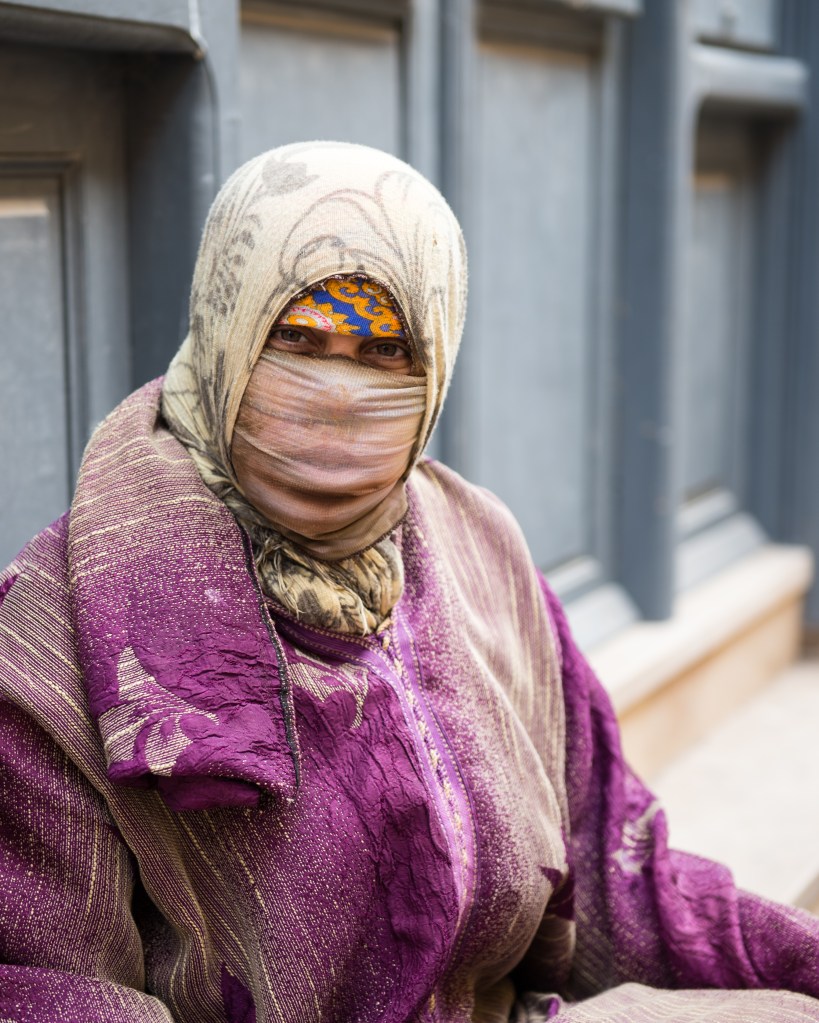
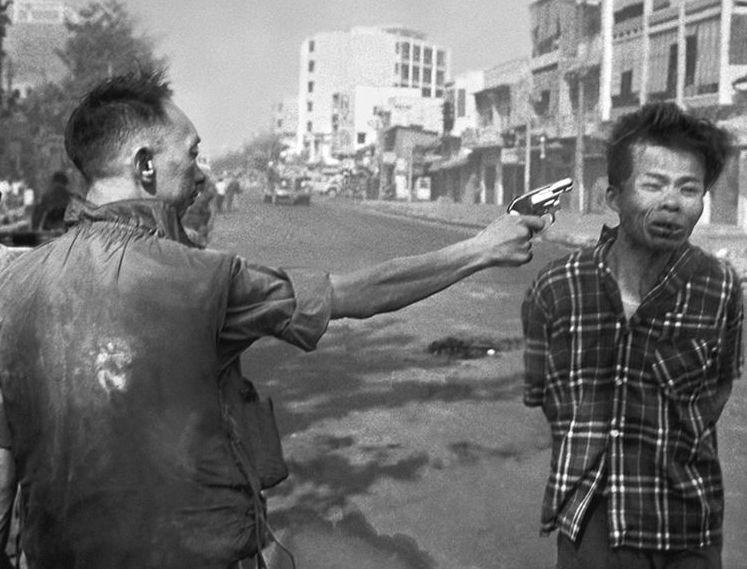
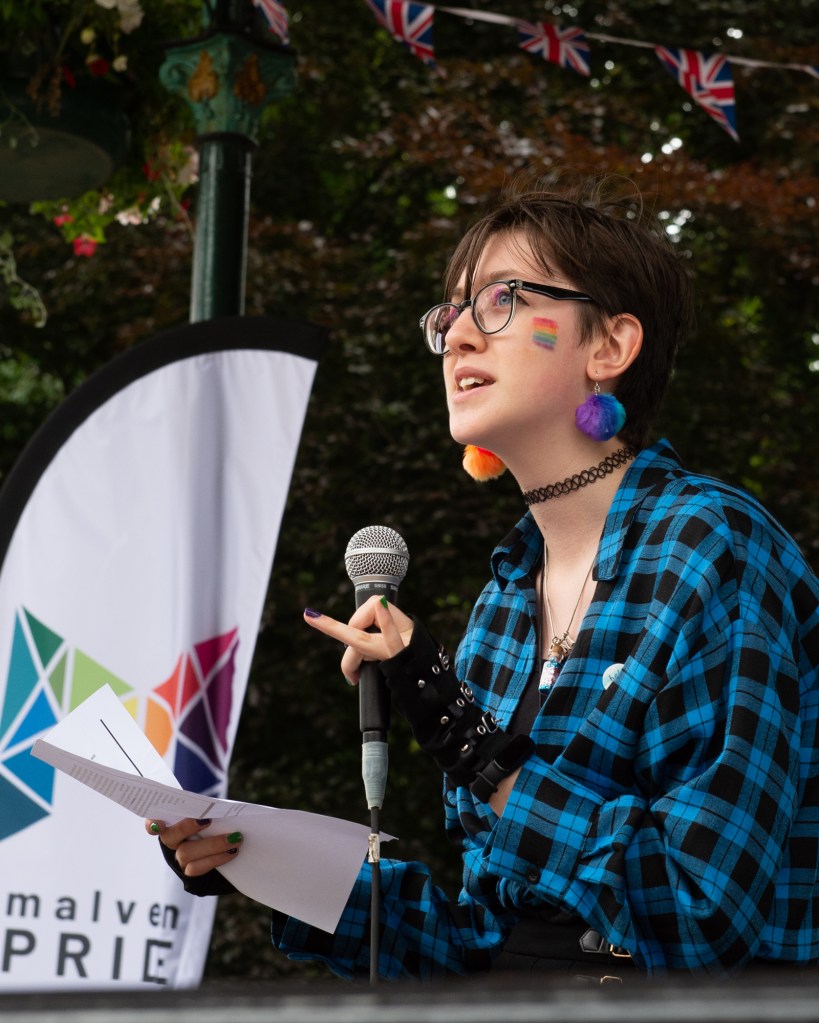


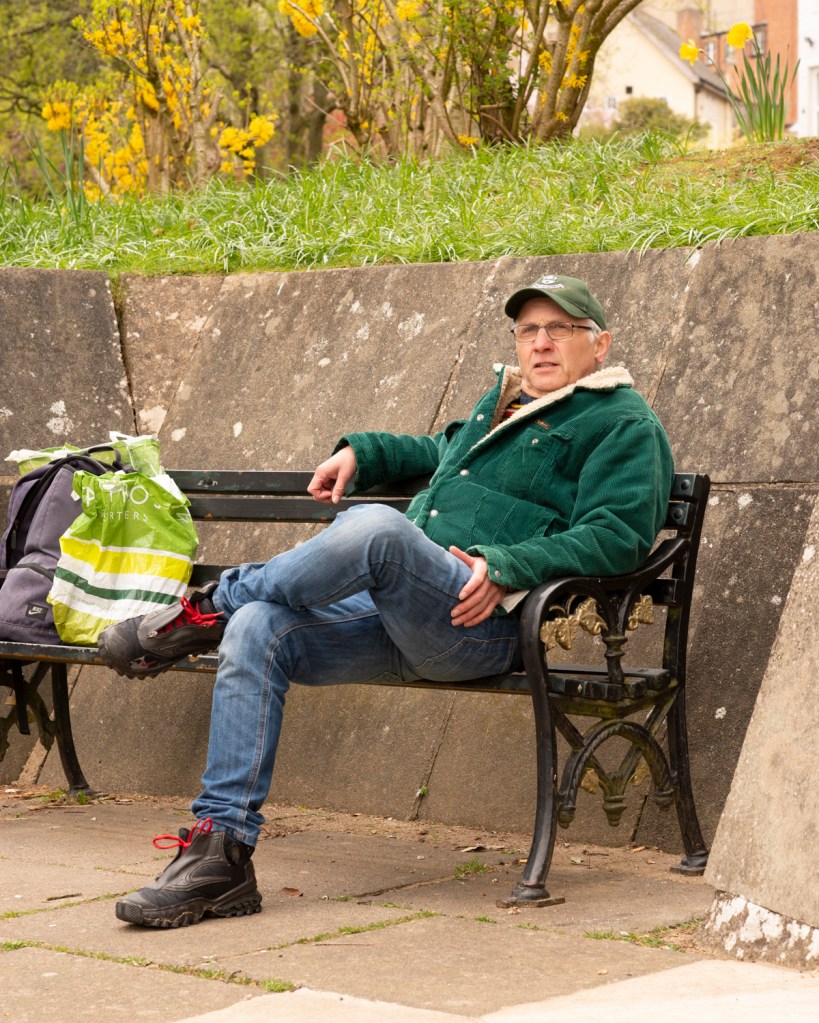

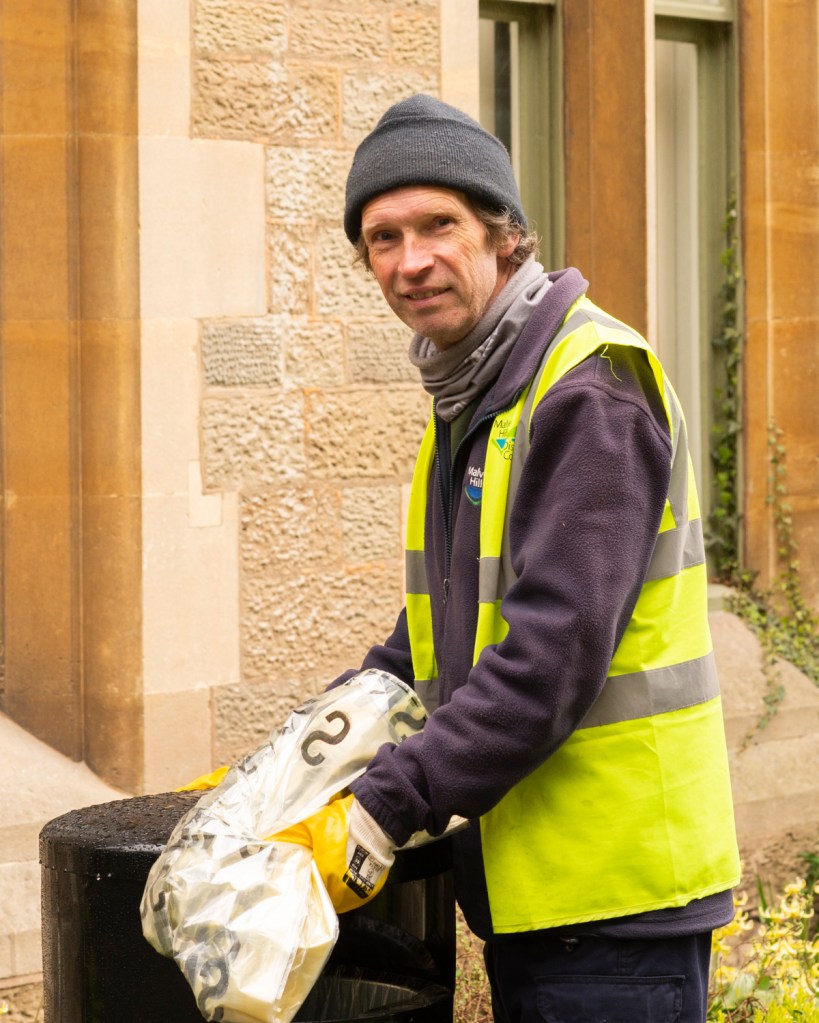
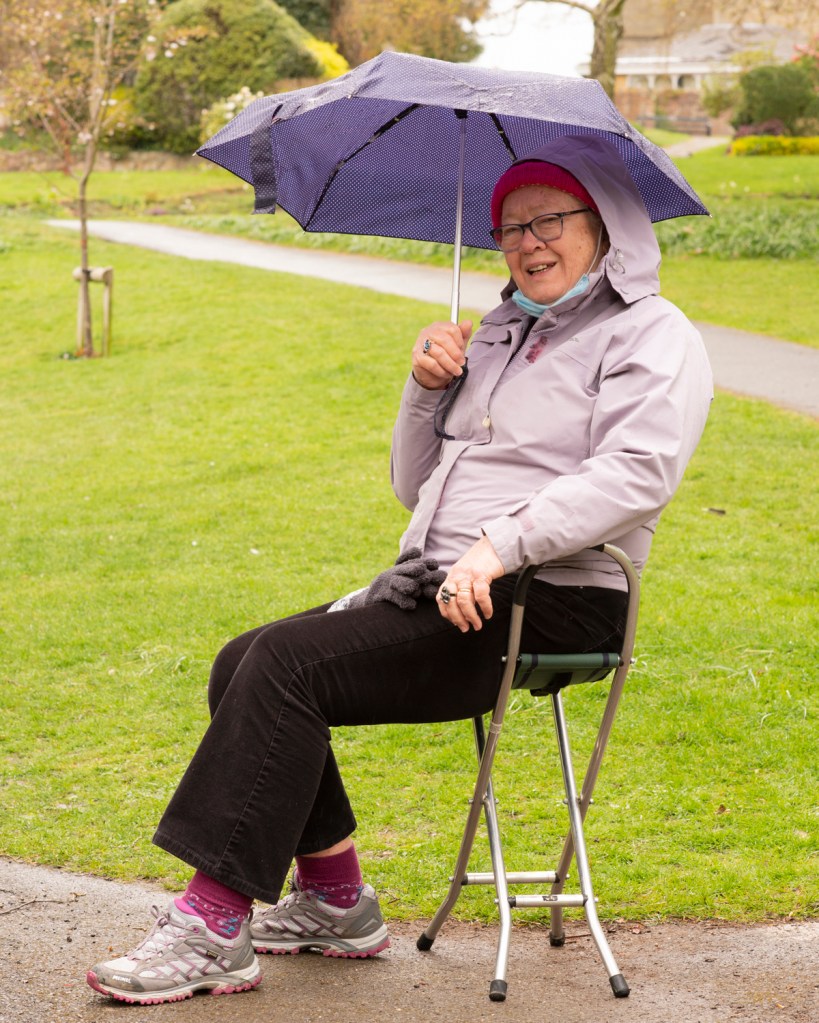
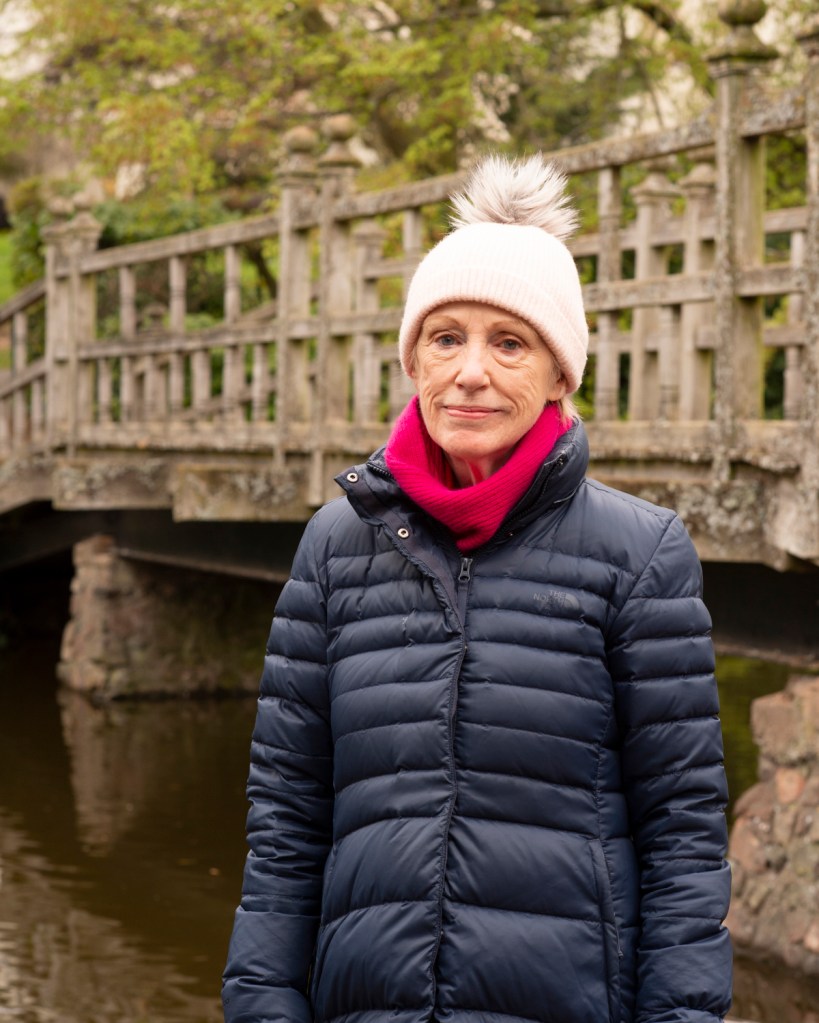
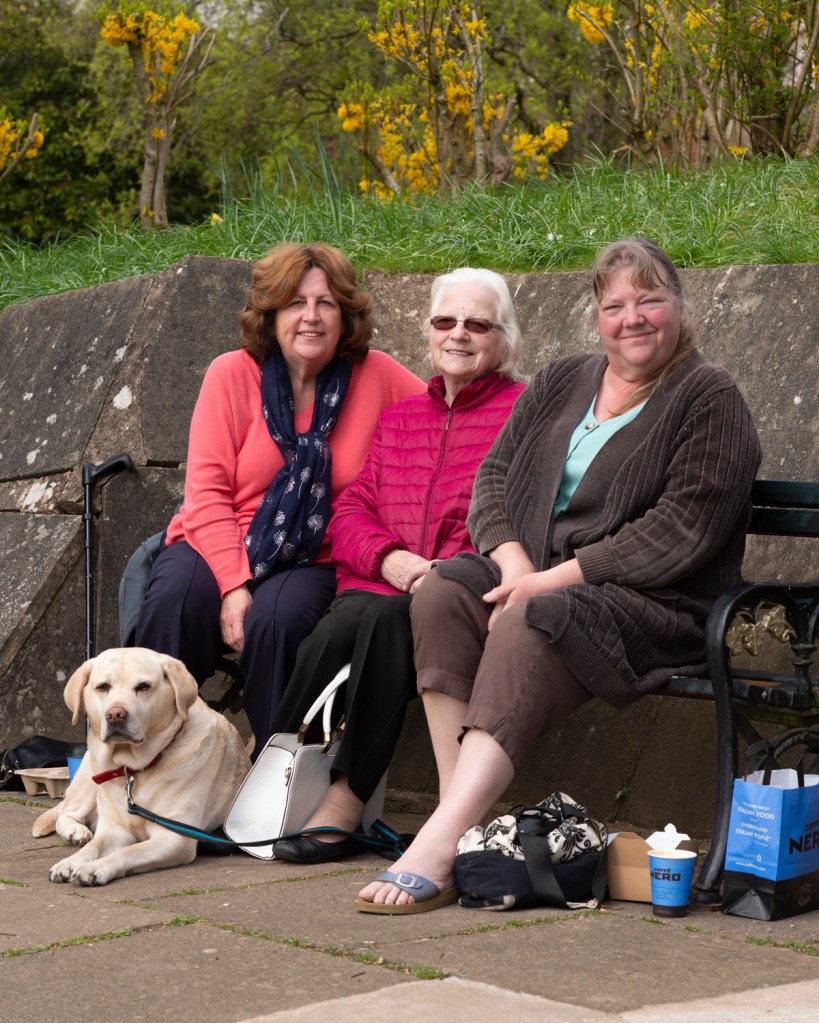

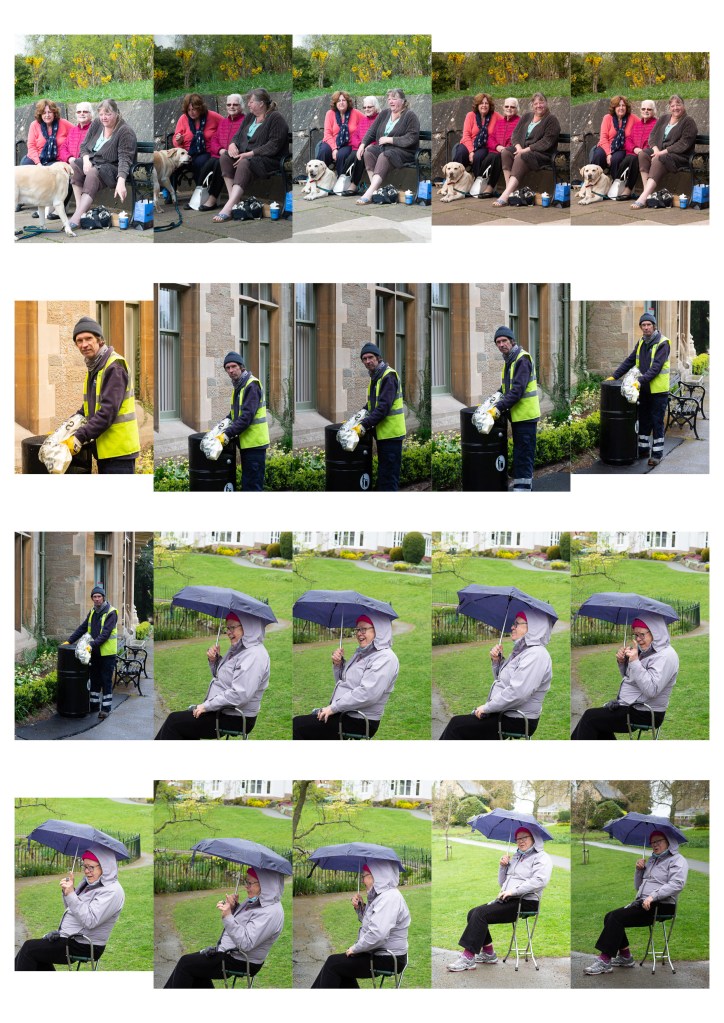
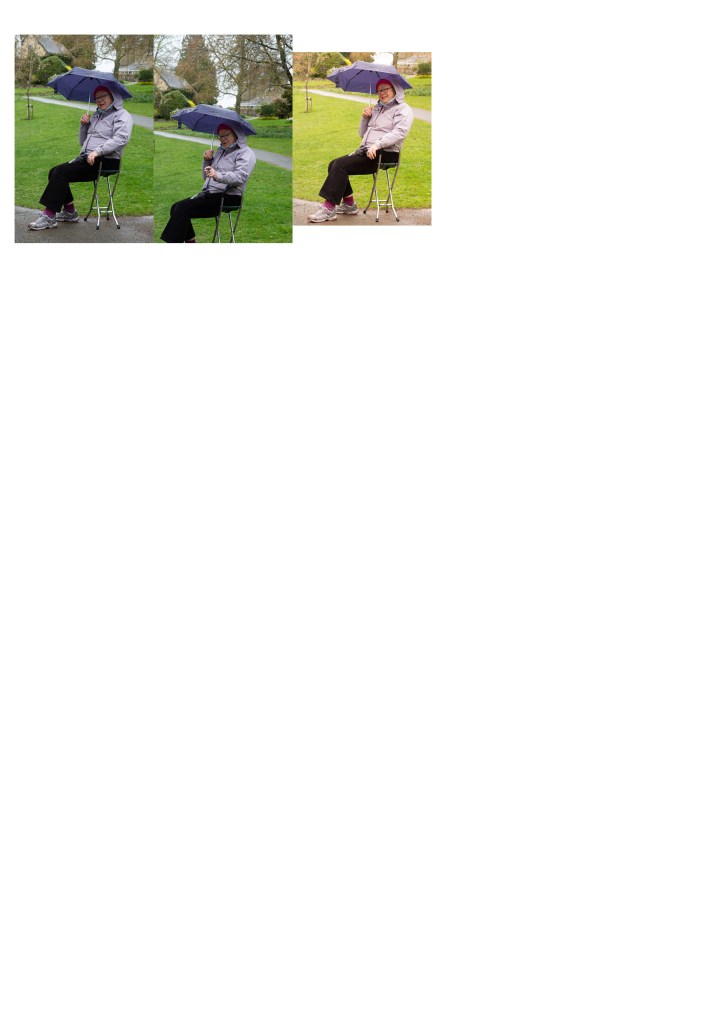
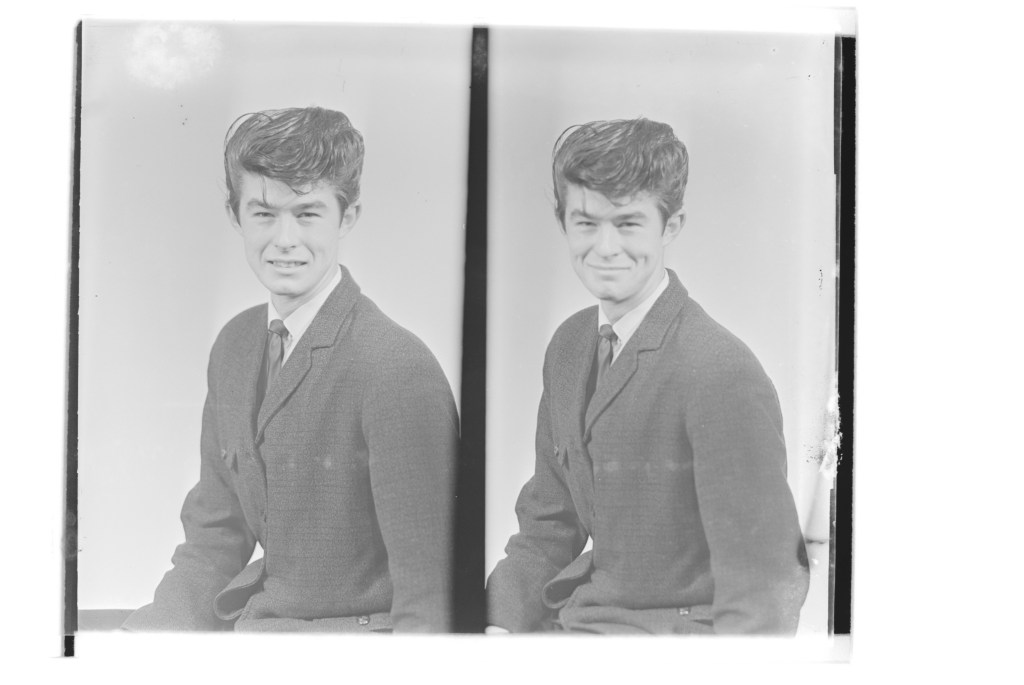
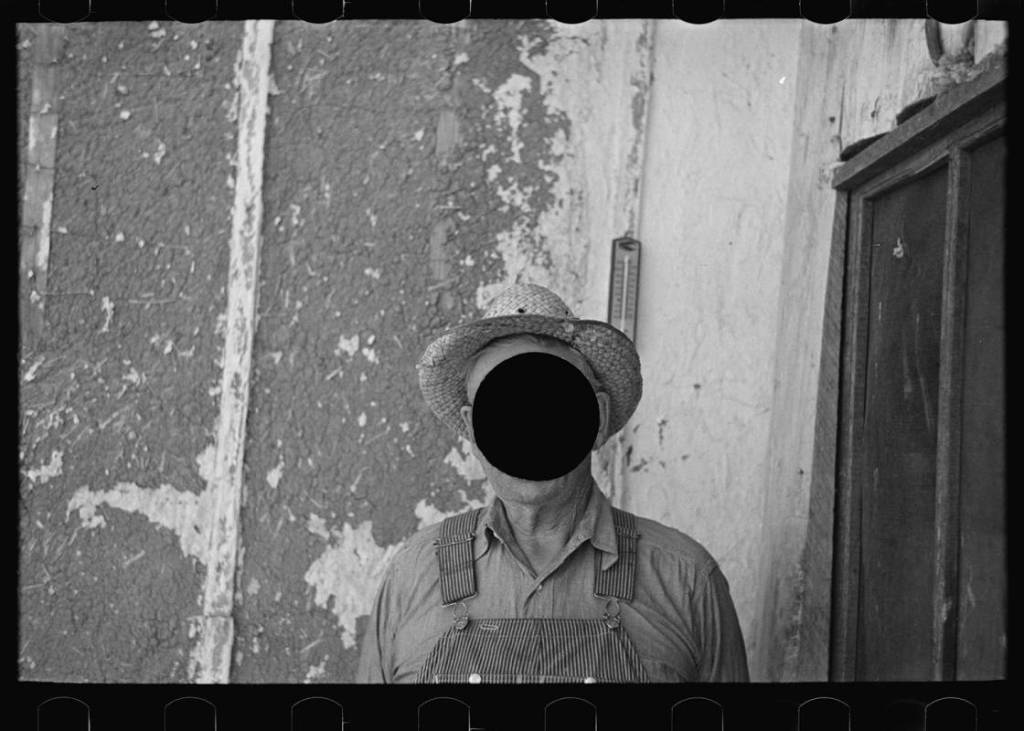
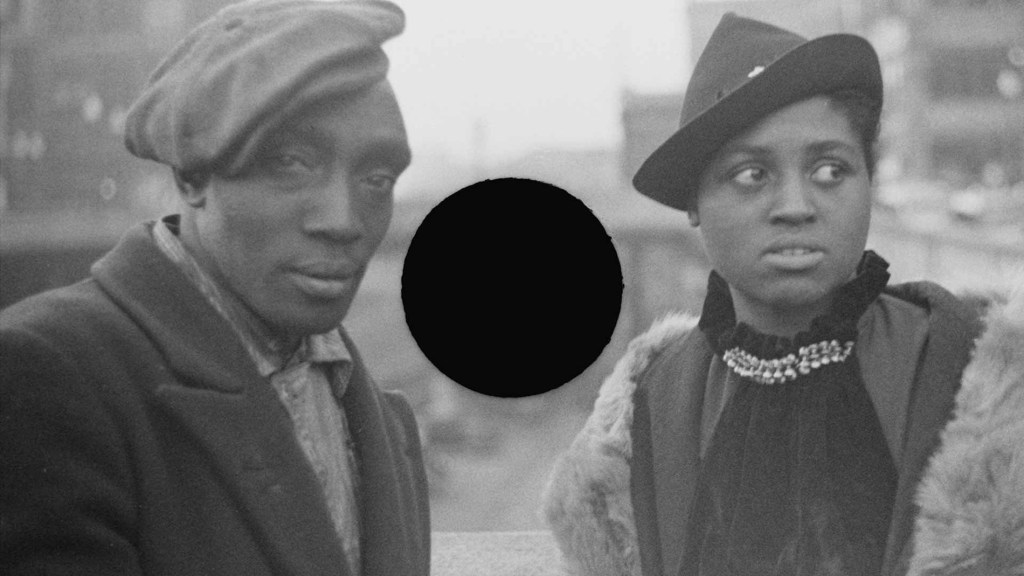

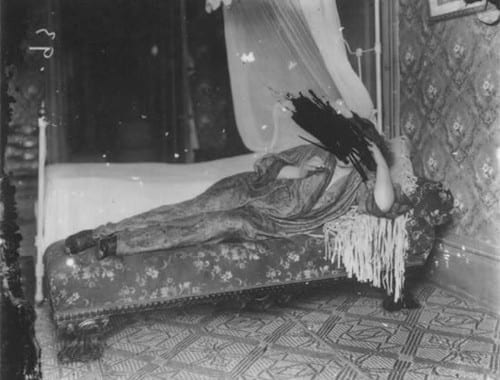
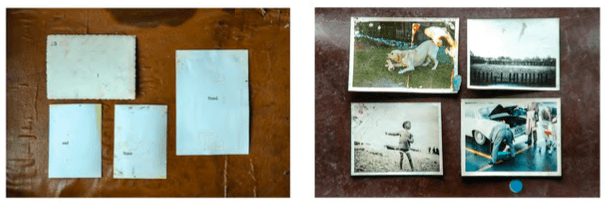
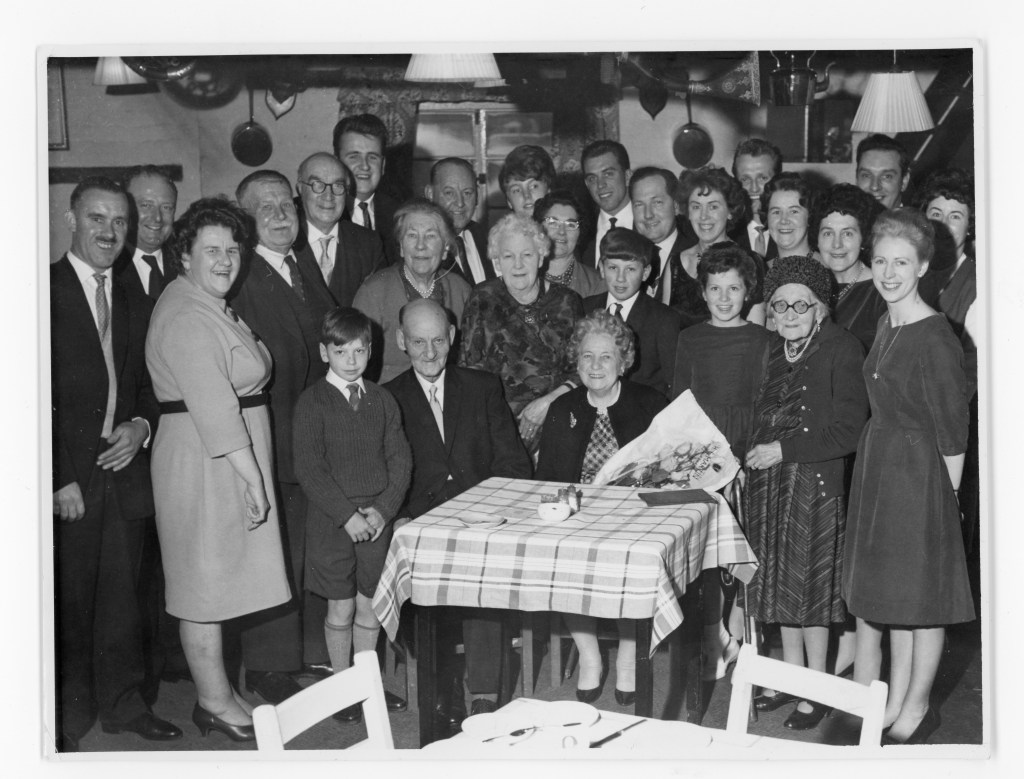
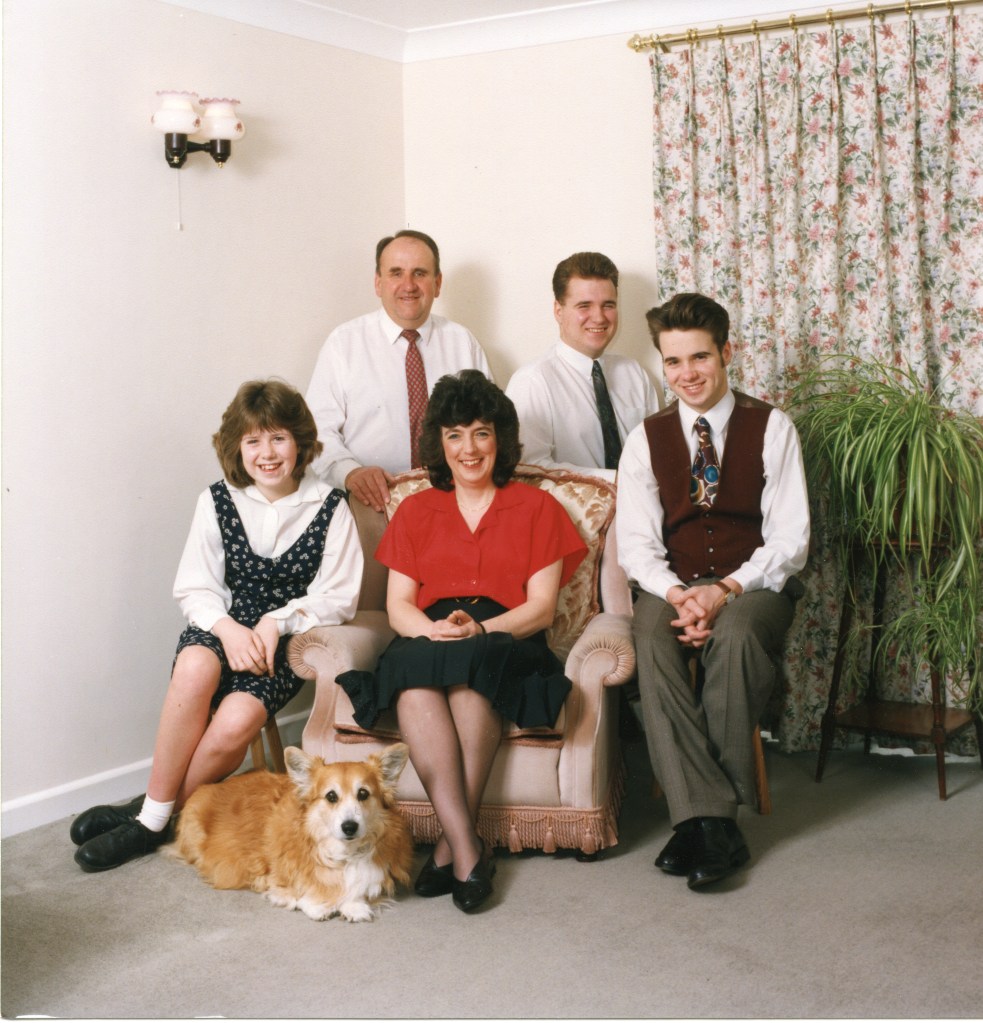


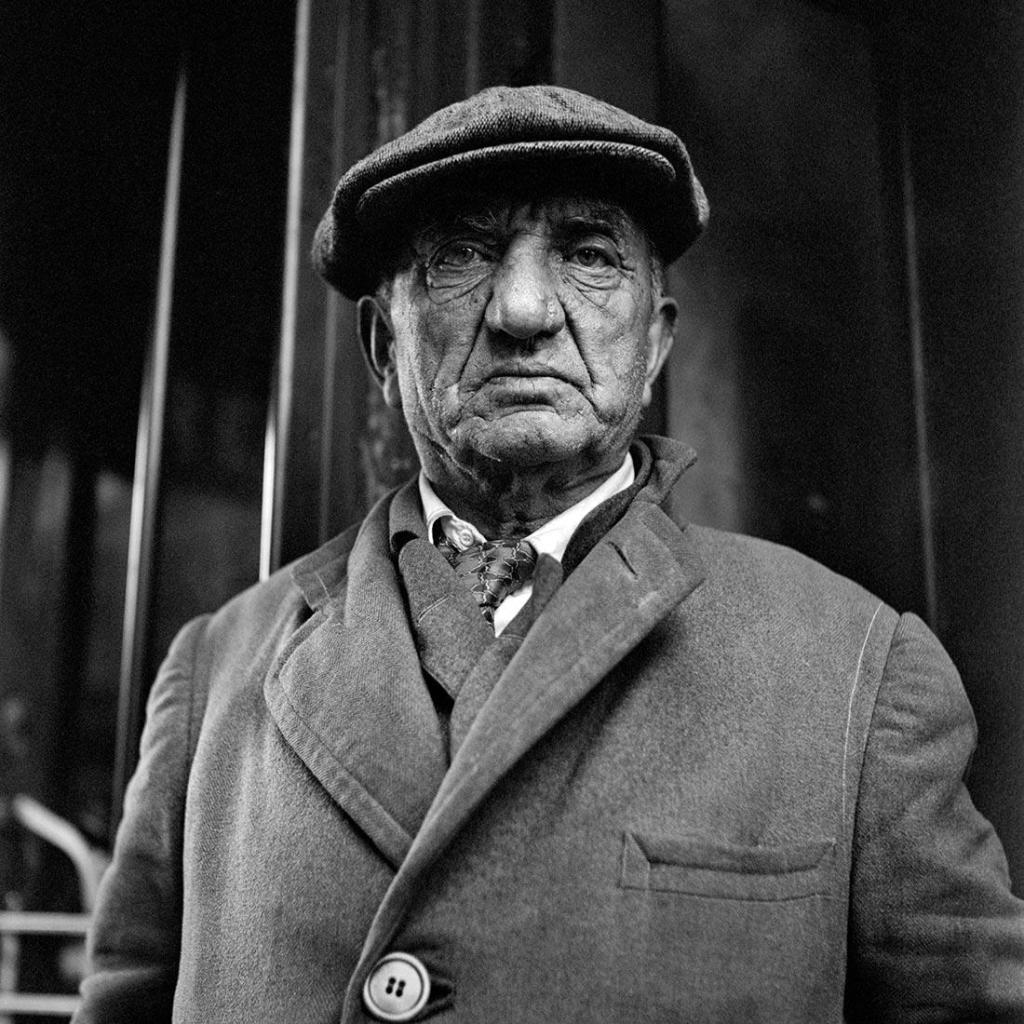


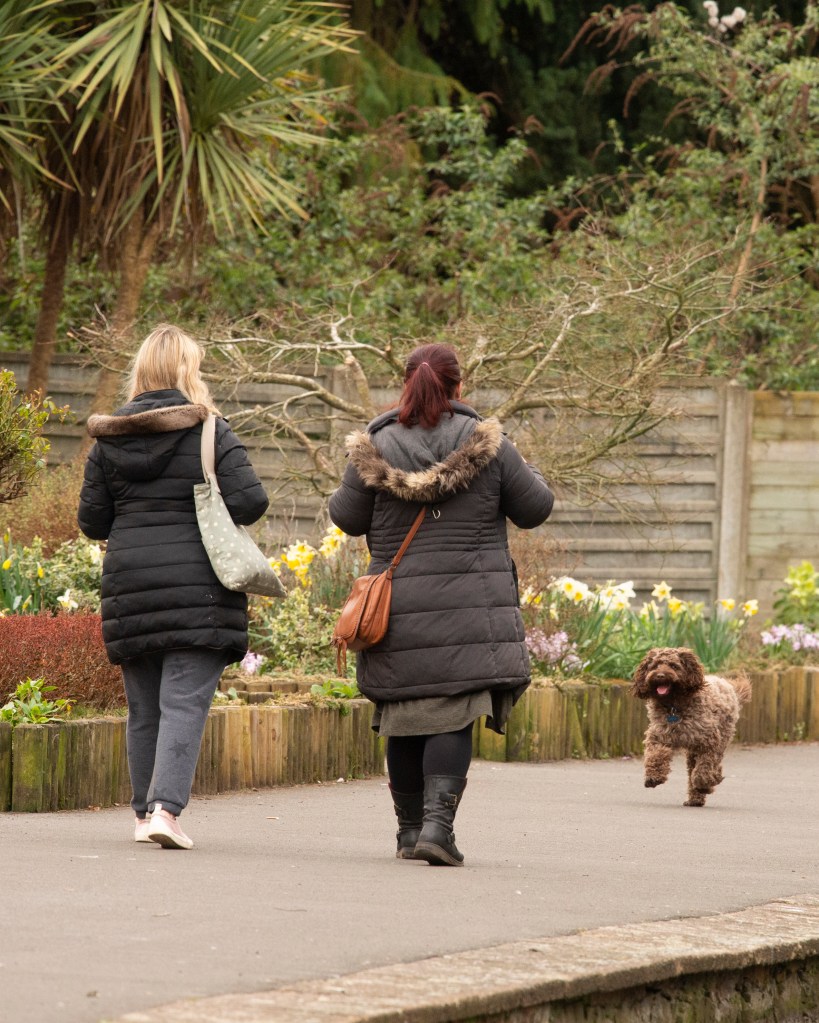
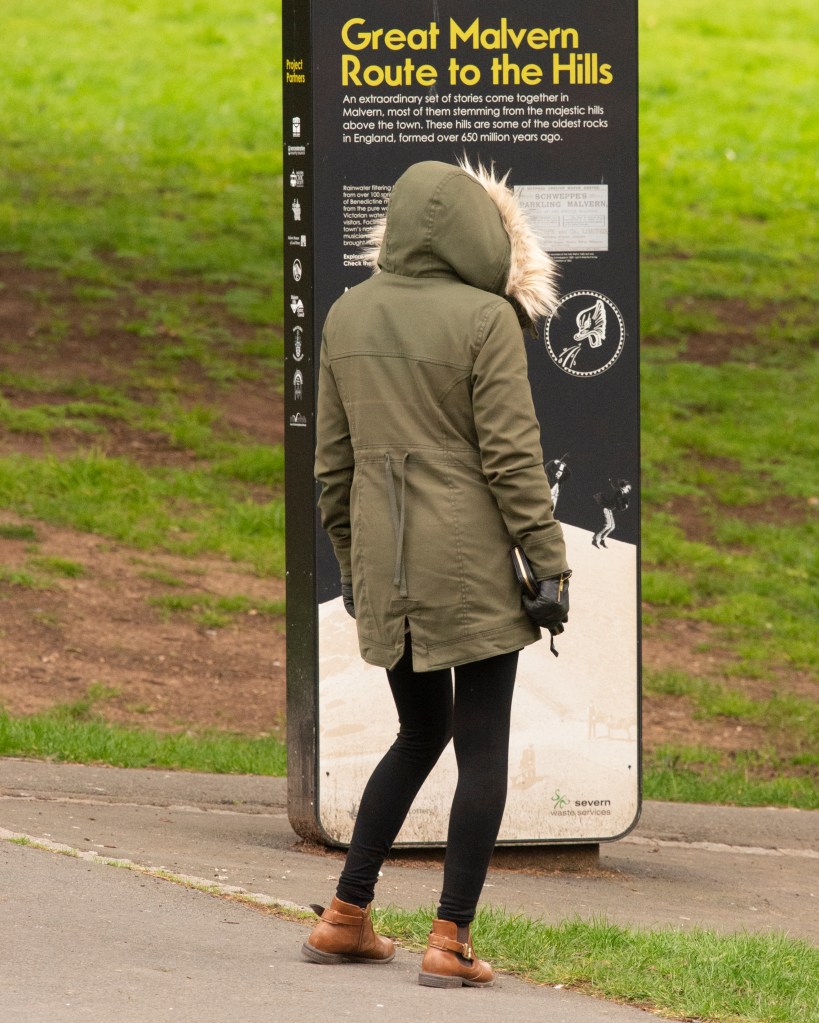
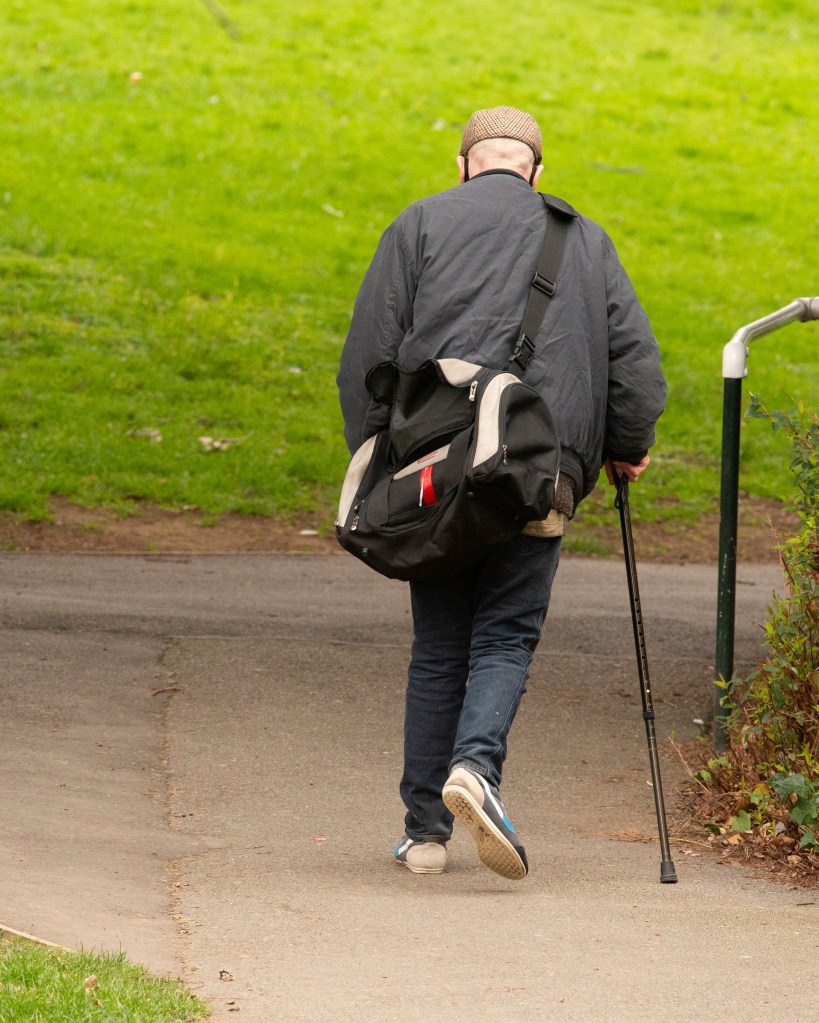
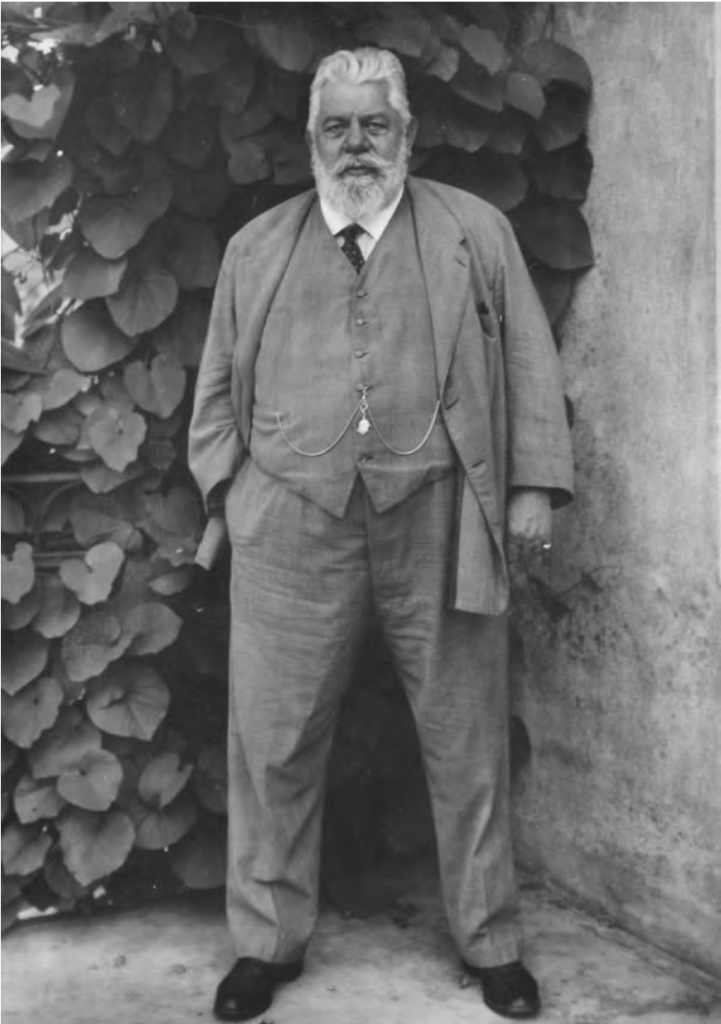
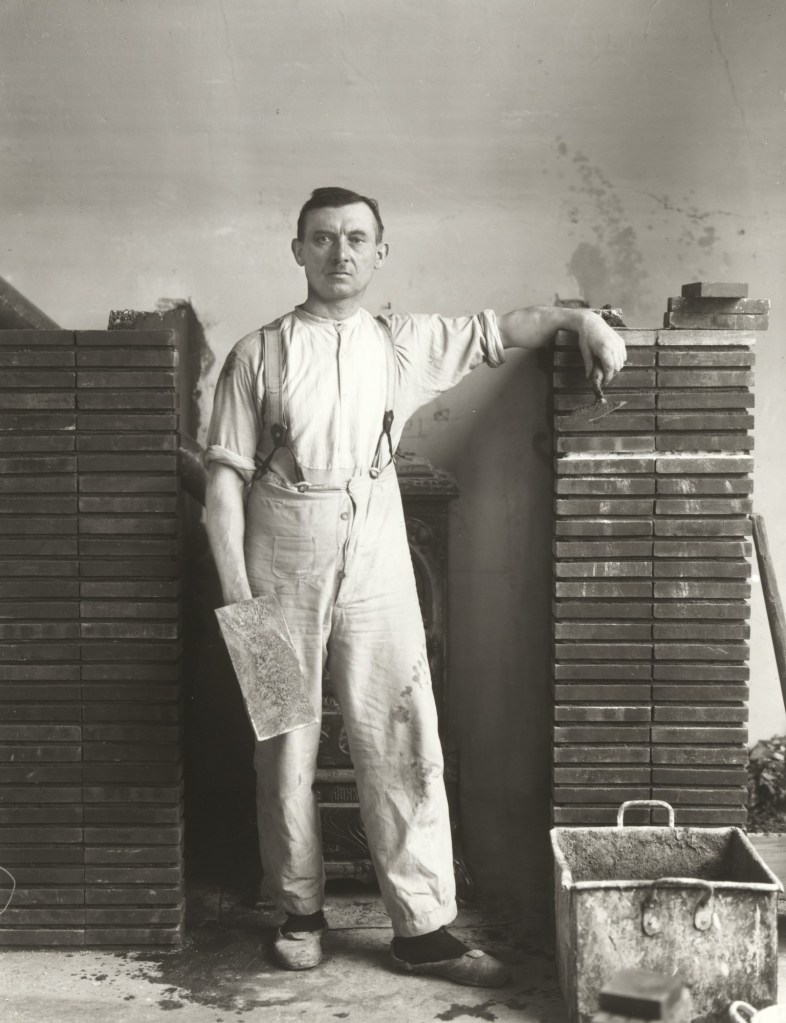
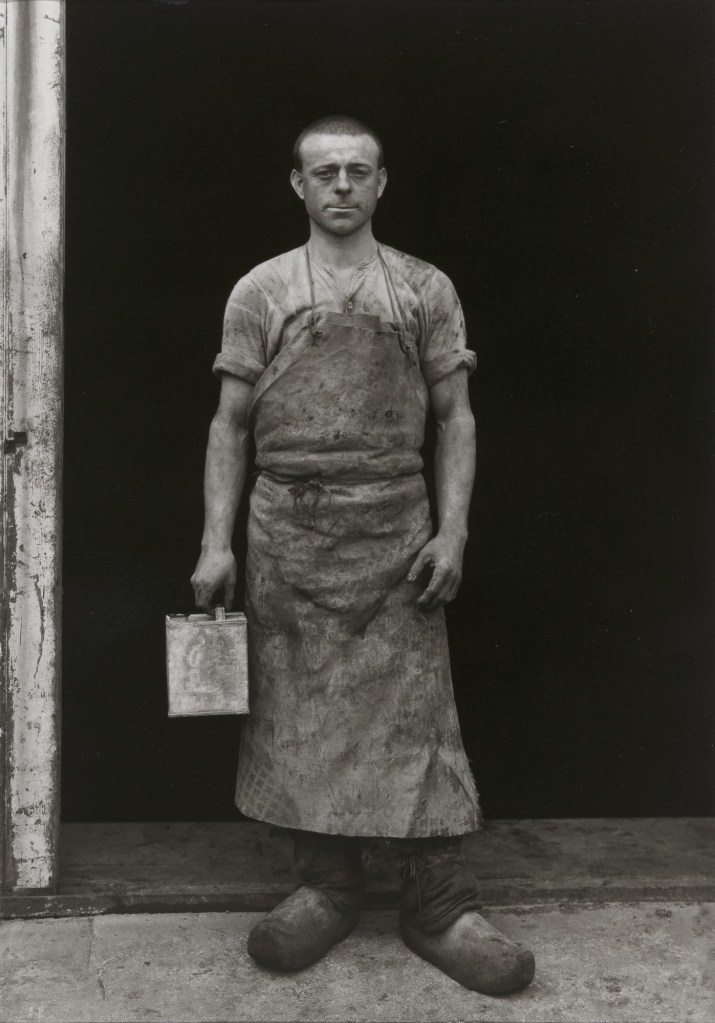
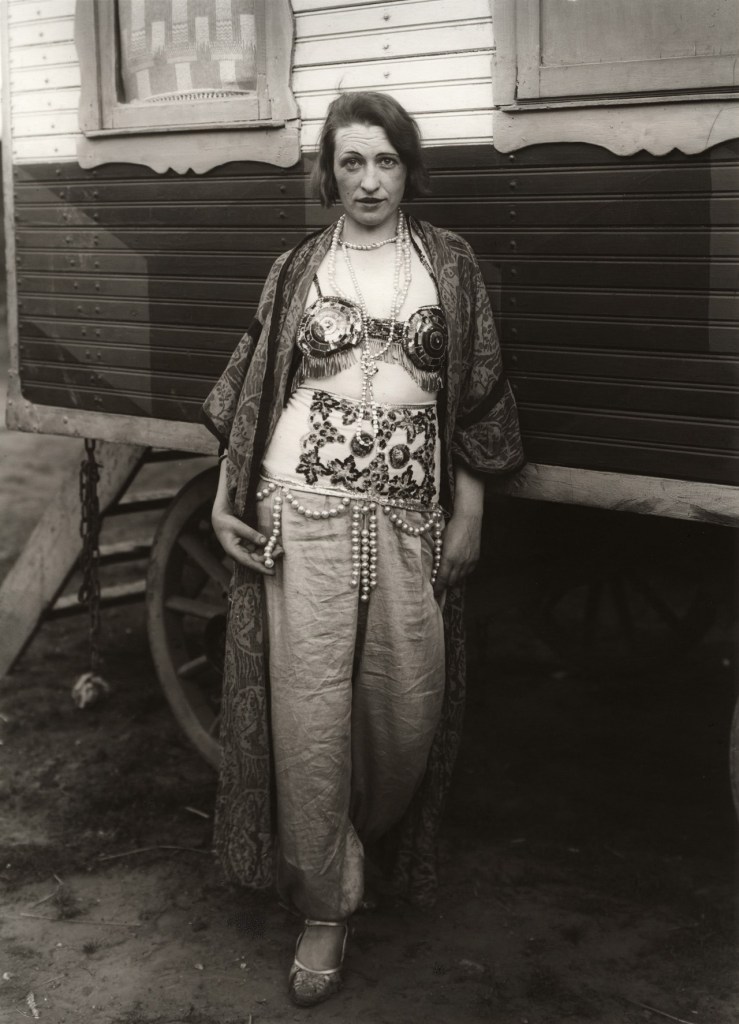
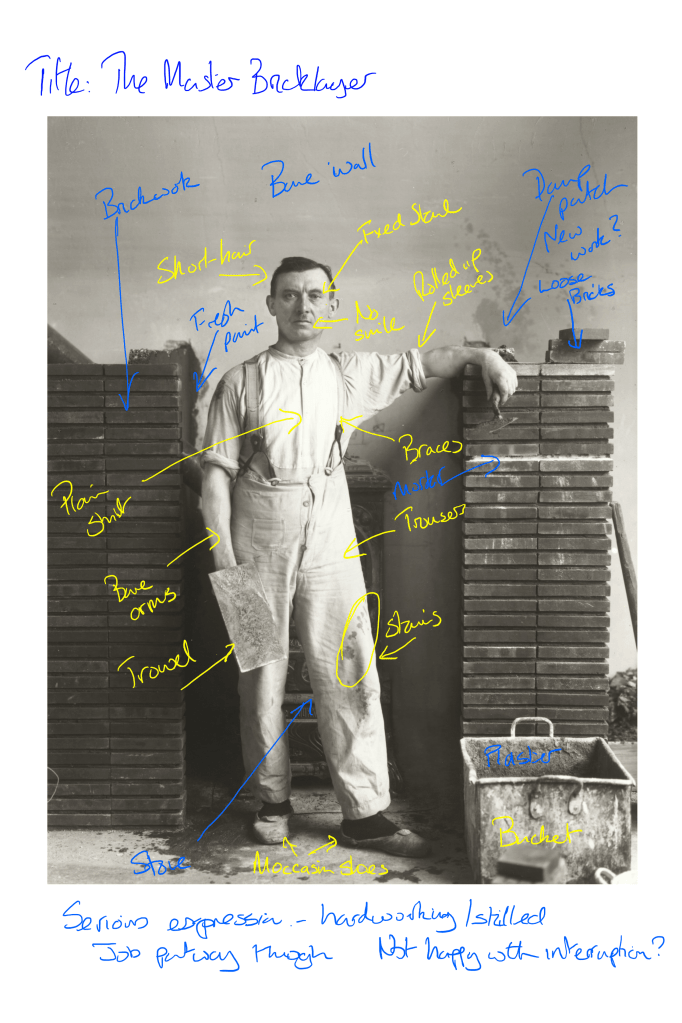
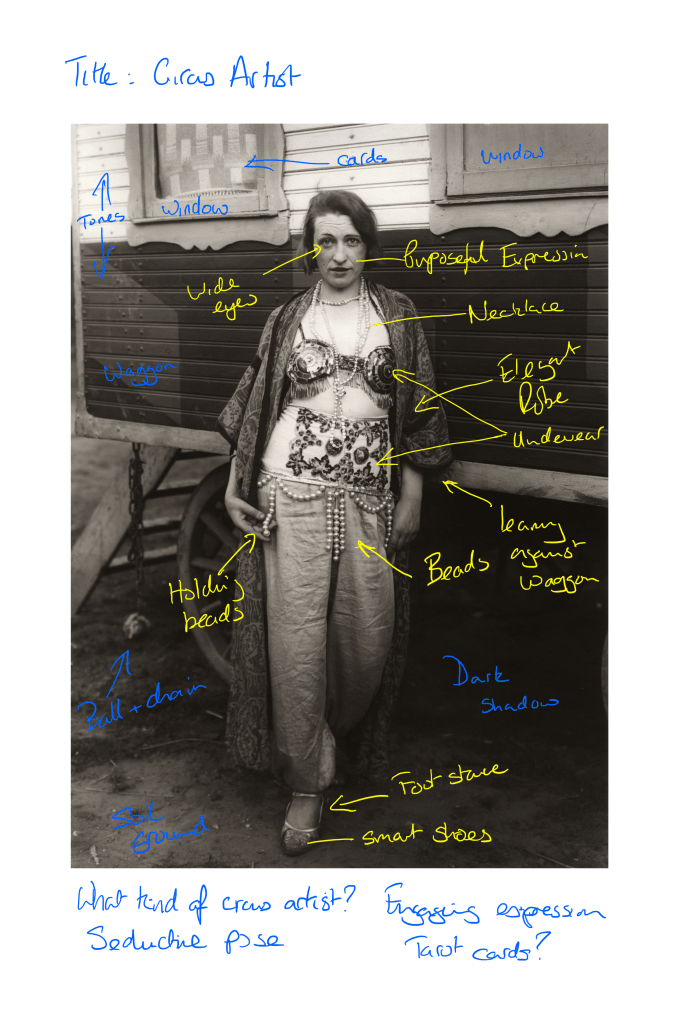
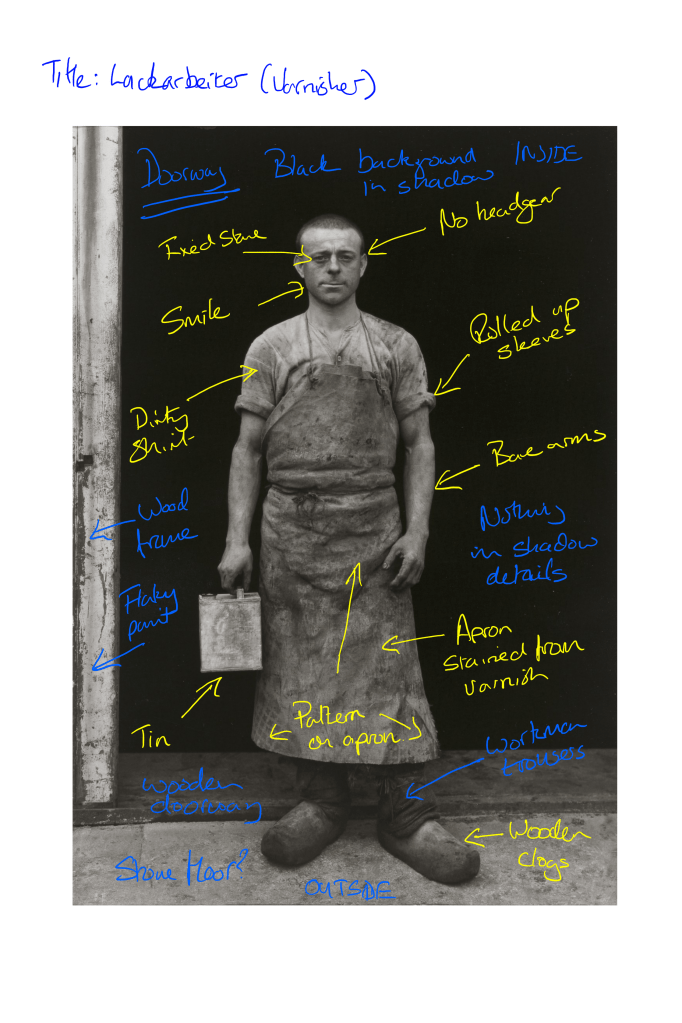
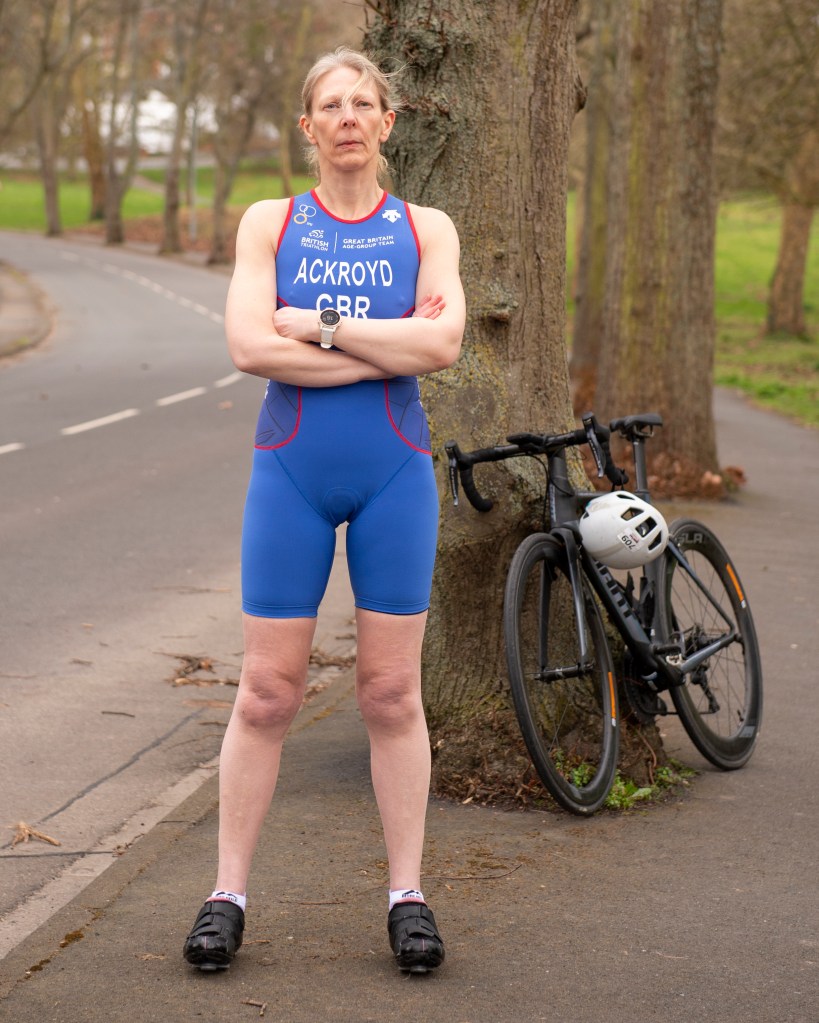
 Richard Fletcher OCA Photography Blog