Category Archives: Exercises

4) Exercise 4: Alternative Interpretations

The Brief

Over the space of a few weeks gather newspapers that you can cut up, preferably including a mixture of different political points of view. Have a look through and cut out some images without their captions. You could choose advertising images or news. For each image, write three or four different captions that enable you to bend the image to different and conflicting points of view.

  • What does this tell you about the power of text and image combinations?

Now write some text that re-contextualises these images and opens them up toalternative interpretations.

Write some notes in your learning log about this exercise.

● How might you use what you’ve learnt to add a new dimension to your own work?

Introduction

In Exercise 1 [1], we looked at the power of deliberately using text to create a particular. narrative about what is going on in an advertising image. The advertisement was interesting because it was specifically designed to invoke the sense of masculinity and strength using iconic references to ‘good, homemade food’ and textual elements that played to the product’s Scandinavian history, Vikings etc. For this exercise, I was interested in the use of text to create alternative narratives to stock imagery. The brief refers to photographs that are included in press reporting or newspaper advertising, but when I started to gather some pictures together, I noticed that in everyday, non-sensationalist stories, the news outlets tend to go with any image that vaguely refers to something in the story. Only when the story is specifically about a person or an event that they want the public to really engage with, do newspapers use specific photographs. I chose 3 for this exercise with varying degrees of specificity to explore how easy it would be to change the narrative of each story.

The ‘Raw’ Images
One
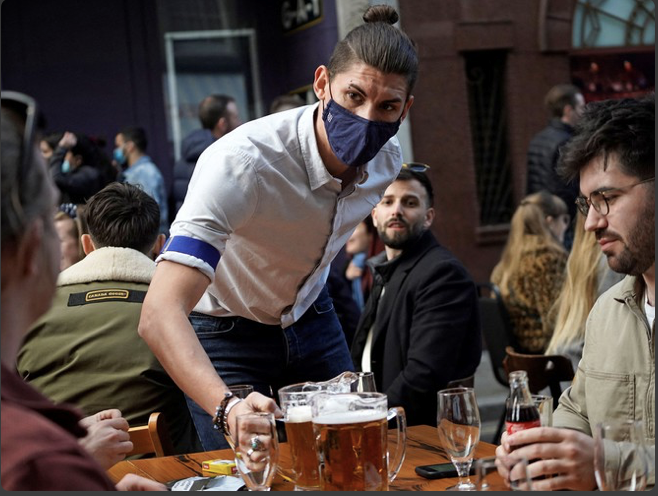
“Pubs and bars are still hotbeds for COVID-19”

“Bars feeling the pressure of post-pandemic staff shortages”

“Grant temporary visas to European workers, Government told

Here we have three different captions for the image which tell different stories, two about the pandemic and one we assume about Brexit. The text connects strongly because of the gathering in the bar and the use/not use of face masks, which emphasise that this as a contemporary image. The actual caption is:

“Put down the pinot: benefits of a single glass of wine debunked”

With this image, the signs are about having a good time, signified by the gathering of people, the alcohol and the waiter. Although there is no wine in the image, this sign is sufficient to suggest that drinking is generally bad for us. WIth my captions, the text works with different elements in the picture, namely the fact that not everyone is wearing a mask but the man serving the drinks is. Given the current situation, we assume he is a waiter rather than one of their friends. The man behind him, trying to get his attention, could be read as an expectant customer which makes links with the caption about temporary visas and staff shortages. The inconsistent wearing of masks throughout the image serves as a warning in the first caption, suggesting that gatherings of this nature are still dangerous without the right precautions.

Two
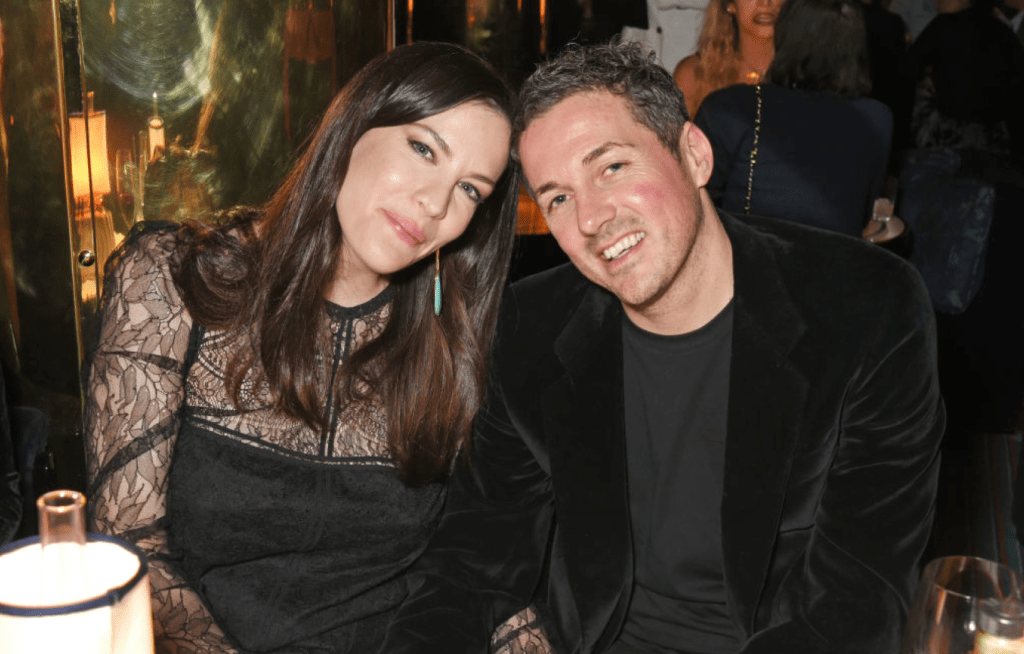
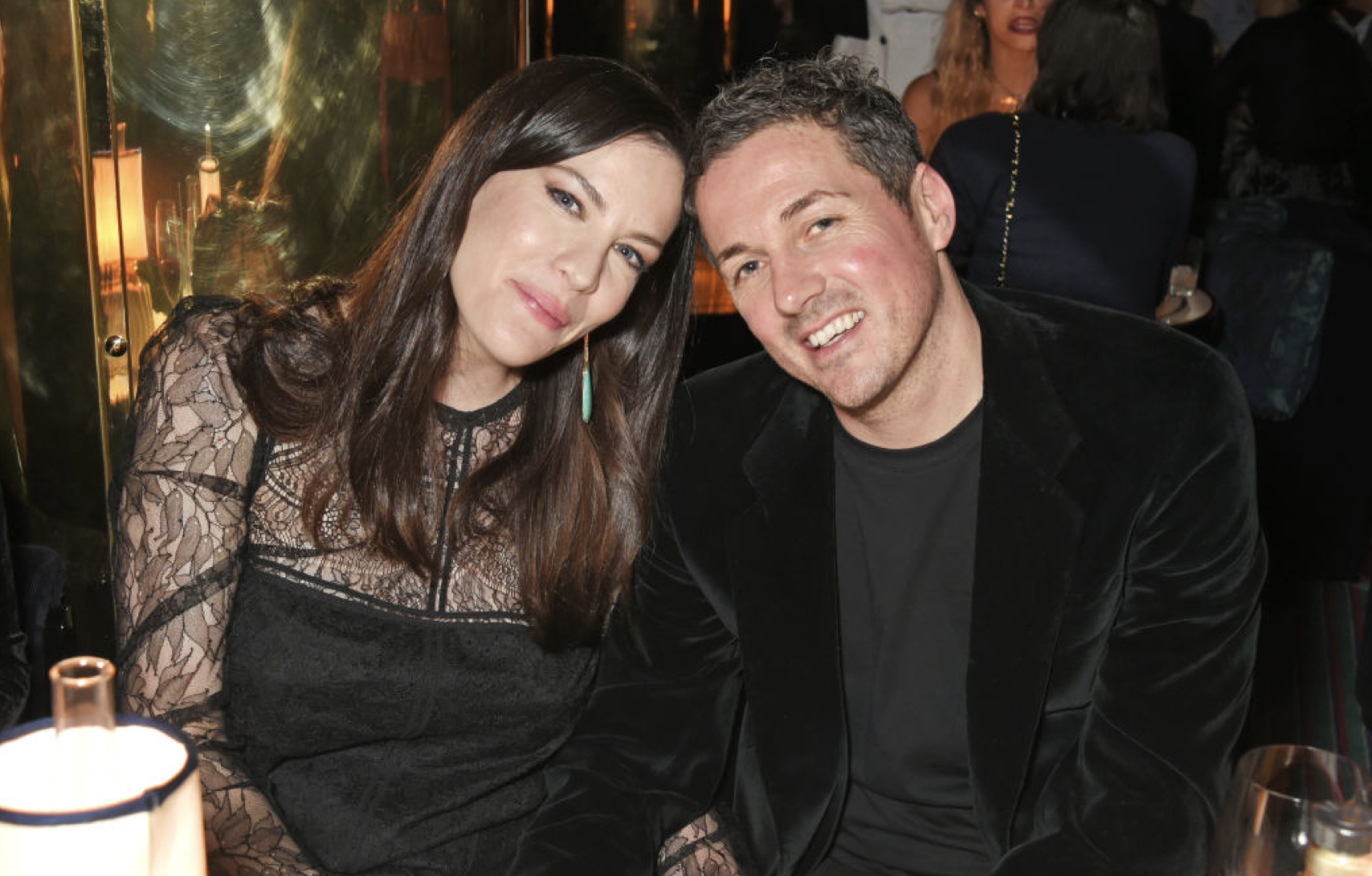
“Liv Tyler and fiance spotted in Soho hotspot”

“Liv Tyler on struggling with her father’s fame and leading a normal life”

“Liv Tyler and Dave Gardner have confirmed that they are dating”

This is an example of a completely innocuous image that can be manipulated almost indefinitely. Shots like this, which are often taken by friends or fans, really only depict a mood. In this case, Liv Tyler and her partner look happy, so the natural assumption for a caption might reflect that. In fact the real caption is:

“Liv Tyler ‘splits from fiancé Dave Gardner’ after 7 years”.

Now we have the inverse of the mood with the image pointing to happier times. The caption itself which contains a quote within a quote, suggests a finality to the message – ‘They were once a happy couple but now it is most definitely over’. The one caption of mine which works slightly differently is the second one. It relies on the viewer bringing the knowledge that Liv Tyler is the daughter of famous rockstar Steve Tyler of Aerosmith. Without that, the picture and text don’t really work because the text doesn’t connect with the iconic messages in the image, only getting the viewer to ask “who is that?”

Three
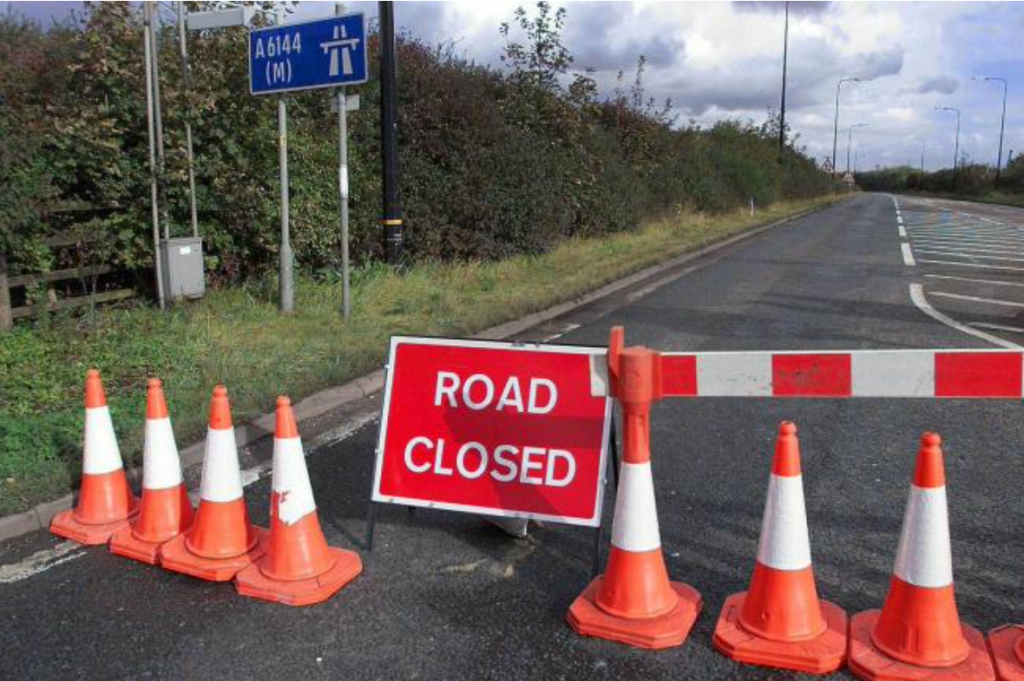
“Severe delays expected as works begin”

“Terrorist threats to UK infrastrcuture”

“Road network crumbling, say ministers”

In this case, the image is very generic as would be found in an image library. This photograph appeared in my local paper, which is well known for gathering pictures from stock or from the public (they have used plenty of mine in the past). The three captions tie into different elements in the picture. The road closure itself works with the construction themes of the two of the captions, while its use refers to keeping people out or keeping the public safe when considered with the terrorist headline. In such news stories, there are few images that can be anchored with text as actual footage of an attack is usually video and tightly controlled. When faced with this, newspapers tend to use generic, often bland imagery and create the story in the caption. In this case, the ‘infrastructure’ under attach is suggested as being the motorway network somewhere out of sight with the sentiment ‘keep out and be safe from what you cannot see’. In fact the caption was:

“Two teenagers die after car crashes into tree”

This caption refers to what is not in the image. There isn’t a tree as such and there are no cars visible. The absence of these and the warning to not proceed any further suggests that this horrible accident is somewhere up the road. The aftermath of the road being closed adds both importance to the event and also a sadness at its impact on everyday life, which carries on.

Conclusion

In all three images, the ‘stock’ nature of the signs and signifiers means that a wide range of narratives can be created by carefully using captions. I conclude that where the reading of the advertisement in Exercise 1 was relatively straightforward as one might expect, there are more questions raised when there are fewer directly-related contextual elements in the image. In the case of the Liv Tyler image, there is nothing to say that is her (without us knowing that to begin with) and the happy image could literally be interpreted any way we want. The caption is what creates the sense of happy or sad with the picture. In further conclusion, the addition of text in these circumstances is vital to any narrative that might be created. The text effectively becomes part of the image. I’m reminded of Michal’s “This photograph is my proof” from Context and Narrative [2] where the image contains precious little in terms of signs but the text tells a complete story that the image then emphasises. This is something I intend to consider in Assignment 4.

References

[1]Fletcher R, 2021, “4) Exercise 1 – Looking at Advertisements”, OCA Blog Post, https://richardfletcherphotography.photo.blog/2021/09/16/4-exercise-1-looking-at-advertisments/

[2]Fletcher R, 2020, “2) Exercise 2: Newspaper Analysis”, OCA Blog Post (Context and Narrative), https://richardfletcherphotography.photo.blog/2020/06/12/2-exercise-2-newspaper-analysis/
4) Exercise 3: Storyboard


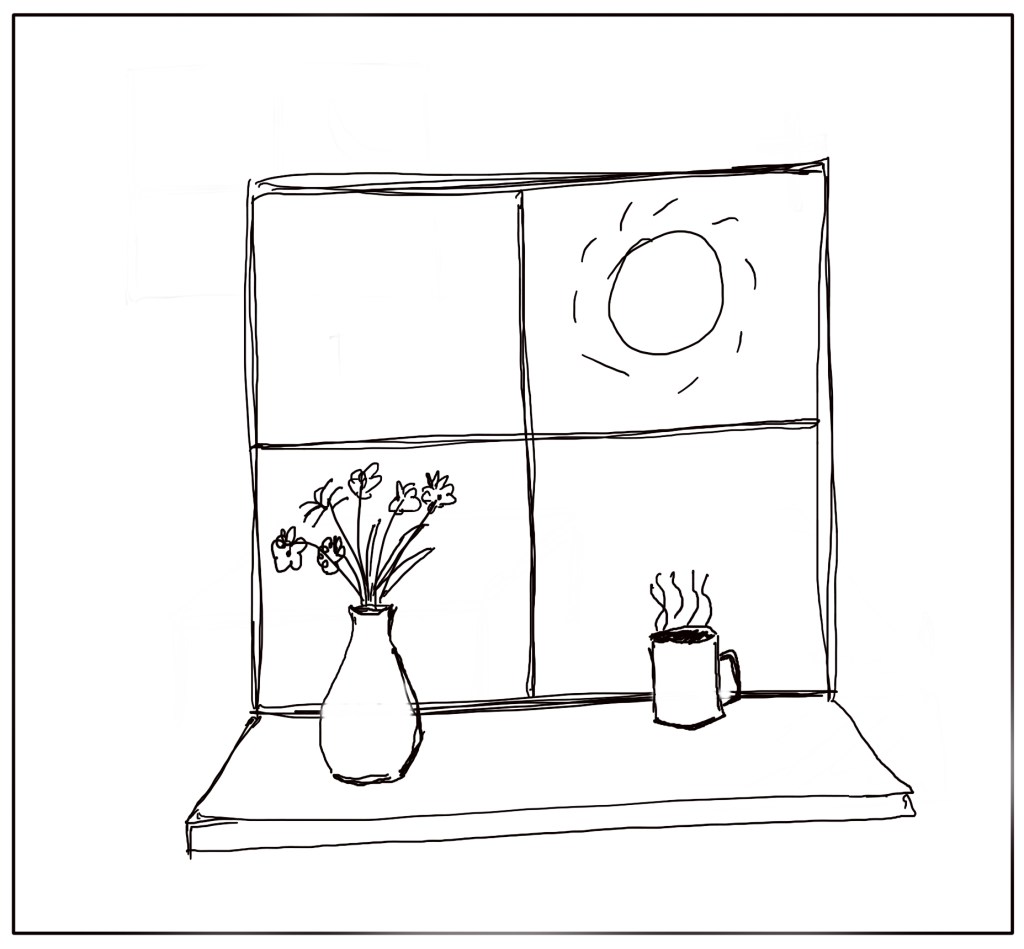
Create a storyboard where the image does not depend on the text and the text adds something new to the narrative.

This exercise is a light-hearted look at the role of image and text.

  •  Aim for it to be around 10 frames long.
  • Draw the picture storyboard first and then add the text.Note how the story is affected when the text is added.

Introduction

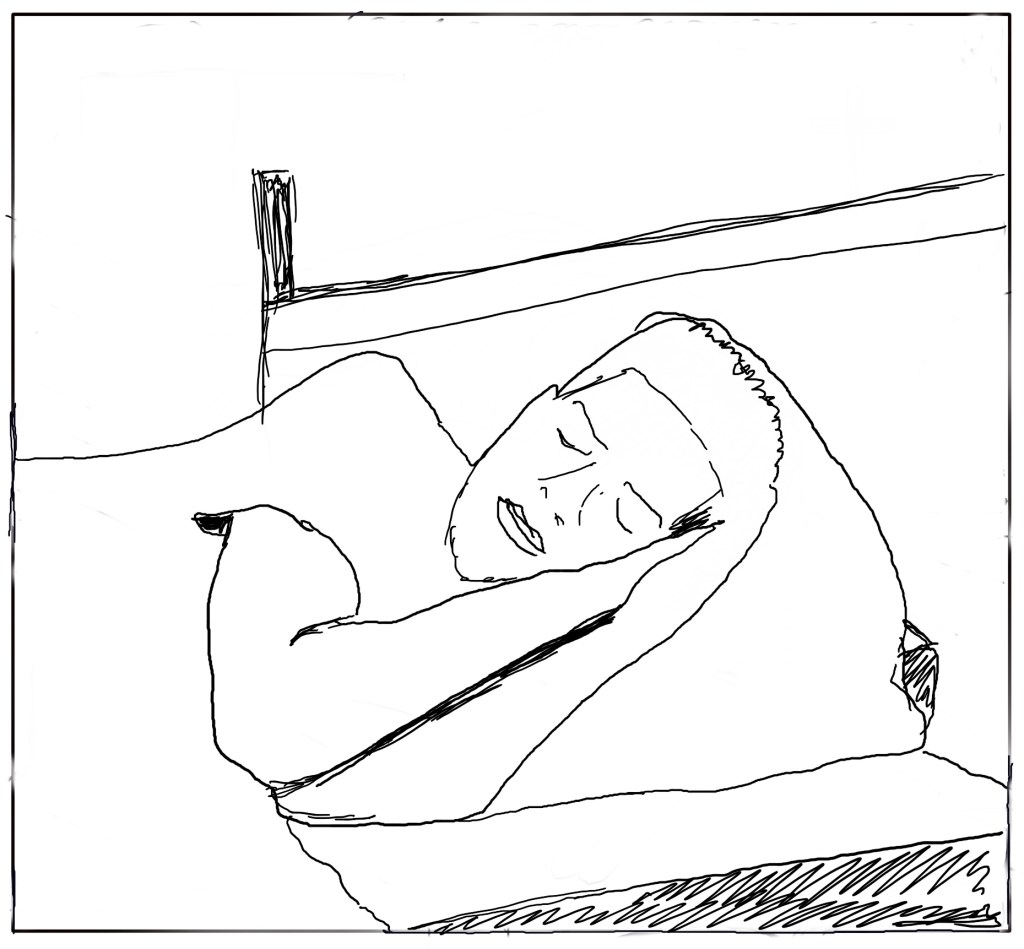
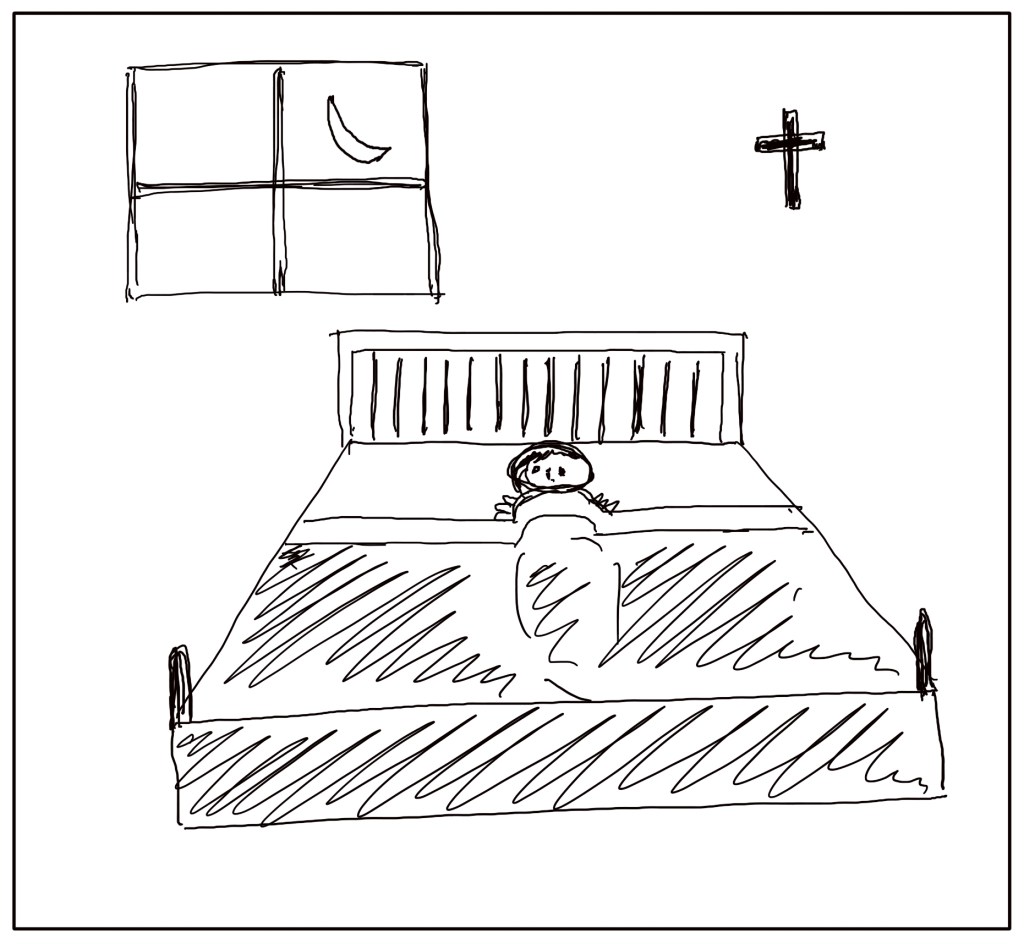
I approached this exercise by first thinking of a storyline of seemingly mundane activities and then sketching them out. I am a fairly poor sketch artist so the drawings are crude and I stopped at 8 frames. However, it is clear from the frames what the series of events is.

Storyboard

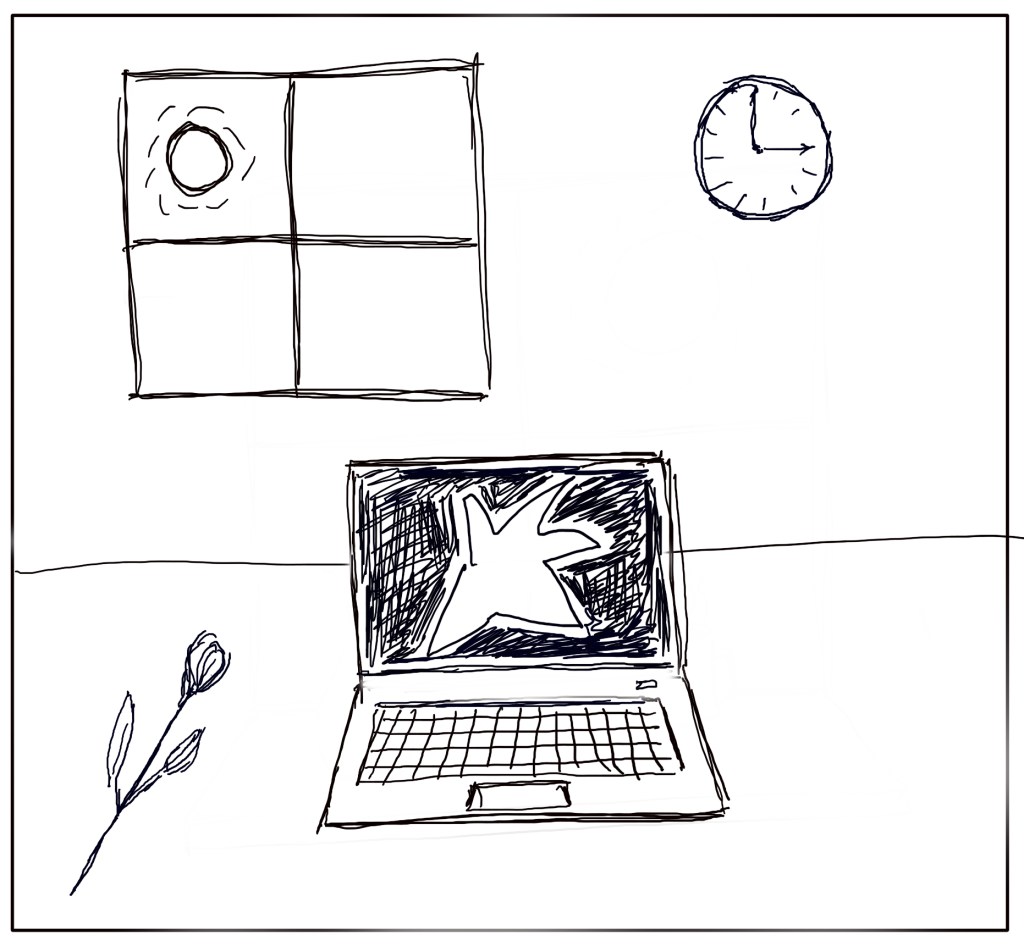
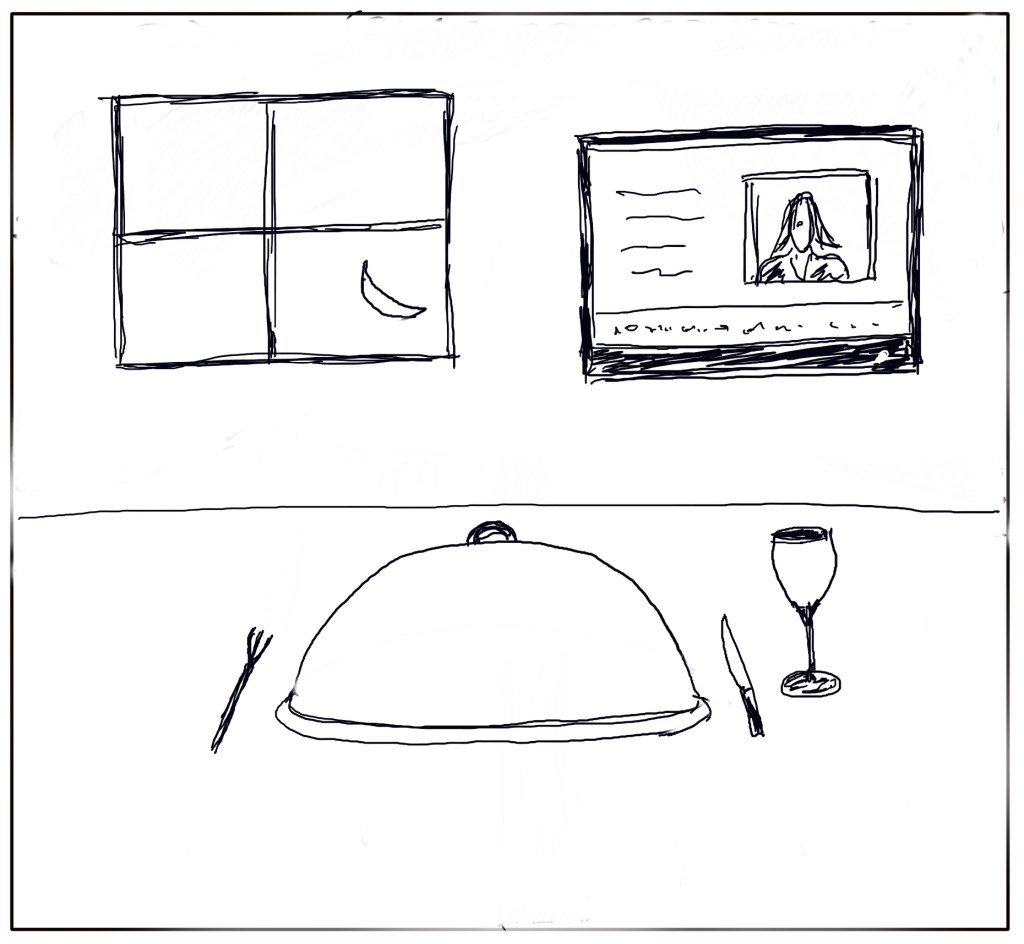
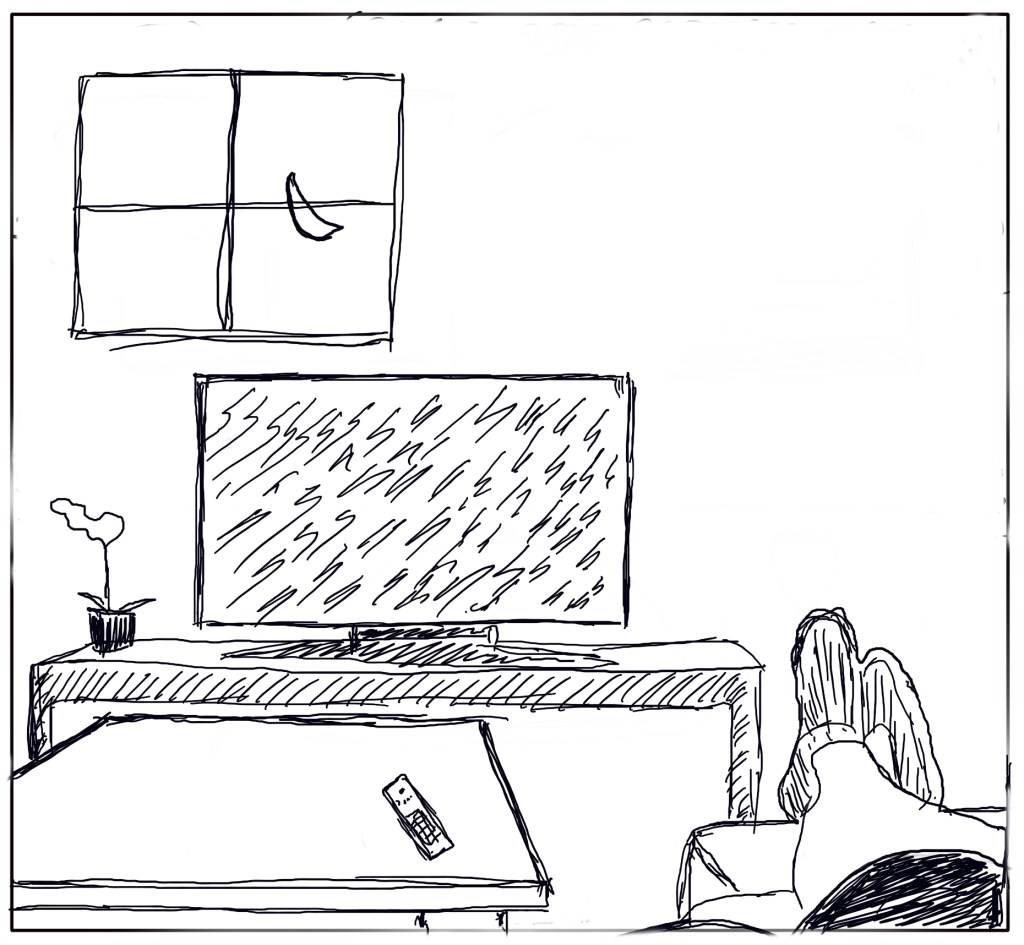
Without any captions or text, the series shows the progression of someone’s day, starting with them being in bed the night before and ending with them going back to sleep at the end of the day. The events in between are familiar with work, exercise, dinner and relaxation featuring as the day progresses. I deliberately didn’t add much in the way of additional context, apart from the sun, moon and crucifixes, primarily because of my lack of skill at drawing.

Adding Text

Review

When I drew the frames, I intended a cartoon that highlighted a typical day that might be experienced during the current pandemic. Like many people, lockdown presented a structured imprisonment of online meetings, trying to find something interesting to liven up the everyday experiences such as cooking, my government-sanctioned exercise and on numerous occasions excessive alcohol. We were trying to make the best of the situation and to a certain extent it worked. In the frames without text, the story is pretty clear from the way the elements denote meaning (e.g. the moon denotes night time etc). Each frame contains symbolic messages that we recognise owing to our experiences of the pandemic, but also connote aspects of a stressful life with the idea of ‘work hard, play hard’ which is driven by social and cultural references.

I realised that another side of the pandemic was the forced isolation at home that in some cases put people’s relationships under unprecedented strain. Although evidence of increases in the number of separations during 2020 are largely anecdotal, it makes sense that the relatively trivial behavioural traits that might annoy us, could be amplified by having to spend significantly more time together in a confined space. Thankfully this was not my experience but thought it would be interesting to imagine an underlying tension as a layered narrative to the cartoon. When the text was added, the images immediately offer alternative interpretations. The relay text supports a connoted message within the image but makes no reference to any literal element within the frame. Now we have the relationship issues being played out by a narrator who could be the man in the story. The religious iconography that supports some keeping faith that everything will be alright could be seen previously, but the symbolic message is potentially different with faith in ’emerging from the pandemic’ being replaced by ‘overcoming problems’. The underlying story remains the same with a day passing linearly though the 8 frames. However, now the text makes us question the causes and engage with the misery of the character.

Conclusion

The use of relay in the comic strip as described by Barthes was the idea that appealed to me the most. When we pick up a comic, the text directs the reader through the core story but supports, and is supported by, the imagery. The fascination with comics and graphic novels is where the connection between the text and imagery leaves more than enough room to create the narrative. In this case, the crudely simple series of sketches take on a different, more emotionally demanding set of meanings by the inclusion of the text. Both stories are engaging, but for me one has more impact through the structural application of the text than the other.

4) Exercise 2: ​Reflective Day

The Brief

Choose a day that you can spend out and about looking with no particular agenda. Be conscious of how images and texts are presented to you in the real world – on billboards, in magazines and newspapers, and online, for example. Make notes in your learning log on some specific examples and reflect upon what impact the text has on how you read the overall message.

Consider the following:

  • Does the text close the image down (i.e. inform or direct your reading) or open it up (i.e. allow for your personal interpretation to play a part in creating the final meaning)?
  • What do you think was the intention of the creator in each instance?

Response

My days usually involve a walk from my house into the centre of Malvern, about a mile away. I generally use the opportunity to pick up any food that we need, shoot photographs for my current book project and spend time in the park looking at (and photographing) the wildlife. When I completed Project 1[1], I had feedback from a painter friend of mine that he routinely used the caption and title devices described in his work, but until then hadn’t considered how their combination might affect the narratives and impact of his paintings. I had the same experience when I went on my recent walk and paid specific attention to imagery and its presentation. I’ve chosen a couple of examples of images that I hadn’t notice before this work.

Coffee Advertising

On my regular coffee stop, I noticed a poster advertising a special blend that was being offered for a limited time in the cafe. The poster features a plan view of an espresso coffee with two captions. One reads “Coffee of the Season” and the other “Limited Edition Guatemalan Blend”. As with Kruger’s work, the first thing I noticed was the former as it was in a larger font and on an blank background so that it stood out. This idea of a coffee of the season is orientational, that is it sets the scene of the poster without being too specific. There is no mention of the season, but we assume it’s the current one. The imagery itself shows an intense coffee, set against some representations of biscuits that are all autumnal colours. The secondary text informs us that the coffee isn’t around for ever in a directional style. The overall effect is to intrigue the viewer with something they may not have tried before, ideal for autumn (although at the time of writing it’s 25 degrees C), and only around for a short time. The success of the advert hinges on grabbing our attention, offering a recognisable object in the form of dark coffee and then setting using our ideas of what autumn in the UK is like to seal the deal. The two captions do most of the work with the image being the proof of the message. What I mean by this is that the text could say things like “you want this to keep you warm, don’t you?” without the picture, but when we see it we create our own mental picture of the coffee doing its job. With advertising, the captions are always part of the image as it would make no sense to present the viewer with the title of the work. When we show someone our photographs, we mostly don’t include captions that are part of the picture, instead using a title as they do in media stories. I learned in Assignment 5 of C&N[2] that a simple title for a photograph can support a narrative without being directional. I called the photograph ‘Sanctum’, which invokes thoughts of peace, isolation and calm reflection. When I showed the photograph to people, they all saw variations on those themes. I now see the title as being orientational in that it supports what we can immediately see in the frame. Perhaps I will consider the use of complementary titles in my next assignment.

Estate Agents

Another image I had not noticed before was in the window of a local estate agents. The picture was almost entirely dominated by a caption over the front of it that read “Make your move this summer!”. The image behind the caption shows a row of brand new houses that all look the same, set against a bright, sunny background. Another example of an orientational caption, what interested me was the way that the image was almost lost behind it. The image itself connotes summer, the idea of brand new etc, so I wondered why it wasn’t the main point to the poster. It then occurred to me that the narrative has to be finely balanced because many people don’t like modern houses (myself included). The main idea behind the picture is to encourage people to make the change with the agent during the summer period. The element of newness in the image of the house needed to be there, but if it was too strong it might lead the viewer to think that a new house was all they were offering. This is an advertisement that doesn’t show the actual item for sale, but signifies the type of product they sell. In itself this isn’t uncommon, but for an estate agent the selection of an image that covers the breadth of properties on offer is a challenge. I think the intention was to hint at but not distract from the key messages; summer is a fine season and an even better one in which to move house. This example of text dominating the image is again similar to Kruger’s work in that it grabs attention first and then lets you explore the rest of the frame afterwards.

Conclusion

There is perhaps an unexplained conclusion that I reach at the end of this exercise and that is about how much imagery we are surrounded by when we walk down the street. Advertising is relentless, even down to the playbills that are stuck to objects such as lamp posts and electrical boxes in the street. The approaches to using captions is consistent, but when we look closely we can see the subtle decision-making that goes into the layout. Some adverts are directional, like the “30% off these beans” type that we see in a supermarket window. Others suggest what the product might be in the context of the business and others offer a life-enrichment that we might not immediately recognise, such as the autumnal coffee special. Most advertising plays on the lack of time that we have to fully digest the message, so the text is often more important than the imagery that accompanies it. Like Magritte’s assertion that we create mental images of how we see real things in the world, we take the images at face value. A house is a house, but a new house is an updated reference. If we have an aversion to new houses, our logic might stop us looking at the poster. Making the season one that we recognise (certainly in the UK) as one where we feel good, helps us make more positive associations.

Overall, like the friend I mentioned at the beginning, I am now looking at image and text differently. Perhaps in the spirit of post-structuralism I will break some of those associations in future.

References

[1] Fletcher R, 2021, “4) Project 1 – Captions and Titles”, OCA Blog Post, https://richardfletcherphotography.photo.blog/2021/09/18/4-project-1-captions-and-titles/

[2] Fletcher R, 2020, “Assignment 5: Making it Up”, OCA Blog Post, https://richardfletcherphotography.photo.blog/2020/12/24/assignment-5-making-it-up/
4) Exercise 1: Looking at Advertisements

The Brief

OCA tutor Dawn Woolley wrote a regular blog on the weareoca website called ‘Looking at Adverts’​.
Read one of Dawn’s articles and write a blog post or make a comment on the site in response.

Introduction

The first thing to note with this exercise is that the blogs by Dawn Woolley no longer contain any images or video media. I’m not sure what the reason behind this is, but can’t help to be amused at the irony of looking at advertisements without actually being able to see them. In order to make this exercise meaningful, I decided to look at the series of blogs, try to identify an advert from the description and then find the missing image from the internet. I settled on the advert for Lurpak butter in Looking at Adverts 3

Response

I chose this advert because I vividly remember my reaction to the television campaigns by Lurpak that featured the strong textual and spoken work elements. The missing images from Dawn’s blog are shown below[1]:

Wooley begins by addressing the way that a company that produces a product that has negative connotations, being high in saturated fat, highly calorific etc, had elected to counter with a narrative of all-natural and homely. They adopted an approach that appeals to our sense of nostalgia, with the historical image of butter being central to our diets for centuries. She points to the clever use of national identity as well, shunning the potentially divisive view of modern Denmark within the Eurosceptic demographic for the historical image of the Viking. When I recall the TV campaign, I remember it using the legendary Dutch actor Rutger Hauer, whose physical appearance and voice immediately conjour the idea of big, strong men. Although a different nationality, Hauer’s spoken word conjured an image that somehow aligned with that idea. When we look at the first image we see these elements connoting the same sense of masculinity. The oversized egg surrounded by the buttered toast has particular connotations in the UK where the latter are referred to as soldiers. The suggestion with the scale of the objects in the picture implies the butter only actually plays a small part in something much bigger, emphasised by the use of empire. This ties in with the idea that mosts things, even unhealthy foods are ok in moderation. The use of big/small also comes through in the other images. The huge scale of the meal being removed from what we are told is an oven suggests that big food that feeds our families is a good thing, with the added text pointing to masculine strength again. The idea of big, strong men is clear here but tempered by the idea of providing for family, which somehow seems like a positive idea despite the blatant sexism that goes with it. In the third image, the use of scale is more simple. The composition makes the cupcakes so big as to not allow any other distractions. The text takes the idea of wholesome further by suggesting that the food is a treat made possible by the butter within it. When I look at all three pictures, I can see the themes that we covered in Context & Narrative [2]. In one of the exercises, we deconstructed an image from a magazine or newspaper for the elements that clearly signify a meaning, such as food but also connote something based on what our knowledge and experience bring to it. When I look at these images, I am immediately nostalgic about my own experiences of natural food growing up and my fascination with the Vikings as a child. It would appear that Lurpak have pitched the advertising perfectly at me because I no longer see an unhealthy food-stuff or even an overly masculine ideal, but instead a sense of comfort and fondness through postmemory.

The second part of Wooley’s critique of this photograph deals with the difference, that is ‘what this product is’ against ‘what it is definitely not’. The former is used to belittle the latter a way that Wooley refers to as rhetorical figure in the field of advertising. The first image’s idea of the powerful empire not being built on something as insignificant as a museli bar is clear, but it’s a supplemental element to the picture. Without the text, the photograph can be interpreted as being of wholesome food, with the juxtaposition of the egg and buttered toast suggesting something that makes us feel good. However, when the rhetorical figure is added, it strengthens the idea that ‘this is what you want, not that other rubbish’. In the other images, the same use of this technique can be seen more subtly. The idea of an oven being where you make food seems straightforward enough, but the statement suggests what the alternative might be (in this case a microwave meal) without actually naming it. The same attitude towards the pre-packaged is seen in the third image. Wooley’s conclusions about the campaign suggesting a complete disregard for food fads, favouring the enjoyment, comfort and fuelling that food gives us instead, are relatable. Lurpak has managed to create a campaign that both conforms to stereotypes (sexism, imperialism etc) and challenges them, suggesting that tradition isn’t always a bad thing if we don’t overthink our food. All of this in order to sell butter, which is the one element that need not actually be included as a contextual element in the photograph.

Conclusion

I realise as I write this that I am doing what Wooley herself said that she could easily continue doing, which is to further investigate the meanings within this advertising campaign. The complex narratives and clever way that the company has manipulated our postmemories and brought their emotions into the present is palpable. I was reminded during this exercise of the milk campaign of the early 1980s [2]. The advert featured two young football fans entering a kitchen for a drink, we assume after playing the game. Straight away, we are presented with the rhetorical figure of milk (which the first boy drinks) and lemonade (which the second asks for). The latter’s revulsion soon gives way when the former states that their footballing hero said that if he didn’t drink it, he would only be able to play for a small team. When the second boy hasn’t heard of them, this makes the point of the importance of drinking milk. The final written text in the advert states that “there are times when only milk will do”, an idea that it somehow makes your dreams come true. Until reading Wooley’s series on advertising, I had simply seen this advert as amusing, but now it is clear how clever the use of context in the form of written and spoken word can be. It connects a visual with an idea or desire in a way that it cannot easily achieve in its own, which could be seen as manipulation or merely capturing our imagination. Either way, these advertisements increase product sales.

References

[1] Wieden + Kennedy, 2011, “Lurpak – Kitchen Odyssey”, Advertising Campaign, https://wklondon.com/work/kitchen-odyssey/

[2] Fletcher R, 2020, “4) Exercise 2: Decontstruction Task”, OCA Blog Post, https://richardfletcherphotography.photo.blog/2020/10/30/4-exercise-2-deconstruction-task/

[3] Unknown author, 2007, “Ian Rush, Accrington Stanley Milk Advert, CLEAN AND IN FULL!”, YouTube, https://www.youtube.com/watch?v=pieK7b4KLL4

3) Exercise 4: ​The Gaze


“The picture serves as a trap for our gaze.”

Durden, M. & Grant, K. ​Double Take: Portraits from The Keith Medley Archive ​(2013) Liverpool: LJMU Archives. Pg 15.

This exercise gives you the opportunity to explore the image as a window with which to trigger memory.

● The objective here is to produce a series of five portraits that use some of the types of gaze defined above.

The specifics of how you achieve this are down to you; you choose which types of gaze you wish to address and who your subject might be in relation to this decision. What you’re trying to achieve through these portraits is a sense of implied narrative, which you can explain​ through a short supporting statement. Don’t try and be too literal here; the viewer must be able to interact with the portraits and begin to make their own connection to the work, aided by the type of gaze you’ve employed.

● Write down any thoughts or reflections you might have regarding this exercise and include this in your learning log or blog.

Approach to this Exercise

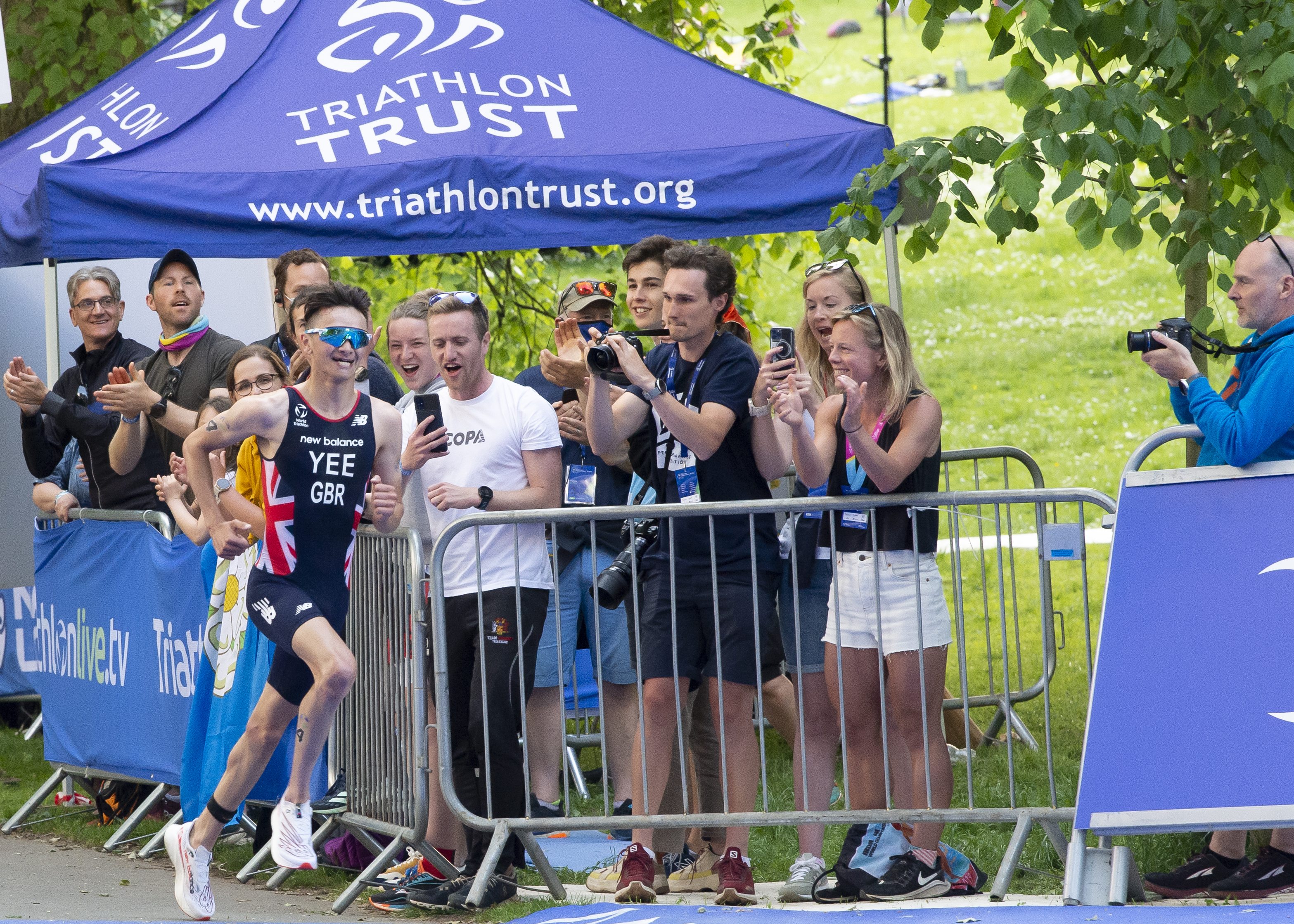
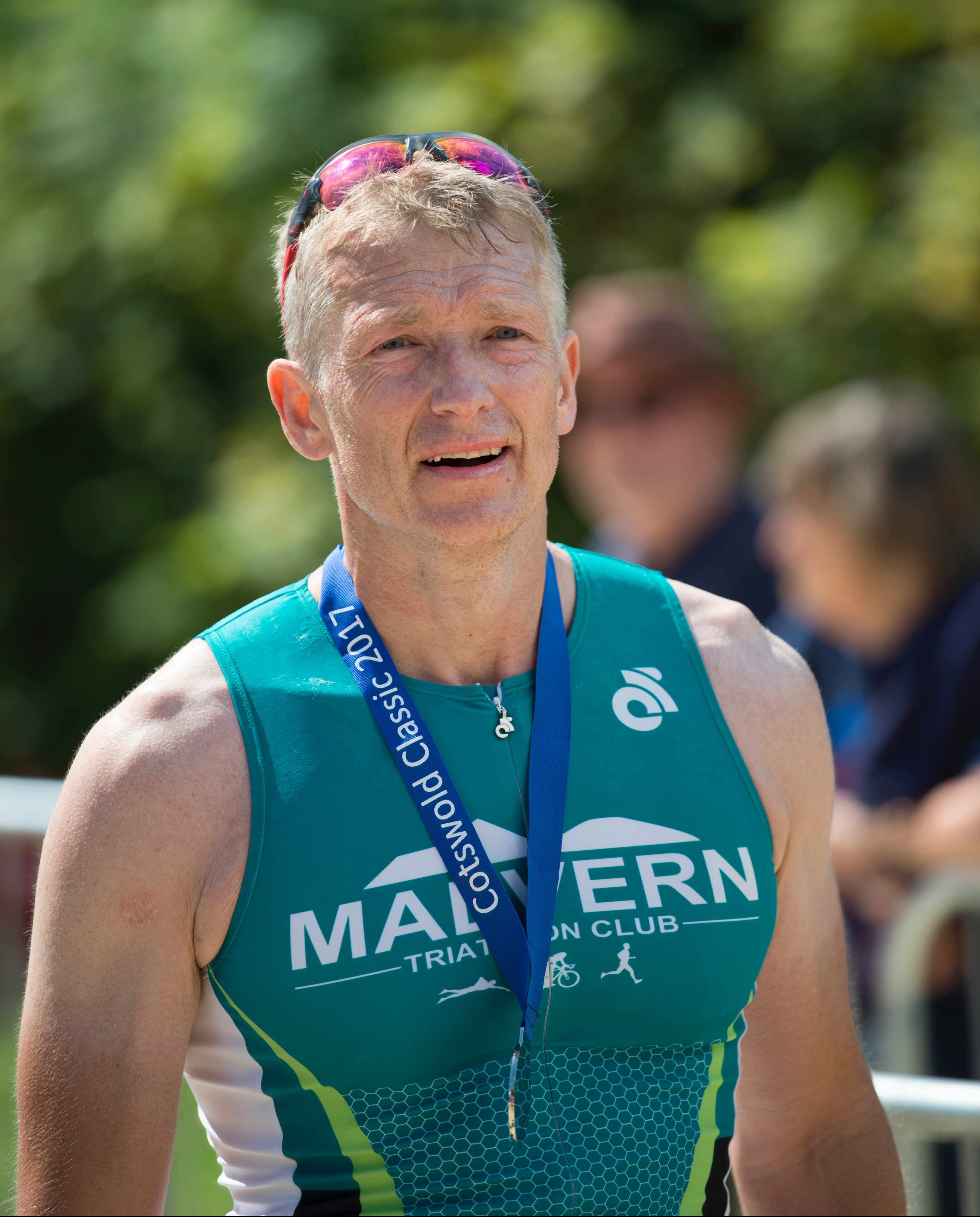
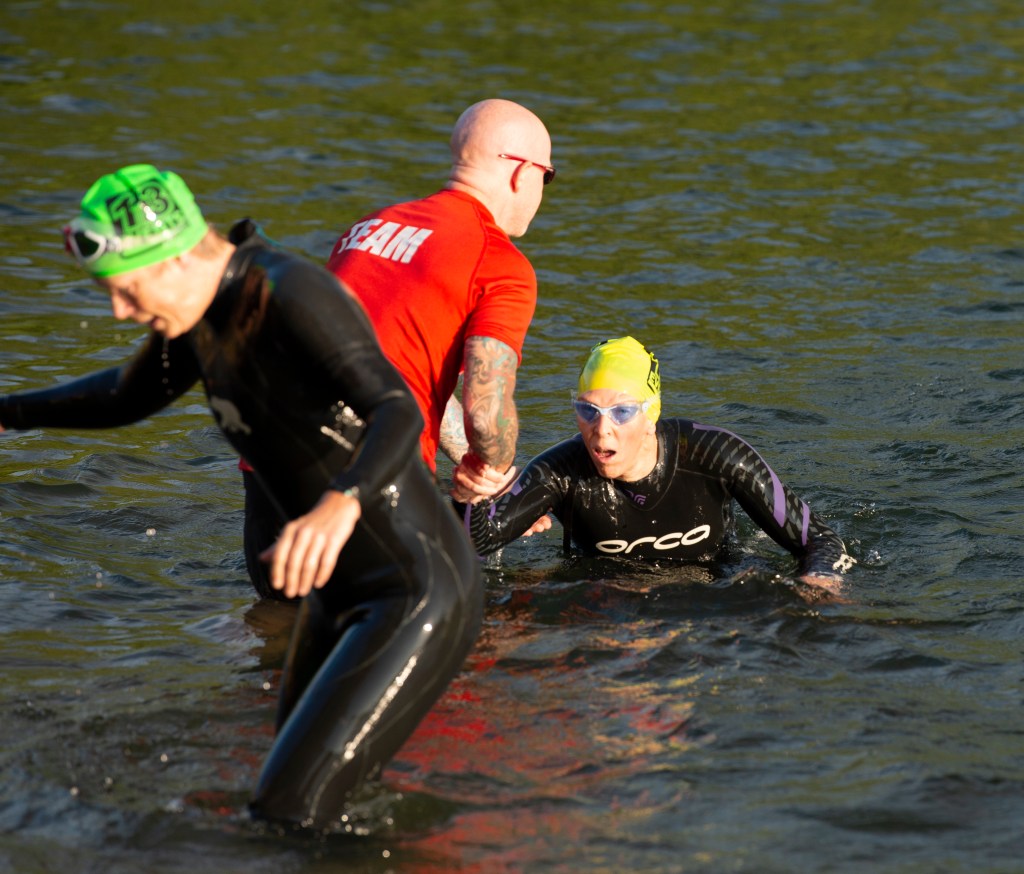
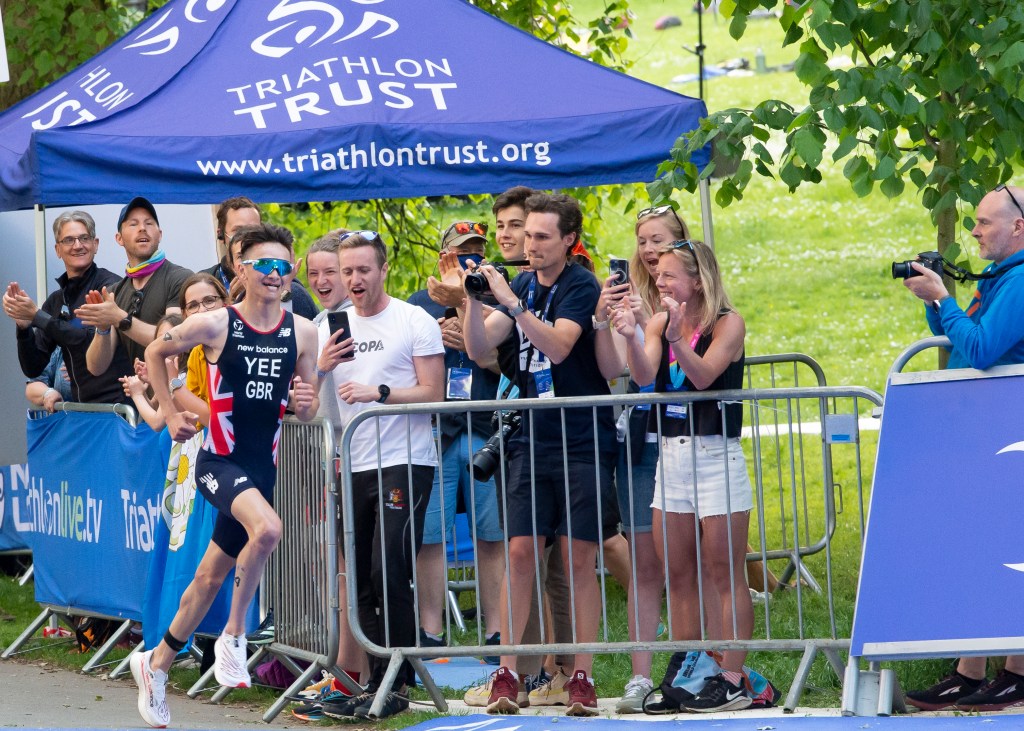
I elected to choose some images from my library that support the emotions of triathlon. I’ve supported many triathlons and even competed in some over the past few years and I’m always struck by the difference between being involved and being a spectator. In this series, I use the gaze to draw the viewer into the relationships between competitors and spectators set against the challenges of the event.

The Images

Reflection

Of the list of gazes postulated in the notes, the ones that interested me the most were averted and internal, where the subject isn’t looking at the photographer or engaging directly with the viewer. I think this comes more from historically seeing the direct gaze, where the subject looks through the camera at the viewer, as being traditional portraiture. There’s certainly a sense of ‘watch the birdie’ about them in their simplest form, even though as I mentioned in Project 2, the connection between the viewer and subject can be very powerful. For this exercise, I wanted to explore situations where the subject or subjects are engaging with something else in the frame, visible to the viewer or ‘off camera’

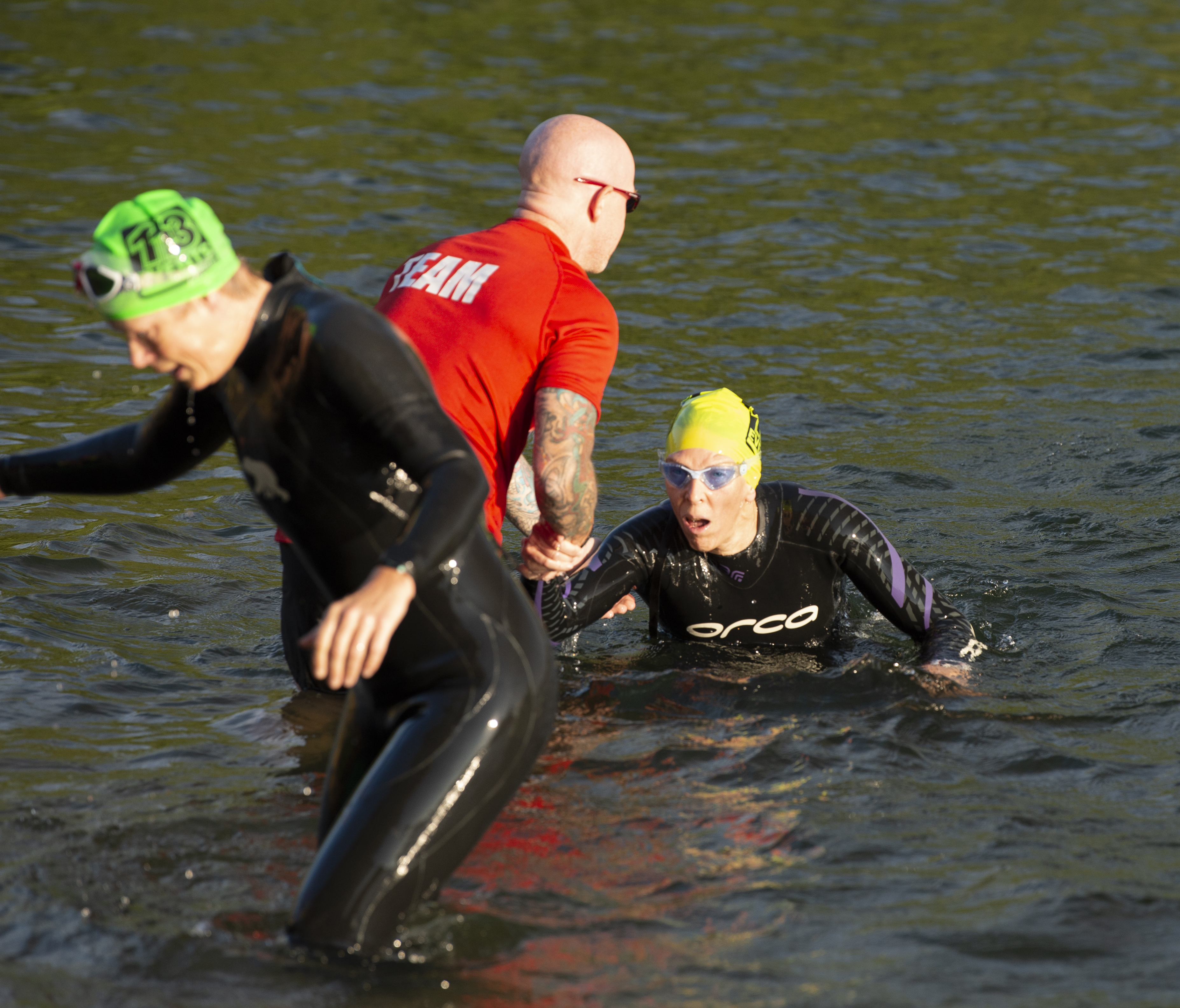
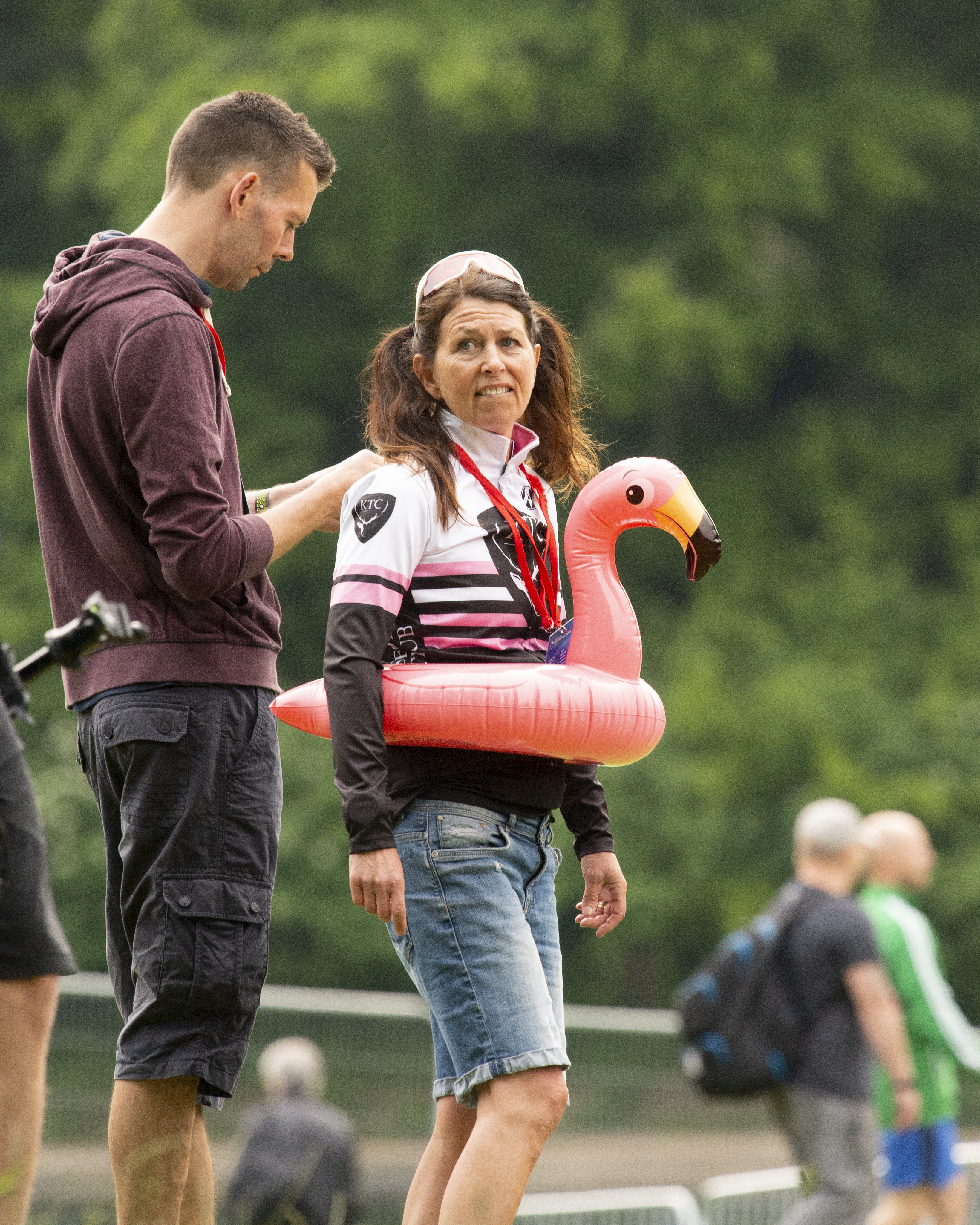
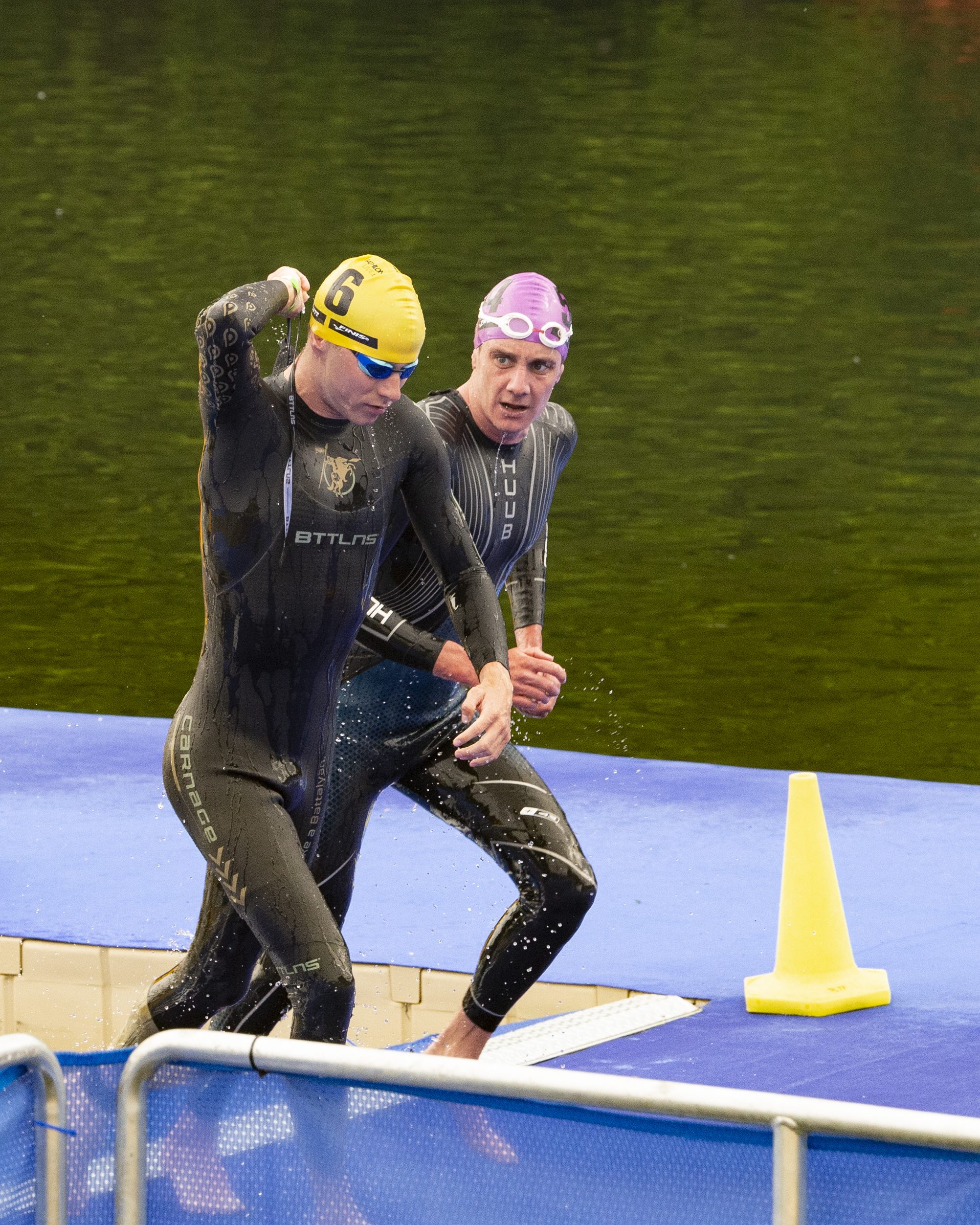
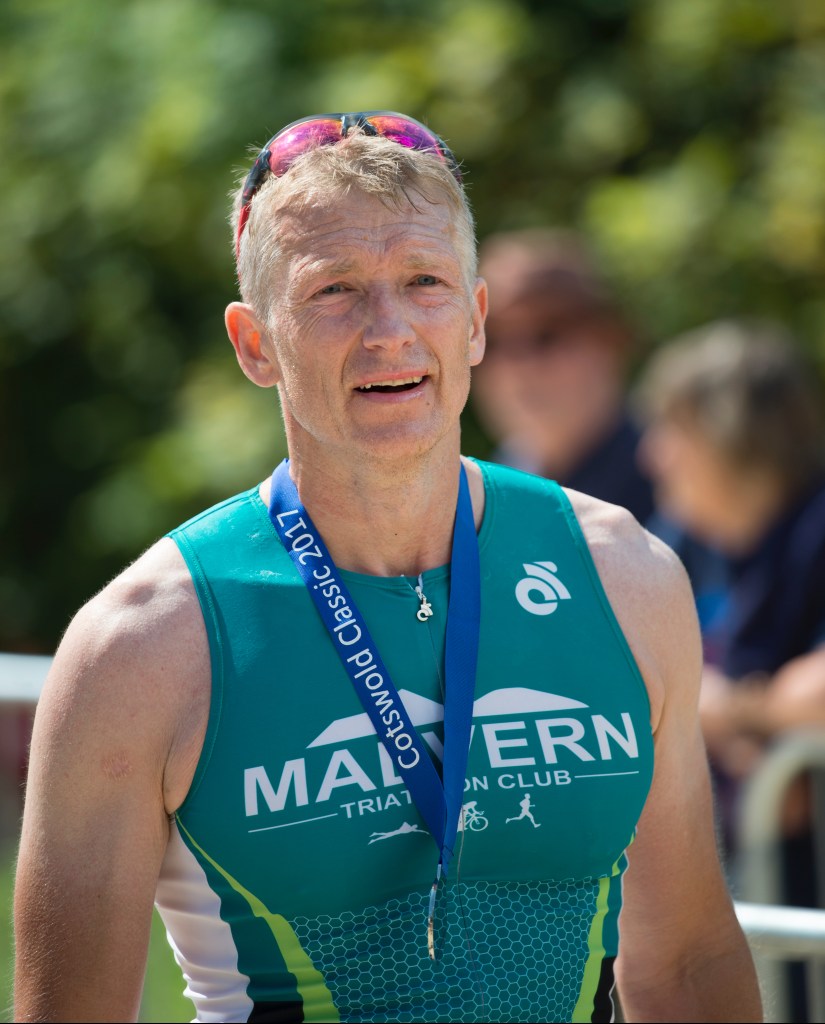
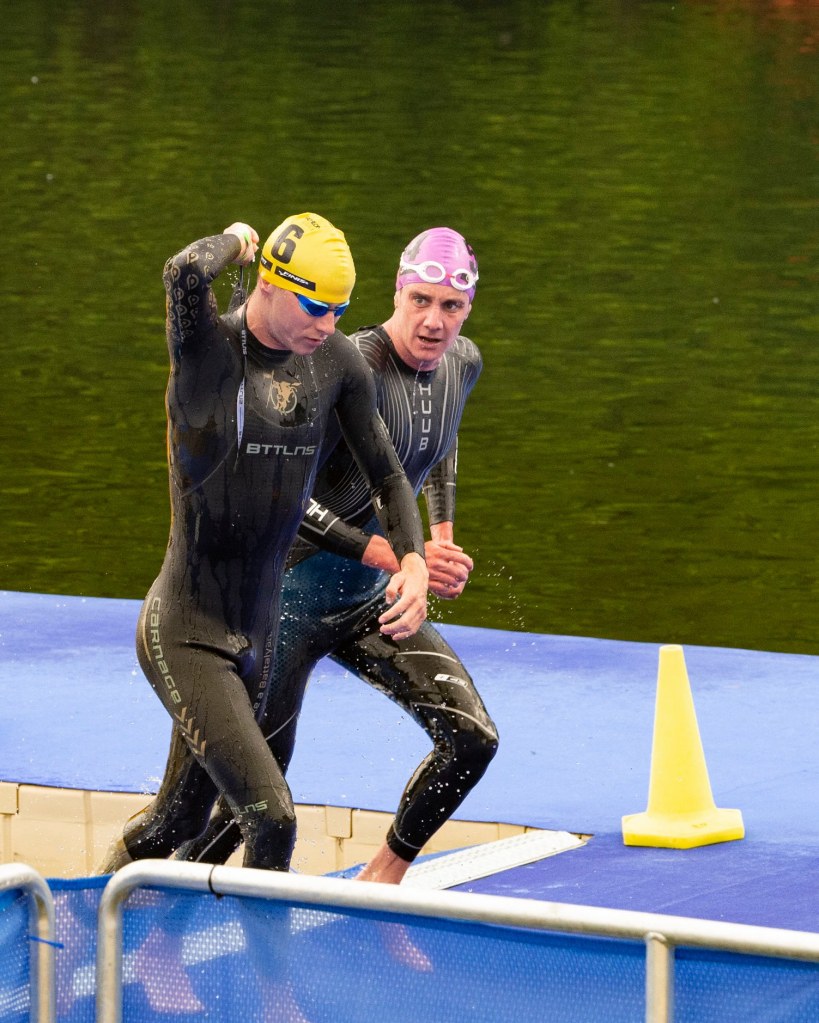
With this series of images, each subject is unaware of my presence, but connected with someone else. One is a shot of my wife completing the swim leg of a race, being helped out of the water. I chose this shot because of the subtlety of the communication between the two subjects in the frame. My wife is looking towards where she has to exit the water and the assistant is looking for the next swimmer he needs to help. Although their gazes are averted from the camera and each other, their communication is clear as he helps her find her feet after the long swim. Two is of a spectator I spotted at a recent event. Her peculiar outfit garnered a lot of attention but she was completely oblivious to it. Her averted gaze towards her husband seems to seek some form of engagement but he is ignoring her. Was he embarrassed or just distracted by something else more interesting than a woman wearing an inflatable? Three was shot during the recent Leeds triathlon and shows a competitor angrily addressing another athlete. It followed an incident where the former (Alistair Brownlee) allegedly impeded the other swimmer and was subsequently disqualified. The gaze in this image has a very clear emotion attached to it, but is made stronger by the way that the other athlete ignores the abuse, electing to focus on his own race instead. Four was the complete contrast to Three, where the winner of the men’s race (Alex Yee) was being cheered on as he turned toward the finish. In this image we have the joy of spectating a major event in the gazes of the supporters, but Yee isn’t looking at them. His focus remains on the race, even though he’s clearly ecstatic about his impending win. The image combines joy in the whole scene. I chose Five because of its closeness to being a direct gaze. It shows a local athlete after he’s finished a race and while his gaze might look as though it’s locked onto my presence as the photographer, the reality is that he’s not really looking at anything. This ‘thousand yard stare’ is fairly common when someone crosses the finish line and is usually replaced quickly by wanting to find their supporters or fellow competitors to discuss how the race went. For me, this shot allows the viewer to relate to that moment of vacated thought whilst asking the obvious questions about how he feels.

Conclusion

I chose the averted and internal gazes as the basis for this exercise because of the potential for observing a drama playing out. They follow the idea of the photograph as a memory in me because I was there and took the pictures. They further trigger memories of the many hours I have spent spectating at events, the considerable time that passes when waiting for my wife to pass the spot where I am standing (Two). They also remind me of the unfettered pride of cheering her on (Four). They further invoke memories of my own competitions as a swimmer, with the what goes well (One) and what goes badly (Three). The general sense of emptiness after crossing the line is fleeting but very powerful and the memories that Five triggers, include the sense of exhaustion but happiness at achieving the goal that many other athletes and sports people feel. My main conclusion from the exercise is that the careful selection of an image with a particular gaze strengthens the narrative of a small series like this one. The images don’t cover one event, nor do they cover every aspect of triathlon. However we get a sense of the atmosphere of competitors and supporters from the way that people interact with each other in the pictures (internal gaze). In this case, the viewer and photographer are observers but the memories of self-achievement, overcoming challenges and pride come through the series without any direct experience of triathlon being required. The increased exposure of this sport only serves to help the viewer appreciate what both groups of people go through in a similar way to our restorative nostalgia around the conflict in Afghanistan or the American migrants nearly 100 years ago. This tells me that the subject’s gaze does indeed increase or decrease the way we are affected by the postmemory and that it’s a potentially useful tool when photographing people.

3) Exercise 3: ​Reflecting

Write a reflection in your learning log about some of the ways in which marginalised or under-represented people or groups could be badly or unhelpfully portrayed

.● How might being an insider help combat this?

A friend and I were recently discussing my recent departure from my job through redundancy and whether or not I missed the field in which I had worked for nearly 32 years. My answer wasn’t a straight-forward one as there were elements of the work that I really enjoyed, but not so much the increase in the mediocre administration that the company expected of people at my level. My friend was struck by one part of my answer though, which was about feeling out of date with the increasing number of younger engineers and budding managers coming through the business. I explained that although I was only 48 years old, I had been working since I was 16 and had seen a great deal of change during that time. I had always felt that I had an affiliation with the younger crowd because I remembered what it was like to be like them at a time that felt like it was not all that long ago. During my last couple of years, I had felt like I understood this less than before.

We explored the reasons why that might be the case and I realised that it was driven by the advent of communication of ideas. Mobile phone technology coupled with the emergence of social media meant that people of the millennial and Generation Z age-groups had different ways of anchoring their ideas to my generation (X) and perspectives through technology and the culture that it establishes. Every subject has a new set of references upon which it is established, which means that the younger generations often don’t often feel the need to learn directly from people in my age group. This sense of disconnection coupled with the enhanced sense of social equality and questions around how to solve the climate crisis, make me feel like my input is somehow not as valuable as the popular views circulated online. For me, this has been brought into focus during the pandemic, where some age groups took COVID-19 to be more or less serious than others. False data and disinformation put some of the socially vulnerable groups at enhanced risk as a result.

I thought about how my generation is represented and how it could be improved. The middle age generation has experienced national strikes in the 1980s so are often either very suspicious of union representation or whole-heartedly embrace it. We experienced the financial boom and bust period of the 1980s which cost people who had been brought up to want to be homeowners to lose huge sums of money as a result. We also saw the introduction of personal computers and their rise to being in virtually every home, as well as the Internet, mobile phones and online shopping becoming the norm. I once asked a group that I was training at work whether they had ever booked a holiday from a travel brochure and they all looked at me as if I were mad. My perception of how my generation is represented is similar to how I viewed my parents as a teenager. They couldn’t understand because their life experiences didn’t directly mirror mine. I think the same is true for the generation below me.

In terms of how groups are represented, we have looked at the works of artists who assumed a role in either their cultures or lives in a variety of different ways. When considering Nicky S Lee’s Projects series’ [1] where the artist took on the physical characteristics of a culture or age group and photographed herself in character, there are two arguments that can be made. The first is that imitation could be read as complimentary and ridiculing in equal measure. Certainly when Lee masqueraded as an elderly women and kept the truth from her ‘friends’, it could be said that there was a strong sense of mockery involved. The second is that as a South Korean woman, Lee was saying something about what it’s like to be different, but in the case of probably her most controversial series where she posed as a rap fan, she is potentially mocking the stereotype that they are all black and live in deprived inner city areas. In a way, the act of reinforcing stereotypes, which I think Lee did with that series, makes it harder to see that community as anything but intimidating and offensive. The truth is, of course that rap music is loved my millions of people across the whole spectrum of society. In this case, a true insider would need to contrast with that perception of the culture and represent it from a wider point of view. I believe that key to representation is the respectful way that a subject is treated. In the case of representing the middle aged, I would pay more attention to how they still drive the direction of technology and political fairness with positive examples as opposed to the traditional narrative that they are out of touch. More focus on the way that they embrace the modern world and its conservation as opposed to being somehow grumpy, irresponsible and uninterested would help support the new narrative also. In considering this exercise, I thought about Brotherus’ Suites Françaises and how it chronicles a blending of European cultures in a sympathetic way. Brotherus’ use of French words to describe individual items in her apartment not only reveals her challenges in grasping its complexity but also reveals the beauty of the language. Her later revisiting of the work includes long, triumphant texts that show that anything is possible with hard work. This representation is both respectful and insightful, without being obvious.

References

[1] Fletcher R, 2020, “3) Project 2: Masquerades”, OCA Blog Post, https://richardfletcherphotography.photo.blog/2020/08/21/3-project-2-masquerades/

3) Exercise 2: ​Your Personality

Make a list of some aspects of your personality that make you unique.

  • Start taking a few pictures that could begin to express this.
  • How could you develop this into a body of work?

My Characterstics

  • Loving – I care a great deal about my family, friends and the natural world.
  • Emotional – not someone who hides how they feel.
  • Dry – I make my friends laugh with this kind of humour
  • Disorganised – despite my working life, I’m not great at prioritising. I don’t make lists.
  • Anxious – I worry about pretty much everything

The Pictures

Reflection

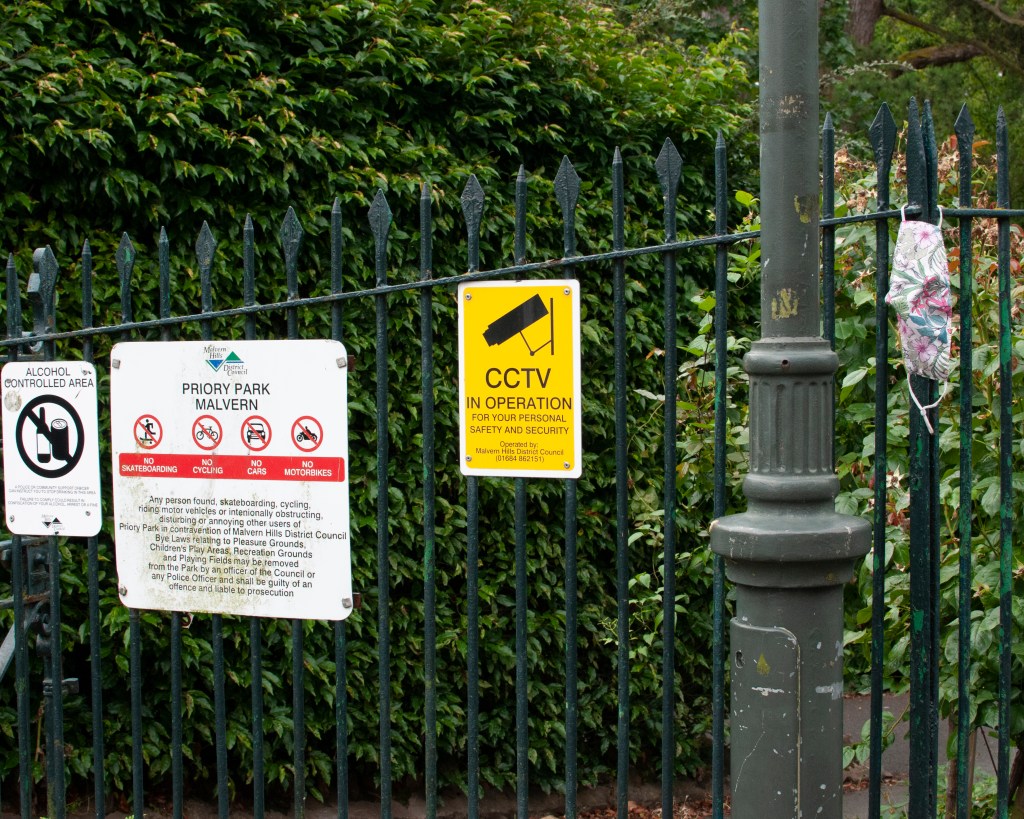
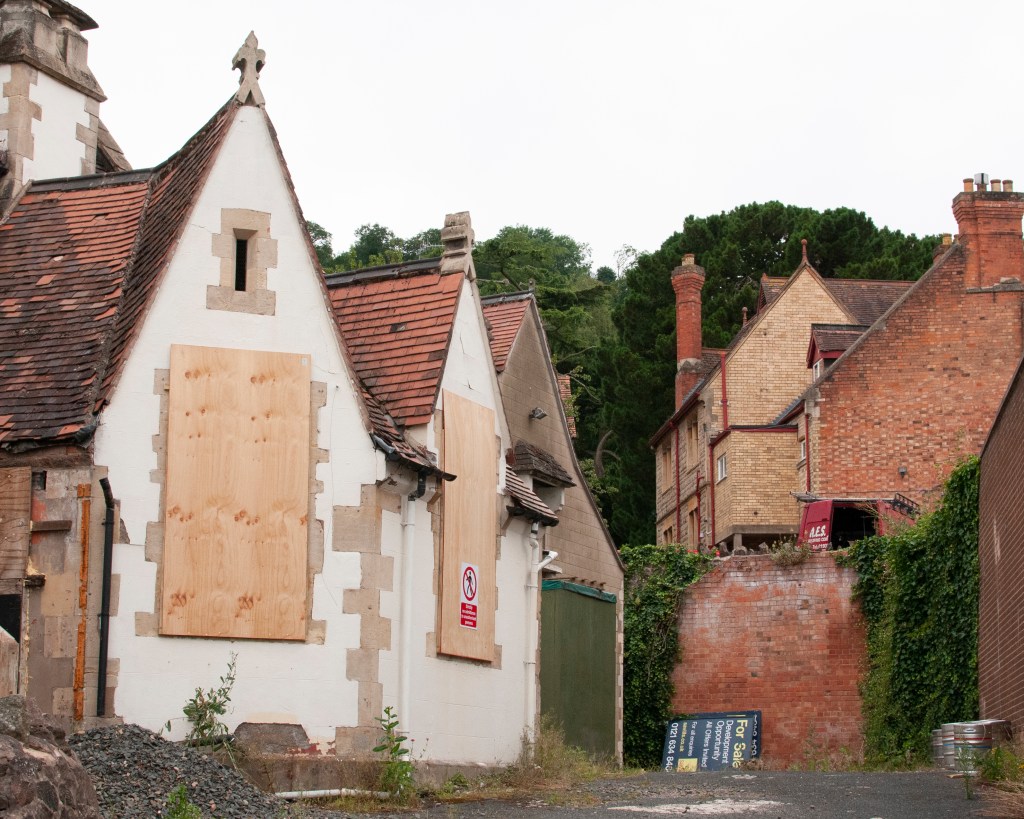
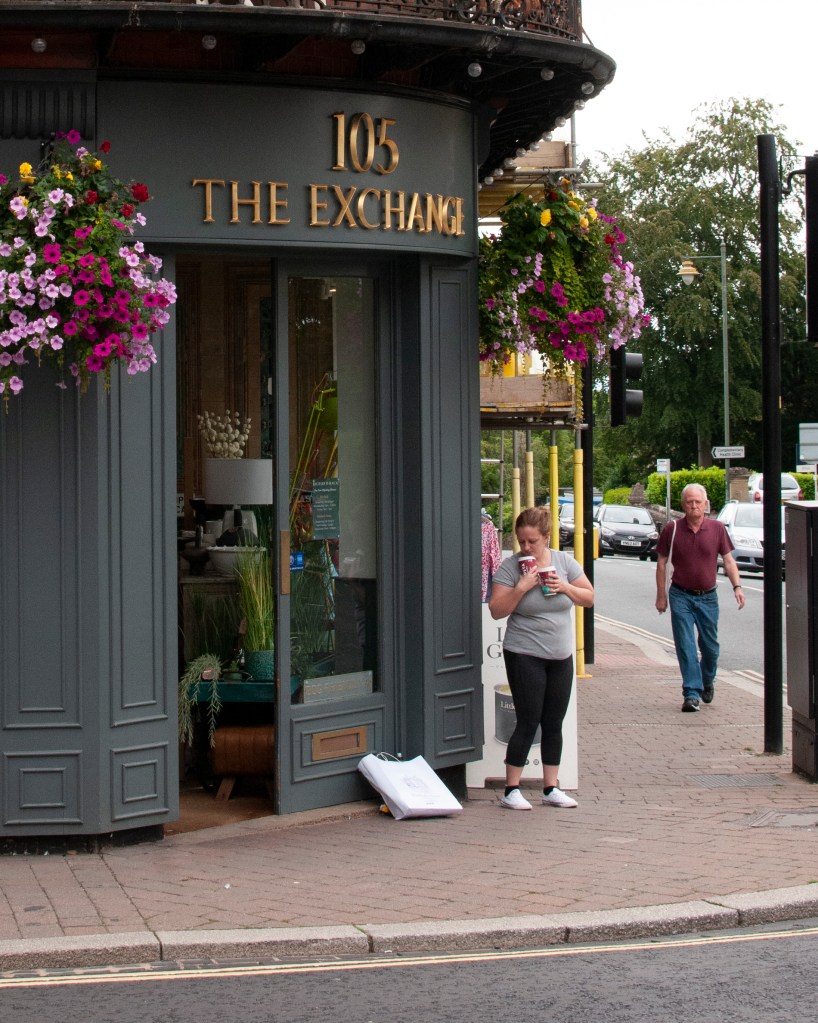
For these shots, I wanted to express my personality using metaphor rather than something physical that identified me. I wanted to represent my identity solely by shooting places. I didn’t have a plan for these as a series, instead looking for subjects that I felt represented some of my traits. Although not exhaustive, there were a few themes that presented themselves in these images. Humour and Anxiety feature more than the other traits. However, my sense of being outwardly emotional as well as loving/caring were conscious thoughts when I was looking for subjects. I think that most things fell into the categories of making me laugh (as with the picture of the Queen and the discarded mask amongst the prohibition signs) or making me think about how I feel most days, which is anxious or somehow affected by something emotionally. With Disorganised, I observed the woman struggling to balance her drinks and hang on to her shopping bag as humour before realising that it represented disorganisation. With Sad, I noticed for the first time that the building had been boarded up, which made me feel like there wasn’t a plan for it. The broken ‘For Sale’ sign further added to that feeling. The link to mirrors in all of the photographs is subtle and because I’m not in the shots, it’s very much my influence of the photographs that give meaning to them rather than being straight portraiture.

In terms of developing them as a series, I would consider choosing traits that I’m perhaps not so aware of. I’d ask my friends and family to help define them and try to limit the series to those rather than using my self-image. I’d choose this approach because I have a tendency to focus more on the things that I experience the most rather than being balanced in my thinking. I could make a series that represents my sense of humour through irony (instructions, human behaviours etc) – Ive always had a resentment for petty authority attitudes, e.g. over-zealous security guards. There could be an interesting series exploring my relationship with authority and how it changes when it becomes more serious. Despite my issues with petty authority, I have a great deal of respect for the law and the police. The series could ask the question about where I feel one ends and the other begins. For the series, I would definitely want to include other people as actors rather than the in absentia style as with Nigel Shafran’s work [1]. For me, the mirror still needs to be connected to the photographer in a way that can be read by the viewer. For example, although Mary Kelly’s work is not photographic in nature, she created work from her own personal notes and artefacts which not only reveals the subject of the series, but also the woman who created it. In Eijkelboom’s early work, he both appeared in person or as a facsimile through his clothing or even a print of his portrait. I feel that this direct connection however subtle, strengthens the subject with what the photographer is trying to say about themselves or their perspective.

References

[1] Fletcher R, 2020, “Project 3: Self-absented Portraiture”, OCA Blog Post, https://richardfletcherphotography.photo.blog/2020/09/04/3-project-3-self-absented-portraiture/

3) Exercise 1: Mirrors and Windows

Go through your photographic archive and select around ten pictures. Separate

them into two piles: one entitled ‘mirrors’ and the other entitled ‘windows’.

  • What did you put in each pile and why?
  • Did you have any difficulties in categorising them?You may like to repeat the exercise with some different images and record your responses. It would be interesting to see you place the same image in both camps and review your reasons for doing so.

The Images (unsorted)

Mirrors

M1
M2
M3
M4

Windows

W1
W2
W3
W4
W5
W6

How I chose to categorise the photographs

M1: this was shot during the first lockdown. A local antiques shop dressed the bears to be humorous but also as a reminder of the new restrictions on social distancing. For me, this is a mirror because I was definitely feeling the anxiety of how COVID might develop. In shooting this picture, I was expressing my own fears and my sense of humour that was trying to combat them.

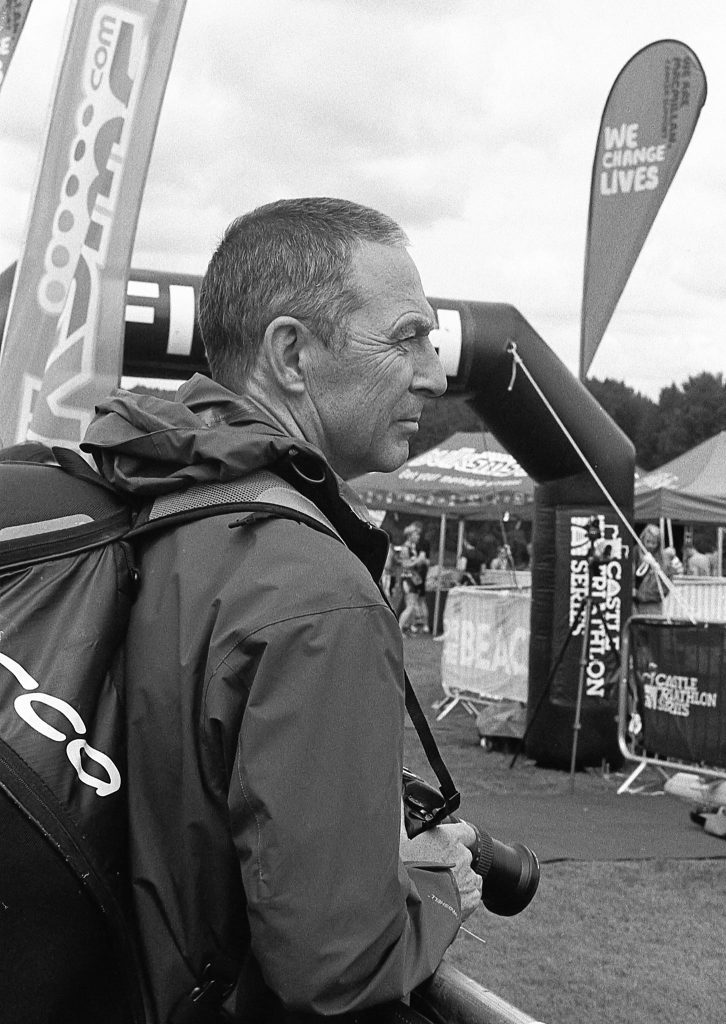
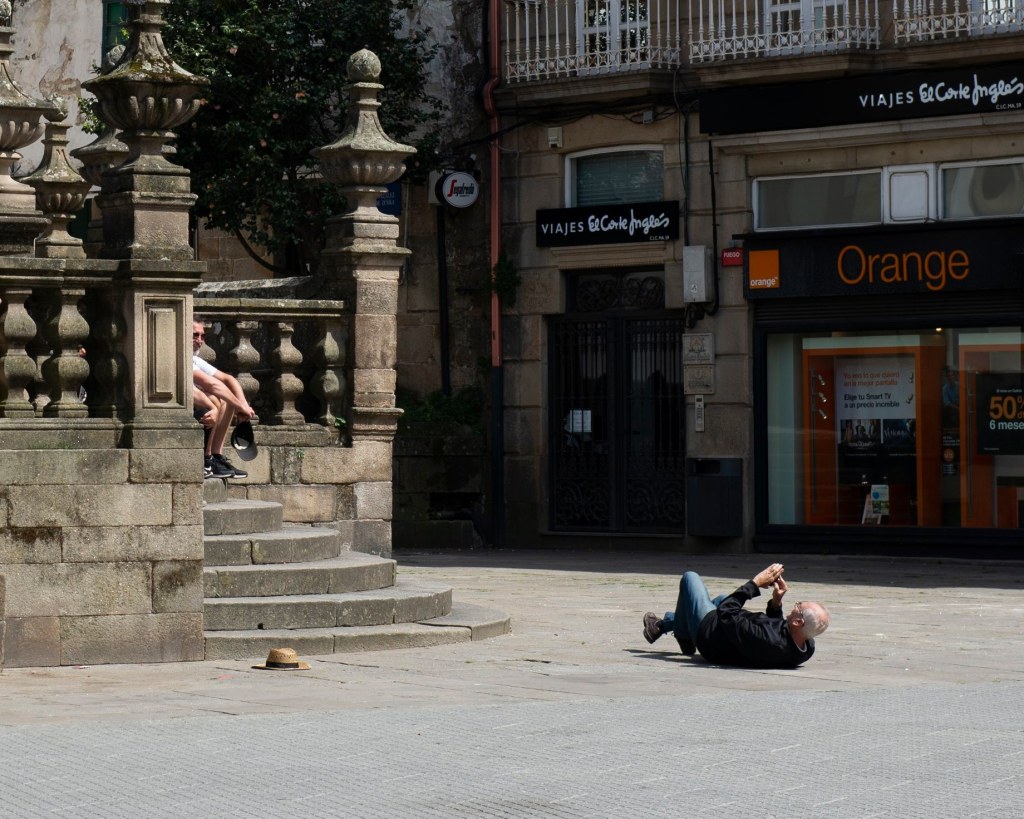
M2: this is a mirror because it shows it represents my own experiences as a sports supporter and photographer. The subject’s staring expression as he waits for his wife to come into frame is something that I am very familiar with.

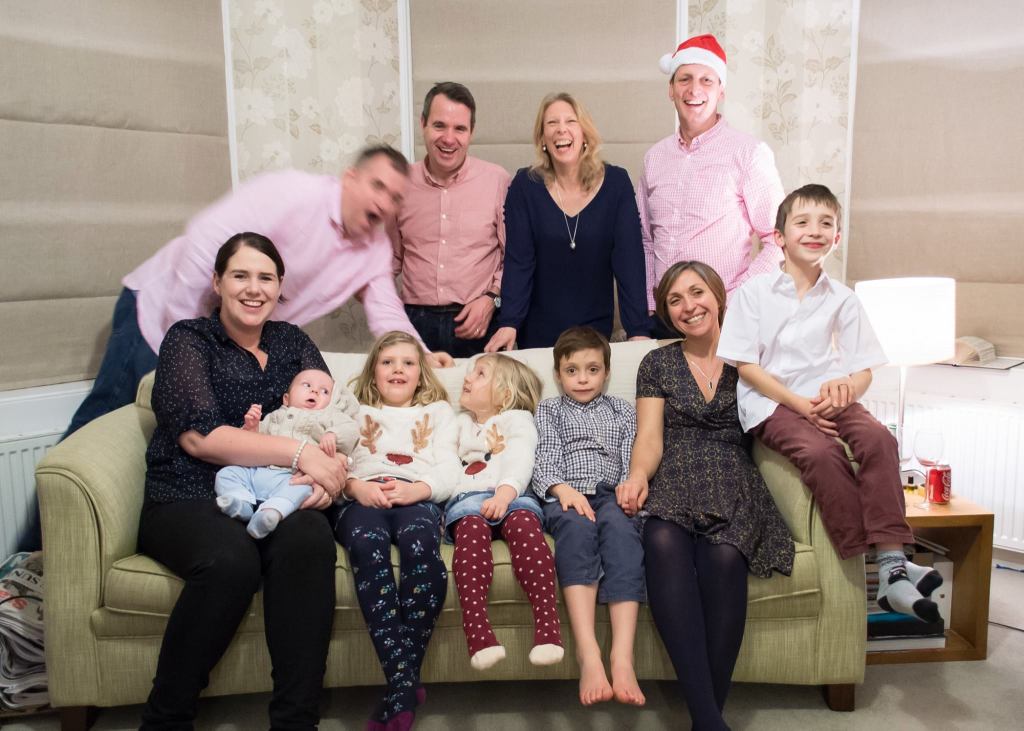
M3: this is a more obvious selection as a mirror because it is a family portrait that I am in. When I look at this picture, I naturally see my struggle to get in the frame (I got stuck between the radiator and sofa), but also the interplay between the members of my family. The image reflects my feelings of love and humour for my family

M4: this shot was selected as a mirror because if the way I was part of the scene as a tourist. Most people were taking conventional, even boring photographs of the cathedral, but this man decided to mix things up. I chose it as a mirror because I don’t have that natural sense of inhibition so it almost reflects how I would like to be in a photography situation.

W1: I chose this shots as a window because it shows the Olympic triathlete Alistair Brownlee remonstrating with another competitor during a recent race. I had picked up on the story that Brownlee had clashed with someone in the water and the rumour was that the offence got him disqualified. This shot is a window into the immediate aftermath of that incident as both athletes left the lake and a documentary shot of the drama unfolding.

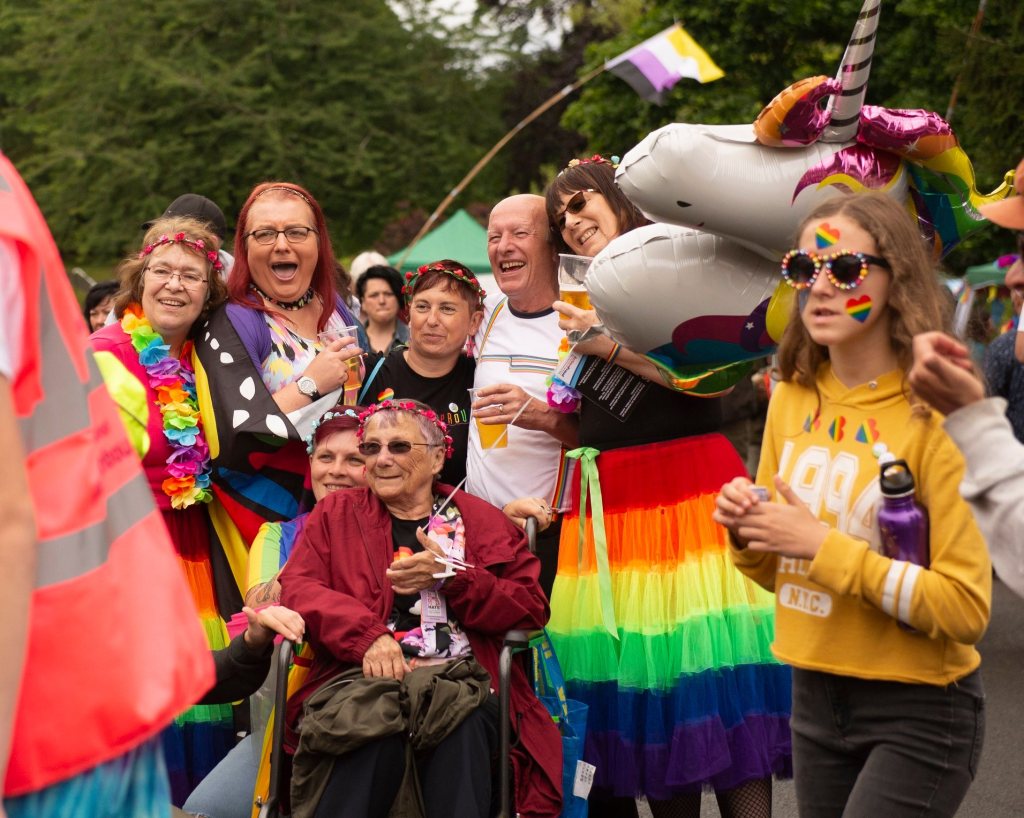
W2: I chose this shot from Malvern’s first Pride event in 2019. It’s a window because as a straight person, I cannot really relate to Pride in the same way even though I appreciate how important it is. With this sense of being an observer, I look at this picture and immediately get the sense of fun and joy of the day.

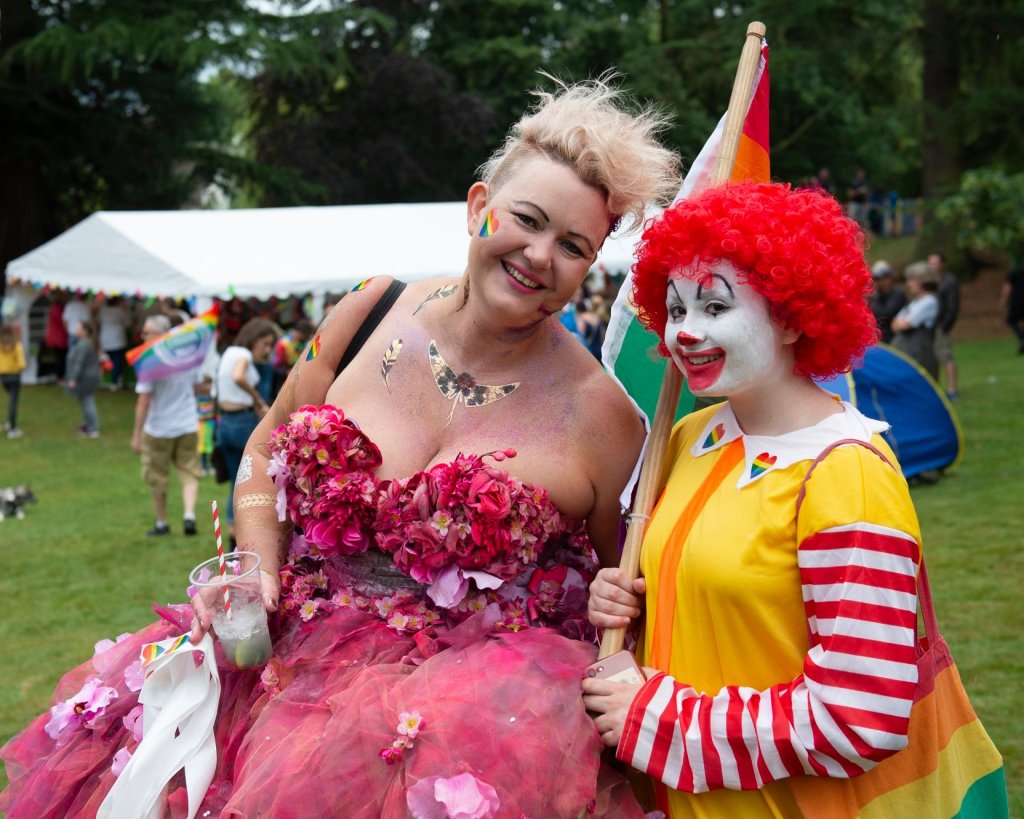
W3: this was shot at the same event. This wonderful couple were the most strikingly dressed at the event and I loved watching the way they engaged with the people around them. When they agreed to a picture, I recall being struck by their sense of joy and love for each other. Again, I related in the way that I did in W2.

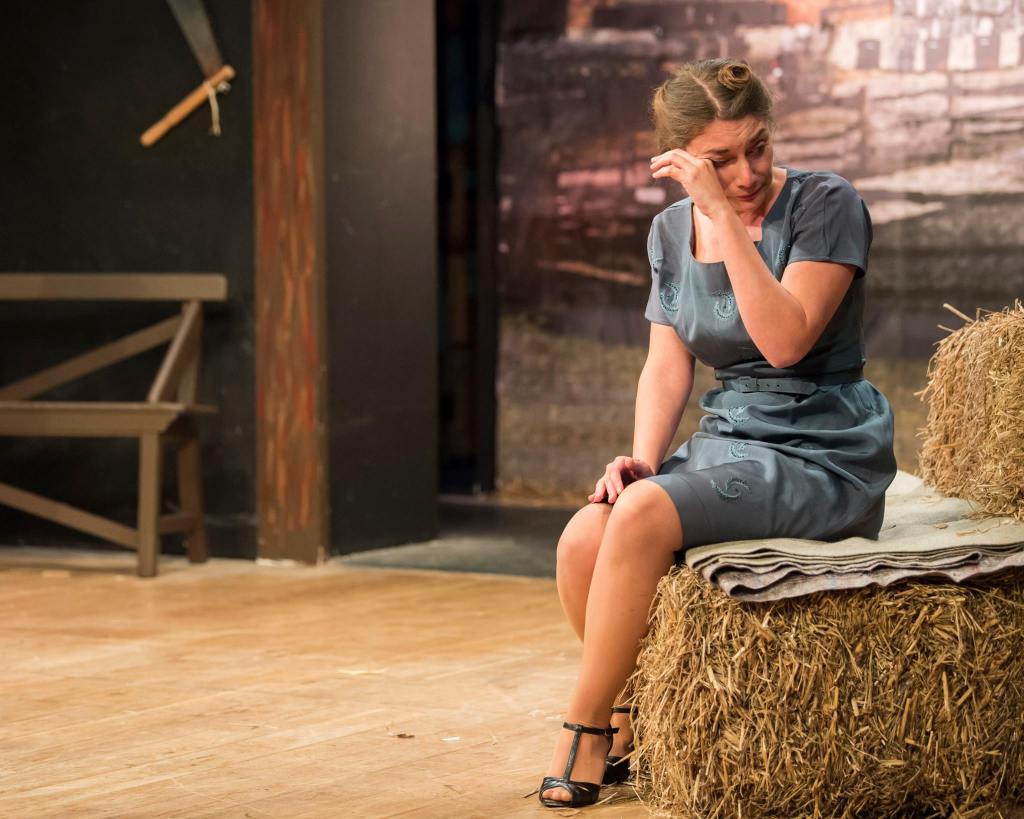
W4: This photograph was from a series taken at the dress rehearsal for a play. The shoot was formal and for use in publicising the production, so the contrast between this scene and my act of photographing made me think of it as a window.

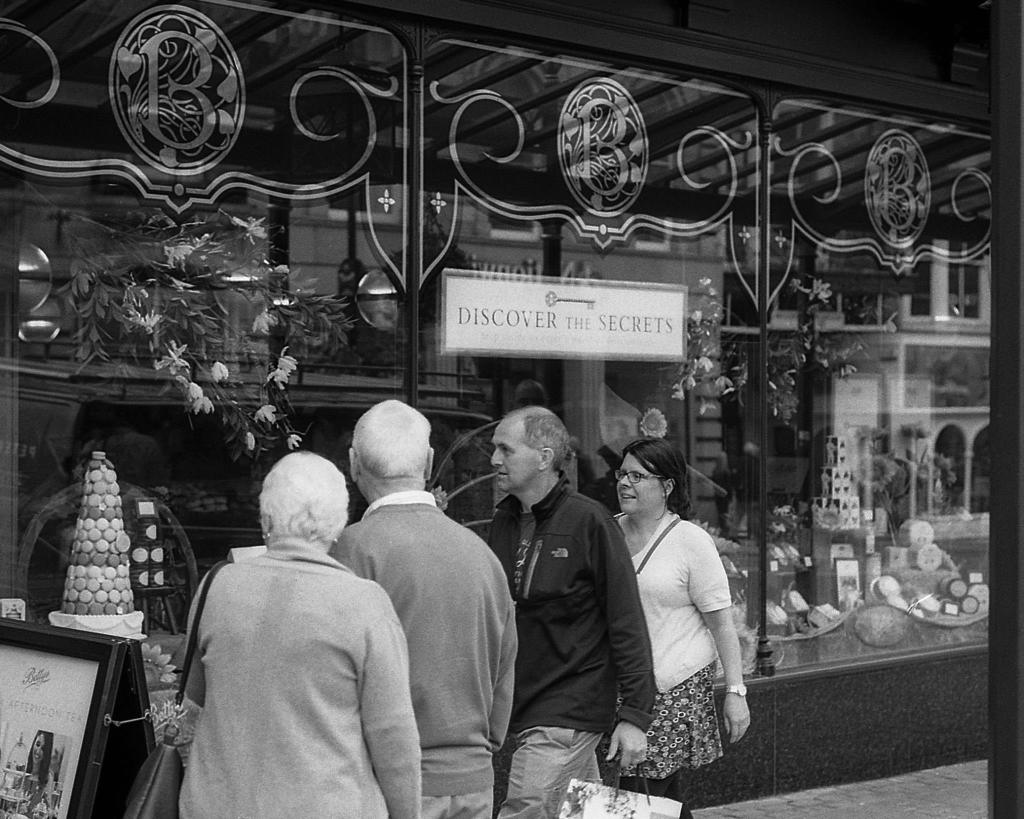
W5: this shot was an observed and shot in the ‘street style’. I was drawn to the people looking into the window of Betty’s Tearoom, Harrogate. as someone very familiar with the tearoom and the town, I was interested in how the window display lured people in. I saw this as a window because the composition includes context that shows the tearoom as a quaint piece of English history but nothing of how I see it as a Mecca for tourists.

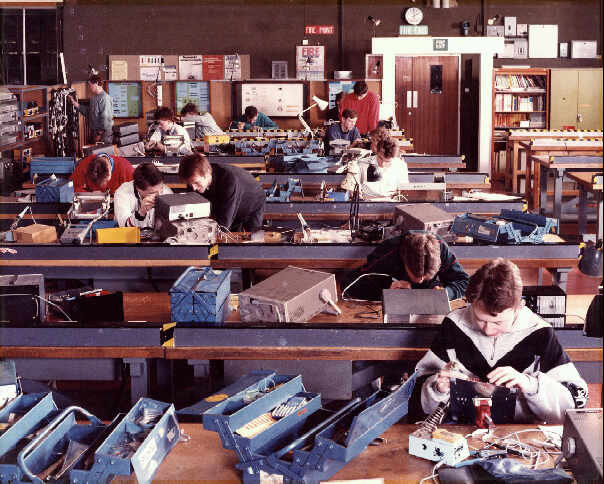
W6: this final image was shot taking in 1990 when I was an engineering apprentice. I am in the photograph but saw the shot as a window into our daily lives, which was certainly the intent of the photograph. It was used to document a specific part of the history of the site and since my rescuing it in 2000 before the building was demolished, it has been used by various historical bodies as part of local history exhibits.

Challenges in the selection

This was an interesting exercise as there are many interpretations of mirrors and windows. Some of these shots were easy to select, for example M3 being a representation, albeit accidental, of the closeness of my family and my place within it. However, the shots that caused me difficulties were M1, W3 and W4. When I saw the bears in the window, it prompted me to reflect on my own concerns about COVID, which is why I took the picture. However, I didn’t make any effort to represent my fears in the image, instead just capturing the contextual elements that stood out. The idea of social distancing was new but the inclusion of the gas masks, which connotes the invisible threat in historical terms, makes the image a powerful one. However, somebody else viewing the image wouldn’t necessarily recognise my intent for the picture. Similarly with W3, I was struck by the love and affection between the two women which I believe is represented in the image. My intention was to represent them in the context of our first Pride event, but someone with homophobic views might interpret the picture as a mirror for prejudice i.e. ‘look at how weird these people are’. There is nothing in the photograph that directly leads the viewer to my intent. With W4, the impact of the play’s theme and the intentional suspension of reality that is associated with fictional drama lead the viewer to relate to their own experiences. I ask myself why I shot this particular moment and the answer is most likely because like most people, I’ve experienced the pain of a failed romance (the context of the scene). Perhaps in shooting the isolated girl wiping tears from her face, I am relating to my own experiences and influencing the overall look of the picture.

I found this exercise interesting because I would question the assignment of ‘mirror’ or ‘window’ as a label for another artist’s work. As the course notes indicate, there is no clear assignment of these ‘categories’ and the blurring of the two is driven by the perception of artist’s intent by the viewer. As with W3, the way the photograph is interpreted depends not only on what I saw when I asked the women for the portrait, but also on whether the image is part of a series about Pride and the viewer’s preconceptions about the event and the gay community. I was trying to represent their personalities and love for each other, but this could just as well take a darker meaning related to prejudice and fear of being different. I intend to look more closely at Szarkowski’s theory in a learning log post.

2) Exercise 3: ​Same model, different background

Consider the work of both Callahan and Germain, then select a subject for a series of five portraits, varying the locations and backgrounds. The one consistent picture element must be the subject you have chosen, who must appear in all five images. Think carefully about where you choose to photograph them, either using a pose that offers a returned gaze to the camera, or simply captures them going about their daily business. The objective once again is to visually link the images together in some way.

You may choose a family member as a subject, like Callahan, or agree to photograph a colleague or friend, or even a willing participant who is either known or previously unknown to you, like Germain’s story about Charles Snelling.

Present your five images as a series and write around 500 words reflecting on the decisions you made. Include both of these in your learning log or blog.

My Idea

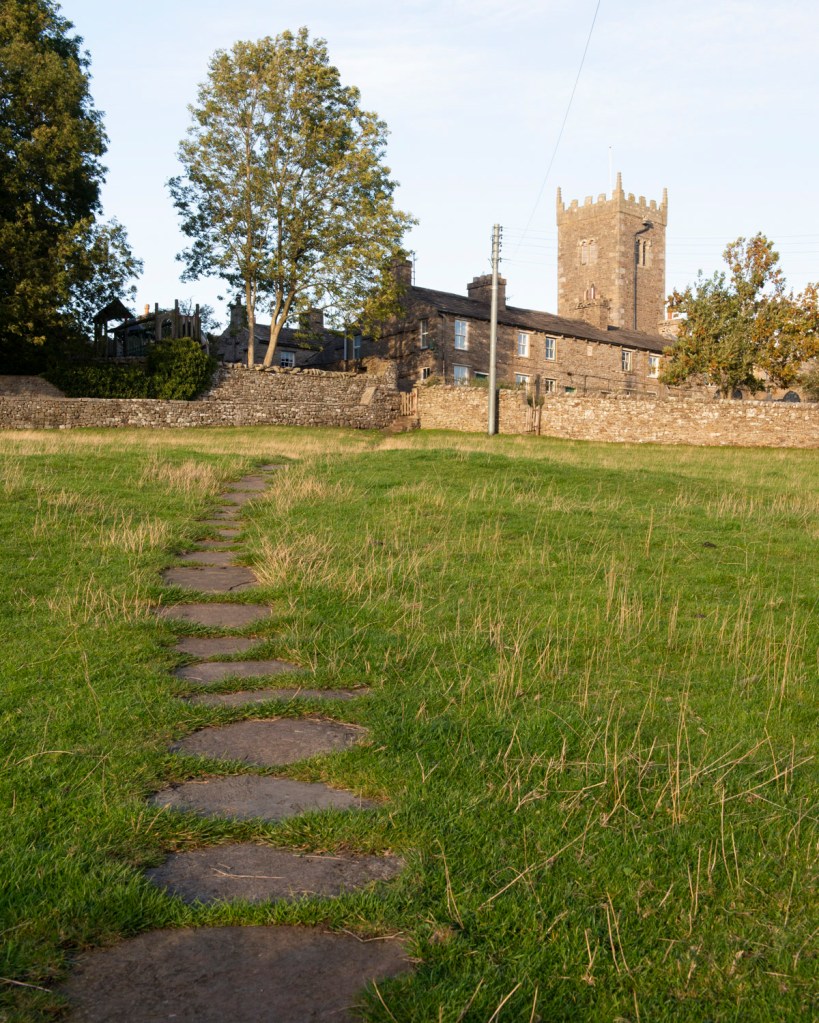
I was looking at my social media feed recently in response to a comment that a friend made about how few pictures there are of me. As most of the pictures I have shared over the years are of my wife, family and friends, I had to agree. When I do appear, it’s usually when we are on holiday or at an event or dinner. I considered how these few photos are a document of key points of my life and when I revisited them, how I had changed since they were taken. During Project 2, I was drawn to how the people in Meadows’ Omnibus project changed but remained recognisable in the 25 years between the shoot and the retrospective [1]. My initial idea was to select pictures from my Facebook feed and shoot current portraits of me wearing the same (or similar) clothes. I have home cinema in my house, so I would use the projector to make the photographs my different backgrounds. I would then position myself in front of the projected image and make the new photograph. I wanted the look of the series to resemble the background overlays used in movie scenes before the advances in CGI (see below)

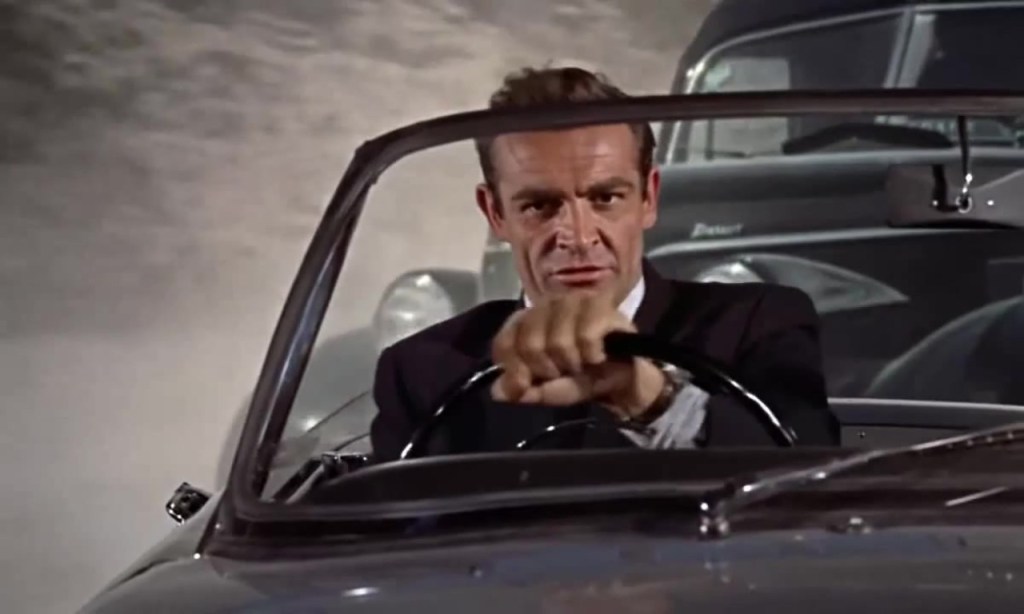
From the film Dr No (1962)[2]

As we can see in the still from the film Dr No, Sean Connery is shown in a car chase with a clear difference between the actor and the background. In reality, the car was shot on a stage with a back projection of a chasing car behind it.

A Change of Direction

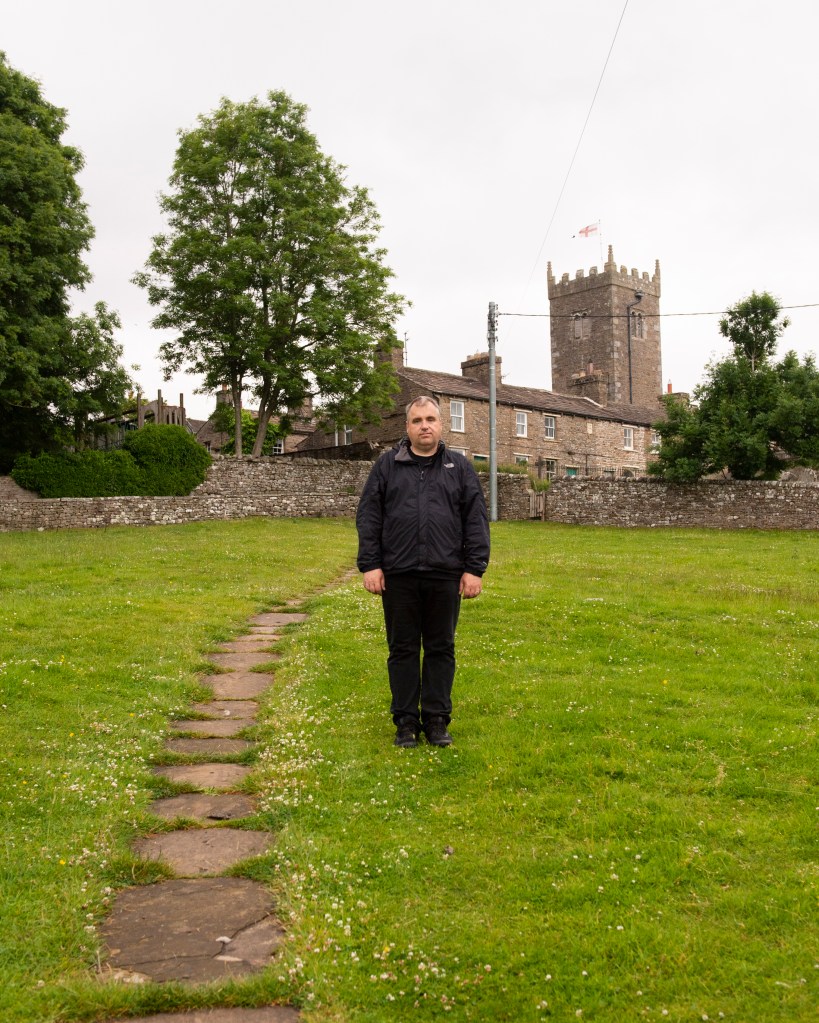
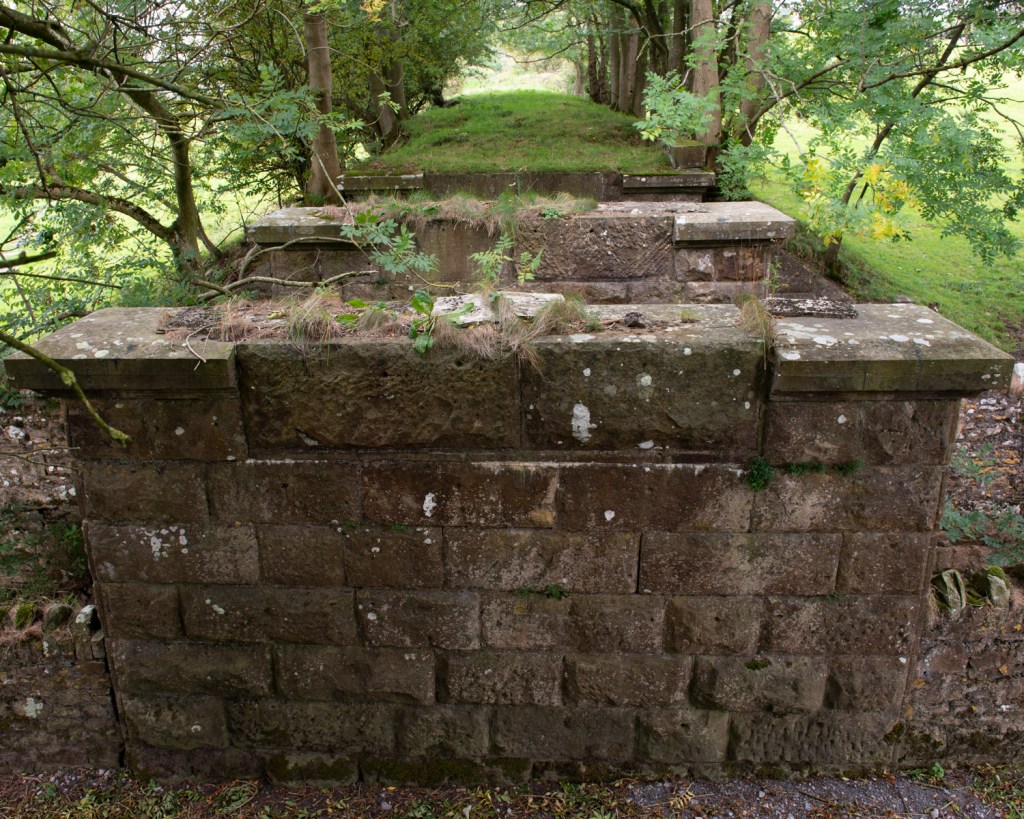
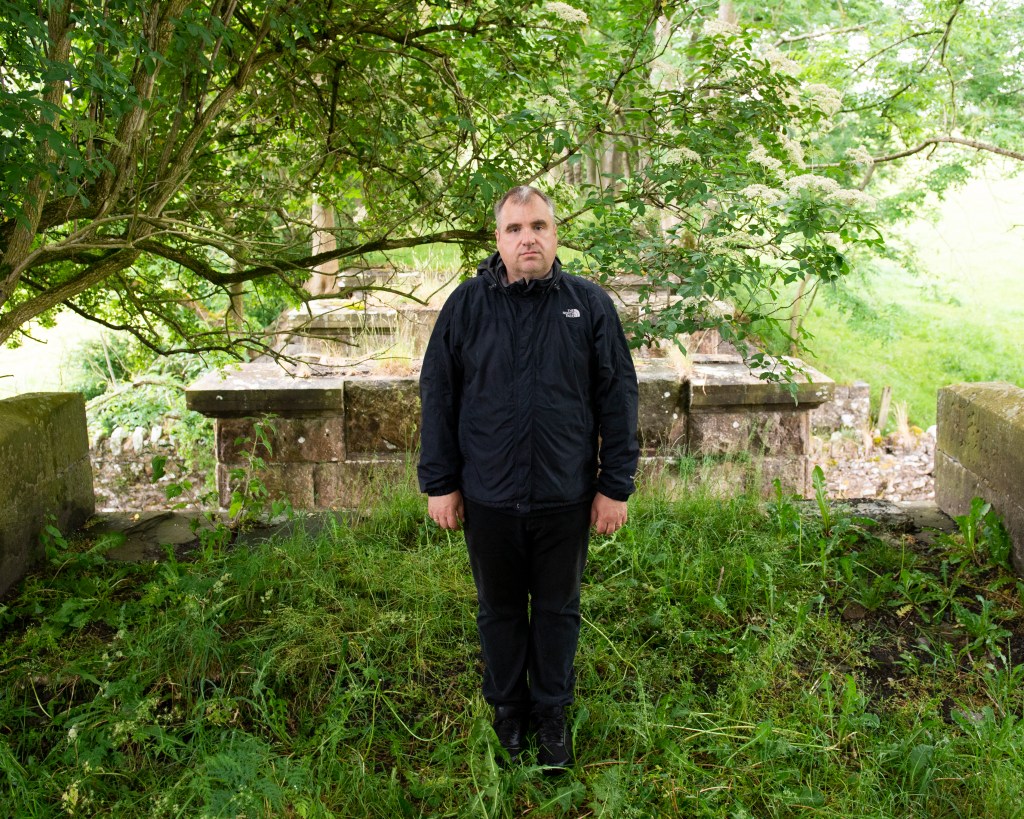
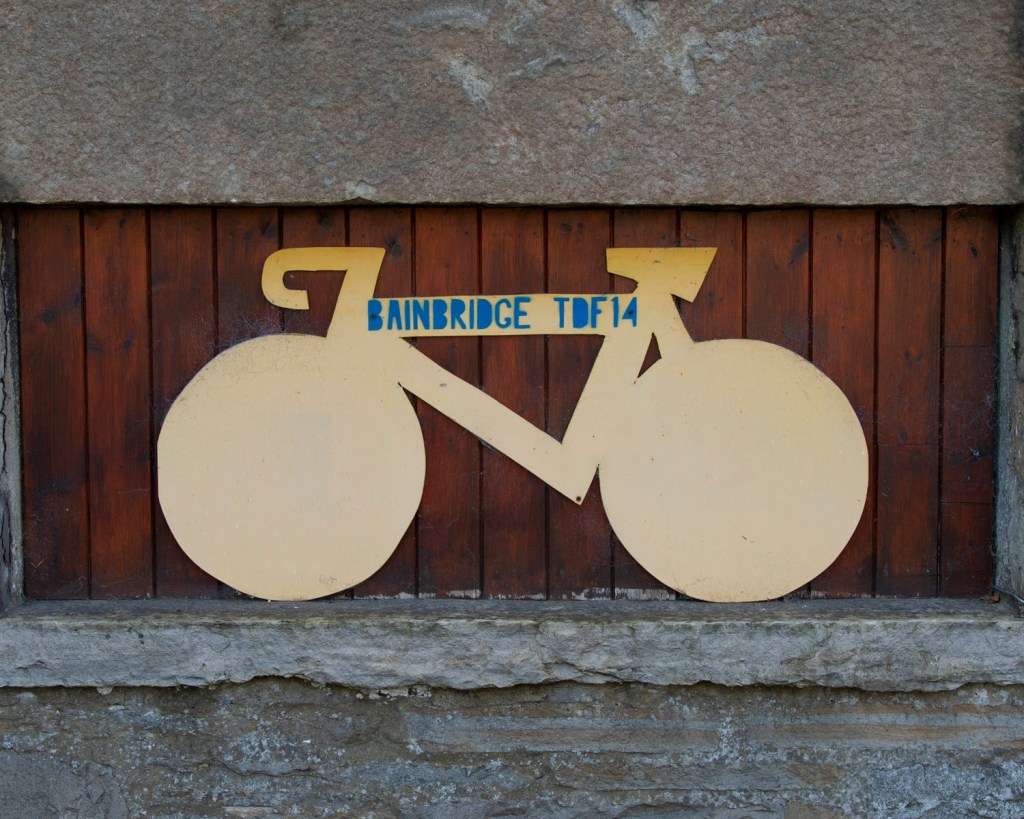
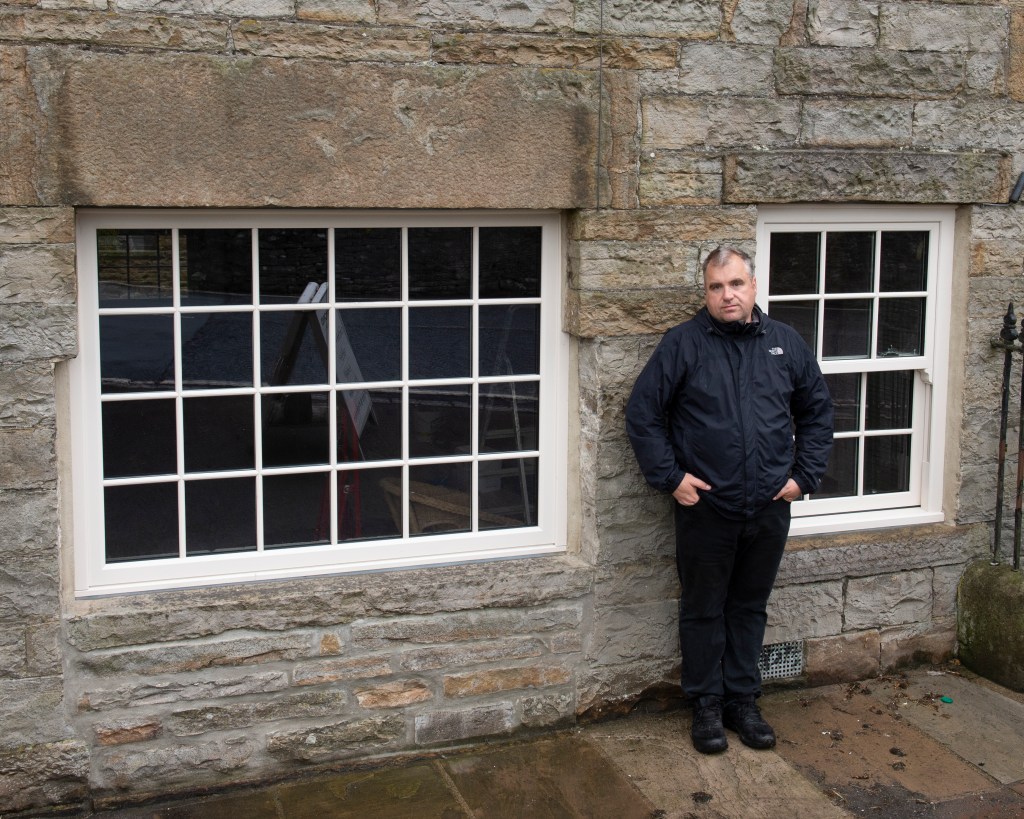
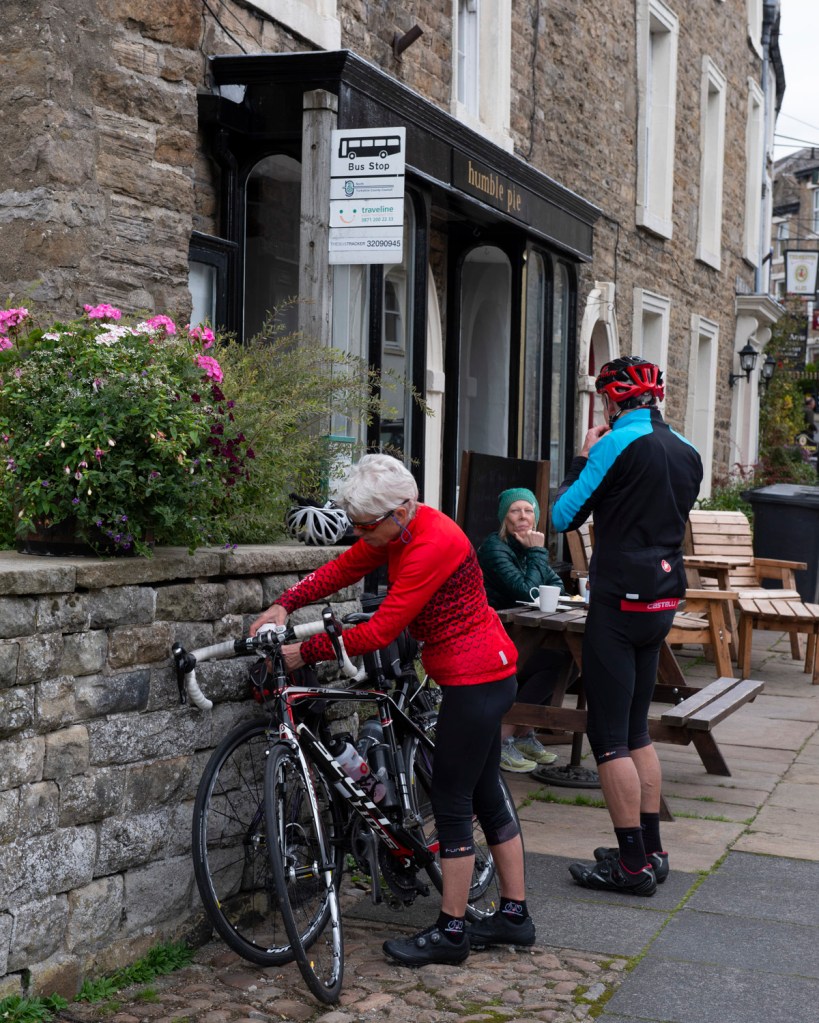
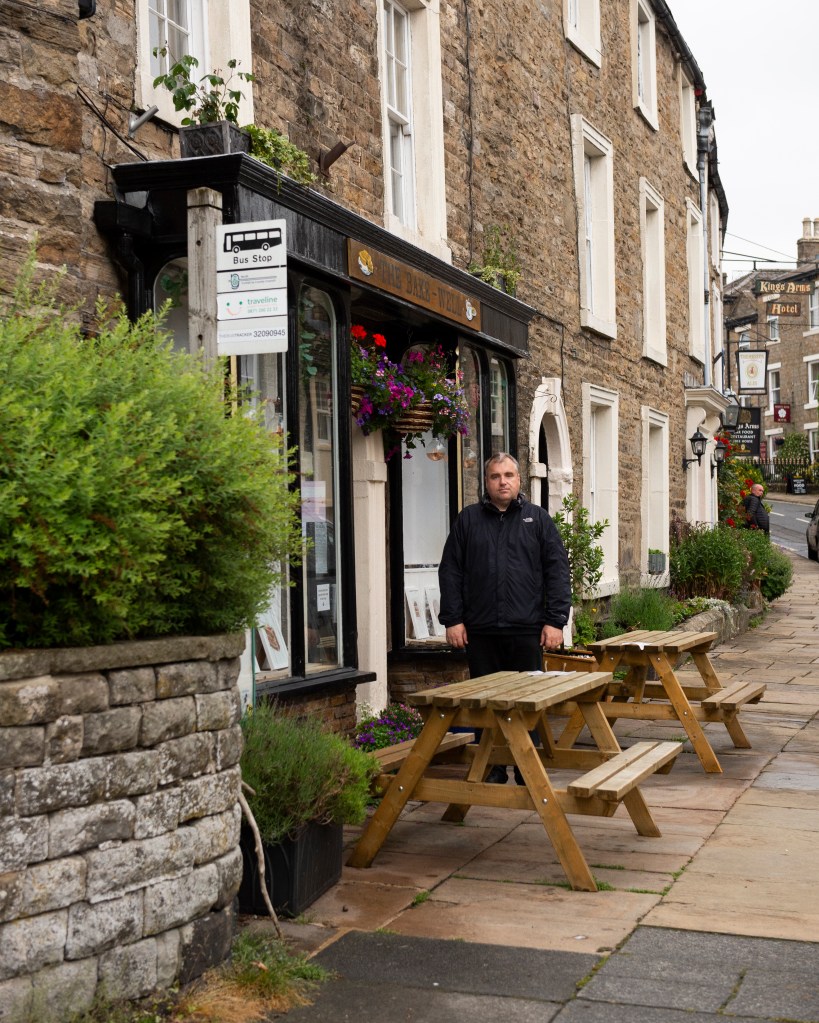
While my initial idea was sound, I was struggling with the execution of it. My problem was that the relationship between me and the background was merely a technical one. I had envisioned invoking some form of memory of the place I had previously visited , but after experimenting with contextual ideas e.g. wearing similar clothes as in the background picture, I realised that the connections were pretty weak. I was then presented with an opportunity while on holiday in one of my favourite parts of the Yorkshire Dales, which was coincidentally was where I shot the first assignment on this degree course, Square Mile. Where my initial idea of putting ‘current me’ into an old ‘background’ was about how I was connected to it but changed, the concept evolved into being about how an environment had changed subtly beyond my control or influence. I decided to make my presence a mere marker, similar to a map pin, on the landscapes that I shot two and half years ago. I decided to present the images as a series of diptychs.

The Photographs

Reflection (500 Words)

This series evolved from an idea where the primary focus was the subject, which was was always intended to be me. I wanted to show how I had changed from the person in the social media memory, but struggled to find a way that was neither really obvious (using props) or merely showed me as an older, fatter version of myself. When the opportunity to shoot in the location of my first assignment came up, I realised that the background could actually be the subject. When we consider the portraits that Callahan took of his wife and daughter in the vast spaces[1], it is the impact of scale that first strikes us and it is the background that we find ourselves looking at. With my series, we see a landscape that is immediately familiar, but when we look more closely the changed that have occurred over time become obvious. Some are significant as in the case of Four, where the original location for the bike model had been replaced with a window as the building underwent renovation. In fact, it was difficult to identify the original aperture and I would most likely have missed it if I didn’t know the area so well. In Five, the cafe had changed hands and been renamed, with the transient detail of the cyclists no longer in the frame. With One, Two and Three we have the most subtle of changes, ranging from the length of the grass (One) and the difference in seasons shown in the tree foliage (Assignment One was shot in September, not July).

The introduction of me as a marker in the scene really only anchors the series together as in each case I am pretty much expressionless. When I reflect on this, I realise that my expression does change naturally from frame to frame. I conclude that this is because we have no true ‘steady state’ expression. What we express depends on what we are doing or thinking about, which in my case was instructing my wife on the composition before shooting. My expressions and stiff stance in the photographs ask questions of why I’m in the scene and what am I thinking about? I asked the same questions of Callahan’s portraits of Eleanor and their daughter.

In conclusion, I think this series works. My seemingly impassive position within the frame looks like a map marker, but there is something slightly different in each expression. The changes in the background range from subtle to obvious, but the scene remains very familiar. The images also have a sense of the nostalgic about them in the sense that growing up, some holiday photographs took on an uncomfortable feeling to them with the photographer more interested in recording the scene than making a good portrait of their family member.

References

[1]Fletcher R, 2021, “Project 2: The Aware”, OCA Blog Post, https://richardfletcherphotography.photo.blog/2021/06/10/2-project-2-the-aware/

[2] King B, Unknown Date, “Roll Plate! Shaky Cars & the Rear Projection Effect”, FilmDaddy Website, https://www.filmdaddy.com/features/the-rear-projection-effect

2) Exercise 4: ​Same background, different model

This exercise is essentially the same as the previous one, but instead of taking photographs of the same person, here you must make portraits of three different subjects, but keep the background to the image consistent (see Irving Penn and Clare Strand, above). There are many ways of exploring this exercise. You could either select an interesting backdrop to use inside (studio) or perhaps select an interesting backdrop on location (street). Whichever you choose, try to be as creative as you can and be prepared to justify your decisions through your supporting notes.

Again, present all three images together as a series and, in around 500 words, reflect​ upon how successful this exercise was in your learning log or blog.

Simon Chirgwin, ​Untitled​ (n.d) OCA Image Library.

You’ve looked at portraits taken of subjects who are either ‘aware’ or ‘unaware’ of the photographer’s interest. You should by now have thoroughly researched both areas and perhaps found some further examples of your own. Many of the practitioners highlighted here don’t necessarily work exclusively in one of these fields, but move between the two, depending upon what they’re trying to achieve through their imagery. There needs to be a reason for employing a particular method of working and it has been the intention of Part Two to provoke thought regarding what these reasons might be. The next assignment should test this reasoning to the full.

Introduction

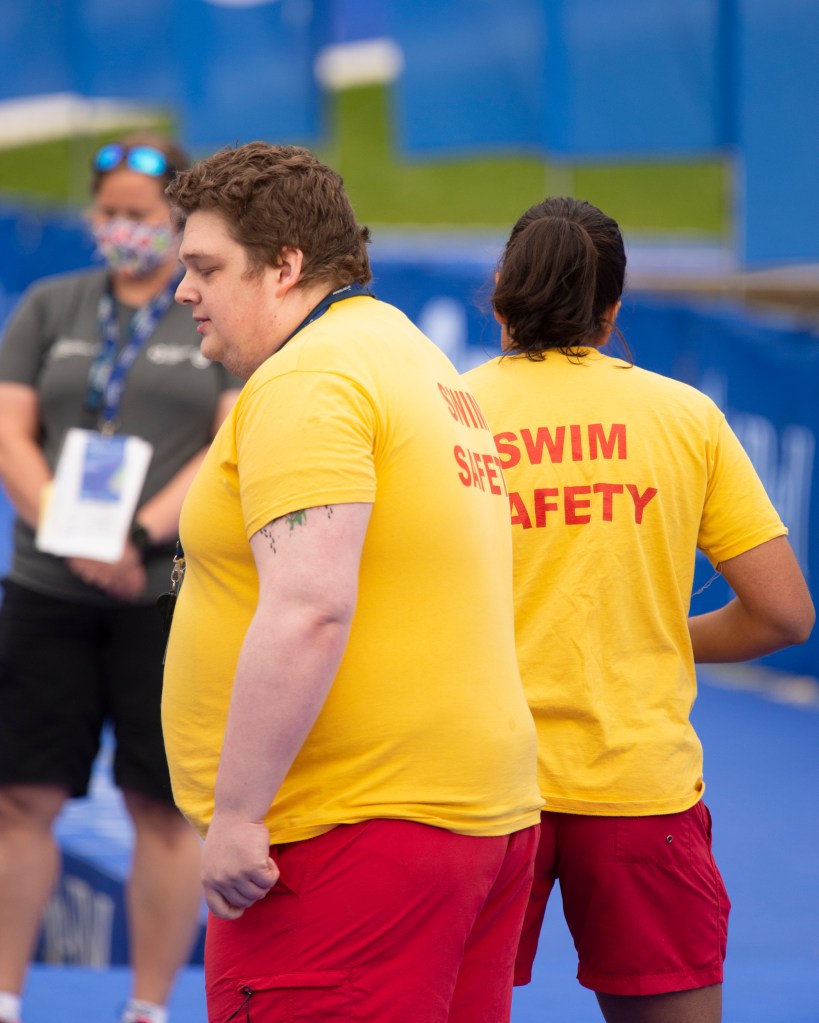
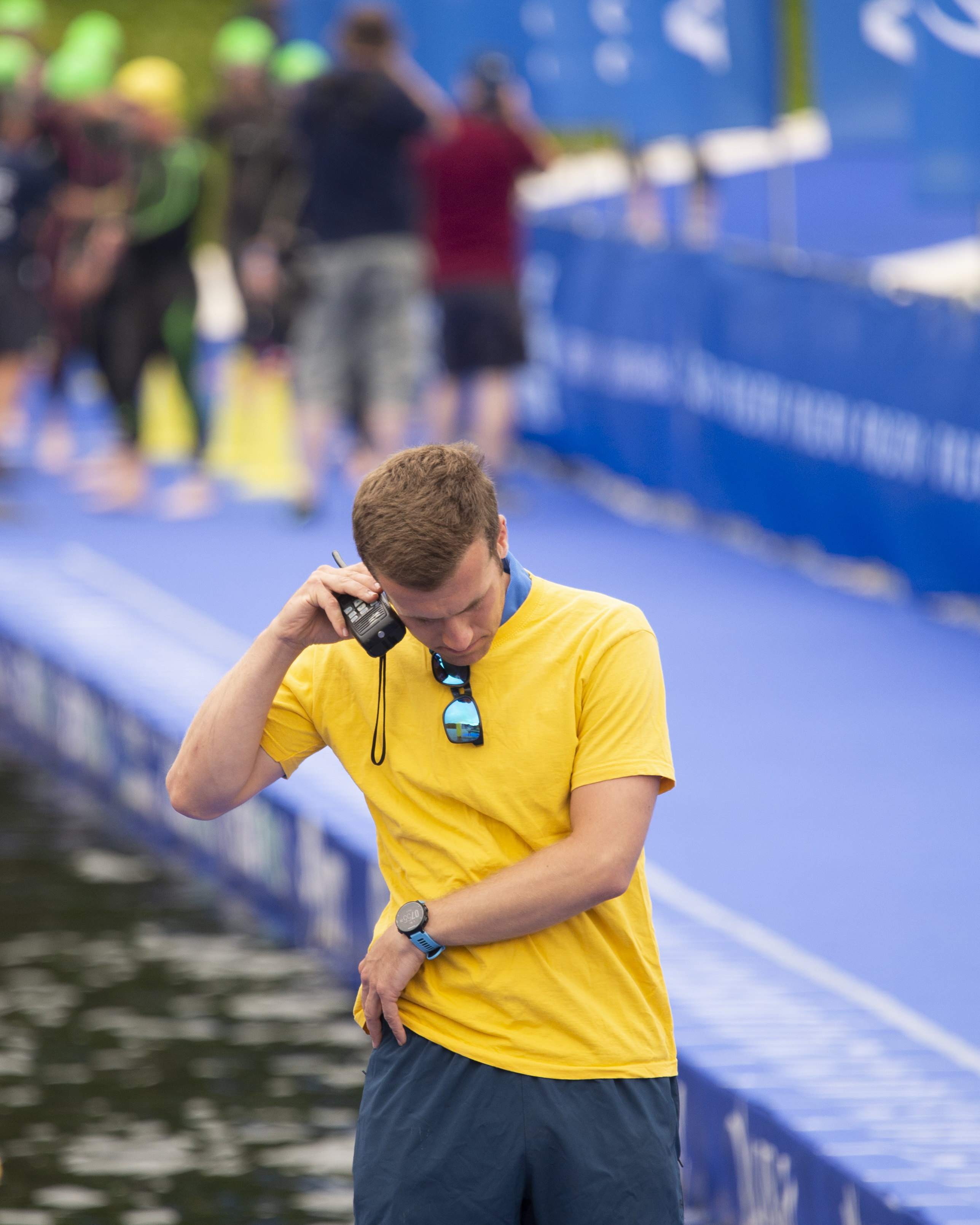
My wife recently competed in the World Triathlon Series event in Leeds, near her home town. This was the first event that we’d attended in over 18 months, so there was a feeling of ‘newness’ about the preparations and procedures that normally accompany these events. My series was shot at the lakeside where the swim leg of the event was being staged.

The Photographs

Reflection

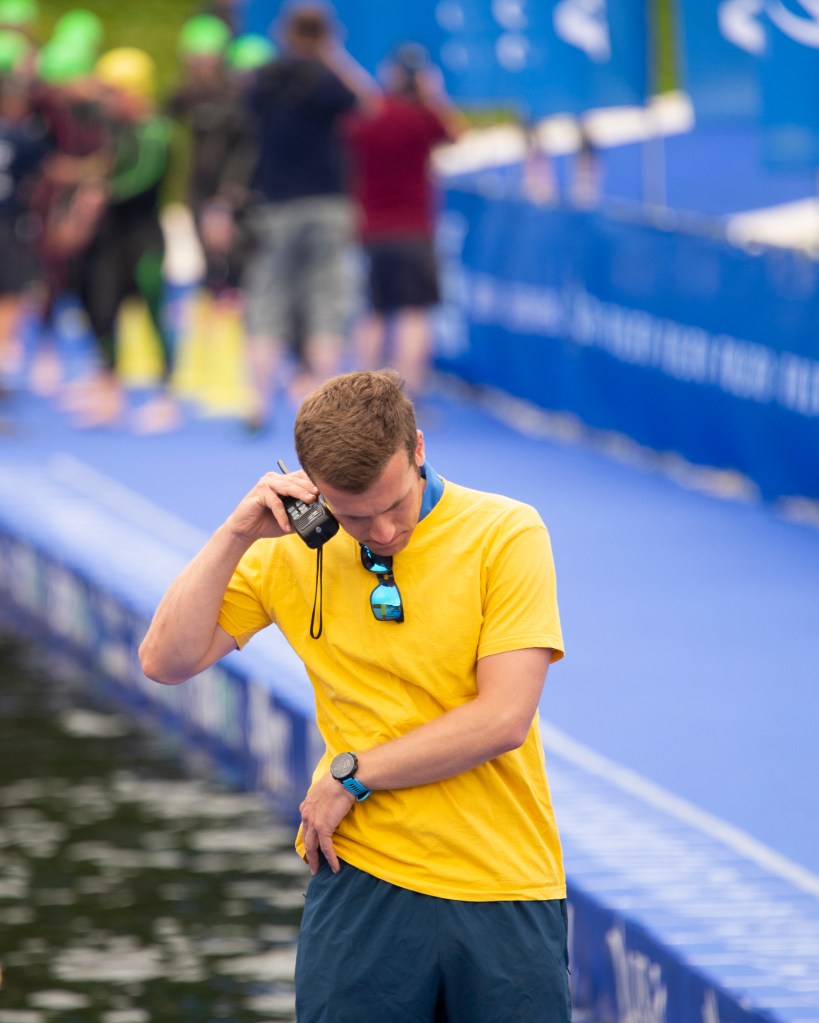
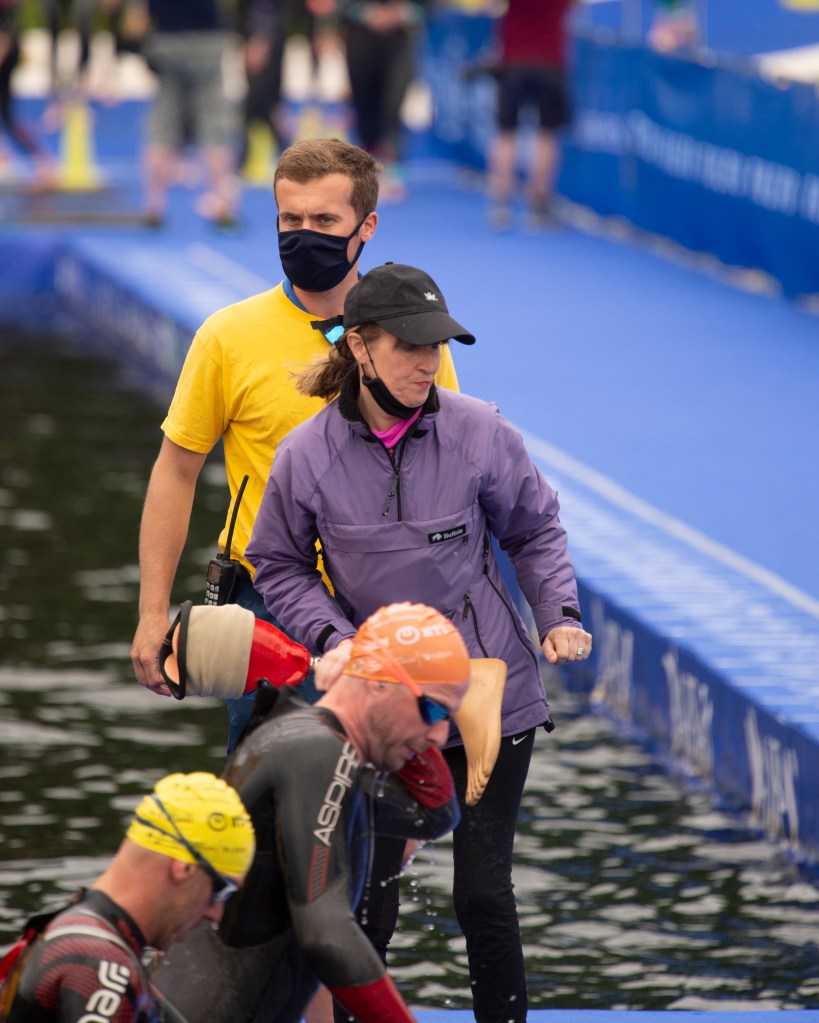
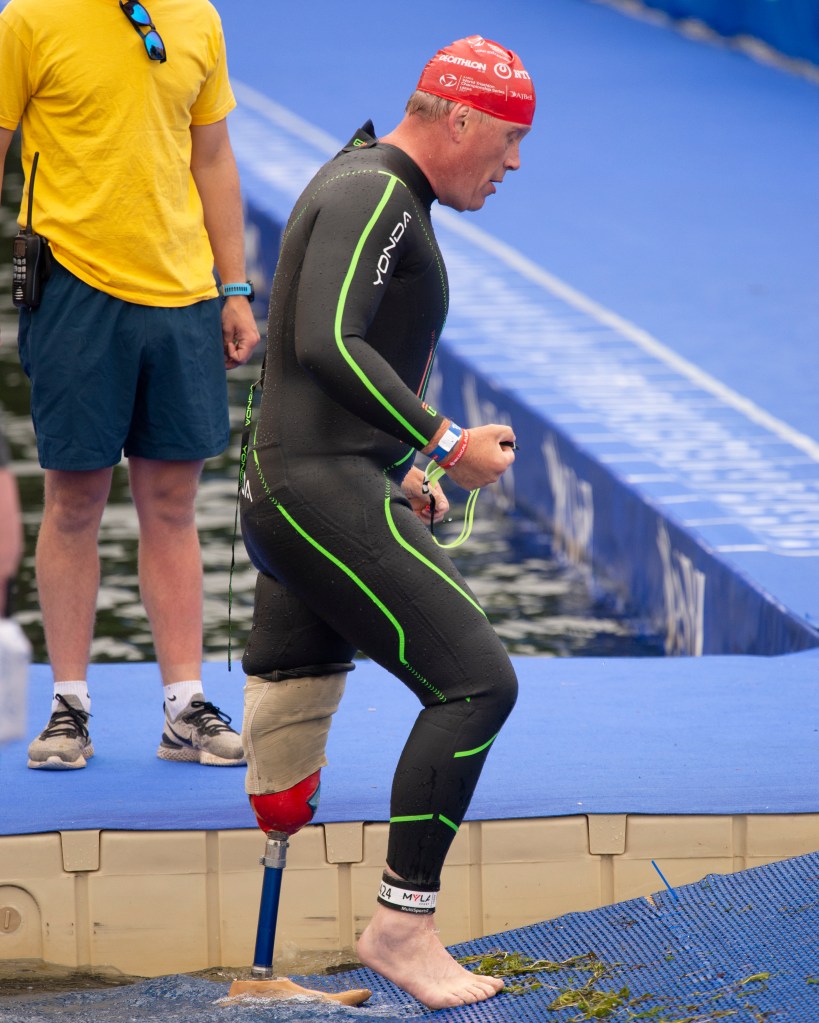
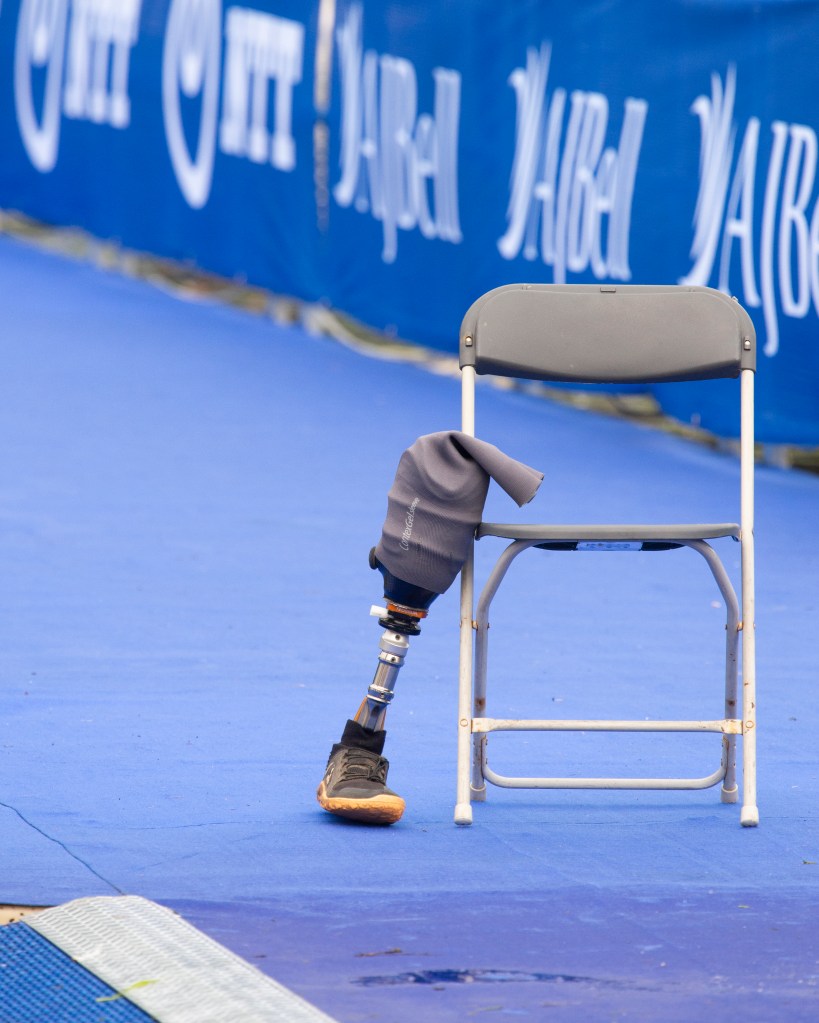
I had the idea for this series because it had been so long since we’d attended an event that I had forgotten how well they are organised. Watching the staff working to get the competitors safely out of the water, I also remembered that the World Tri Series is also a Paralympic qualifying event. I shot these three pictures to reveal how much care goes into the event, whether able-bodied or para-athlete. In the first, we see one of the Swim Safety staff discussing a detail of the event on his radio. I found myself wondering what the discussion was about – was he giving or receiving orders? was he preparing for something to happen at the start or someone to arrive at his station? With this photograph, I was intending that these questions be answered in someway by the end of the series. In the second we see another member of staff helping swimmers out of the water. The original subject from the first is shown in the background, linking this image to the first. The subject of the second is dressed differently to the other staff members and while it’s not clear in the series, she is actually one of the event officials. The questions that this image raise are around why she is standing there. When we look closely, we see that she is holding an artificial leg. The final image shows the owner of the leg who now having refitted it, is heading out of the water for the long run to the transition area. Three brings the series back to the start, with the suggestion that the Swim Safety official was preparing for the para athlete to arrive and to get his prosthetic ready in a way that he doesn’t waste too much time moving to the next stage of the race.

I think this series works because although the background varies from shot to shot, it’s sufficiently similar to anchor the subjects together. I interpreted the brief as the background proving an anchoring reference for the subjects in a way that reveals the connections between them, rather than being a distraction. In Strand’s Gone Astray, the subjects are connected together with their urban appearance and the effect of their perceived lifestyles showing. The background contrasts with an almost ‘Dick Whittington country lane’ feel to it. At the heart of the series, we are still being challenged to look at the subjects, the background underlines a narrative that they are placed within. In my series, the background is not the same in each picture; a few elements change to describe what is going on, but it nothing distracts from the story in the three subjects. The background provides the consistent context as with Strand and Penn’s work, but I have taken a slightly different perspective on its use.

I extended this series with two more images that I thought would further enhance this story. These are shown below in the updated series.

Now we have more in terms of scene setting with the first image, while the final shot links back to the start. The intent was to suggest that this is a continual cycle of preparation and support to all competitors.