The Brief
Create a series of 4-8 images exploring family, drawing from the writing and contemporary practitioners discussed in this project.
Family as defined here is not limited to any traditional sense of the word and you are encouraged to define ‘family’ on your own terms in your written reflection.
Please remember to gain written consent from family members if they feature in the work. You may wish to refer back to the terms of engagement in collaborative practices discussed in Project 2. You may choose to share these photographs in the unit forum or privately with your tutor (asynchronously).
Write a reflection in your learning log (around 500 words). Use this as an opportunity to reflect on the activity. Describe the context, your approach, your ethics, any challenges you faced, and how your family members feel about the images that you have produced.
Introduction
The concept and preparatory work for this assignment can be seen in the sketchbook:
https://oca.padlet.org/richard5198861/assignment-4-sketchbook-nypzni0hc0phvi51: Assignment 4: Framing Your FamilyThe Series



Reflection
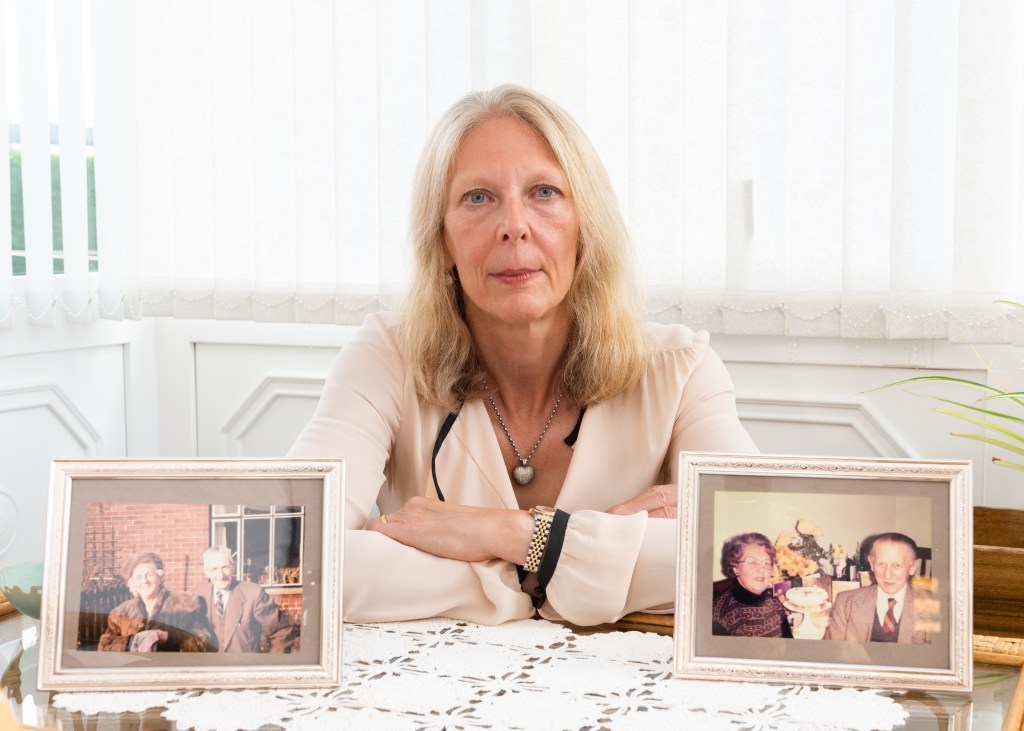
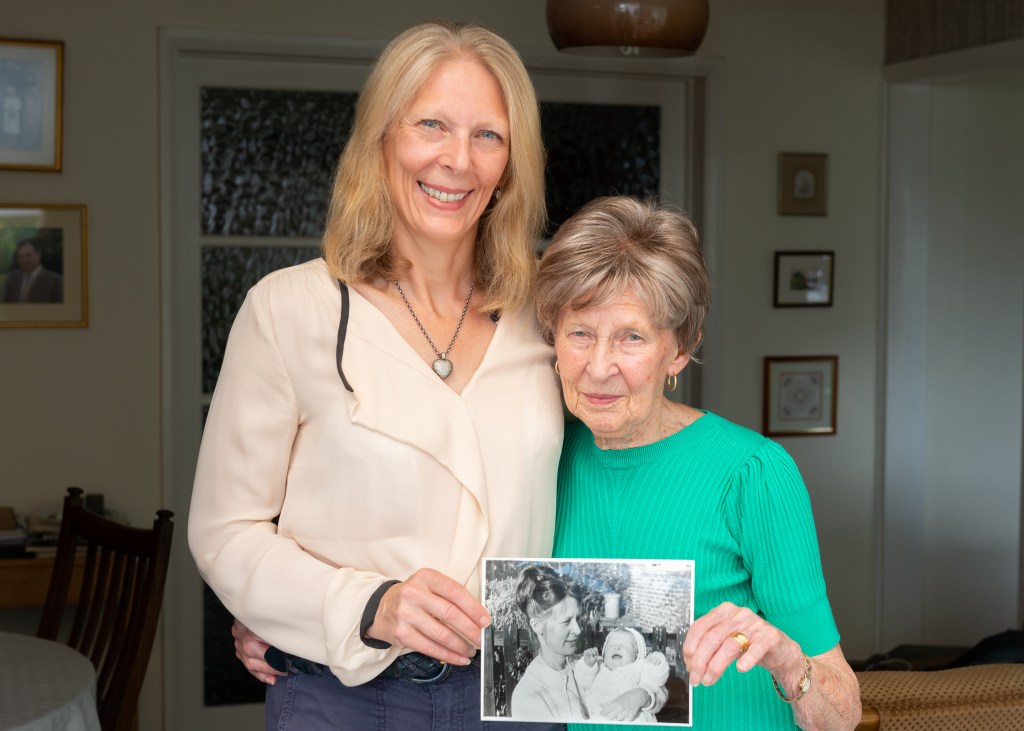
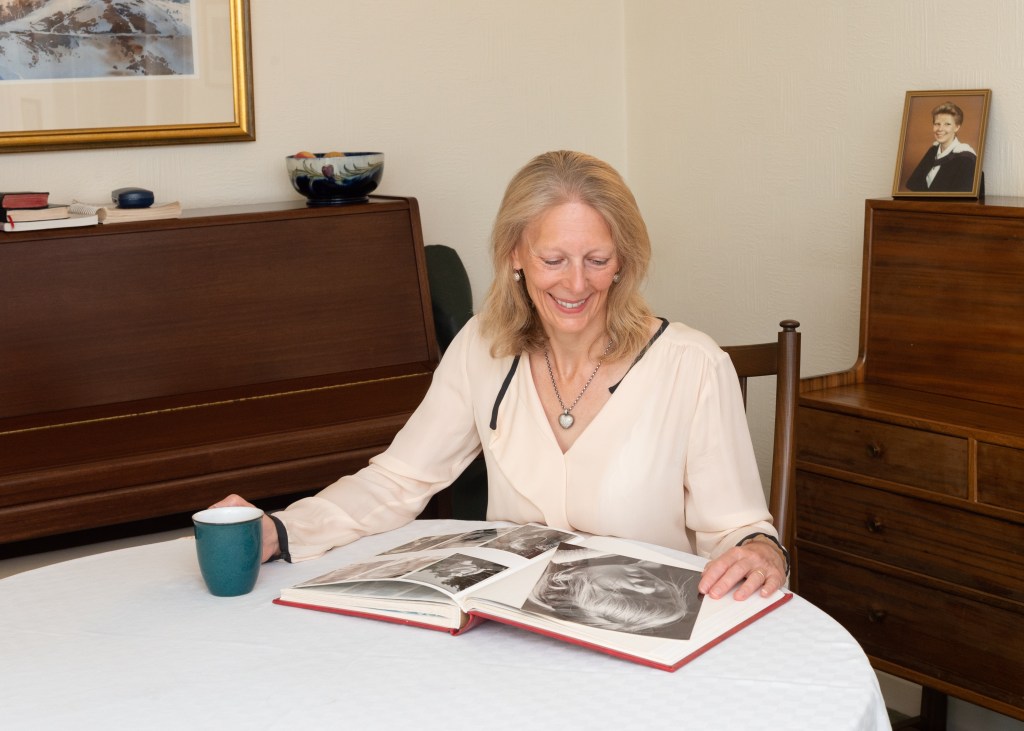
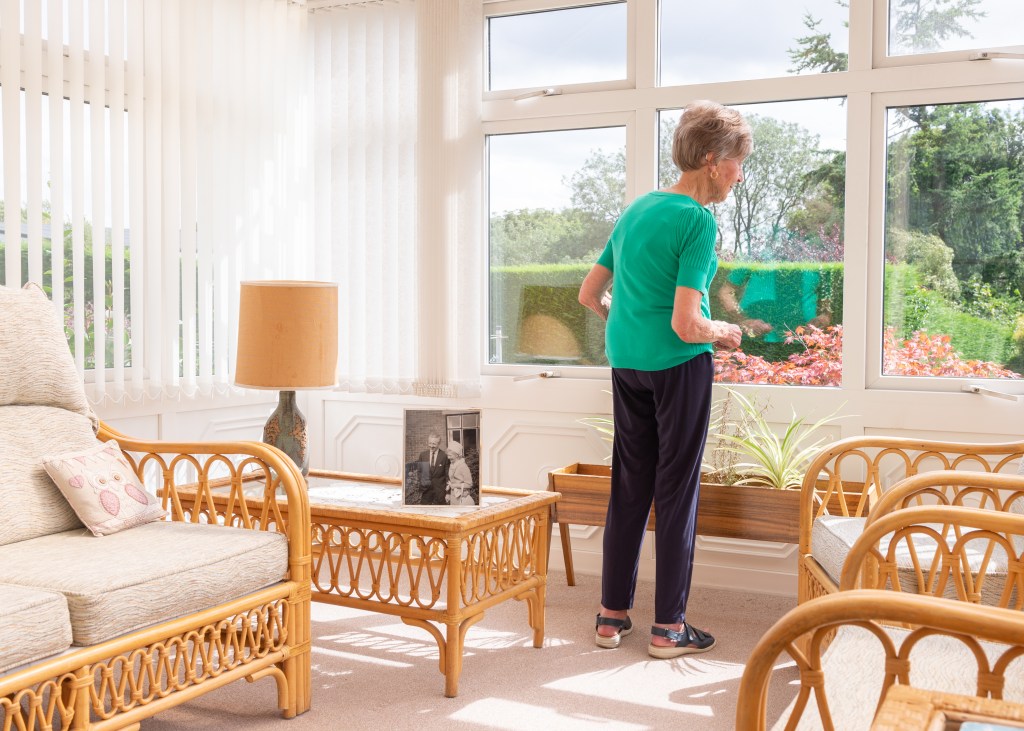
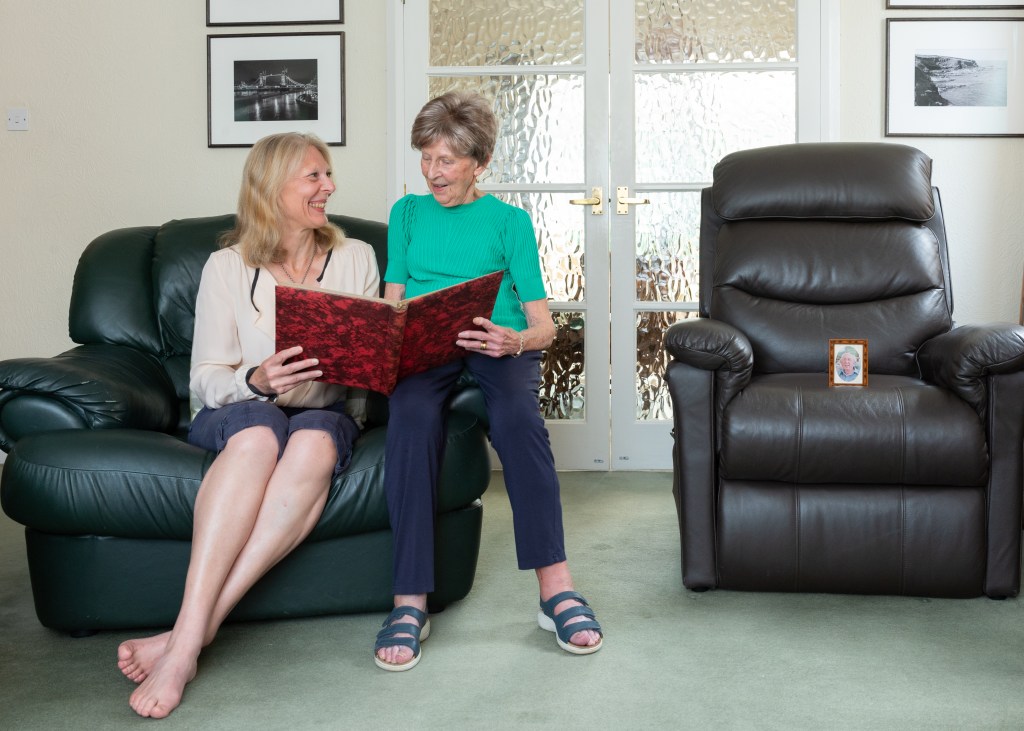
I chose my wife Jayne’s family as my subject because when we met, there were just three close relatives, her parents and uncle. The family is now just Jayne, her mum Hazel and me. The audio interviews recorded by my father-in-law with his parents started me thinking about familial relationships and visual similarities that photographs document over time.
My approach was to talk through my idea with Jayne and Hazel ahead of a visit in August. I suggested spending an afternoon looking through the family albums to find pictures that could be incorporated in the compositions ,and then shooting the following day. The images weren’t a collaboration in the same way as in part 3, as we had a relatively short period of time for the work. Seeing the old photographs invoked emotional reactions in them, which led to them being distracted. This needed to be carefully managed. They had both volunteered to support me with this, which led to my not pushing for any decisions or answers on a particular idea, choosing instead to let that first afternoon flow. When it came to the shoot, the first challenge was their preference to be directed. I found that I had to just throw out ideas as alternative to instruction, as I wanted their poses and interactions to be as natural as possible. Secondly, Hazel wasn’t feeling all that well, and it was obvious at the start that she only had limited patience for the shoot, being in discomfort. I understood the need to keep the shoot moving along so that she could rest in between compositions.
Overall, the shoot was successful as I believe the images represent what I set out to reveal. The working dynamic was interesting, as both women are used my camera. Although this made consent easy to acquire, Jayne pointed out a nervousness of committing to it formally. Perhaps that highlights the difference between perceptions of the role of family member and photographer. There was definite trust that was brought to the session, firstly that the images would be aesthetically respectful, and secondly that I would discuss any deviation in the intent for the work. For example, I didn’t want to represent Hazel as a stereotypical widow but to make the point that Bryan was no longer with us. The last two images involved open discussion about that intent. Interestingly, I have yet to share the work beyond the OCA group, my reluctance being about inviting the public into my family circle. As a private person, balancing the role of documentarist and proxy subject was definitely a challenge.
The work in part 4 has influenced the way I’m thinking about my SDP, in particular Mitchells’ subject interviews and the idea of dynamic ‘agency’; the review and re-work process that needs a strong connection between photographer and subject to be successful. My SDP has already built fledgling relationships with my portraiture subjects, which are yielding a greater understanding of what the LGBTQ+ community struggles with every day.
 Richard Fletcher OCA Photography Blog