Monthly Archives: Jun 2023

Assignment 2: Photographing Communities

The Brief

Create a series of 6-8 images of individuals from one particular community that you are not connected to or part of. 

Keep in mind that “community” can be interpreted in a variety of ways, for this assignment the community you choose to photograph should reflect an experience and/or perspective that is different to yours. For example, they may be shop owners in a particular neighbourhood, or members of a particular club, or a group of individuals that work in the same trade or organisation. You may also decide to photograph people who belong to a different ethnic group or religious tradition from yourself. 

Don’t forget to implement your model release or consent form, and gain written consent from the individuals featured in the work. You may choose to share these photographs in the Ethics and Representation Forum or privately (e.g. via a private learning log link) with your tutor.

Think carefully about the visual language of your photographs – how you compose your images should reflect something about the individual and the community they are part of. What might your position be? What might you need to be aware of going into a community to which you are an ‘outsider’? How did you approach these exercises and what did you learn from them? Would you make any changes to your process for any future work?

Supporting Padlet

For more details on how I approached this assignment, please see the below Padlet:

https://oca.padlet.org/richard5198861/assignment-2-supporting-padlet-wzxjktx1o3po65be

The Series
Reflection

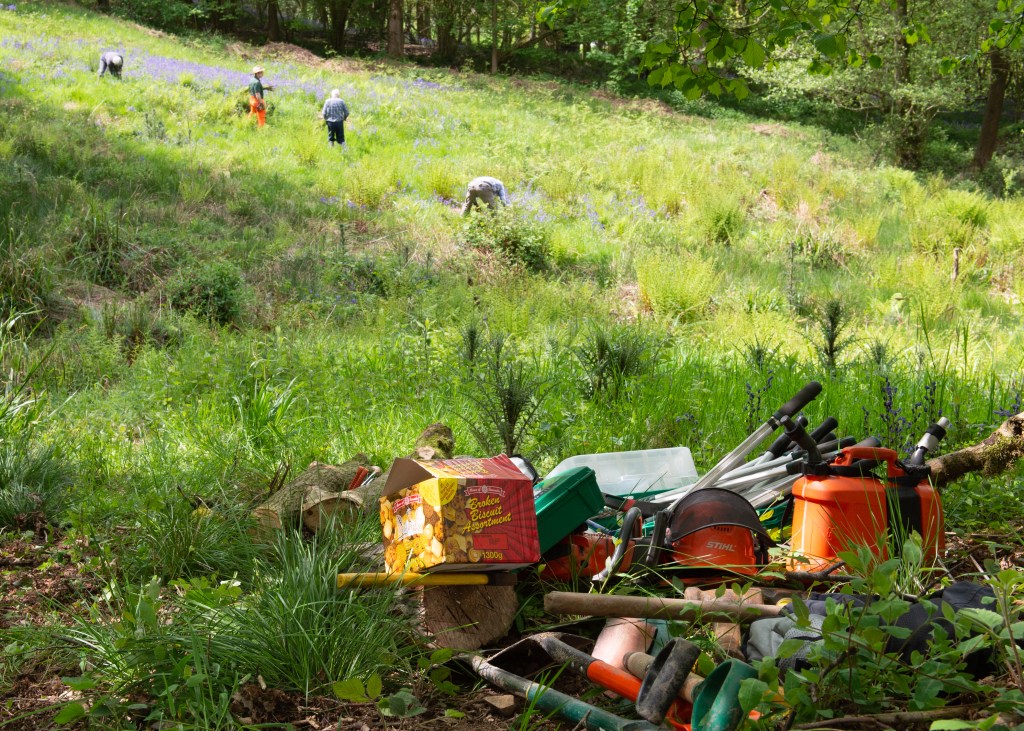
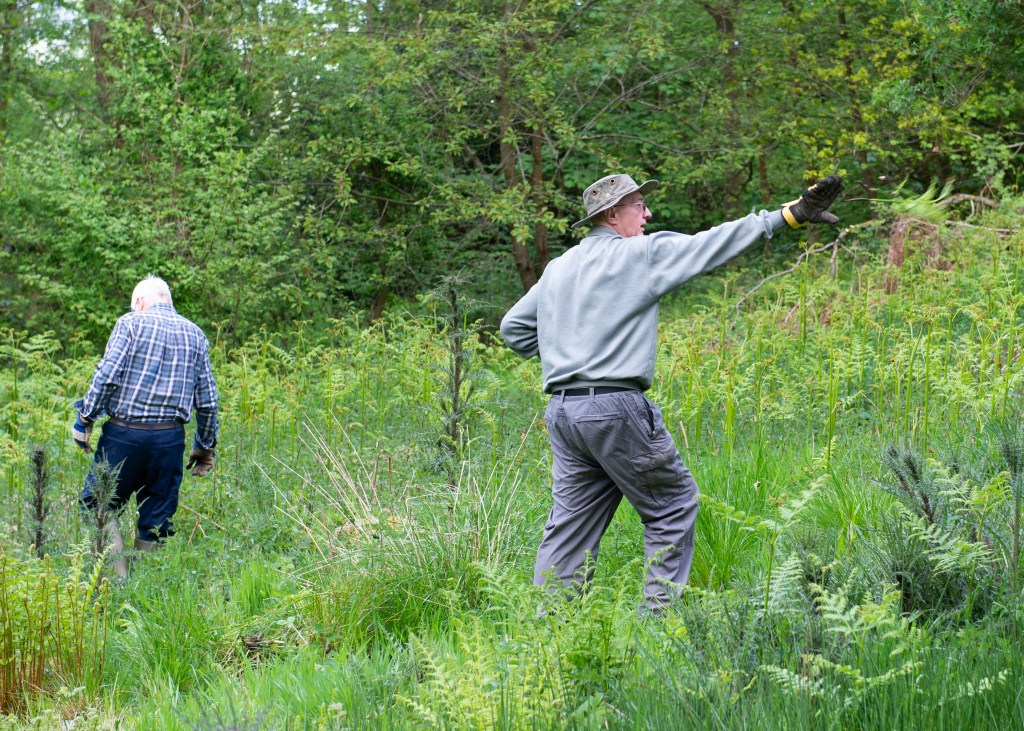
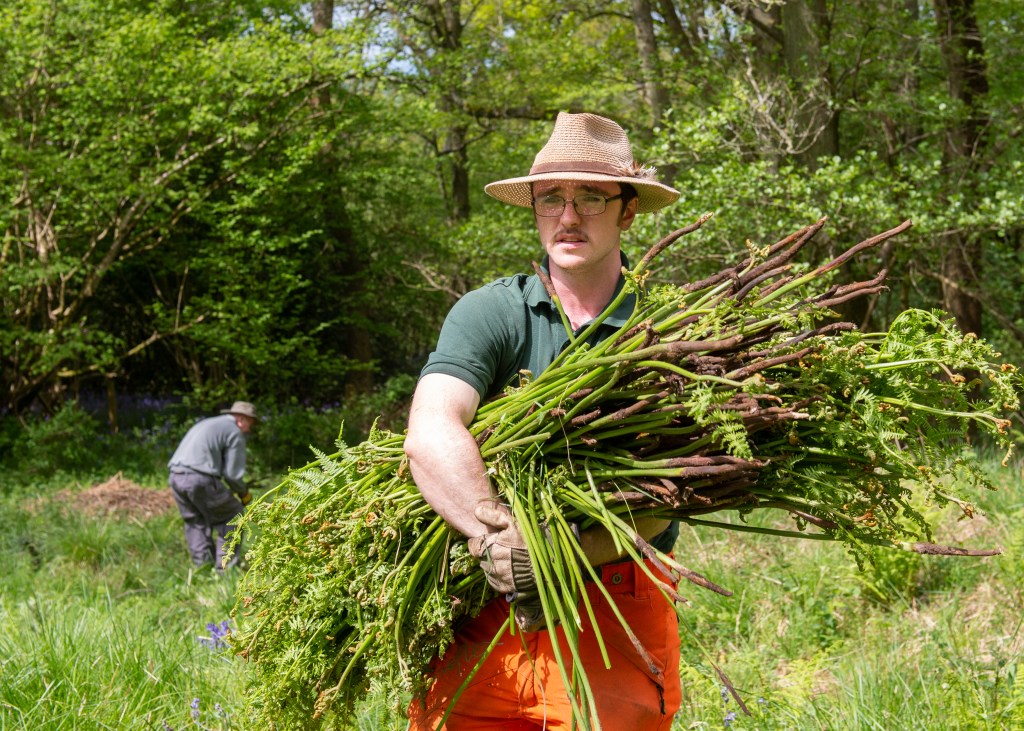
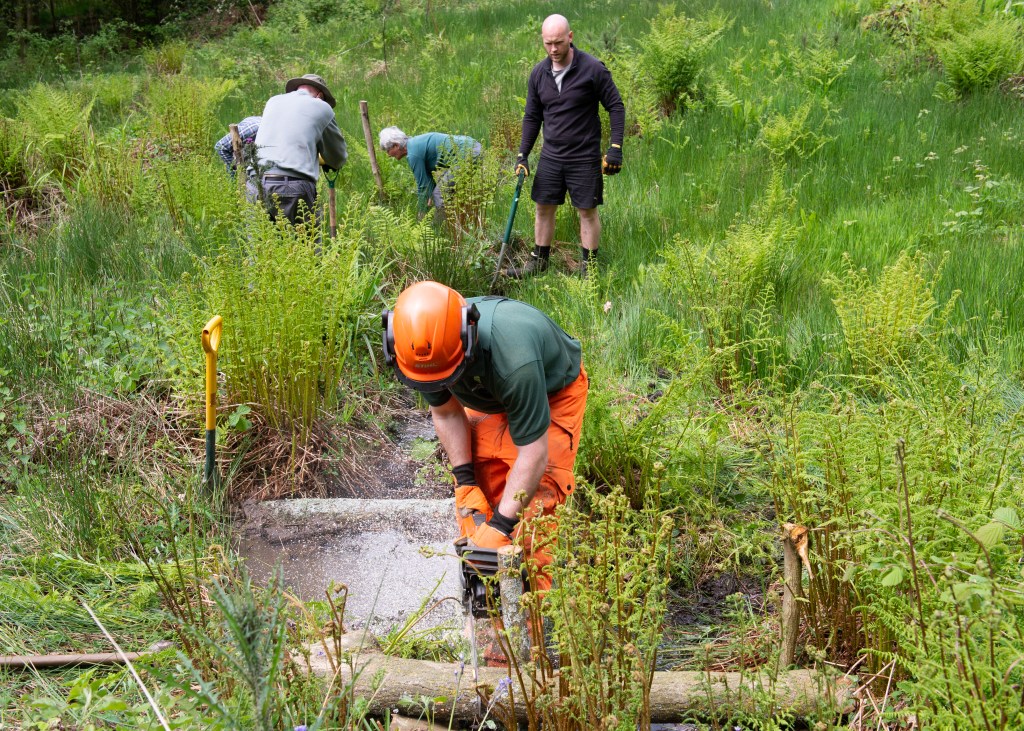
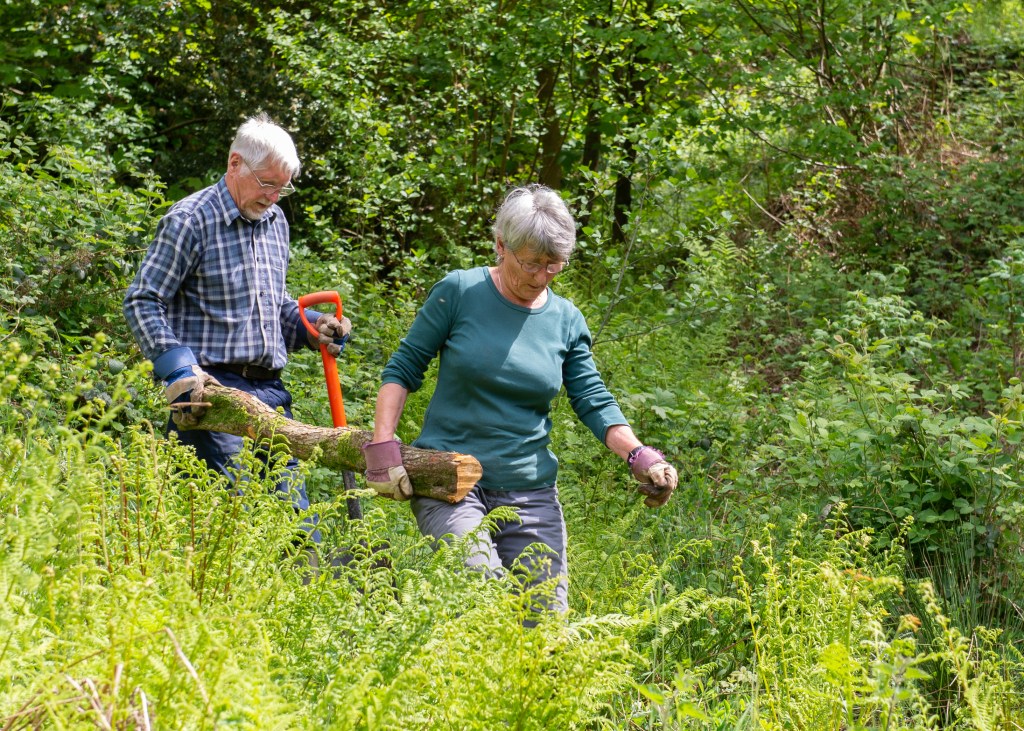
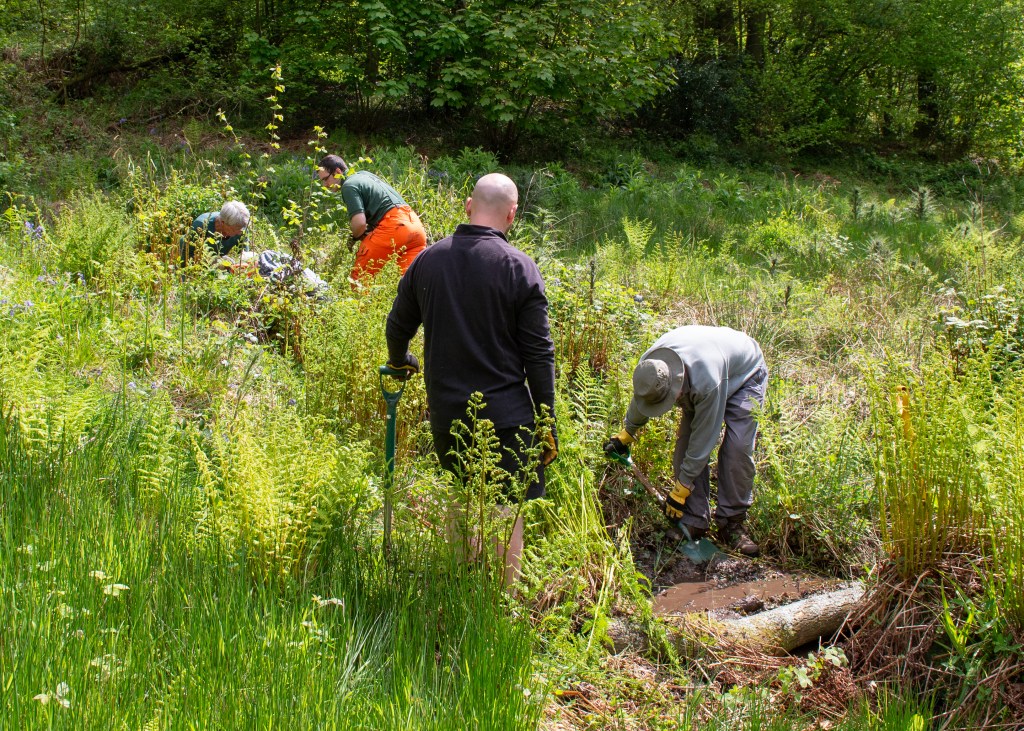
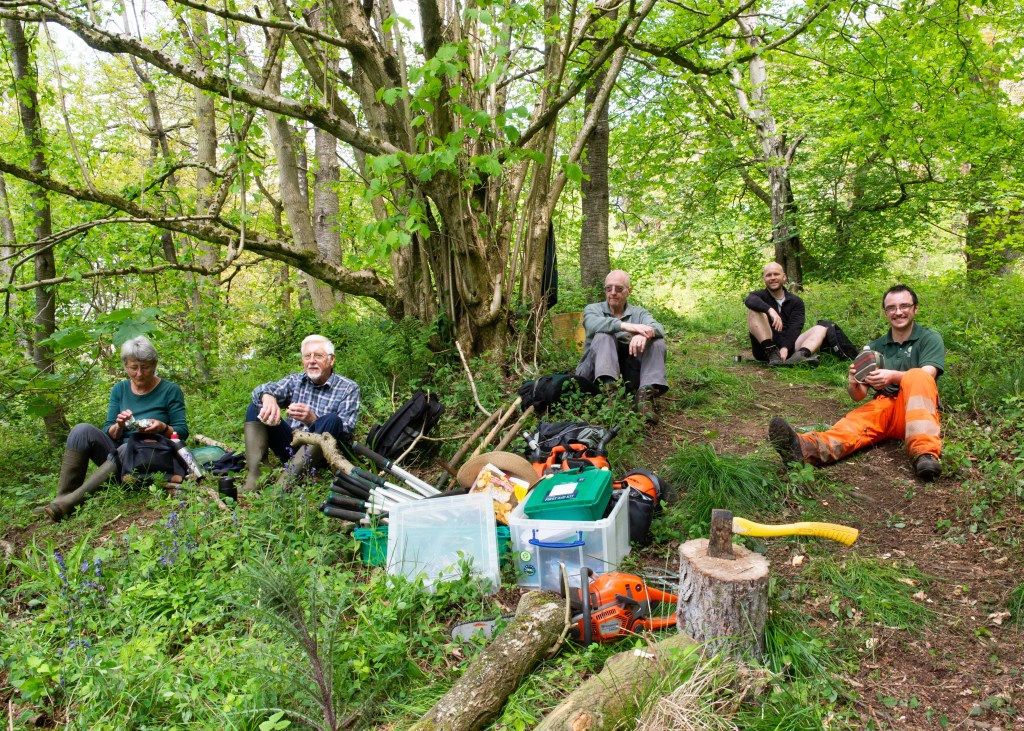
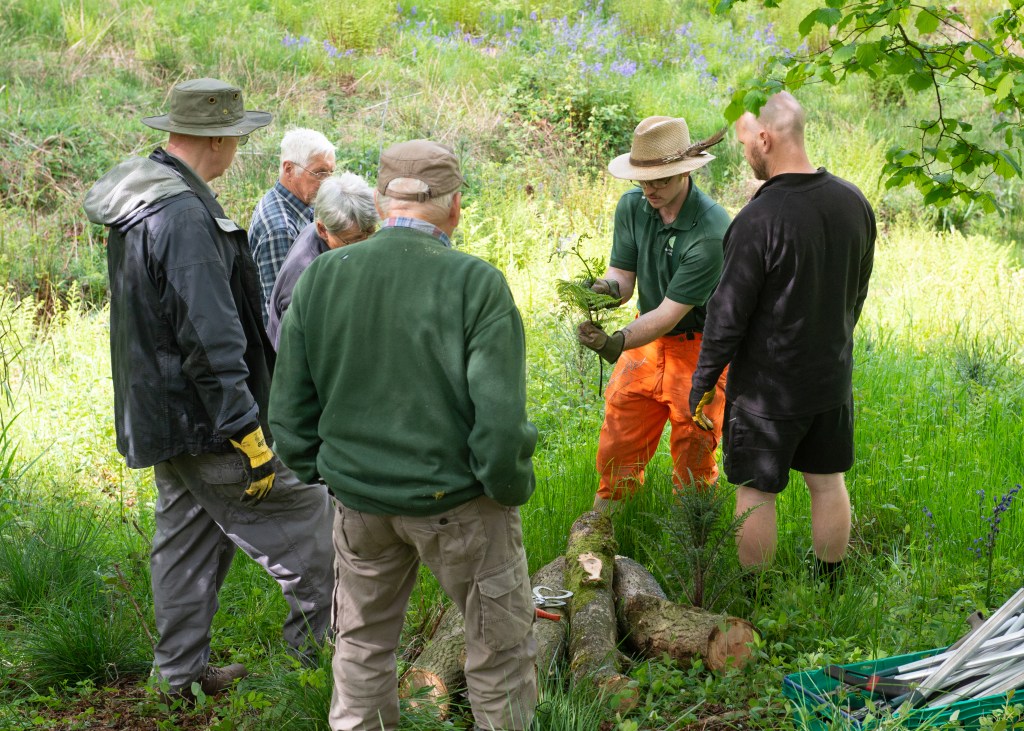
On reflection, my choice of community suited this assignment.  I approached the group in advance, explaining my intentions, the idea of informed consent etc and gained agreement from the leadership to proceed.  On the day, I used a personal experience of not being asked for consent to give context to the discussion and gain their trust.  During the session, I talked to them about their individual reasons for volunteering, concluding that the series shouldn’t be about them as individuals, but as a team.  This informed how I curated the final series, majoring on the collaborative nature of their work, while including visual references to their reasons for being there.  I struggled with the consent form, because when I first met them, we were outside getting ready for their work.  If I’d sent it in advance, the initial conversation we had would have been circumvented by formality.  I sent the form after the fact, which was good for them as I followed up on my ‘promises’.  However, it wasn’t helpful in my ability to use the images if, say, I’d been on paid assignment.  I conclude that securing informed consent to shoot is easy if you build a rapport, but closing the second loop, the use of images, is more ethically challenging in terms of when the form is produced.   Ethically, my concern was being respectful, documenting the work but not photographing people stumbling or wearing expressions that could embarrass them.  As the series was an outside perspective, built purely on my observation of something I wasn’t part of, it didn’t feel like a transaction that needed the legal formality of the form.  I suspect this is more an assumption of needing to protect from a threat, which I didn’t see during this shoot.  I didn’t have to work that hard to gain their trust.  I think the form works well for more formal photography, perhaps more transactional than this event. However, I will explore this further as I consider my SDP, which will contain both ‘street’ style observations and formal portraiture.   

Project 2, Exercise 3: Exploring Approaches

Introduction

The research part of this exercise can be found here:-https://oca.padlet.org/richard5198861/project-2-exercise-3-exploring-approaches-epuck7e6y0kmy983

The final part of the brief for this exercise calls for an analysis of works by two of the photographers from the lecture[1]. I chose Handsworth Self-Portraits (1979) by Bishton, Homer and Reardon, and Imperial Courts (1993 – 2015) by Dana Lixenberg for this part.

Comparative Analysis (450 words)

The first, observation about these works is that they are both traditional ‘documentary’, namely they are recording the lives of two communities. These communities share common themes too, with Lixenberg’s subjects being marginalised African-Americans living in a  prosperous US city, and the Handsworth project being a multicultural district in Birmingham with similar challenges and tensions.  Their approaches differ, with Lixenberg seeking to be both insider and outsider simultaneously (DANA LIXENBERG – Interview 2017 – YouTube, s.d.) in a semi-directional style, as demonstrated in the photograph below.  


Fresh, Real, Flave and 4Doe (Real Fresh Crew), from the series “Imperial Courts”, 2008 (Dana Lixenberg, s.d.)

Here a group of young men clearly posing for her portrait.  In 2017 interview, Lixenberg tells of the boys wanting to flash their gang signs. After discussion and the showing of Polaroid test images, she got them to understand that the work wasn’t explicitly about their gang, but their place in the wider community.  The result is a collaboration between photographer and subject, established over time. 

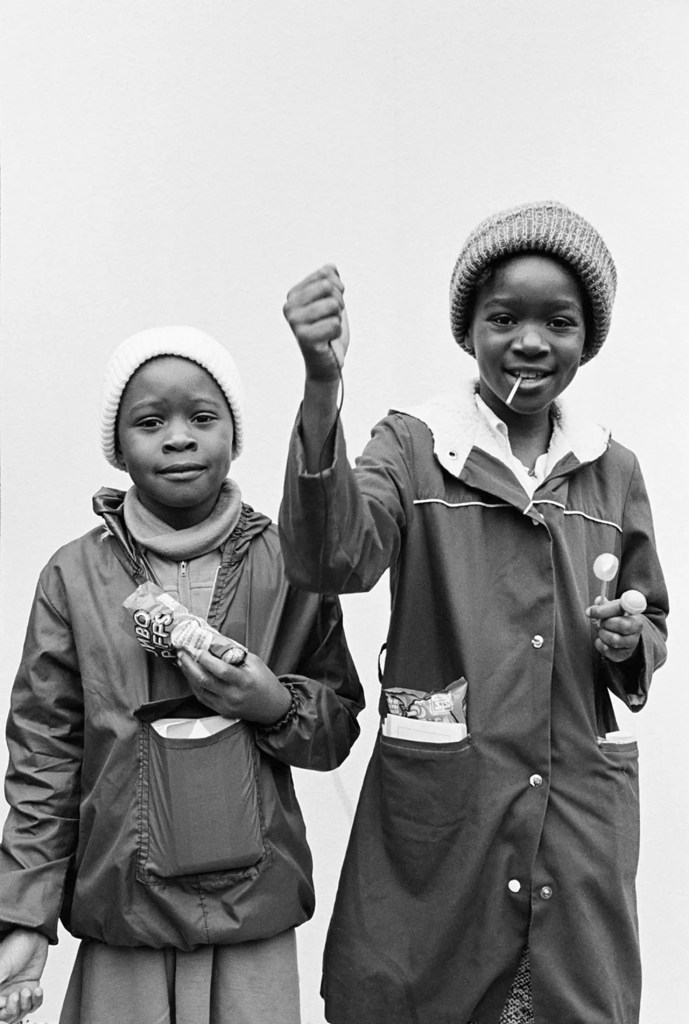
From the exhibition Handsworth Self Portrait: 40 Years On by Derek Bishton, Brian Homer and John Reardon (Smyth, 2019)

By contrast, the second image from Handsworth, shows the subjects taking complete control over their representation.  The photographers have set up the camera given them the camera trigger, allowing them to engage with the camera as much or as little as they want.  Rosler dicusses the camera’s ‘power’ as seen by the subject and the effect it has on their reaction.  We see a different reaction to the instrument when the photographer is directly involved.  Bishton et al democratise this power by conceding the ‘moment’, while Lixenberg dilutes it through continual dialogue.  Neither image is more ‘truthful’ than the other, as all the subjects play ‘characters’ of themselves.  However, where Handsworth removes environmental distractions, the decaying infrastructure, evidence of intolerance etc, by using a plain background, Lixenberg supplements her work with carefully selected backgrounds, landscape, and still-life images.  With the former, we gain a knowledge of the people and their cultural and personal differences, and the latter, a narrative about the place as well as the community.  Other similarties include both artists engaging with their subjects in a transactional way to build trust, either through the giving of Polaroids (Lixenberg) or the offer of prints (Bishton et al). They built a reputation with their subjects that encouraged even the most reluctant take part in the work and avoid the pure spectator approach described by Bey (Bey D, 2019) or the ‘super tourism’ postulate by Sontag (Solomon-Godeau A, 1994) by living or working within the community.  In doing so, their approaches challenging the concept of ‘binarism’.

The viewer recognises in both, the humanity of people and a hint of what their lives are like, even without any real knowledge beyond judgmental media portrayal.  Both series achieve this via different routes, but the effect remains very similar. 

Bibliography

Martha Rosler, Post Documentary, Post Photography? — Are.na (2018) At: https://www.are.na/block/1791938 (Accessed 02/06/2023).


Bey, D. (2019) On Photographing People and Communities. The Photography Workshop Series. Aperture Foundation. pp 26-75.

Solomon-Godeau, A. (1994) “Inside/Out.” In: San Francisco Museum of Modern Art. Public Information: Desire, Disaster, Document, Part 1. pp. 49-61.

Figures

Smyth, D. (2019) Handsworth Self Portrait: 40 Years On. At: https://www.1854.photography/2019/03/handsworth-self-portrait/ (Accessed 01/06/2023).

Dana Lixenberg (s.d.) At: https://www.deutscheboersephotographyfoundation.org/en/collect/artists/dana-lixenberg.php(Accessed 02/06/2023).