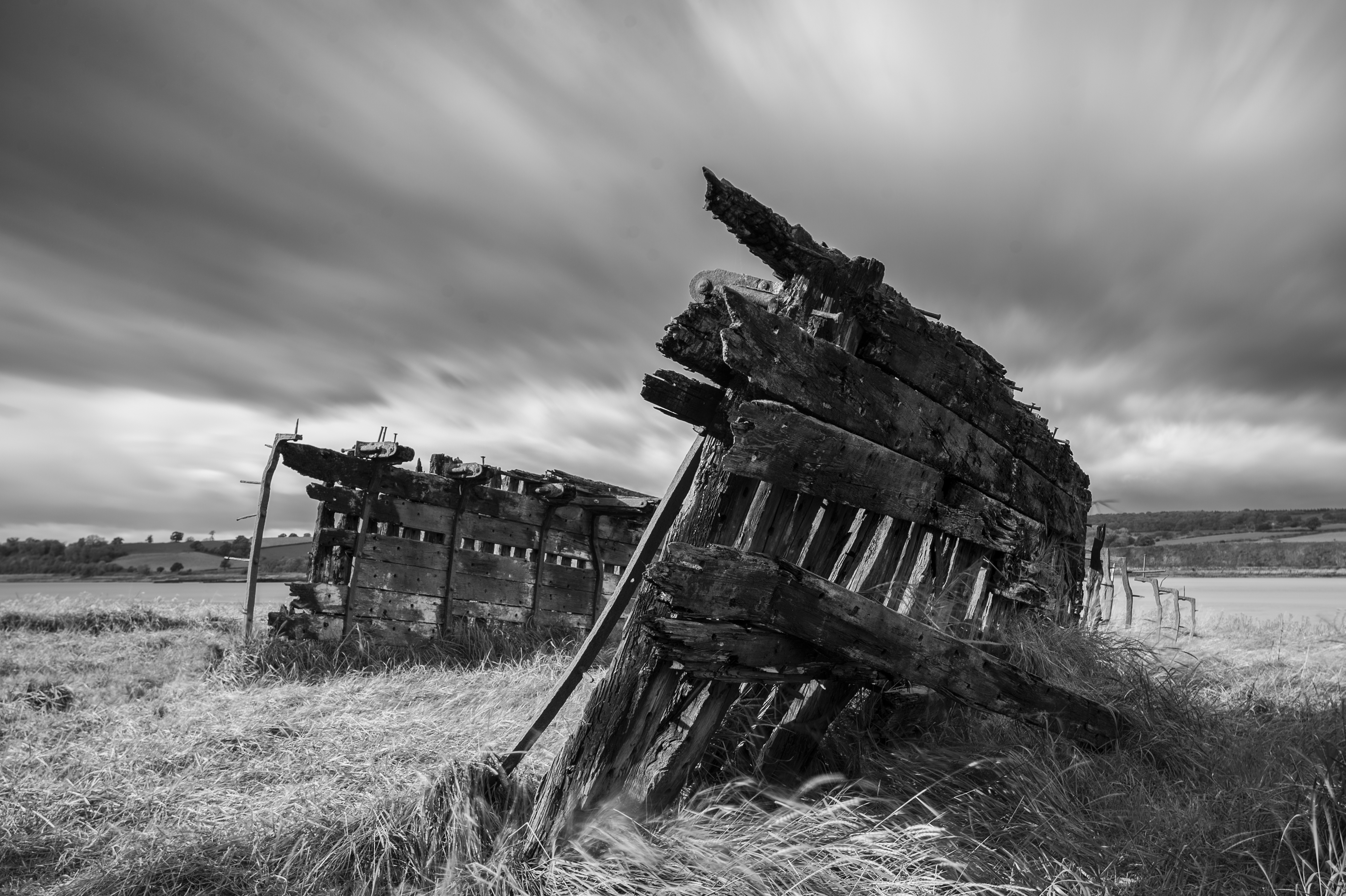
Your journey may not involve travelling the world or an excursion across Russia, but you might see your journey to the post office every Monday as particularly relevant – or the journey from your bed to the kitchen in the morning.
● Note the journeys you go on regularly and reflect upon them.
● Now photograph them.Remember to aim for consistency in your pictures. If you choose to photograph all the charity shops you’ve visited in a week, try to photograph them all using the same camera, lens, standing position, lighting, etc. This will help keep your project honed to the subject matter rather than you, the photographer
My Journey
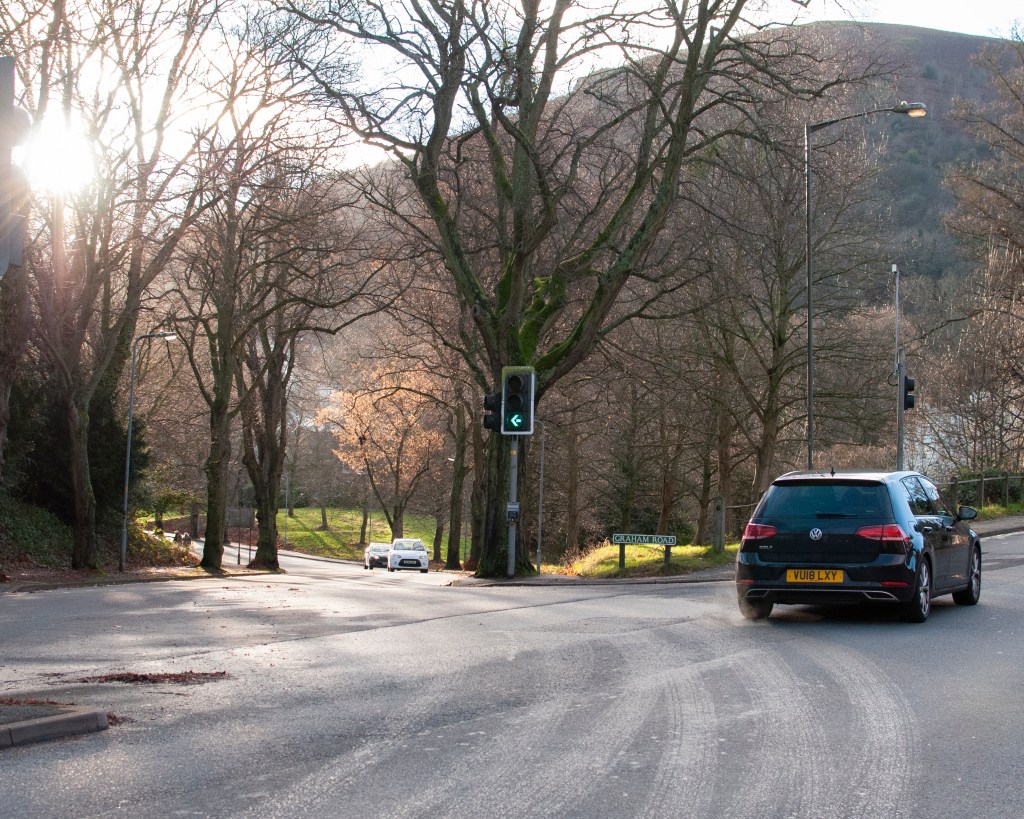
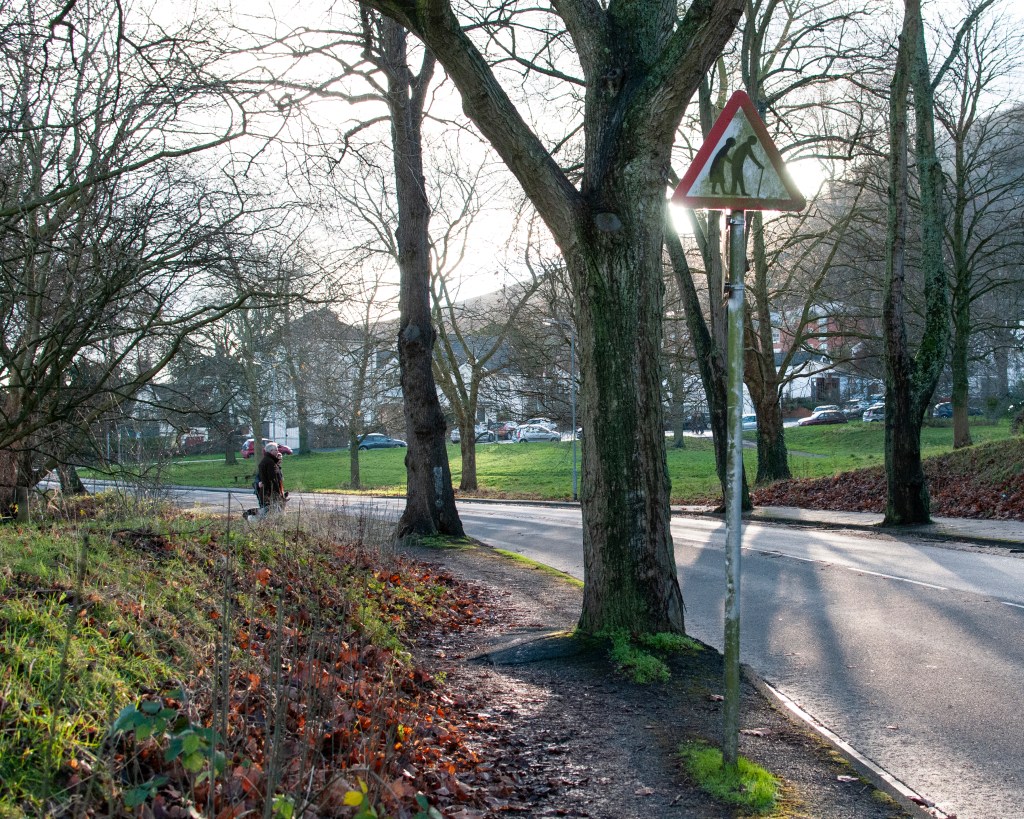
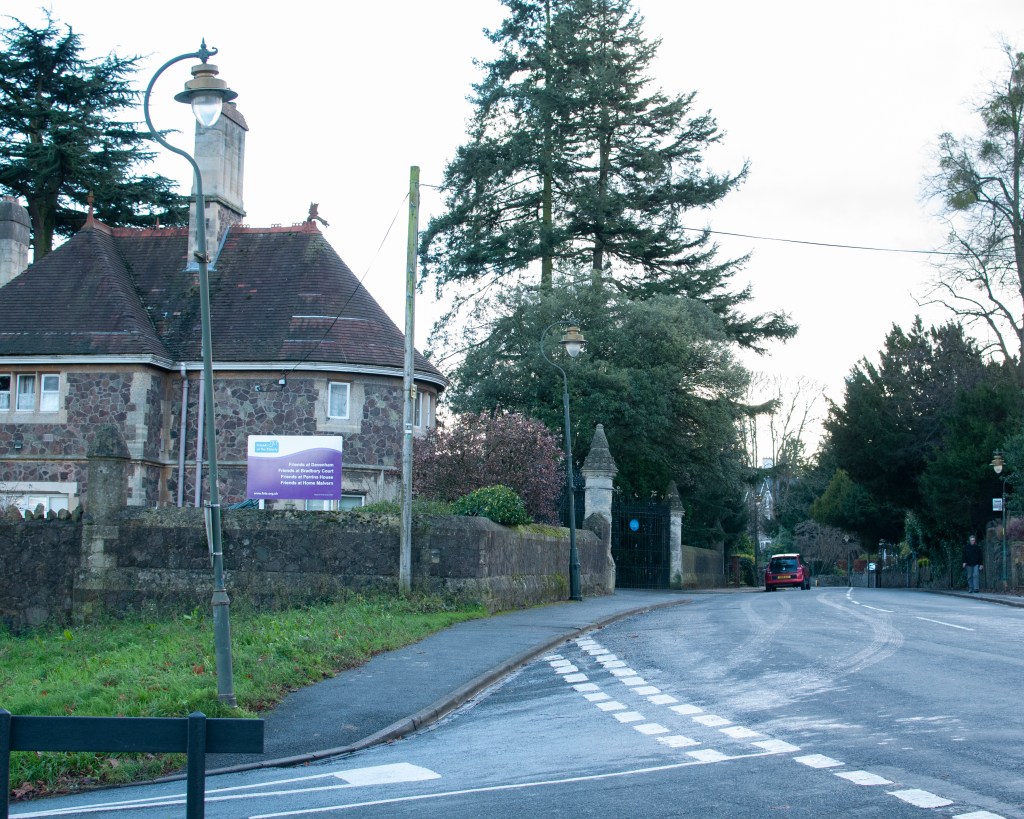
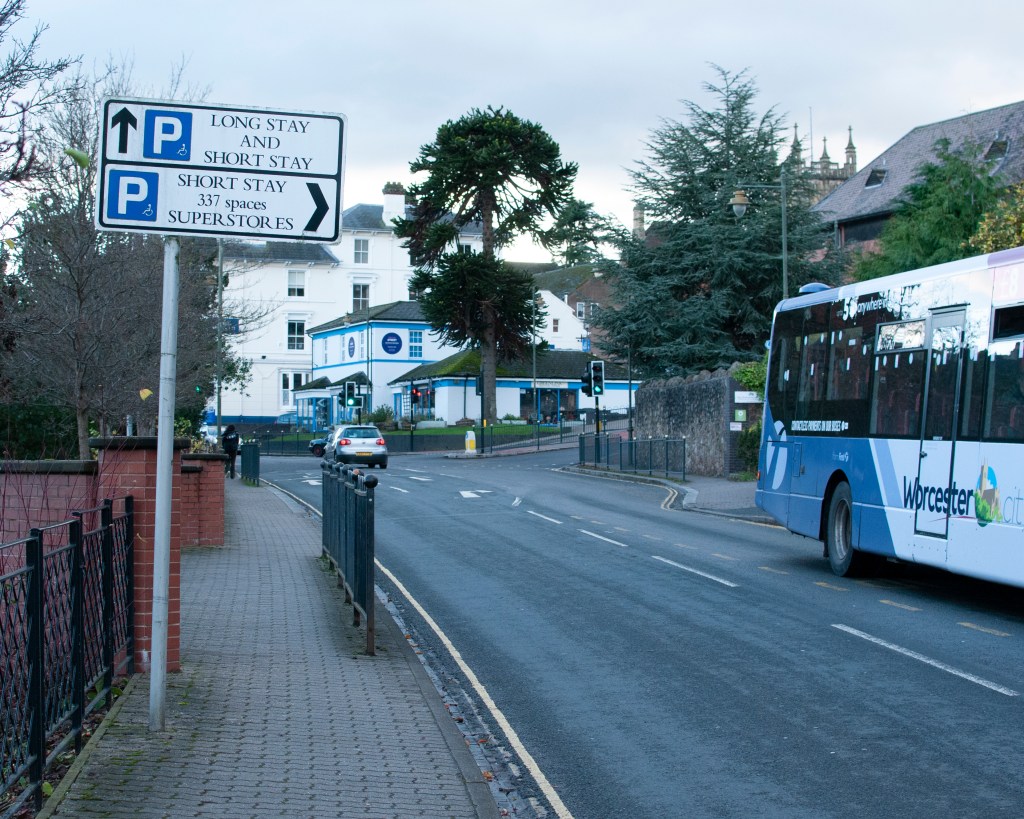
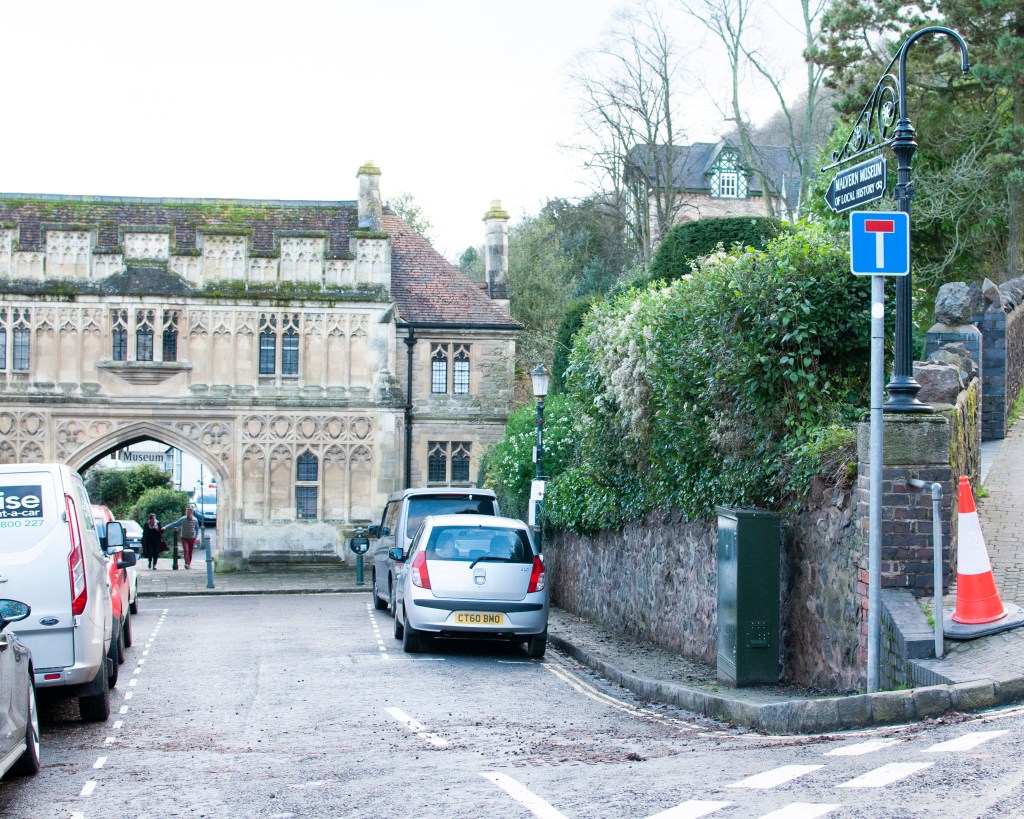
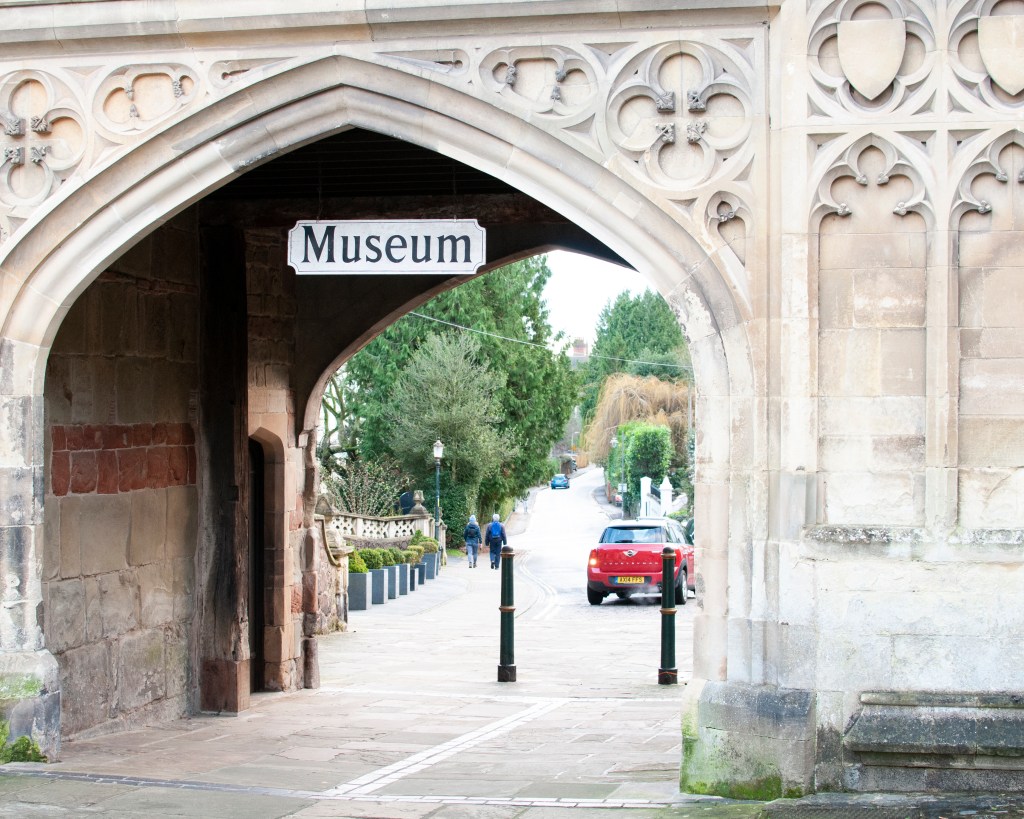
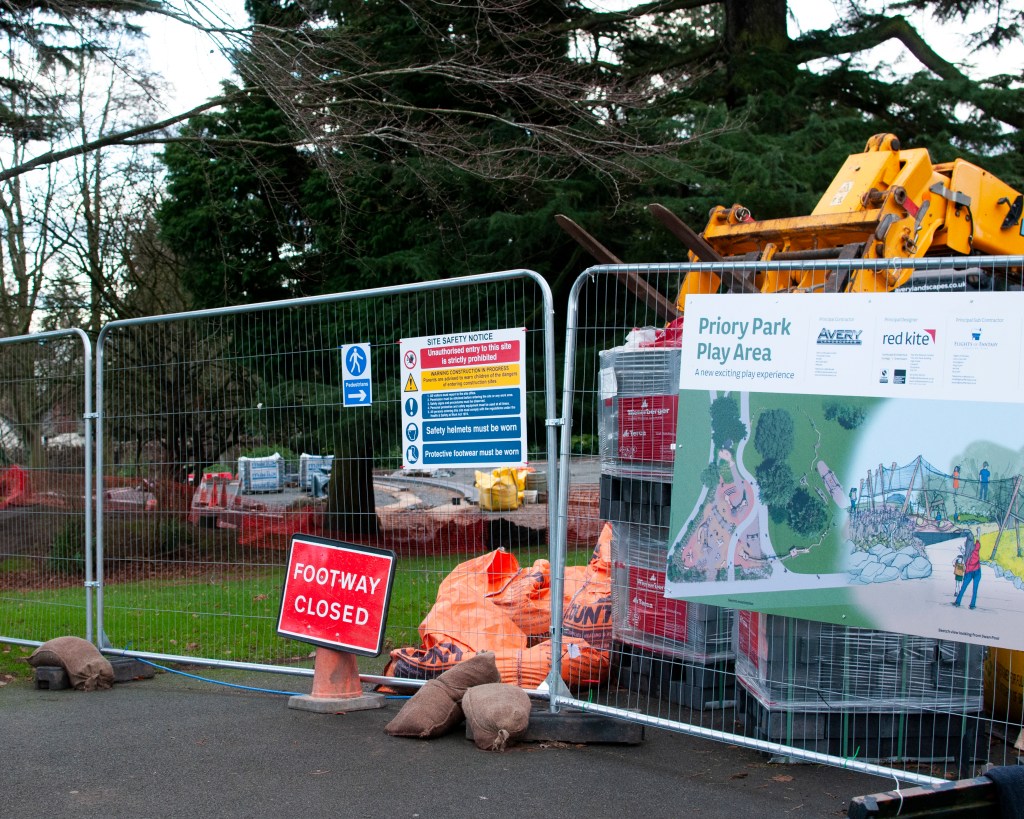
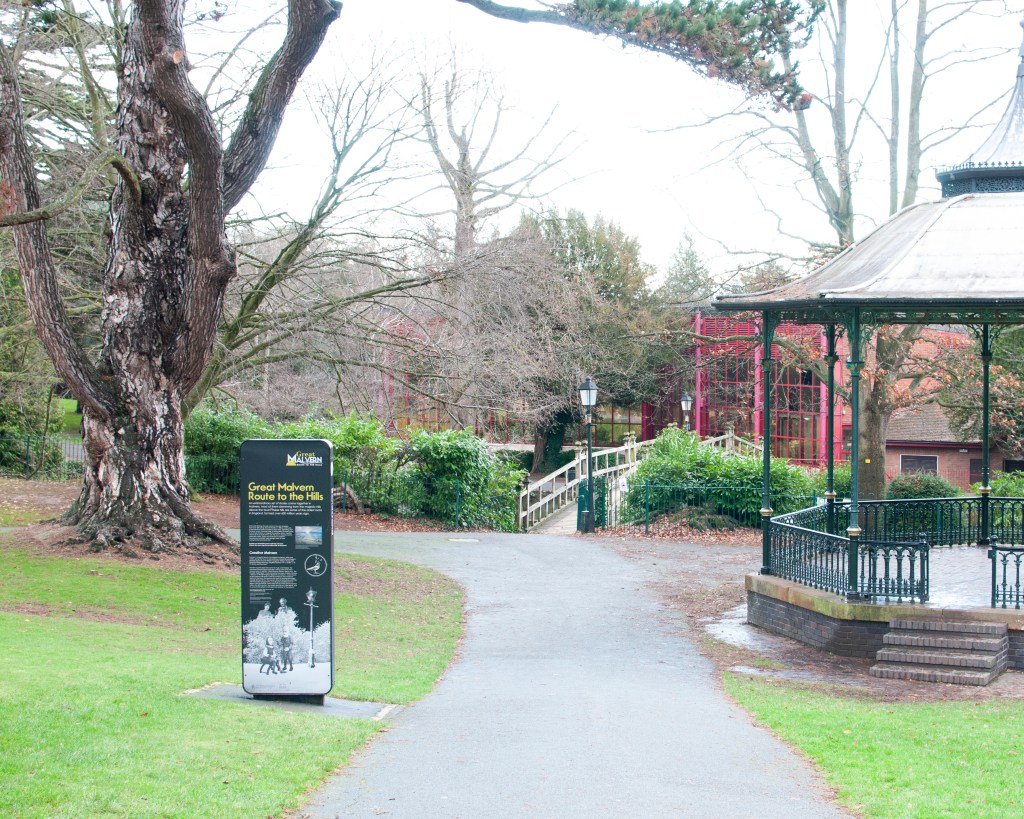
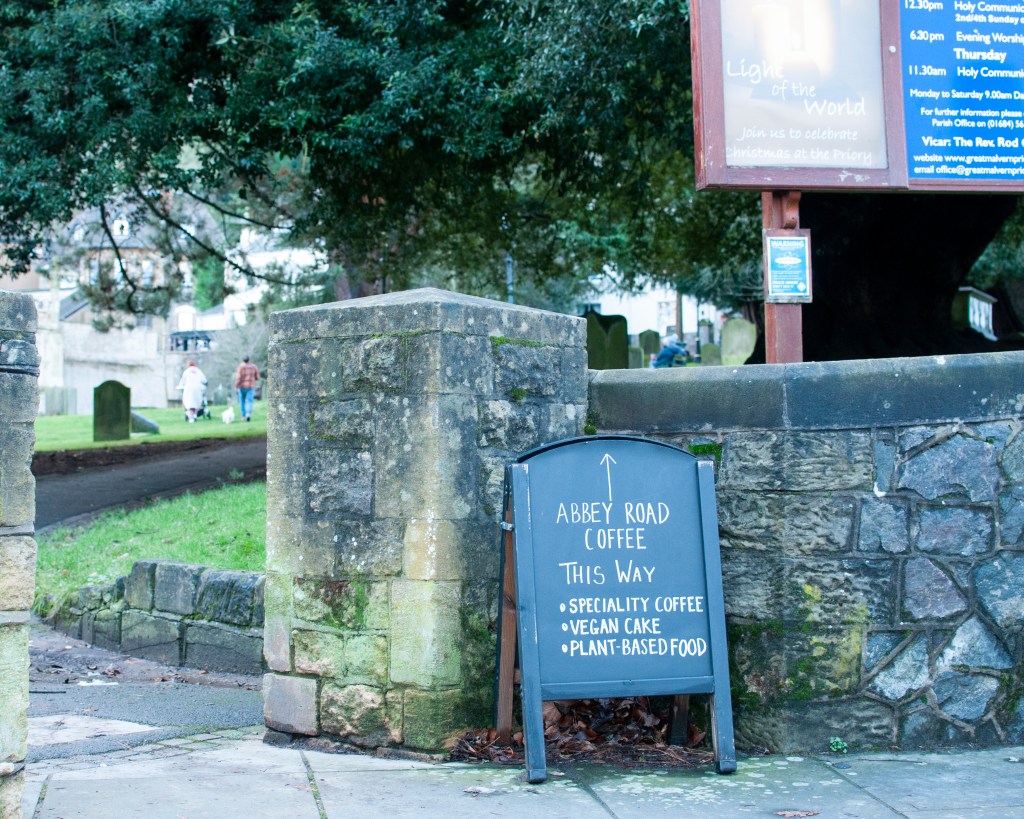
Every weekday since leaving my job, I make the same journey into town to my favourite café, where I work on my laptop amongst other people. Since COVID kept us all in our homes and my subsequent redundancy reduced my daily contact with friends and colleagues dramatically, I have felt the need to make this small pilgrimage to give me a sense of belonging in a crowd. I rarely engage with anyone else barring my friend who sometimes does something similar, and the staff in the café who now recognise me as a regular. The walk takes the same route every day and I spend most of the journey listening to music or an audiobook and walking on ‘auto-pilot’. For this series of photographs, I wanted to represent the journey as a physical route from my home (about a mile away) to the café. I decided to take a single camera/lens combination and use the same settings throughout (f/4 in Aperture Priority Mode, ISO 800). I did the walk out of context, i.e. not going specifically for a coffee and making use of a different time of day to my usual morning stroll. From a composition perspective I wanted to keep it simple. Each image would have a road or path leading to a vanishing point in the image, would contain some form or sign to place the location either in the context of geography or the town demographic and contain a representation of people going about their business. The latter was decided because I have photographed parts of the route many times before as empty space – something I didn’t want to repeat. I wanted the series to be about the town as observed through a camera while walking.
The Images

Review
With these images, I wanted to set my journey in the context of the environment without any strong perspectives on it from me. This is naturally very difficult as I’ve lived here for over 20 years and seen many changes to the fabric of the town. That said, its Victorian Spa roots are very much part of its history which attracts visitors all year round. To that end, a lot of the aesthetic quality doesn’t change that much. With this particular walk, I found myself being much more observant of things that gave a sense of the town. Many people retire here and the telltale traces of that are seen in some of the photographs, principally Two and Three. The history of the town can be seen in references to the Museum and the black and white imagery of the sign in Nine. The town’s identity as being on the hills that bear the same name can be seen in Two, but its ideas of how it sees itself are evident in Five and Eight; there are no “Superstores” in the context of a big town and the evolution of the children’s playground is seen somehow as progress. The playground that featured in Assignment 4 is the one being replaced here, which makes me a little sad. I guess that my feelings on the topic of Malvern still come through in the series, despite the effort to not make it all about me.
Conclusion
I found this exercise interesting as it called for observation of a slightly different nature to previous work. I wanted the series to ‘describe’ my journey from the perspective of a walker who is perhaps discovering the environment for the first time. The key elements that are seemingly dull or uninteresting at first glance, but when combined allow the viewer to draw some conclusion about this lovely little town. While I was shooting the pictures, I considered the idea at the start of the unit that was explained by John Szarkowski with respect to William Eggleston’s tricycle[1]. Those who have not walked the same path will gain a sense of Malvern from the series, but unless they actually have experience of it, that sense could be way off. Like all of the series in this unit, I’ve tried to leave plenty of room for multiple interpretations and physical anchors for the pictures, e.g. the Worcester City logo on the side of the bus in Five. It’s not until Six that we get the actual location confirmed by the signpost to the Malvern Museum – I consciously limited the recognisable landmarks to a single shot of the hills. This series was derived from a group of 44 shots taken on the walk, which meant that I had to carefully edit so to avoid the pictures being too prescriptive, which is a similar process to before. It’s the change of emphasis in observation that is the main learning point for me as some of the pictures are structured around subjects that I hadn’t seen before, event with my familiarity with the area. As Richard Wentworth said in the documentary about his work in London [1], it is the responsibility of the artist to observe. This exercise challenged me to do just that.
References
[1] OCA, 2021, “Identity and Place Part Five – Removing the Figure”, OCA Course Notes, Page 111.
[2] Phaidon, 2015, “Akademie X:Richard Wentworth”, Youtube, https://www.youtube.com/watch?v=0jsivEAXRwg
 Richard Fletcher OCA Photography Blog