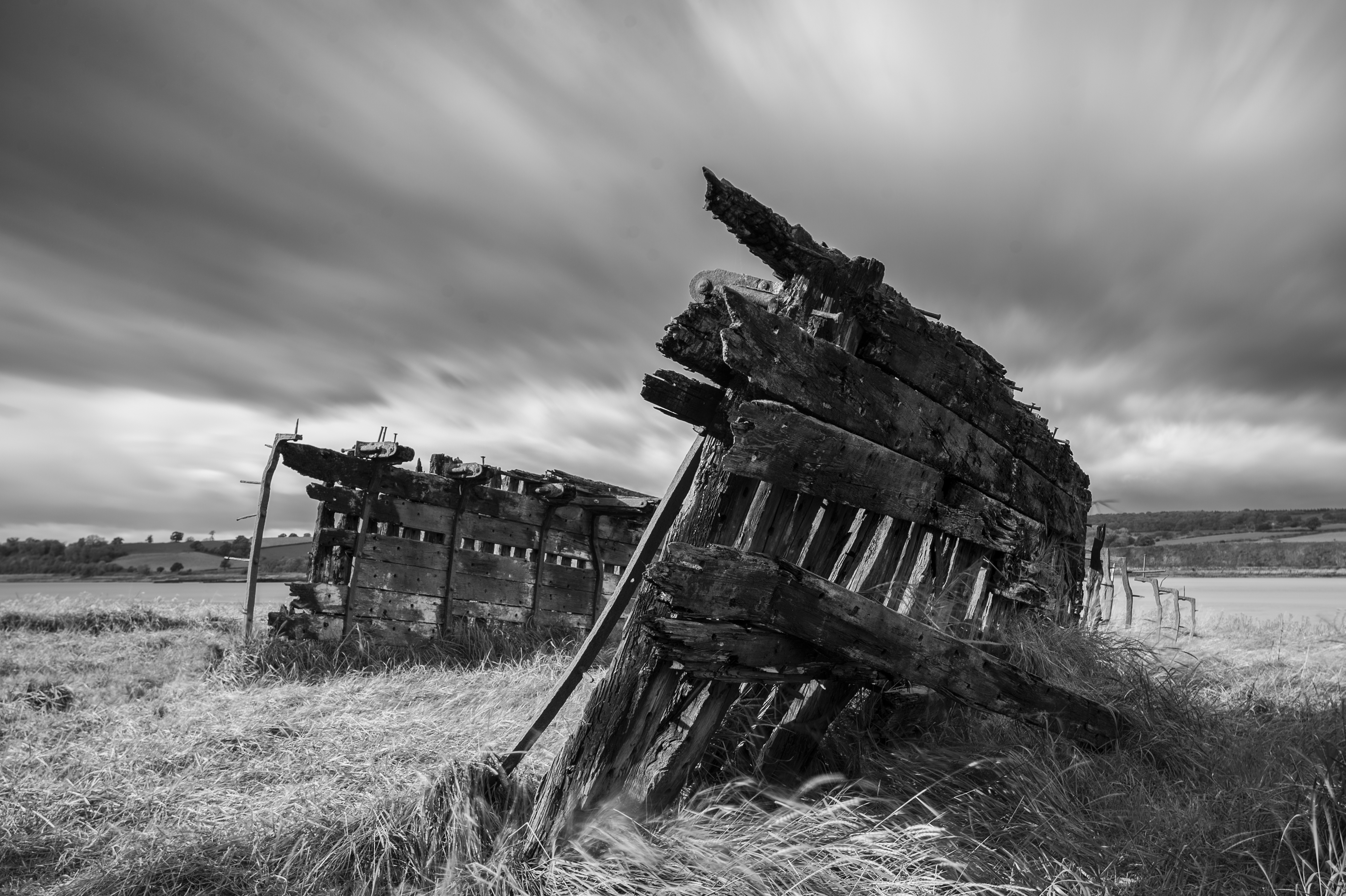
Look back at the themes we’ve examined relating to place and our presence within it. What areas inspired you most? The culmination of this course is a self-directed assignment where you have free rein to choose a subject that relates to any of the material discussed in the course. You may have gathered skills and insights through the projects that you want to revisit or you may have been inspired by other ideas.
The only stipulation is that the final outcome must represent a notion of identity and place that you are personally inspired by. Make sure that your work is visually consistent, relevant to the subject matter you choose and holds together well as a set, both visually and conceptually. Think carefully about your editing decisions.
- Which images need to be there?
- Which ones repeat other images?
- Are you holding on to a favourite that is no longer required?
- Do you need to re-shoot anything?
Aim for a coherent set of no more than 15 pictures, accompanied by a reflective commentary of no more than 500 words.
Reflection
Before you send your work to your tutor, check it against the assessment criteria listed in the introduction to this course guide and make sure that it meets all the criteria. Make your evaluation available to your tutor.
Reworking your assignment
Following feedback from your tutor, you may wish to rework some of your assignment, especially if you plan to submit your work for formal assessment. If you do this, make sure you reflect on what you’ve done, and why, in your learning log.
Introduction
Reflecting on Identity & Place, I consider the key learning to be about how I relate to personal stories and the context within which they are placed. At the beginning of the unit, we looked at portraiture as a way of representing a person or something about their personality. We looked at how artists incorporate elements like props and backgrounds, include text to describe and to steer a narrative and remove items, sometimes including the subject themselves. My reading of the course ‘intent’ was it being about placing a character, whether real or fictional, within an environment or context (the place) where a story could be told. The representation of a real person could be driven by either the artist or the subject (or in some cases both), while a fictional character could be entirely constructed by the artist from post memory or cultural influences with almost limitless creativity. Throughout the course, I have strived to say something about real people, from the complete strangers of Assignment 1 to the collective experiences of my town in Assignment 4. I decided towards the end of Research Task: Personal Reflection[1] that this assignment would instead be fictional, drawing on real-life references and questions about ourselves and technology. The story would take the urban legend of The Vanishing Hitchhiker as its inspiration.
The Vanishing Hitchhiker & Other Urban Ghost Stories
The telling of an urban legend is one that I think everyone in the western world experiences at some point in their lives. Someone confidently telling a story that happened to a ‘friend of a friend’ or distant family member, that they ‘swear is true’. In some cases the desire to believe is overwhelming, while in others the ‘truth’ is debunked easily enough. I first heard this story when I was around 10 years old. A man, driving alone at night picks up a beautiful female hitchhiker who shivers with cold on their journey to her home. The man gives her his coat and she inadvertently gets out of the car while still wearing it. Later realising his coat is missing, the man goes back to the house that he dropped her off at the following morning, only to find a distraught family member who tells him the girl has been dead for years. Uncertain of what to believe, he goes to her grave in the local cemetery only to discover his coat neatly folded on her gravestone. The story of the vanishing hitchhiker takes many forms and has varying degrees of believability folded into it. While researching for this assignment, I found out about a ghost called The Metheringham Lass[2], who is reputed to haunt the road where she had been involved in a motorcycle accident with her fiancé while stationed at a nearby airbase during the Second World War. ‘The Lass’ as she is known, flags down motorists for help her fiancé, gets in the car and promptly vanishes before the driver’s eyes. Sounds plausible, until we discover that the alleged facts about the girl cannot be verified in any electoral roll or airforce records. Still, there are many people who claim to have seen her on the stretch of road. We don’t know why urban legends, and ghost stories in particular, hold such fascination, but my theory is pretty simple. We want to believe there is something beyond death; the traditional notion of the afterlife but where people can still interact with the living. In addition, we want to imagine what the experience was like for the unfortunate driver (in the case of the Metheringham Lass), whether we ourselves would be utterly terrified by it or somehow sad that the person turned out not to be real. Some accounts of The Lass are truly harrowing (empty sockets for eyes, stench of rotting flesh etc) while some are desperately sad in their telling. Whatever the reason for the story’s continued existence in folklore, the vanishing hitchhiker struck me as a story that could somehow be retold in the context of modern society, social anxiety and mental stress.
My Inspiration
Aside from the initial interest in the ghost story, my inspiration for this assignment came from a couple of recent conversations with friends. We were talking about the longevity of relationships and how we’d met our wives of many years (in my case 20). We talked about the huge business of dating agencies that operate through phone apps, e.g. Tinder, where the customer base could be looking for anything from casual hookup to long-term relationship. As neither of us had any experience of this sort of thing, we questioned how accurately people portray themselves as well as the chances of these apps/sites leading to a long and happy marriage. This made me think about how we are surrounded by digital imagery of what is considered perfect or beautiful and how that affects our mental health. There have been many studies about the impact of body shaming, for example, and its effect on teenage girls with many documented cases of depression and in the worst case, suicide. I started to think about how the classical urban legend could be updated to tell a story about modern life in the digital age.
I was greatly inspired by the series Rubber Flapper by former OCA student Michael Colvin[3]as well as the tableaux works of artists like diCorcia[4] and Wall[5], studied previously. Colvin’s work intrigued me as his use of carefully created props were so convincing that I found myself wanting to ‘Google’ his fictional character to learn more about her. With my series, I wanted to maintain the thread of the ghost story so wouldn’t follow Colvin’s that closely. However, I would create my own props and sets in which to shoot. Another inspiration came from the 1999 film The Sixth Sense[6], where the lead character is counsellor to a child who can see and interact with ghosts, only to be revealed as one himself at the end of the film. The child character takes on the role of counseller from the lead, which for me was one of the biggest plot twists that I had seen in film. I wanted to create a sense of the ordinary and then extraordinary with my series, taking cues from that film to help shape the narrative without being too literal.
My final inspiration came from reading Barthes’ The Rhetoric of the Image[7] which discussed, amongst other things, the way that comic strips use text as a relay to the action in a way that can create a sense of the story on its own. When paired with the images, the story becomes whole but still leaves plenty of room for interpretation by the reader. I decided early on that I wanted to present my series as a comic or graphic novel.
The Series “Send a Message or Keep Playing?”
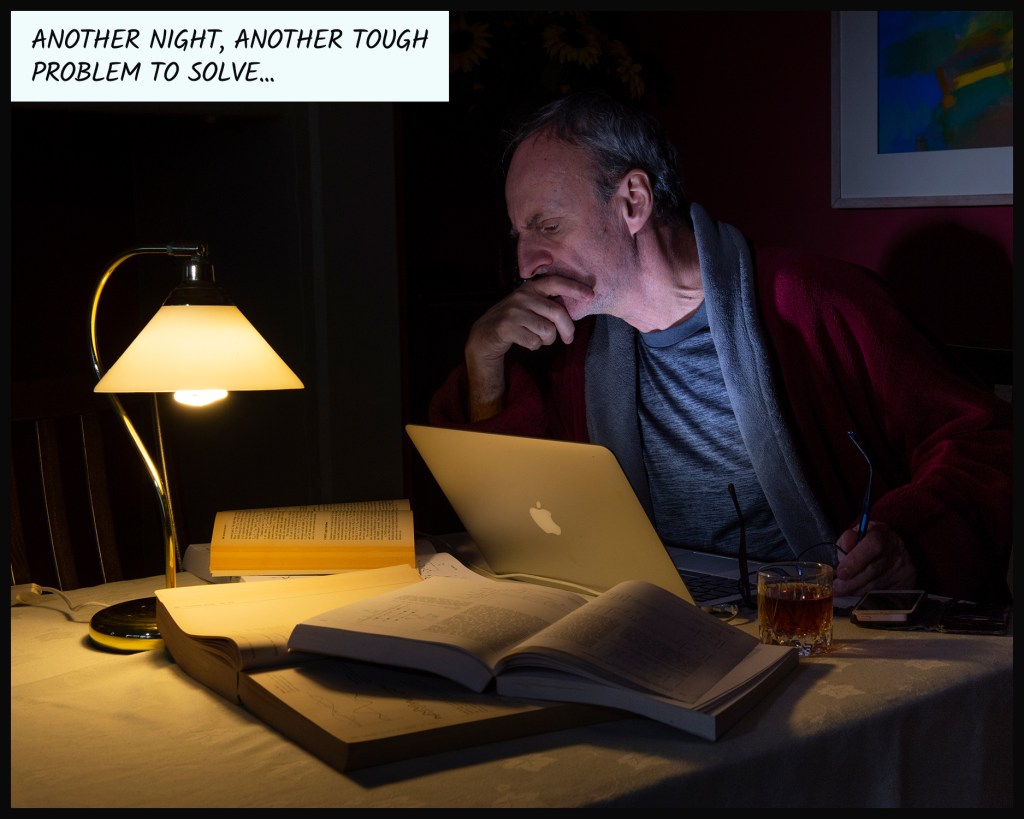
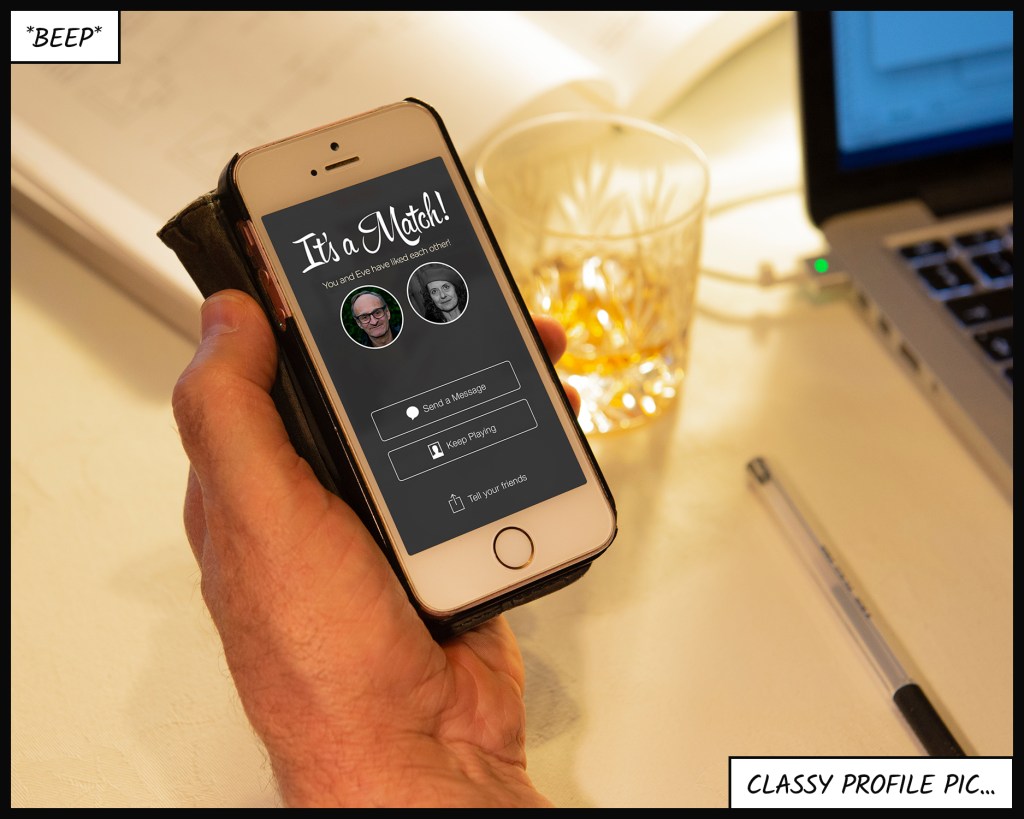
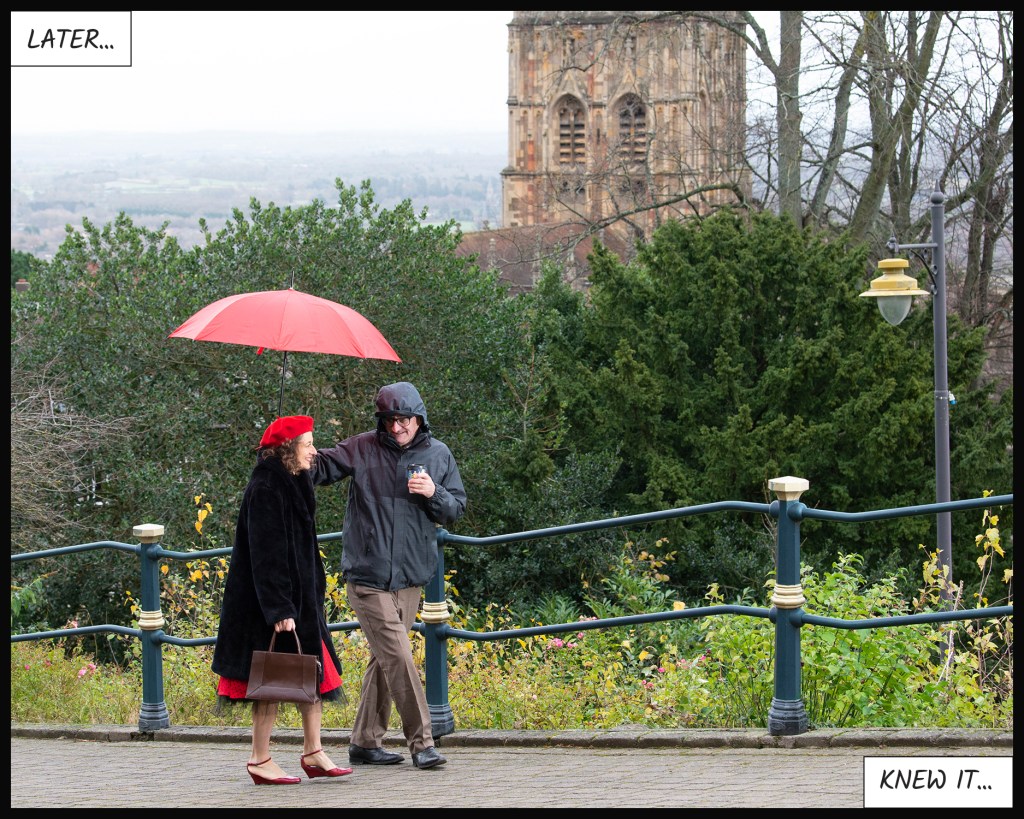
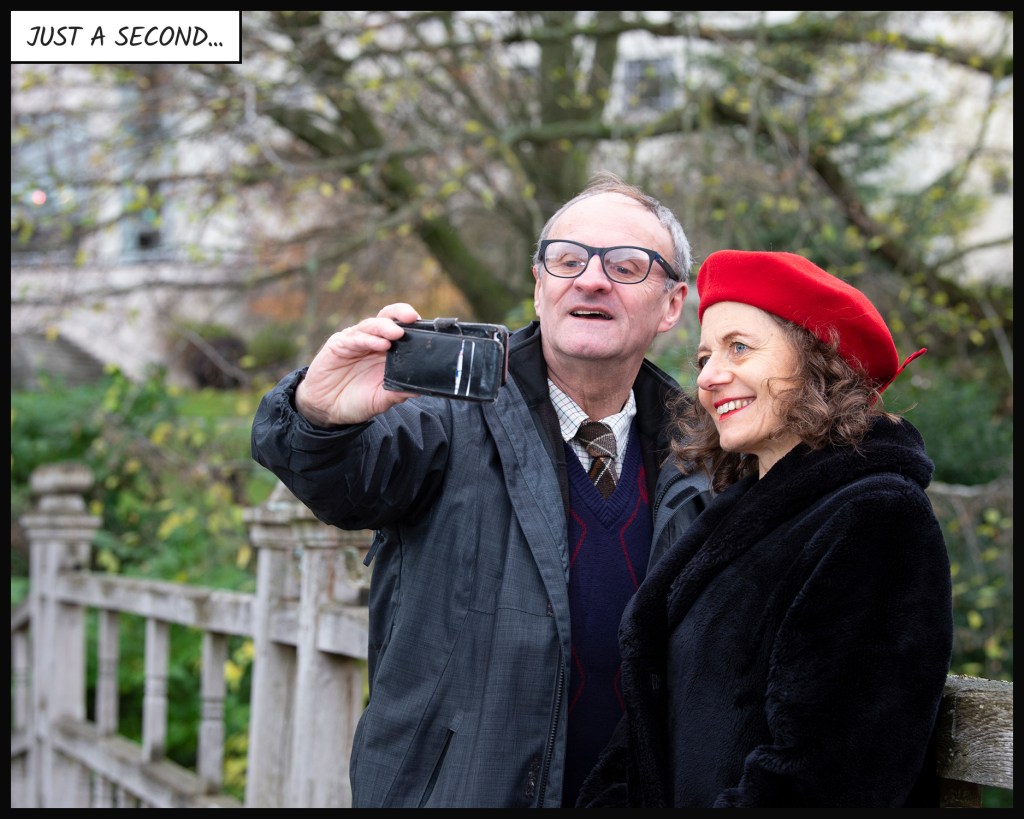
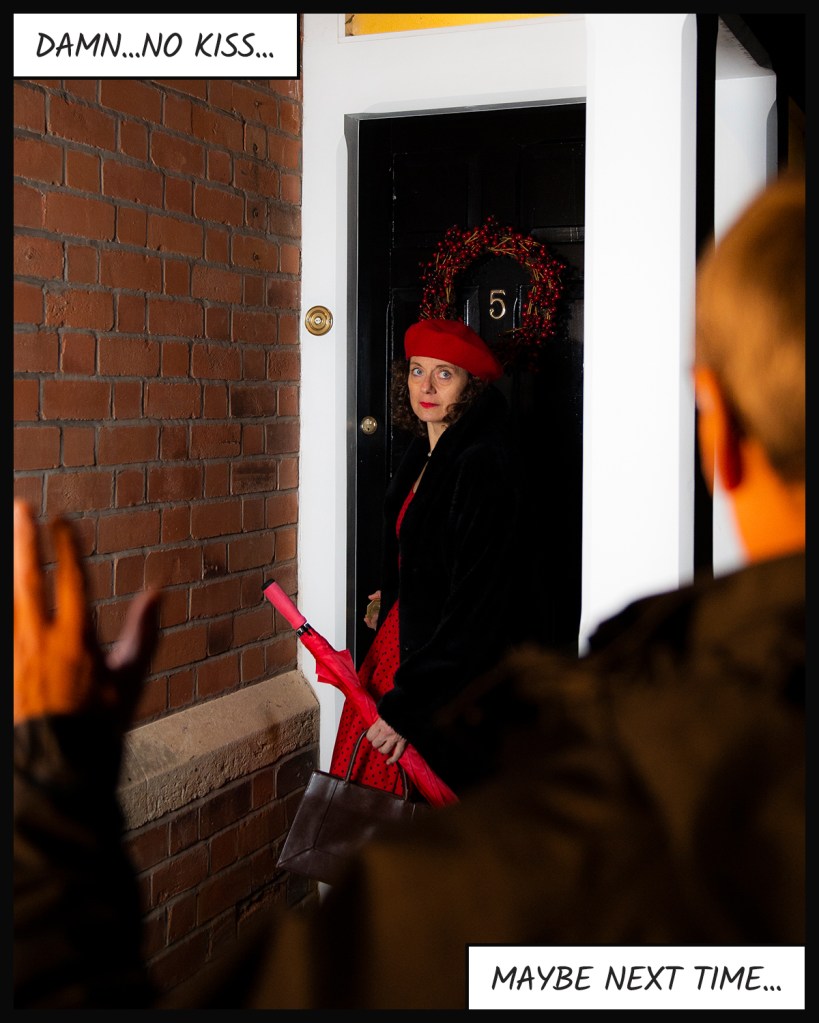
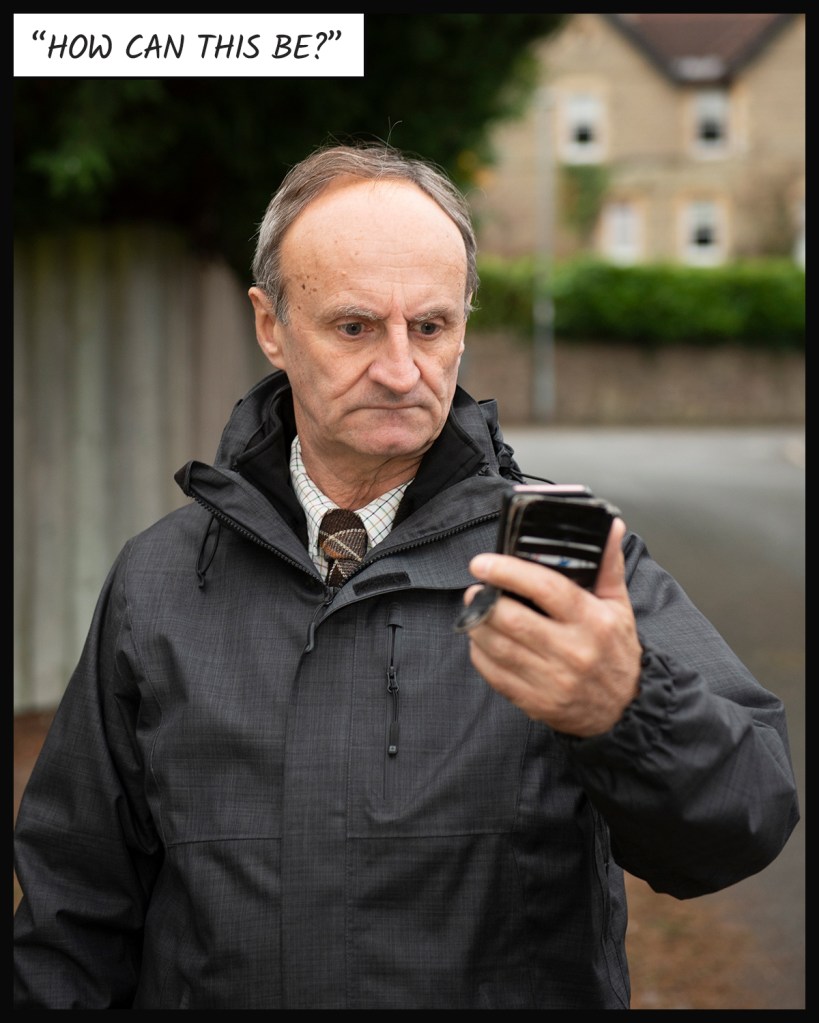
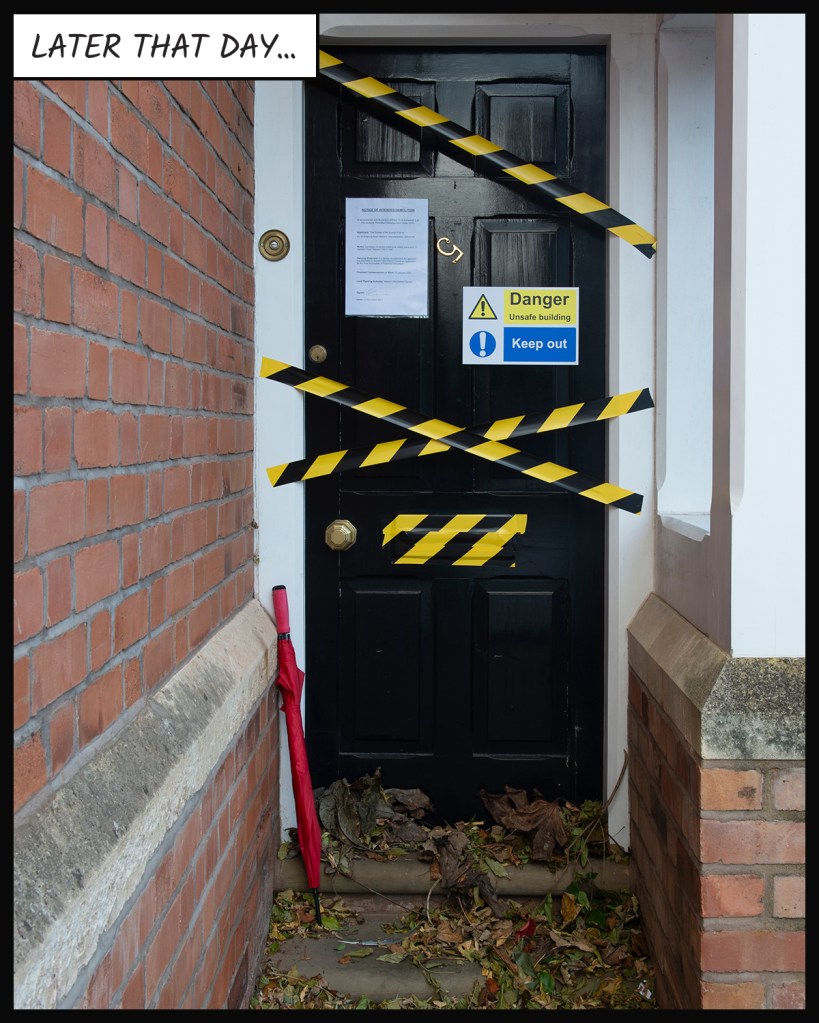
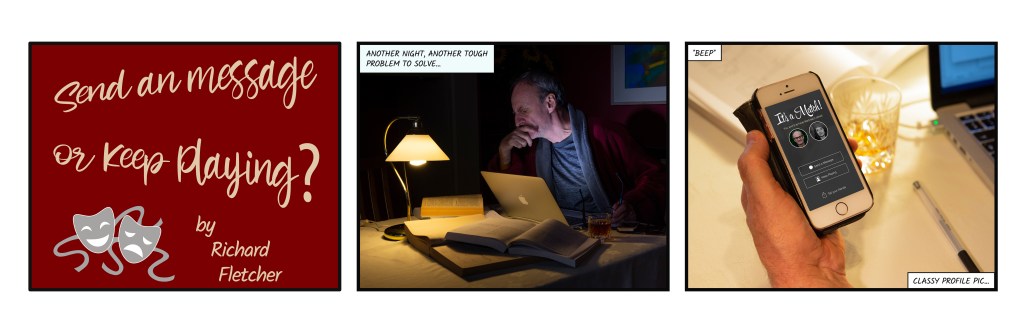
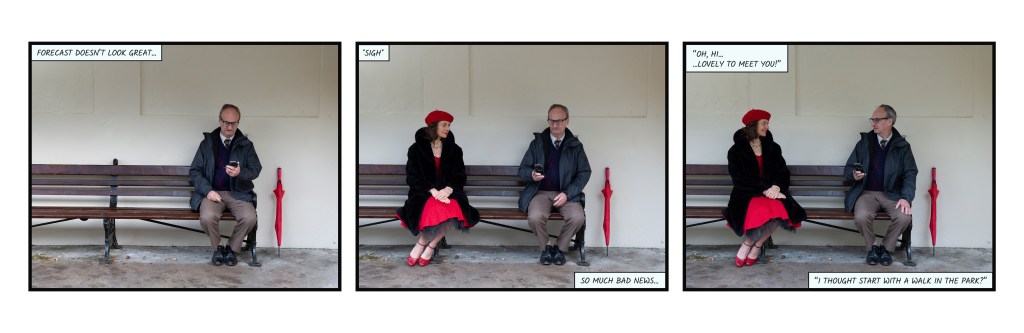
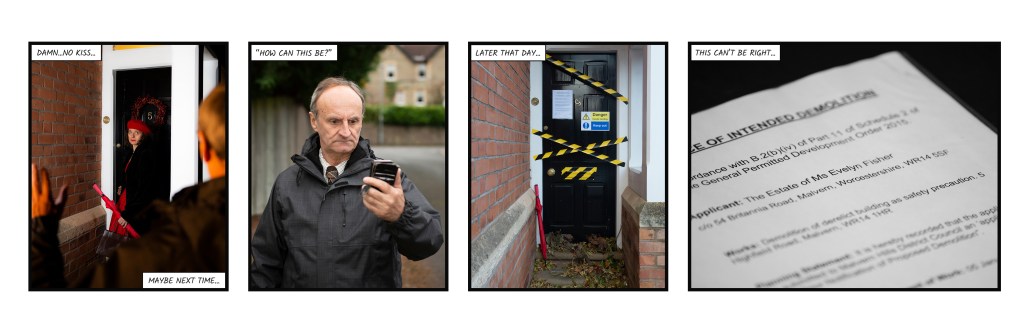
The individual comic strip panels can be seen in sequence below. The complete arrangement of panels can be seen also. For assessment, I intend to present as an ebook in a configuration similar to a comic strip.





Comic Strip Layout


Reflection (500 words)
This series has its origins in the classic urban legend ghost stories that have been told and retold for many years by people who ‘swear that this is true’. These stories are able to suspend our disbelief because in every telling, there is something that we recognise as part of the human condition. With this series, I wanted to bring the particular story of The Vanishing Hitchhiker up to date, choosing instead to have phantom girl appear in the cyberspace world of online dating. In doing so, I wanted to comment on how our modern-day dependence on technology for everything from shopping to finding love has resulted in a great deal of ‘taking things at face value’. I think the series successfully tells the story of a lonely man who is matched via a dating app, meets her and experiences the pleasure and then disappointment of things not turning out to be as they first appeared. We have indications of a rational, logical man who has no reason to disbelieve his good fortune at meeting the girl, who herself has contextual elements that suggest she is somehow ‘out of her time’. The ‘reveal’ in the last panels is intended to lead the viewer, but still leaves sufficient ambiguity as to the fate of both characters.
I drew significantly on the Rubber Flapper series by Michael Colvin as it encouraged me to explore the fictional that is linked to reality, but not established as such. In this series, the core story is pretty clear, but the more subtle symbolic messages leave us with questions about our sanity, how hard modern life is and how even with technology, it’s not easy to really meet people in the real world when we are awkward about such things. I was fascinated by Barthes’ discussion of comic strips and their use of relay text, which led me to work this series in that style. The text establishes a timeline and some of the man’s thoughts, but it’s not sufficient to distract from the need to study the pictures, something I’ve been careful about throughout this unit.
For me, the strongest images are the first and last, in which the man’s character is established and Eve is ‘revealed’. I took inspiration from the Rembrandt portraits of scholars by warm candlelight, electing to light Eve with a different colour temperature. Putting her slightly out of focus further emphasises her apparently ‘unrealness’. I cannot easily identify ‘weak’ images as previously, because even simple shots like man’s reaction to his phone are deliberately included to anchor the series. Overall, I believe the text in the series links the story together without being too prescriptive, which was the main goal.
The people that have seen the series in development have commented on how they feel drawn to the less obvious elements in the images, while understanding what the central storyline is. This feedback supports my intention for the series.
My thanks to my wonderful models, Vikki and Ron, whose contribution towards the shaping of this series cannot be understated.
Post Assignment Five Feedback Updates (edited January 2022)
Following the feedback session with my tutor, I made a number of changes to this assignment as detailed in the reflection document Post Assignment Five Feedback which can be found here:
https://richardfletcherphotography.photo.blog/2022/01/17/post-assignment-5-feedback-2/
Reflecting on the feedback and the changes made in the above document, I now believe the series to be much stronger. The new crops to Seven, Eight and Twelve from landscape to portrait makes the tessellation of the photographs as comic panels more effective. The rotations applied to Seven, Twelve and Thirteen not only makes the images fit the pages but take their cues from graphic novel design. With the story presented by page, I now understand my tutor’s point about being presented with the story all at once. We still read the panels sequentially as we would a book, but we can see the action unfold further ahead, which builds anticipation in the reader. I hadn’t appreciated this as a strength of graphic novels and this learning has sparked a new interest in how they are created.
The key learnings from updating my series are as follows:
- When more than one person gives the same piece of feedback, it’s worth putting aside the original artistic intent to consider how it might improve the work. I went from the phase of trying to push back against this feedback, highlighting that I didn’t think they understood what I was trying to achieve, to seeing a way of making the impact of my work more powerful.
- In addition to the above, the work should be worth taking the time to reconsider. What I mean by this is that the series it was a lot of work to create the initial series, which meant that I had the overwhelming feeling of wanting it to be as good as it could be. That is why I made these significant changes to series and how it’s presented. If the work is personally important, why wouldn’t an artist consider all feedback as an opportunity to make it more meaningful?
- I had the idea of using a comic or graphic novel as the presentation for my series, but didn’t start out by shooting this way. The result was a challenge to achieve that wouldn’t have been a problem had I included it in my planning. I’ve learned that the final presentation should feature in the original development of an idea rather than being a consideration at the end.
My final presentation of this assignment can be found here:
https://heyzine.com/flip-book/aeff6fdf94.html
Overall, I am happy with the final outcome and grateful to my tutor, my family and fellow I&P cohort members for their help and support throughout the updates.
Against the Assessment Criteria
Demonstration of Technical Skills
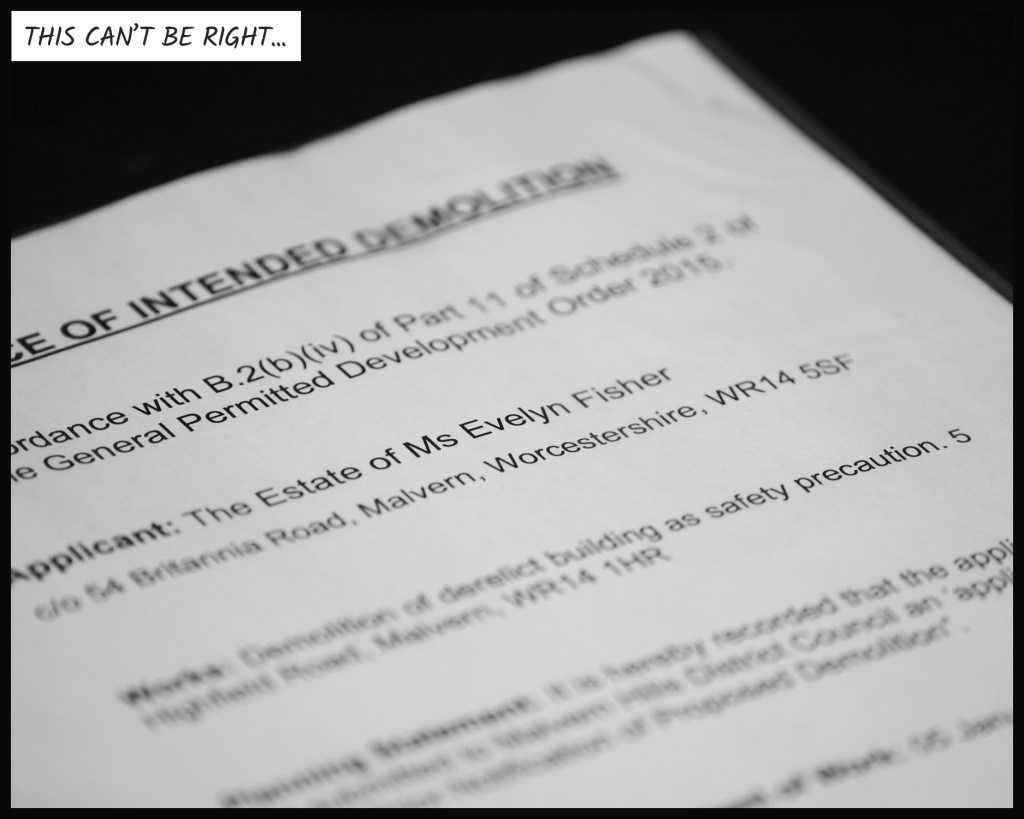
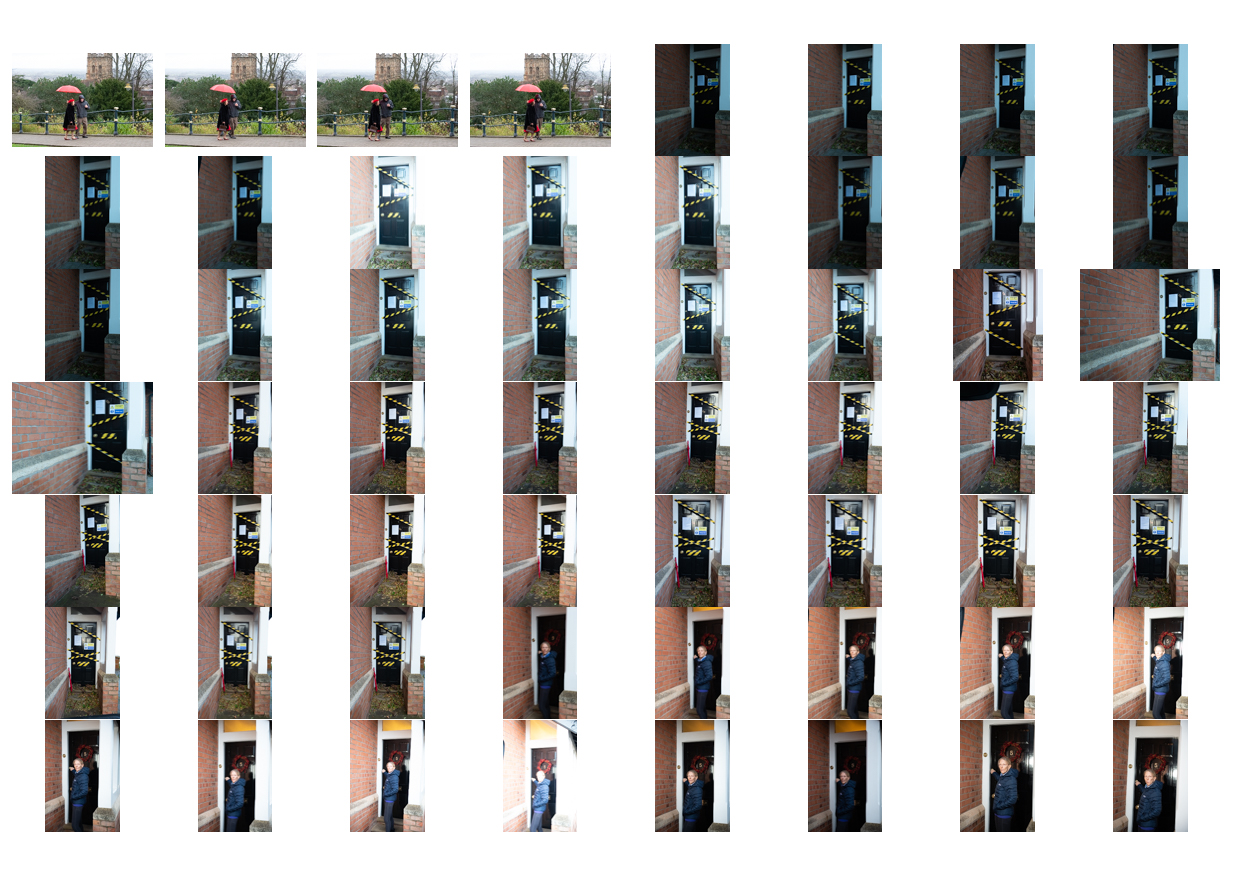
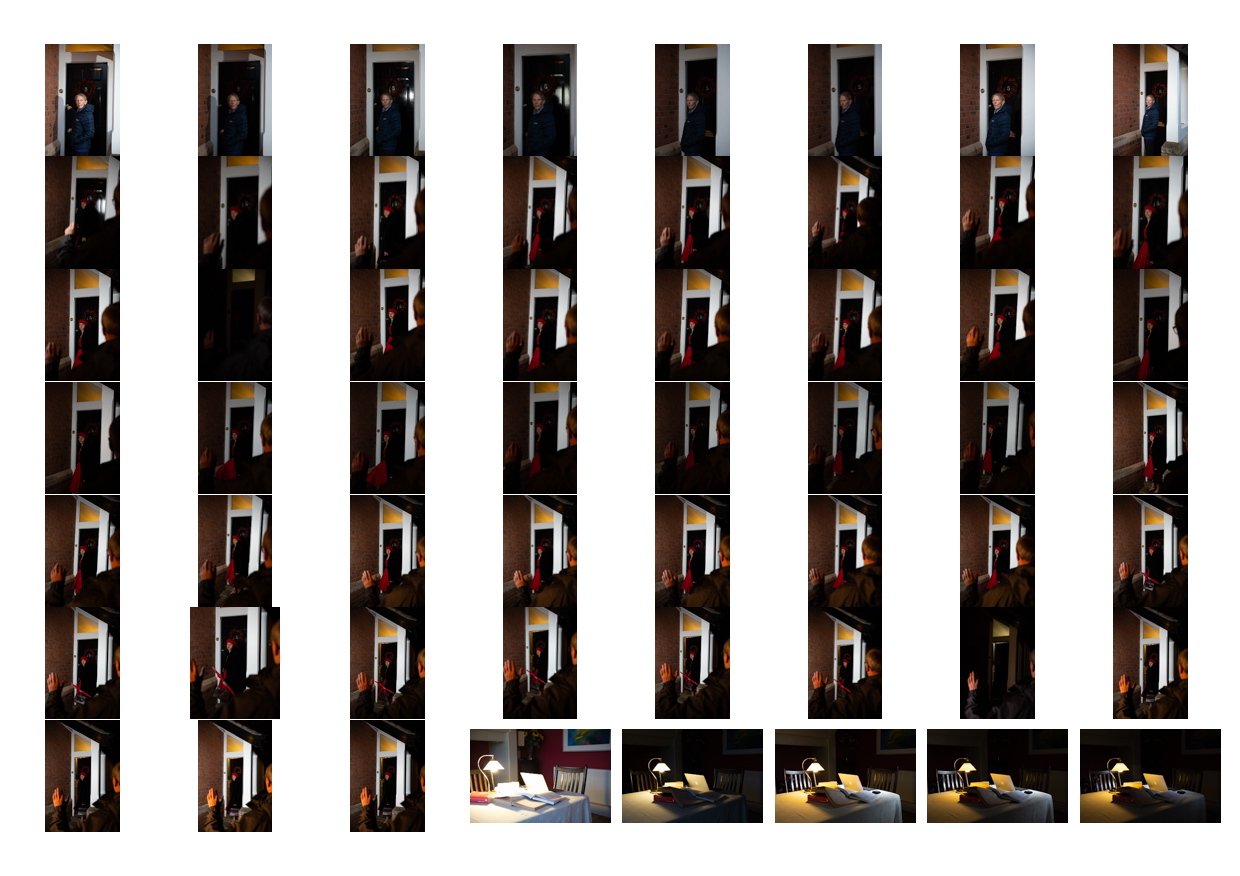
This assignment combined both studio setups and outdoor compositions, which introduced some challenging lighting requirements. For the outside shots, fill light was provided by a remote speedlight flash and for the indoors a combination of studio strobes and hot lights were used. The second image required the use of Photoshop to place the dating app onto the actor’s mobile phone in a shot that was taken during the studio shoot. The shot of the demolition notice was taken with a macro lens to carefully highlight the text ‘subject’ while not being distracted by the rest of the frame. The split-lighting of the last frame was achieved using hot lights to light the man and strobe & snoot to light Eve. Overall, I think the application of technical skills was vital to the impact of the images, both invidually and as a series.
Quality of Outcome
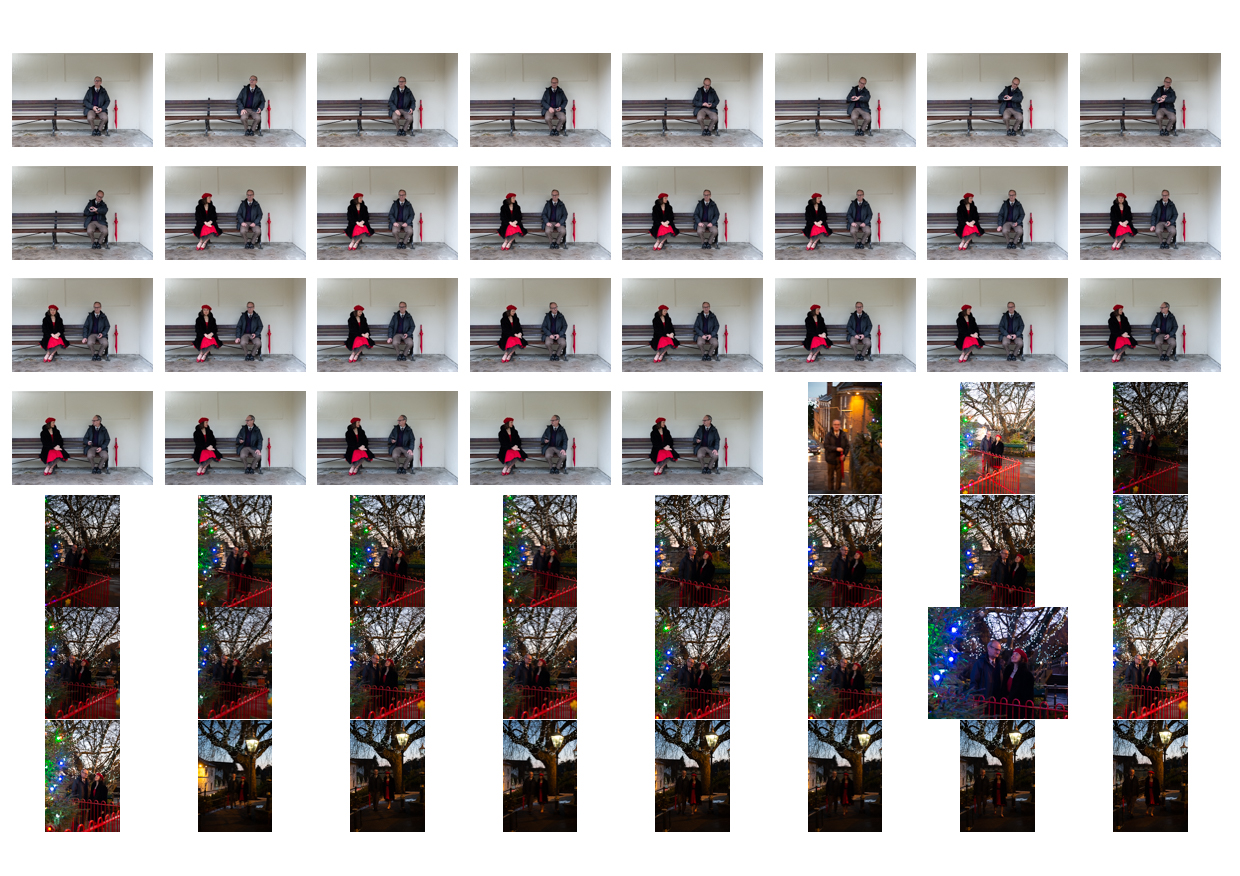
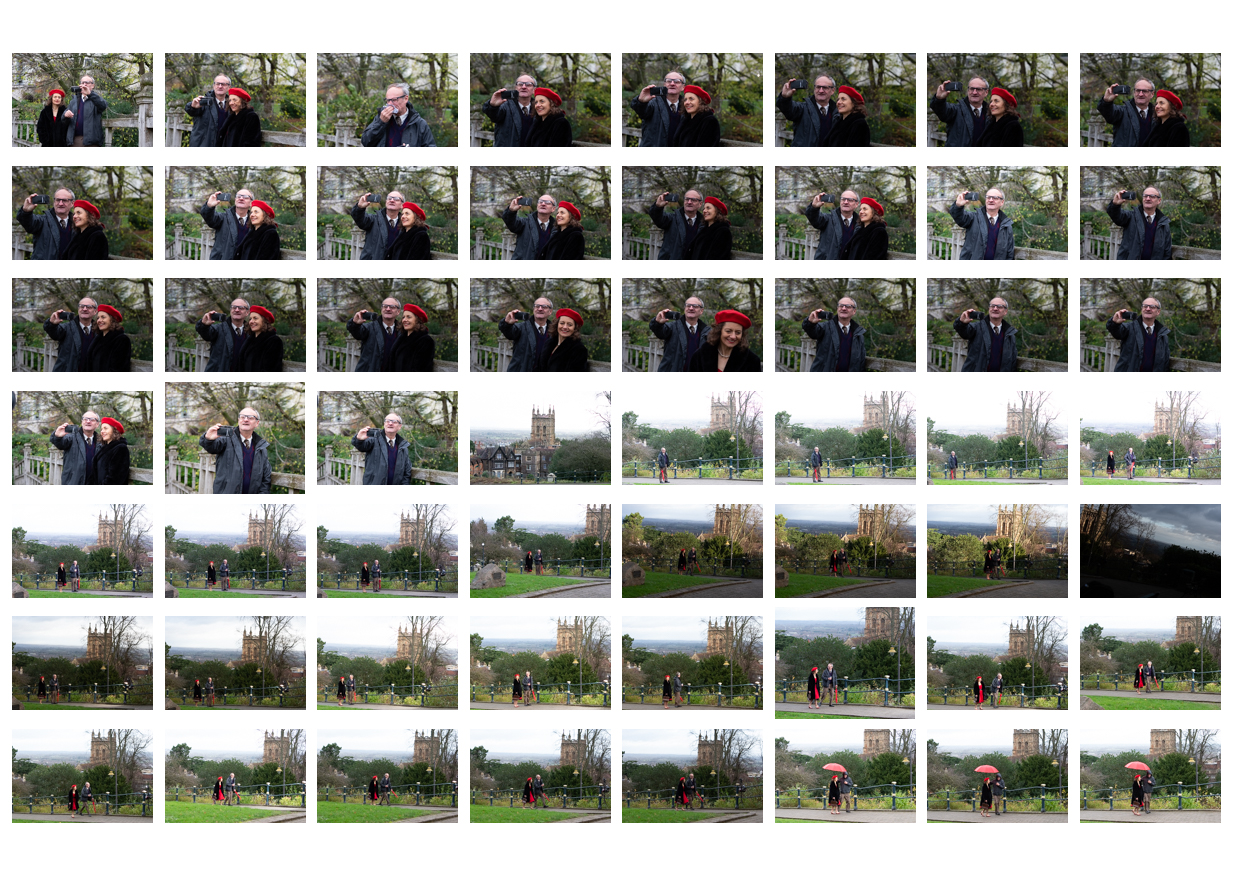
All of the images in the series work together to tell the story. There are 14 in total but the selection was made from a much larger collections shots that included different poses and facial expressions for each character. I believe the images to all have their own strengths, with those that tie the story together being of the same level of quality to those that clearly tell the story of the characters.
Demonstration of Creativity
This work marks a departure from factual storytelling in that I’ve taken a fictional idea and included a thread of reality throughout. The man is someone who’s awkwardness we can identify with, particularly when meeting someone new. We have no clue as to how the girl connected with online dating beyond the fact that the man believed her to be real. We don’t know if his mental state, dependency on technology of just his will to believe what he sees prompts him to go on the date. The disappointment of things not being as they seem can be related to the convincing nature of the false information that surrounds us but masquerades as truth. The series combines my fascination with ghost stories and our eagerness to believe them, while complementing the everyday hardships of modern life; something I’d not really considered for an assignment previously.
Context
The series works in establishing a relatable character’s identity and an insight into his world, while his place in this context is more virtual than real. The two lives are connected by Eve but cannot exist together, which leaves questions about what ‘contemporary’ people are really about.
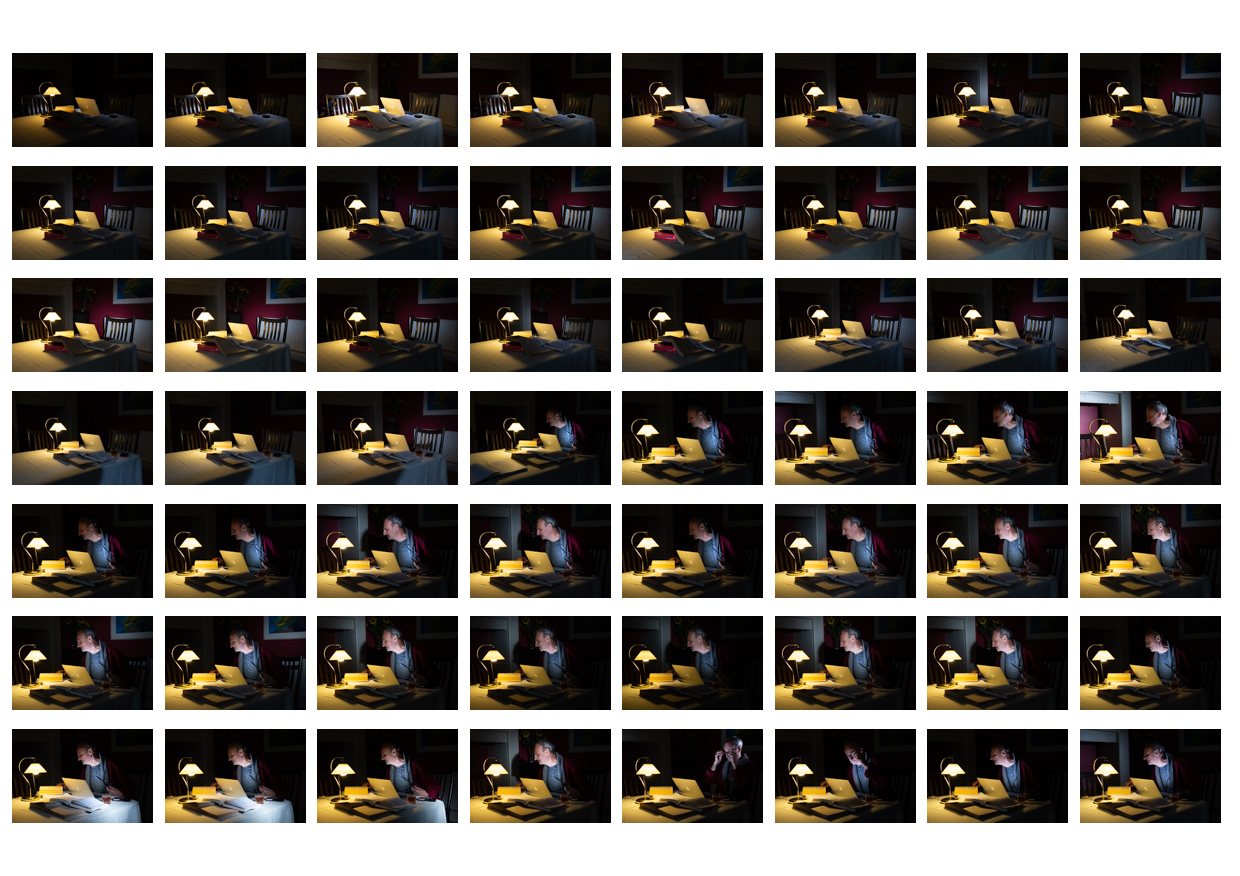
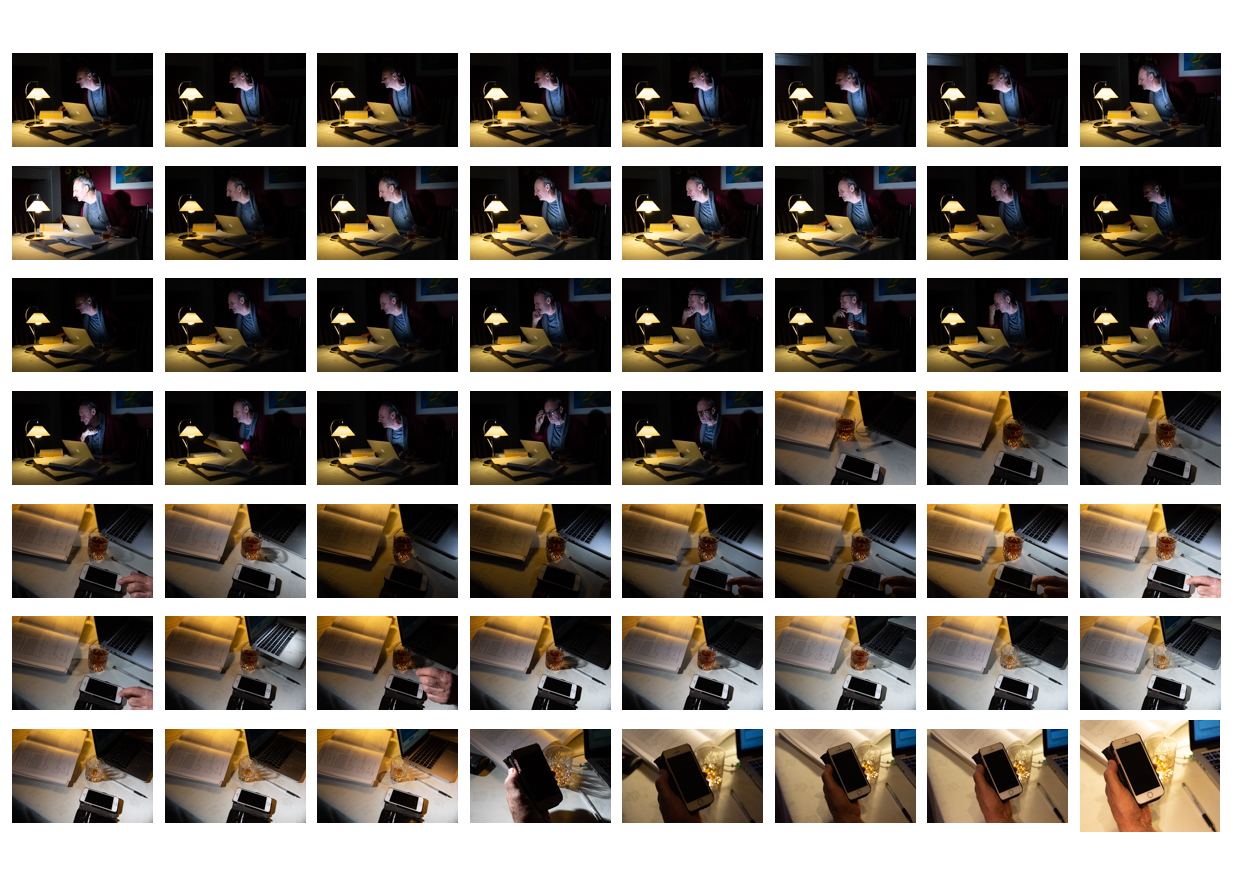
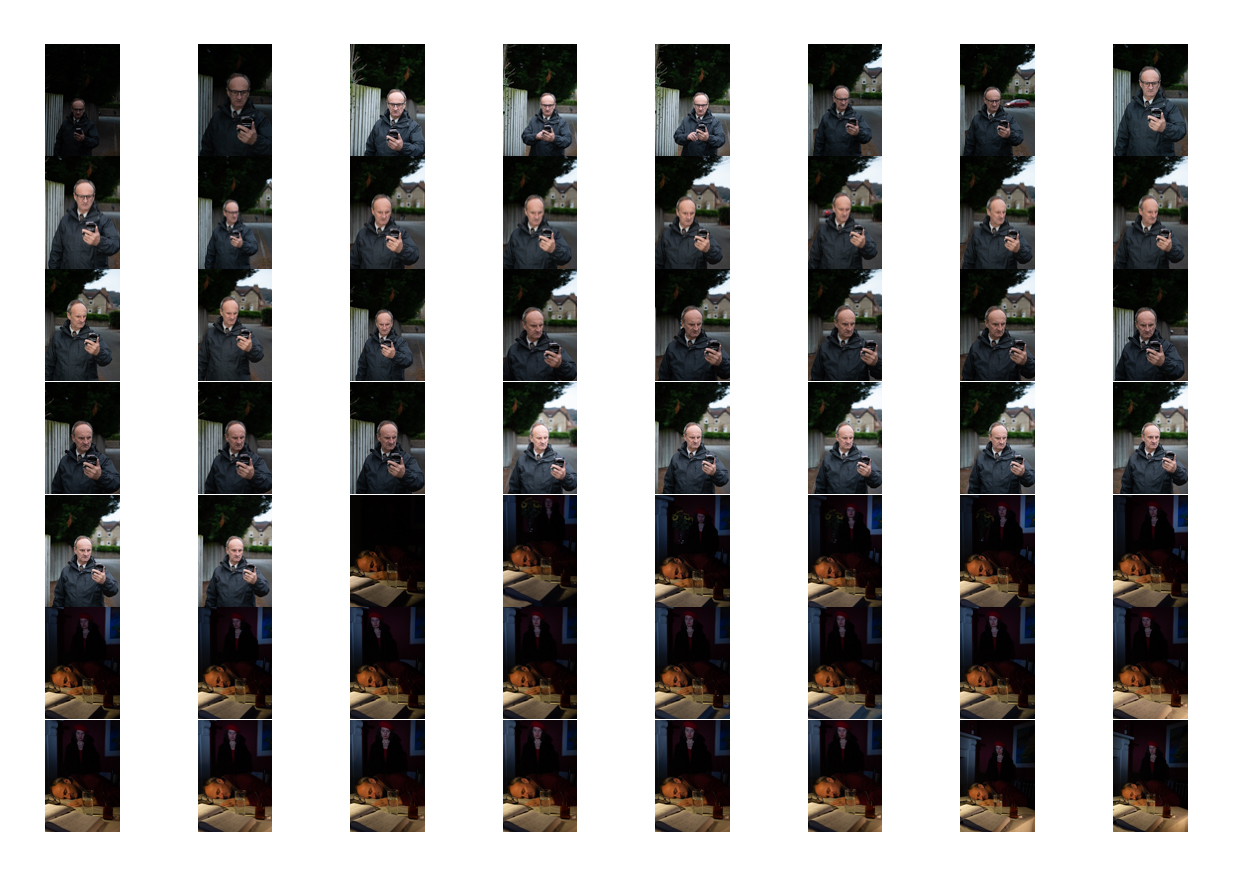
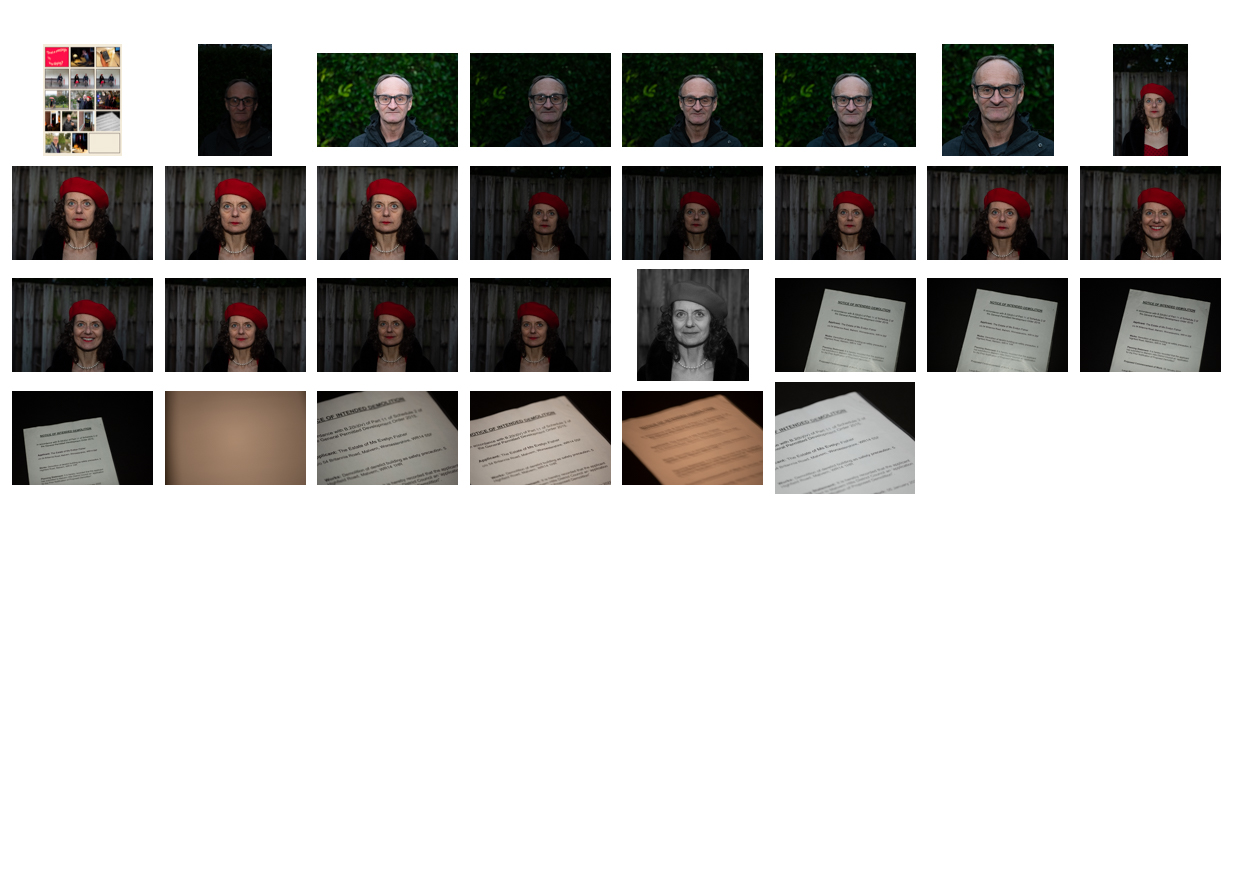
Contact Sheets

References
[1] Fletcher R, 2021, “5) Research Task: Personal Reflection”, OCA Blog Post, https://richardfletcherphotography.photo.blog/2021/11/16/5-research-task-personal-reflection/
[2] Halpenny B, 2009, “The ‘Metheringham Lass’ Haunting”, News Article, BBC Lincolnshire Online, http://news.bbc.co.uk/local/lincolnshire/hi/people_and_places/history/newsid_8332000/8332848.stm
[3] Colvin M, 2015, “Assignment 2 – Rubber Flapper”, OCA Blog Post, http://apartialmoment.blogspot.com/2015/01/assignment-2-rubber-flapper.html
[4] Fletcher R, 2020, “Assignment 4: A Picture Tells a Thousand Words”, OCA Blog Post, https://richardfletcherphotography.photo.blog/2020/11/13/assignment-4-a-picture-tells-a-thousand-words/
[5] Fletcher R, 2020, “Research Task: Insomnia”, OCA Blog Post, https://richardfletcherphotography.photo.blog/2020/11/13/research-task-insomnia/
[6] Hollywood Pictures et al, 1999, “The Sixth Sense”, Film by M Night Shyamalan, detailed by IMDB,https://www.imdb.com/title/tt0167404/?ref_=ttco_co_tt
[7] Fletcher R, 2020, “Research Task: Rhetoric of the Image”, OCA Blog Post, https://richardfletcherphotography.photo.blog/2021/11/05/research-task-rhetoric-of-the-image/
 Richard Fletcher OCA Photography Blog
Pingback: Post Assignment Five Feedback | Richard Fletcher OCA Photography Blog
Pingback: Reflecting on Identity and Place | Richard Fletcher OCA Photography Blog