The Brief
Choose a day that you can spend out and about looking with no particular agenda. Be conscious of how images and texts are presented to you in the real world – on billboards, in magazines and newspapers, and online, for example. Make notes in your learning log on some specific examples and reflect upon what impact the text has on how you read the overall message.
Consider the following:
- Does the text close the image down (i.e. inform or direct your reading) or open it up (i.e. allow for your personal interpretation to play a part in creating the final meaning)?
- What do you think was the intention of the creator in each instance?
Response
My days usually involve a walk from my house into the centre of Malvern, about a mile away. I generally use the opportunity to pick up any food that we need, shoot photographs for my current book project and spend time in the park looking at (and photographing) the wildlife. When I completed Project 1[1], I had feedback from a painter friend of mine that he routinely used the caption and title devices described in his work, but until then hadn’t considered how their combination might affect the narratives and impact of his paintings. I had the same experience when I went on my recent walk and paid specific attention to imagery and its presentation. I’ve chosen a couple of examples of images that I hadn’t notice before this work.
Coffee Advertising
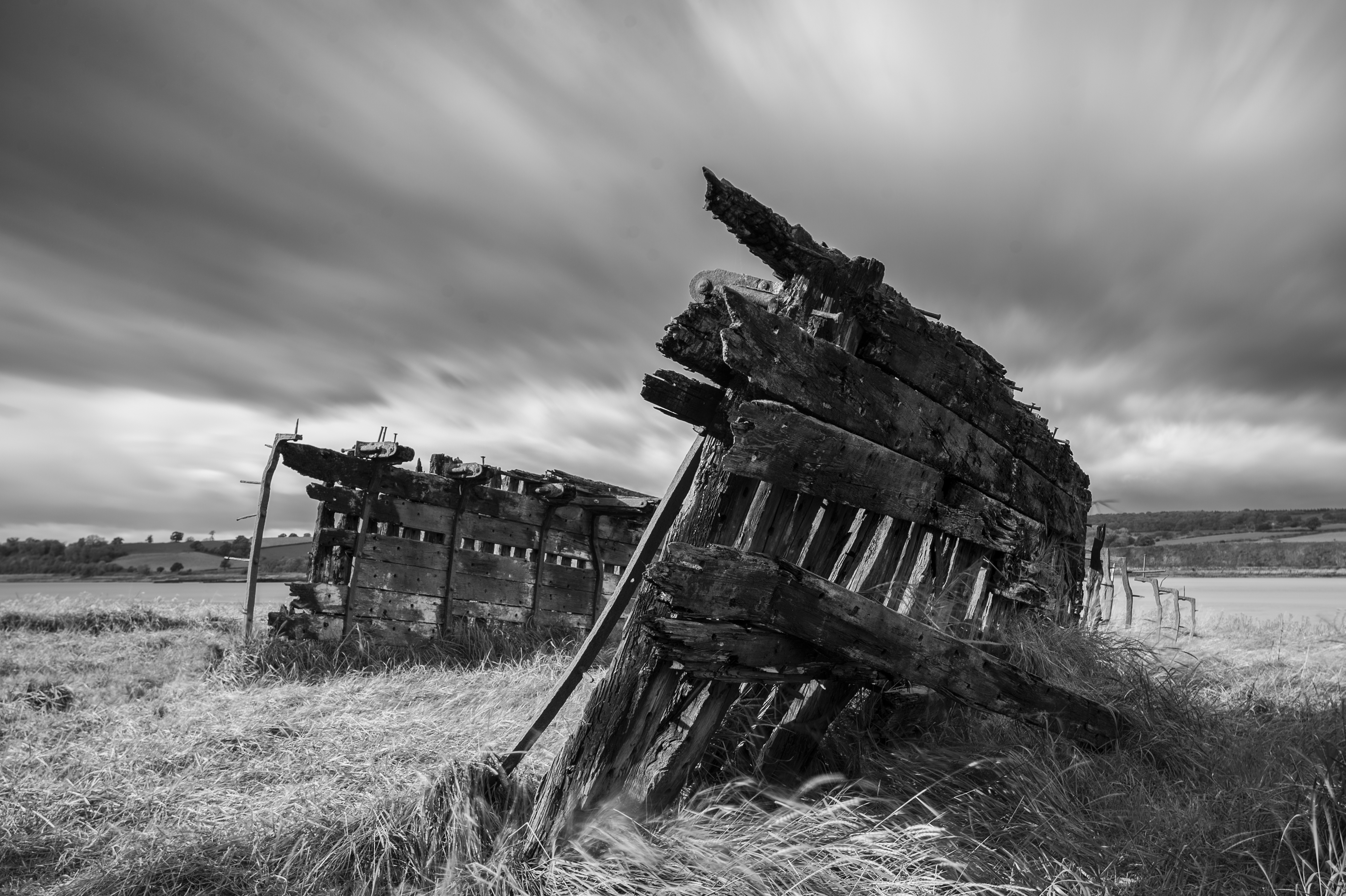
On my regular coffee stop, I noticed a poster advertising a special blend that was being offered for a limited time in the cafe. The poster features a plan view of an espresso coffee with two captions. One reads “Coffee of the Season” and the other “Limited Edition Guatemalan Blend”. As with Kruger’s work, the first thing I noticed was the former as it was in a larger font and on an blank background so that it stood out. This idea of a coffee of the season is orientational, that is it sets the scene of the poster without being too specific. There is no mention of the season, but we assume it’s the current one. The imagery itself shows an intense coffee, set against some representations of biscuits that are all autumnal colours. The secondary text informs us that the coffee isn’t around for ever in a directional style. The overall effect is to intrigue the viewer with something they may not have tried before, ideal for autumn (although at the time of writing it’s 25 degrees C), and only around for a short time. The success of the advert hinges on grabbing our attention, offering a recognisable object in the form of dark coffee and then setting using our ideas of what autumn in the UK is like to seal the deal. The two captions do most of the work with the image being the proof of the message. What I mean by this is that the text could say things like “you want this to keep you warm, don’t you?” without the picture, but when we see it we create our own mental picture of the coffee doing its job. With advertising, the captions are always part of the image as it would make no sense to present the viewer with the title of the work. When we show someone our photographs, we mostly don’t include captions that are part of the picture, instead using a title as they do in media stories. I learned in Assignment 5 of C&N[2] that a simple title for a photograph can support a narrative without being directional. I called the photograph ‘Sanctum’, which invokes thoughts of peace, isolation and calm reflection. When I showed the photograph to people, they all saw variations on those themes. I now see the title as being orientational in that it supports what we can immediately see in the frame. Perhaps I will consider the use of complementary titles in my next assignment.
Estate Agents
Another image I had not noticed before was in the window of a local estate agents. The picture was almost entirely dominated by a caption over the front of it that read “Make your move this summer!”. The image behind the caption shows a row of brand new houses that all look the same, set against a bright, sunny background. Another example of an orientational caption, what interested me was the way that the image was almost lost behind it. The image itself connotes summer, the idea of brand new etc, so I wondered why it wasn’t the main point to the poster. It then occurred to me that the narrative has to be finely balanced because many people don’t like modern houses (myself included). The main idea behind the picture is to encourage people to make the change with the agent during the summer period. The element of newness in the image of the house needed to be there, but if it was too strong it might lead the viewer to think that a new house was all they were offering. This is an advertisement that doesn’t show the actual item for sale, but signifies the type of product they sell. In itself this isn’t uncommon, but for an estate agent the selection of an image that covers the breadth of properties on offer is a challenge. I think the intention was to hint at but not distract from the key messages; summer is a fine season and an even better one in which to move house. This example of text dominating the image is again similar to Kruger’s work in that it grabs attention first and then lets you explore the rest of the frame afterwards.
Conclusion
There is perhaps an unexplained conclusion that I reach at the end of this exercise and that is about how much imagery we are surrounded by when we walk down the street. Advertising is relentless, even down to the playbills that are stuck to objects such as lamp posts and electrical boxes in the street. The approaches to using captions is consistent, but when we look closely we can see the subtle decision-making that goes into the layout. Some adverts are directional, like the “30% off these beans” type that we see in a supermarket window. Others suggest what the product might be in the context of the business and others offer a life-enrichment that we might not immediately recognise, such as the autumnal coffee special. Most advertising plays on the lack of time that we have to fully digest the message, so the text is often more important than the imagery that accompanies it. Like Magritte’s assertion that we create mental images of how we see real things in the world, we take the images at face value. A house is a house, but a new house is an updated reference. If we have an aversion to new houses, our logic might stop us looking at the poster. Making the season one that we recognise (certainly in the UK) as one where we feel good, helps us make more positive associations.
Overall, like the friend I mentioned at the beginning, I am now looking at image and text differently. Perhaps in the spirit of post-structuralism I will break some of those associations in future.
References
[1] Fletcher R, 2021, “4) Project 1 – Captions and Titles”, OCA Blog Post, https://richardfletcherphotography.photo.blog/2021/09/18/4-project-1-captions-and-titles/
[2] Fletcher R, 2020, “Assignment 5: Making it Up”, OCA Blog Post, https://richardfletcherphotography.photo.blog/2020/12/24/assignment-5-making-it-up/
 Richard Fletcher OCA Photography Blog