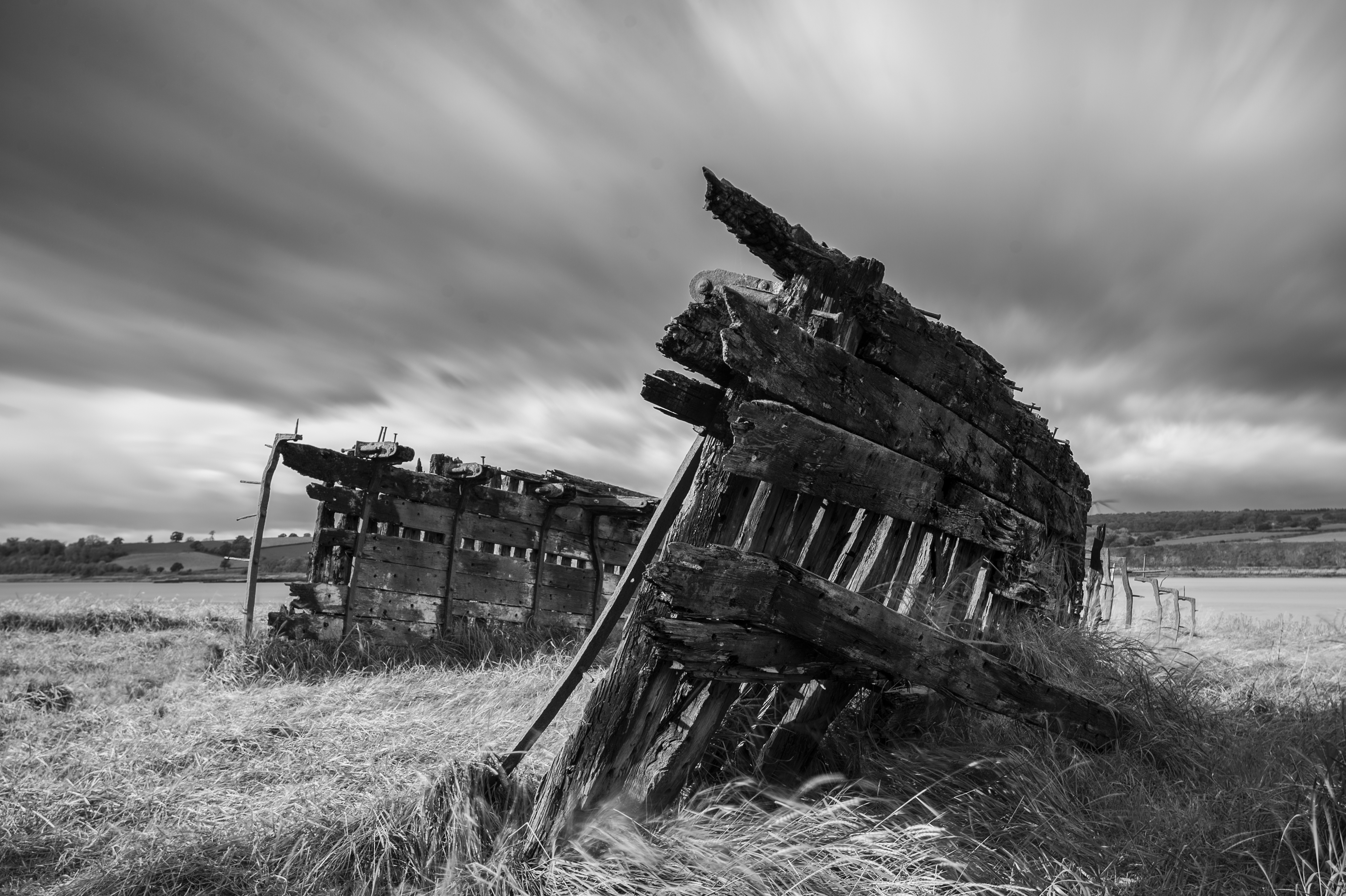
Make a list of some aspects of your personality that make you unique.
- Start taking a few pictures that could begin to express this.
- How could you develop this into a body of work?
My Characterstics
- Loving – I care a great deal about my family, friends and the natural world.
- Emotional – not someone who hides how they feel.
- Dry – I make my friends laugh with this kind of humour
- Disorganised – despite my working life, I’m not great at prioritising. I don’t make lists.
- Anxious – I worry about pretty much everything
The Pictures
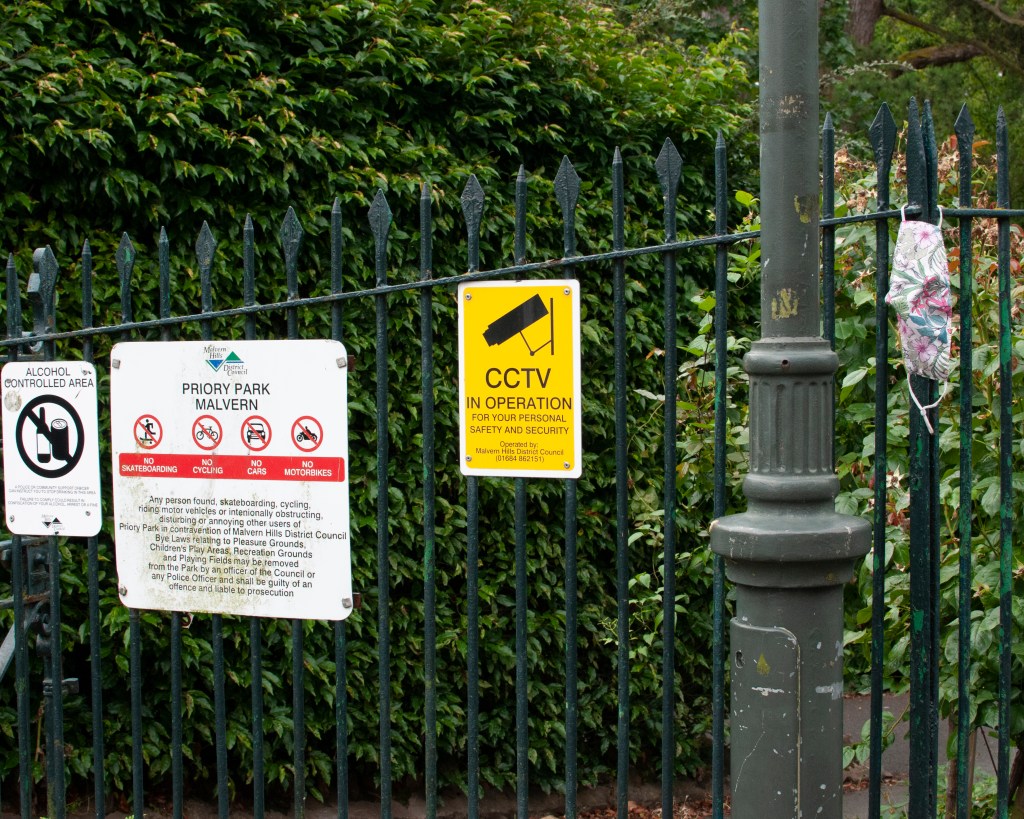
Humour 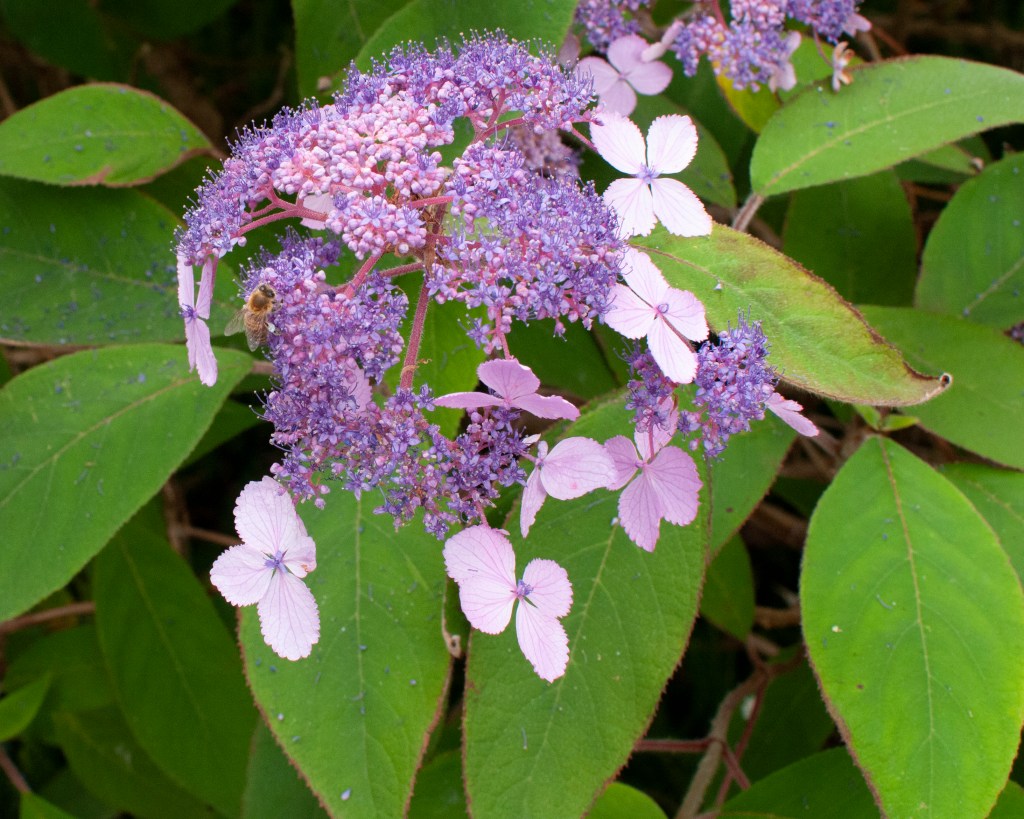
Loving 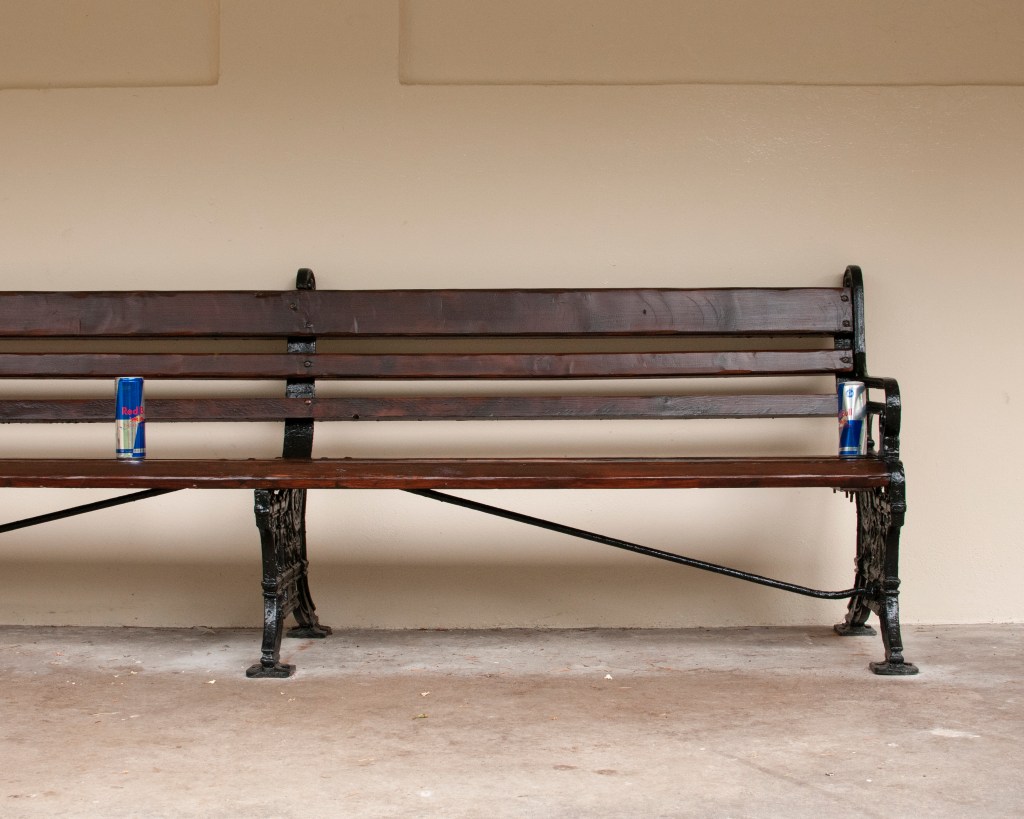
Anxious 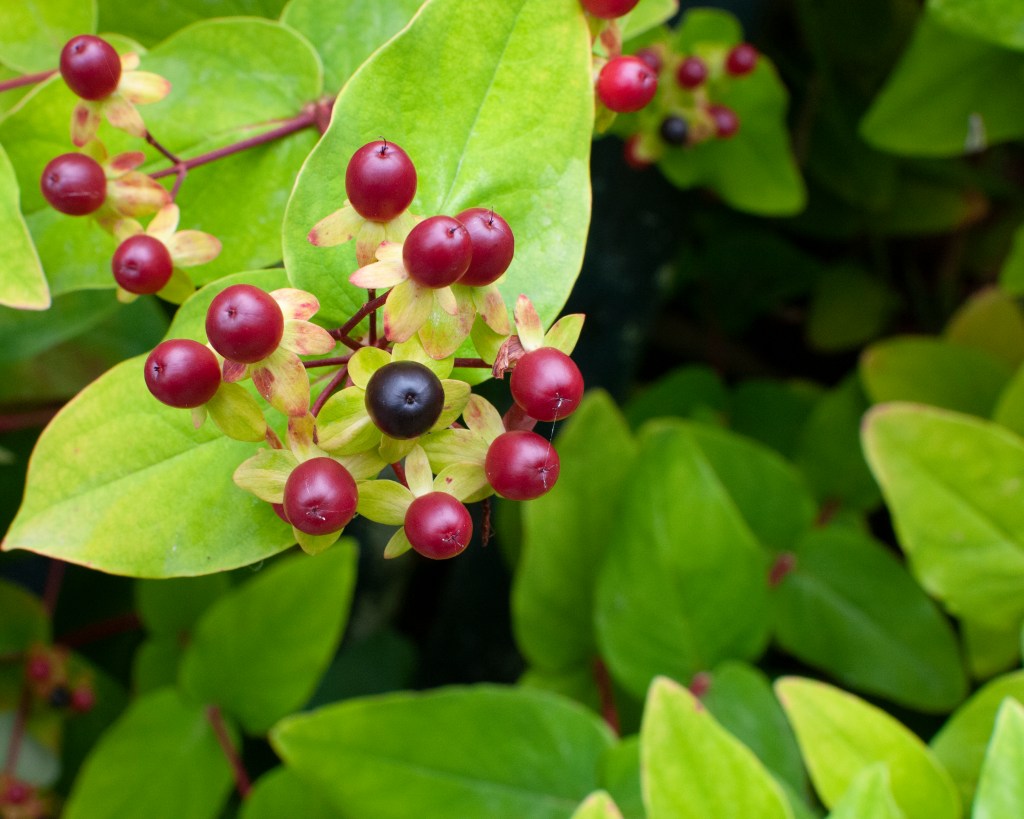
Emotional 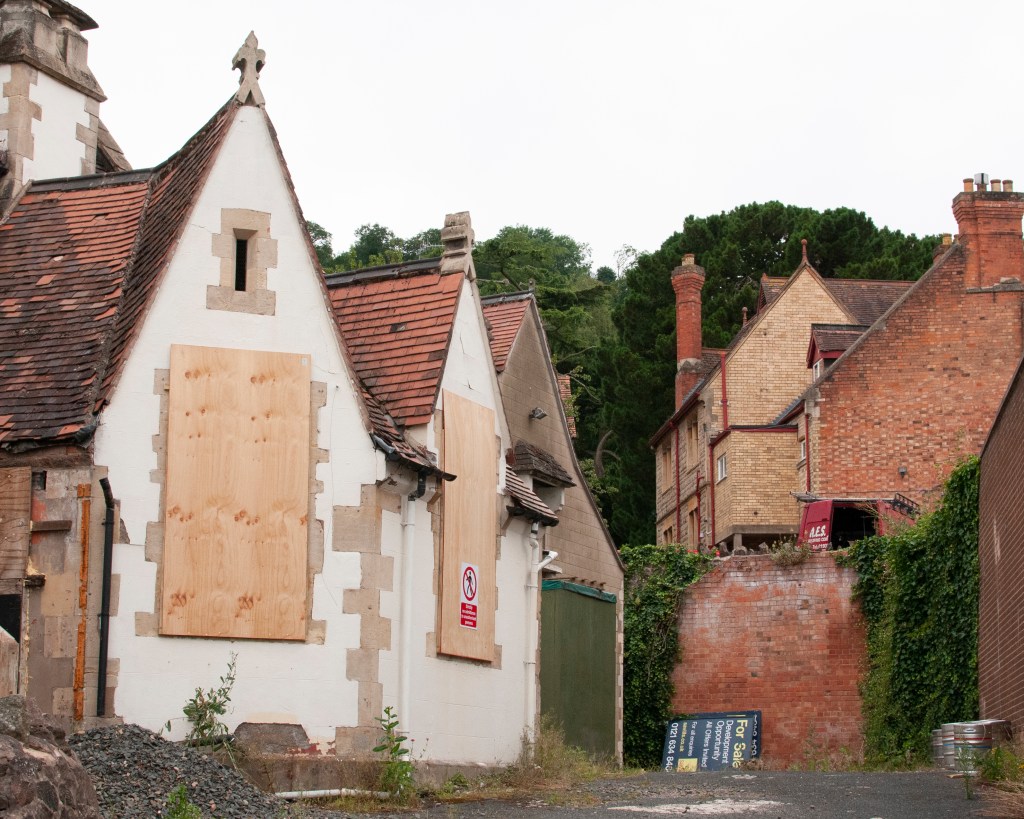
Sad 
Humour 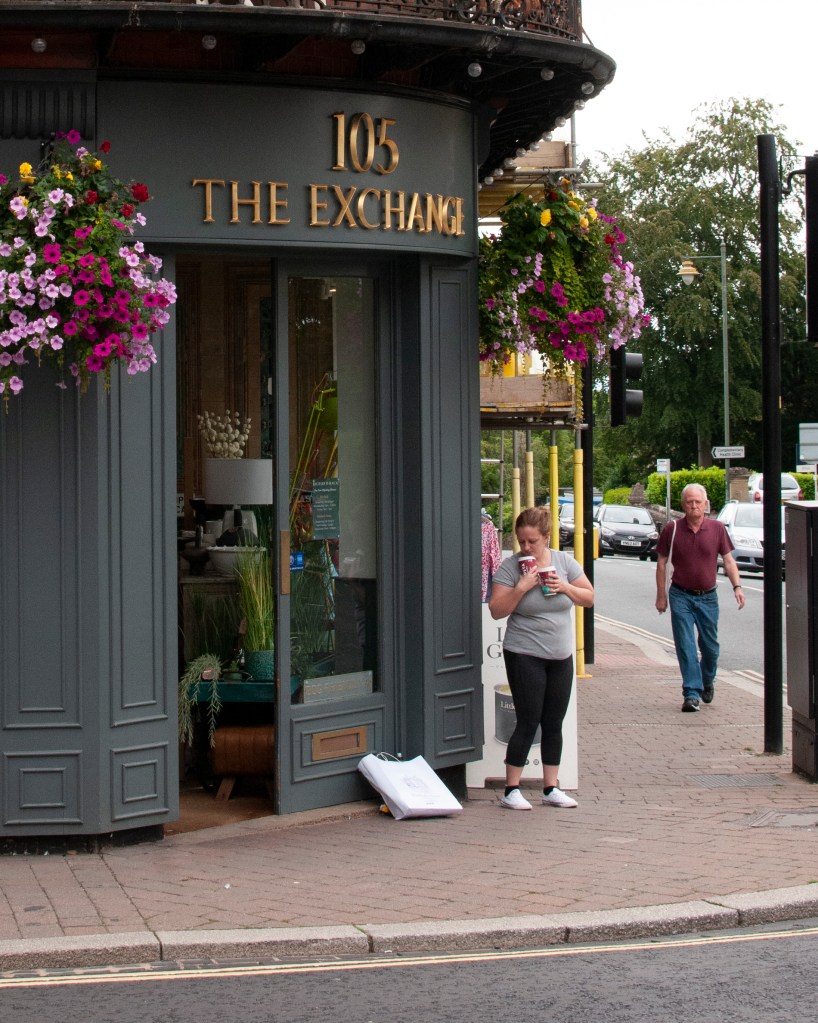
Disorganised 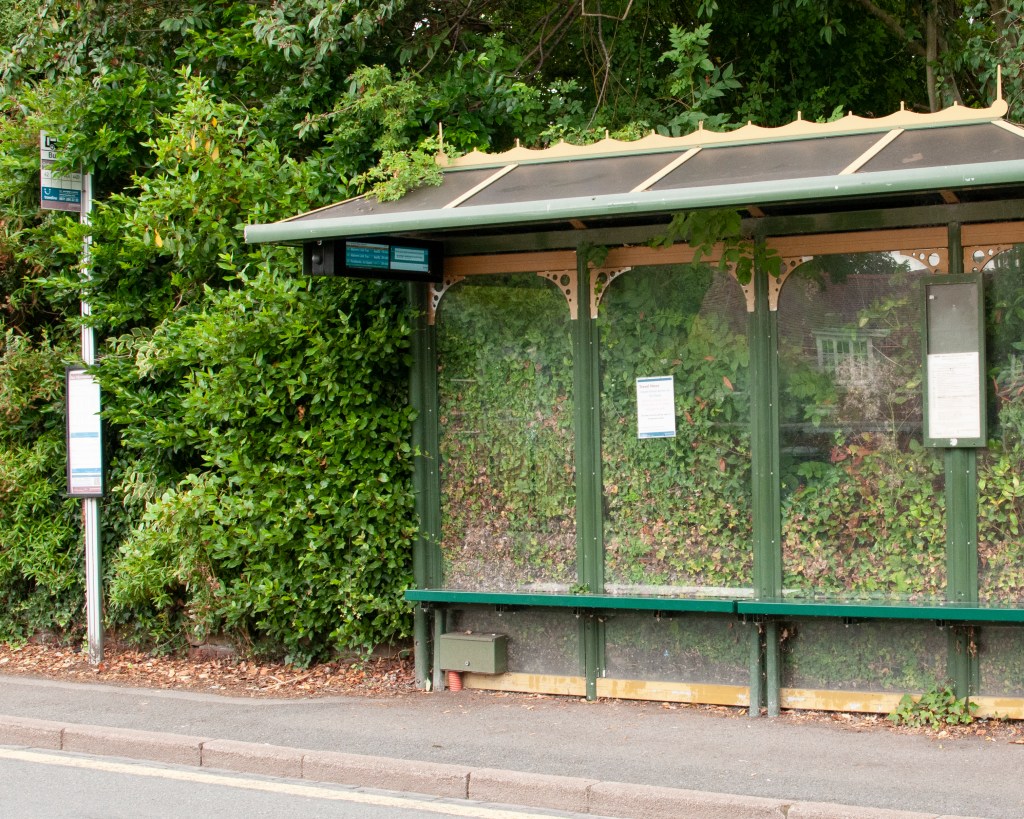
Anxious
Reflection
For these shots, I wanted to express my personality using metaphor rather than something physical that identified me. I wanted to represent my identity solely by shooting places. I didn’t have a plan for these as a series, instead looking for subjects that I felt represented some of my traits. Although not exhaustive, there were a few themes that presented themselves in these images. Humour and Anxiety feature more than the other traits. However, my sense of being outwardly emotional as well as loving/caring were conscious thoughts when I was looking for subjects. I think that most things fell into the categories of making me laugh (as with the picture of the Queen and the discarded mask amongst the prohibition signs) or making me think about how I feel most days, which is anxious or somehow affected by something emotionally. With Disorganised, I observed the woman struggling to balance her drinks and hang on to her shopping bag as humour before realising that it represented disorganisation. With Sad, I noticed for the first time that the building had been boarded up, which made me feel like there wasn’t a plan for it. The broken ‘For Sale’ sign further added to that feeling. The link to mirrors in all of the photographs is subtle and because I’m not in the shots, it’s very much my influence of the photographs that give meaning to them rather than being straight portraiture.
In terms of developing them as a series, I would consider choosing traits that I’m perhaps not so aware of. I’d ask my friends and family to help define them and try to limit the series to those rather than using my self-image. I’d choose this approach because I have a tendency to focus more on the things that I experience the most rather than being balanced in my thinking. I could make a series that represents my sense of humour through irony (instructions, human behaviours etc) – Ive always had a resentment for petty authority attitudes, e.g. over-zealous security guards. There could be an interesting series exploring my relationship with authority and how it changes when it becomes more serious. Despite my issues with petty authority, I have a great deal of respect for the law and the police. The series could ask the question about where I feel one ends and the other begins. For the series, I would definitely want to include other people as actors rather than the in absentia style as with Nigel Shafran’s work [1]. For me, the mirror still needs to be connected to the photographer in a way that can be read by the viewer. For example, although Mary Kelly’s work is not photographic in nature, she created work from her own personal notes and artefacts which not only reveals the subject of the series, but also the woman who created it. In Eijkelboom’s early work, he both appeared in person or as a facsimile through his clothing or even a print of his portrait. I feel that this direct connection however subtle, strengthens the subject with what the photographer is trying to say about themselves or their perspective.
References
[1] Fletcher R, 2020, “Project 3: Self-absented Portraiture”, OCA Blog Post, https://richardfletcherphotography.photo.blog/2020/09/04/3-project-3-self-absented-portraiture/
 Richard Fletcher OCA Photography Blog