Consider the work of both Callahan and Germain, then select a subject for a series of five portraits, varying the locations and backgrounds. The one consistent picture element must be the subject you have chosen, who must appear in all five images. Think carefully about where you choose to photograph them, either using a pose that offers a returned gaze to the camera, or simply captures them going about their daily business. The objective once again is to visually link the images together in some way.
You may choose a family member as a subject, like Callahan, or agree to photograph a colleague or friend, or even a willing participant who is either known or previously unknown to you, like Germain’s story about Charles Snelling.
Present your five images as a series and write around 500 words reflecting on the decisions you made. Include both of these in your learning log or blog.
My Idea
I was looking at my social media feed recently in response to a comment that a friend made about how few pictures there are of me. As most of the pictures I have shared over the years are of my wife, family and friends, I had to agree. When I do appear, it’s usually when we are on holiday or at an event or dinner. I considered how these few photos are a document of key points of my life and when I revisited them, how I had changed since they were taken. During Project 2, I was drawn to how the people in Meadows’ Omnibus project changed but remained recognisable in the 25 years between the shoot and the retrospective [1]. My initial idea was to select pictures from my Facebook feed and shoot current portraits of me wearing the same (or similar) clothes. I have home cinema in my house, so I would use the projector to make the photographs my different backgrounds. I would then position myself in front of the projected image and make the new photograph. I wanted the look of the series to resemble the background overlays used in movie scenes before the advances in CGI (see below)
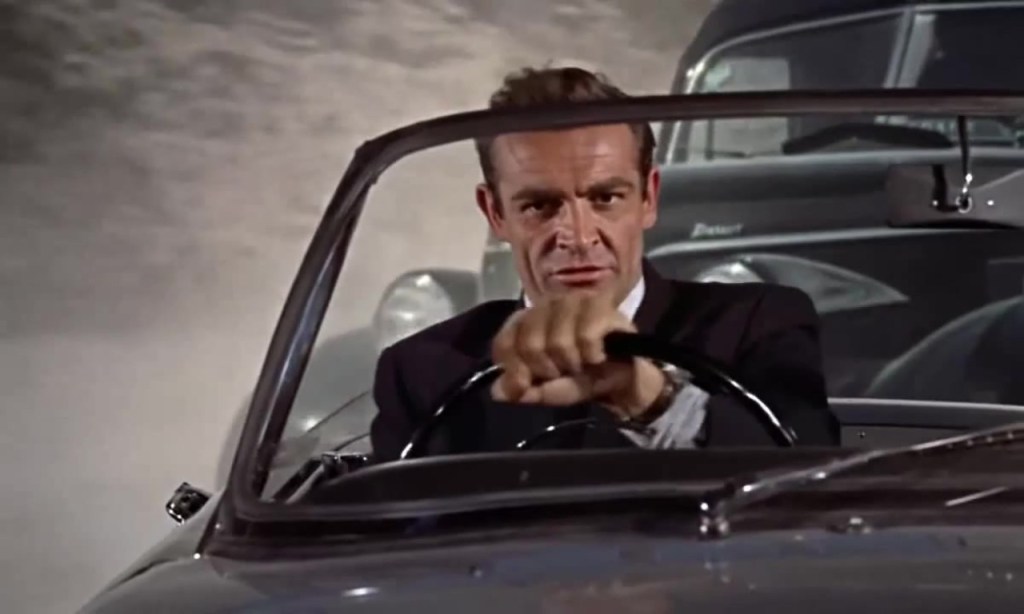
As we can see in the still from the film Dr No, Sean Connery is shown in a car chase with a clear difference between the actor and the background. In reality, the car was shot on a stage with a back projection of a chasing car behind it.
A Change of Direction
While my initial idea was sound, I was struggling with the execution of it. My problem was that the relationship between me and the background was merely a technical one. I had envisioned invoking some form of memory of the place I had previously visited , but after experimenting with contextual ideas e.g. wearing similar clothes as in the background picture, I realised that the connections were pretty weak. I was then presented with an opportunity while on holiday in one of my favourite parts of the Yorkshire Dales, which was coincidentally was where I shot the first assignment on this degree course, Square Mile. Where my initial idea of putting ‘current me’ into an old ‘background’ was about how I was connected to it but changed, the concept evolved into being about how an environment had changed subtly beyond my control or influence. I decided to make my presence a mere marker, similar to a map pin, on the landscapes that I shot two and half years ago. I decided to present the images as a series of diptychs.
The Photographs
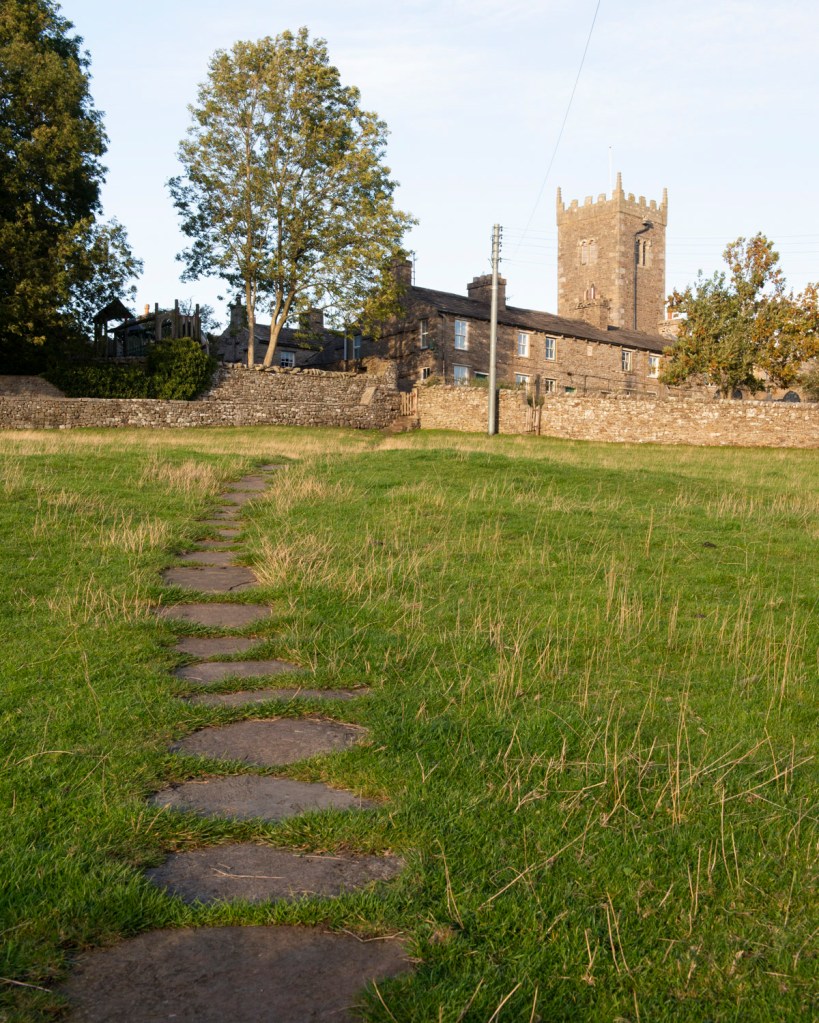
1 – To the Church 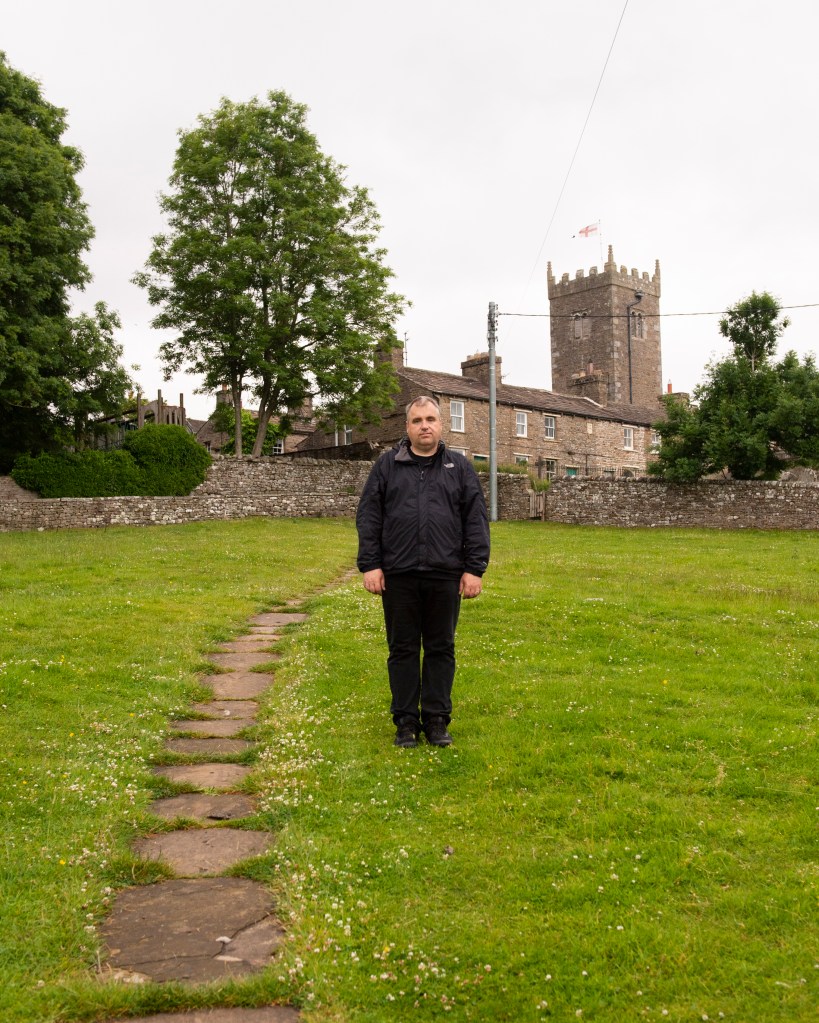
One

6 – The Bovine Line 
Two
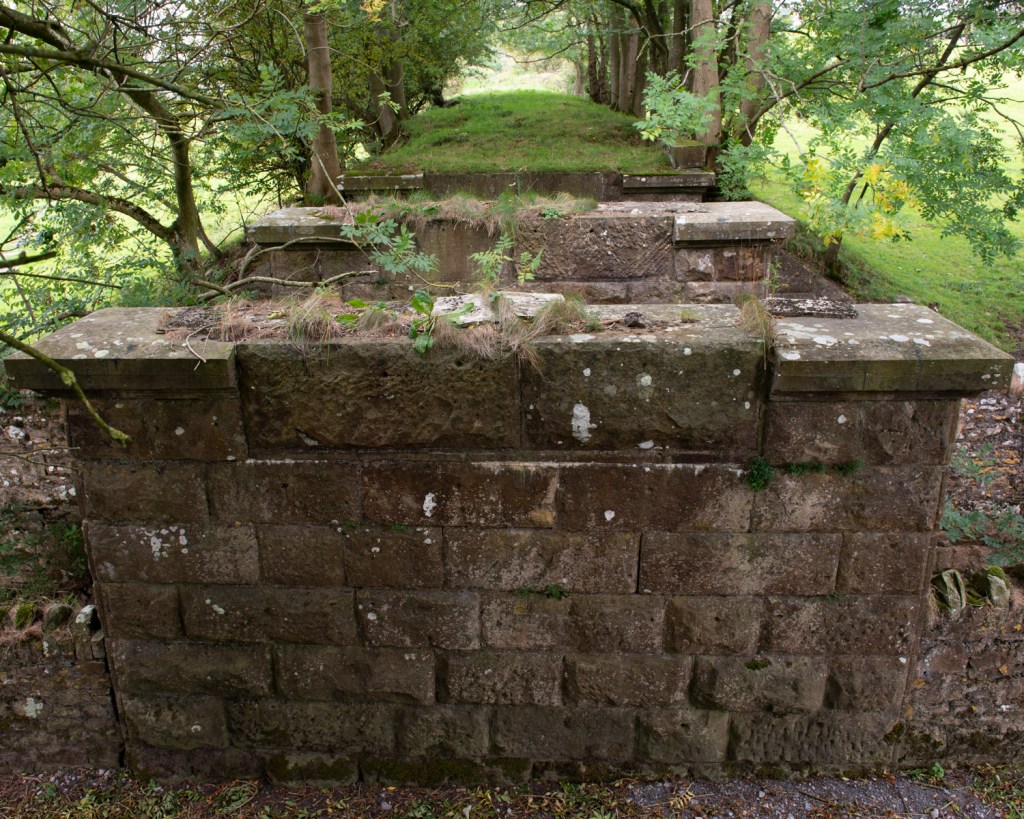
7 – Bridge Out 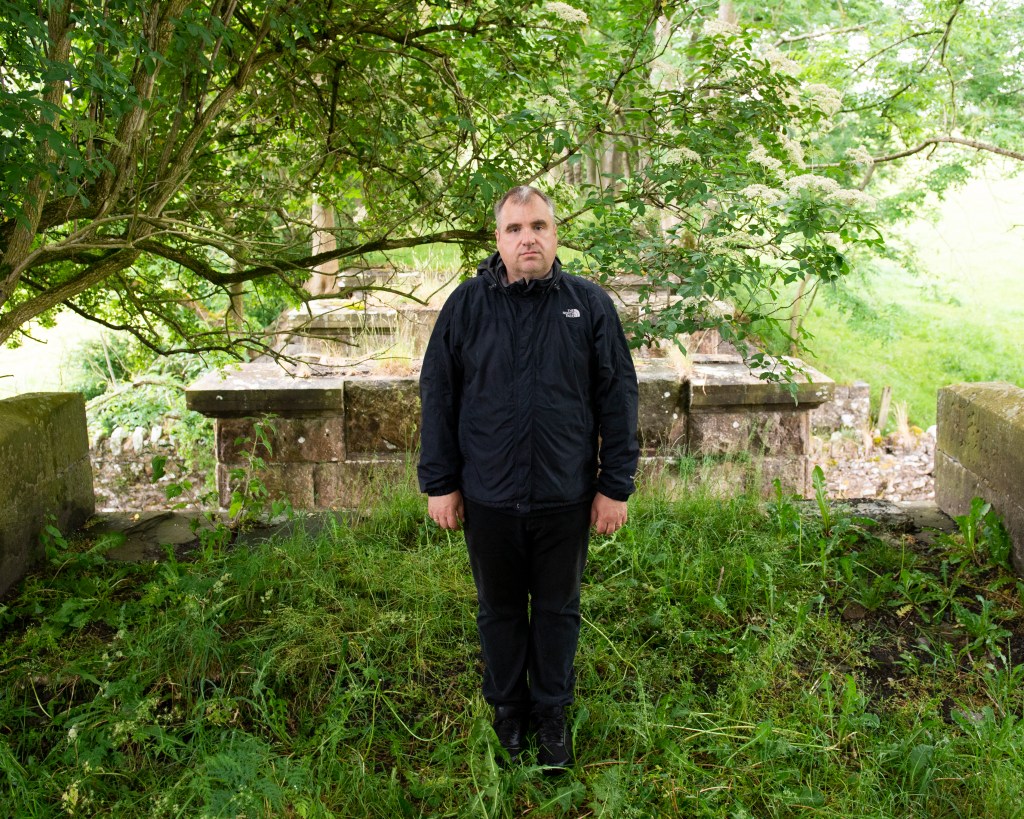
Three
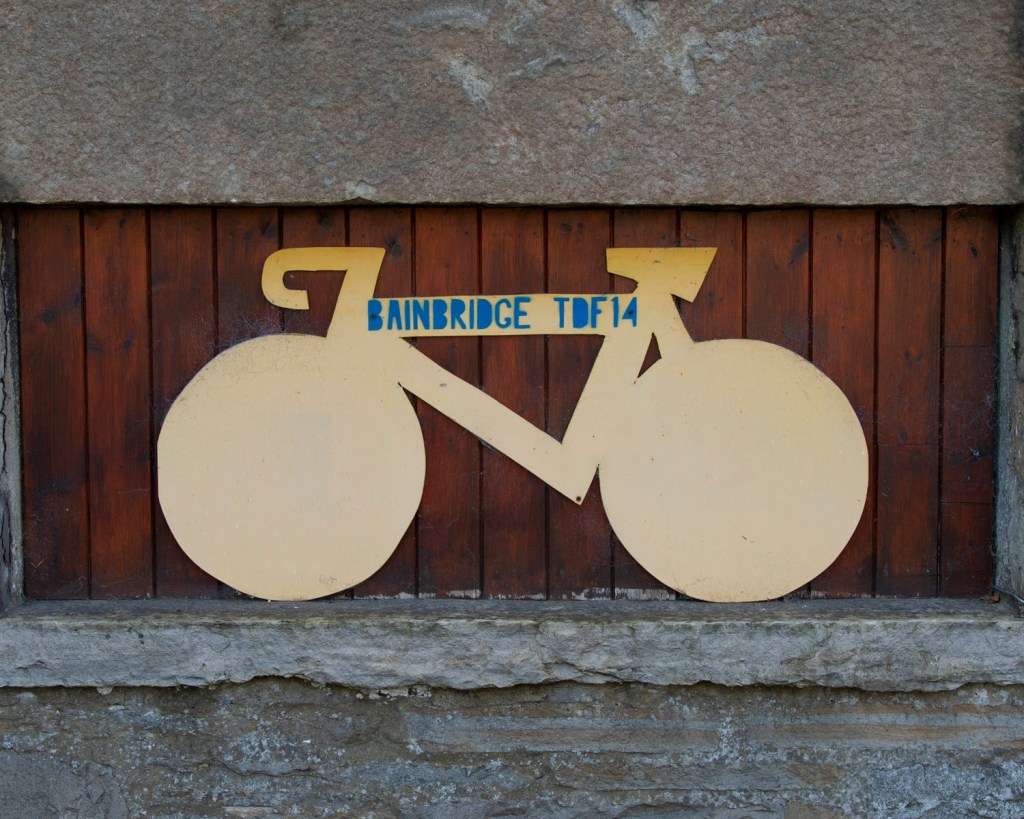
11 – Le Tour 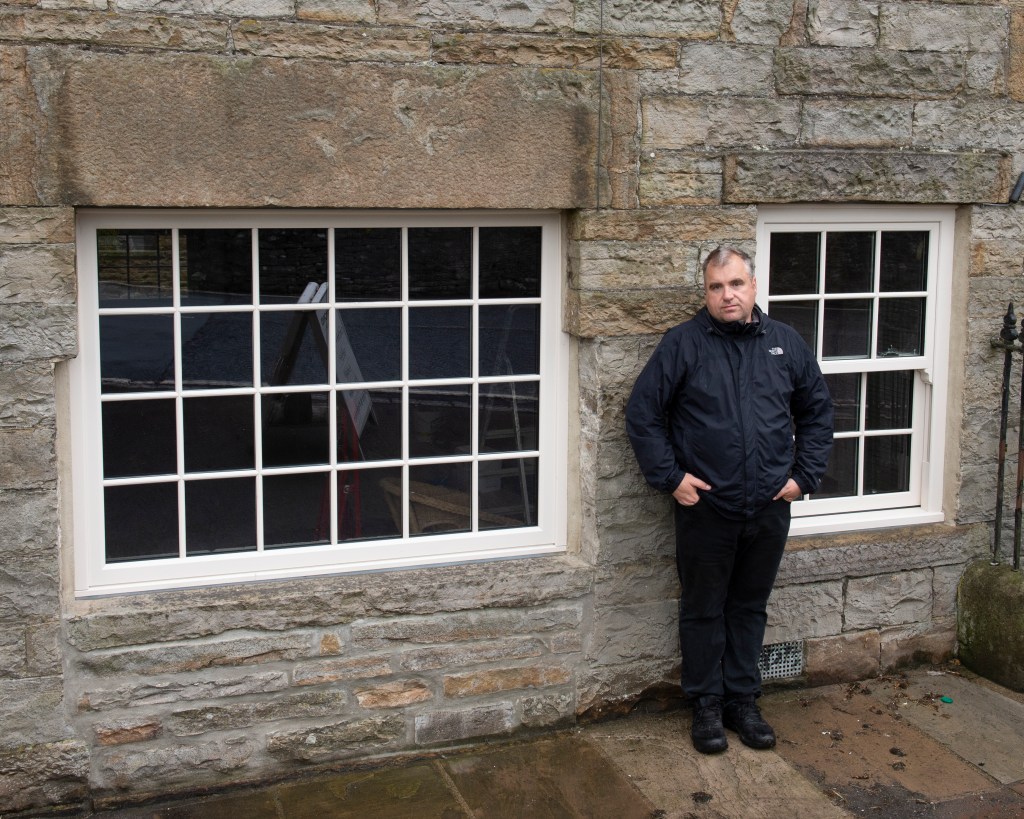
Four
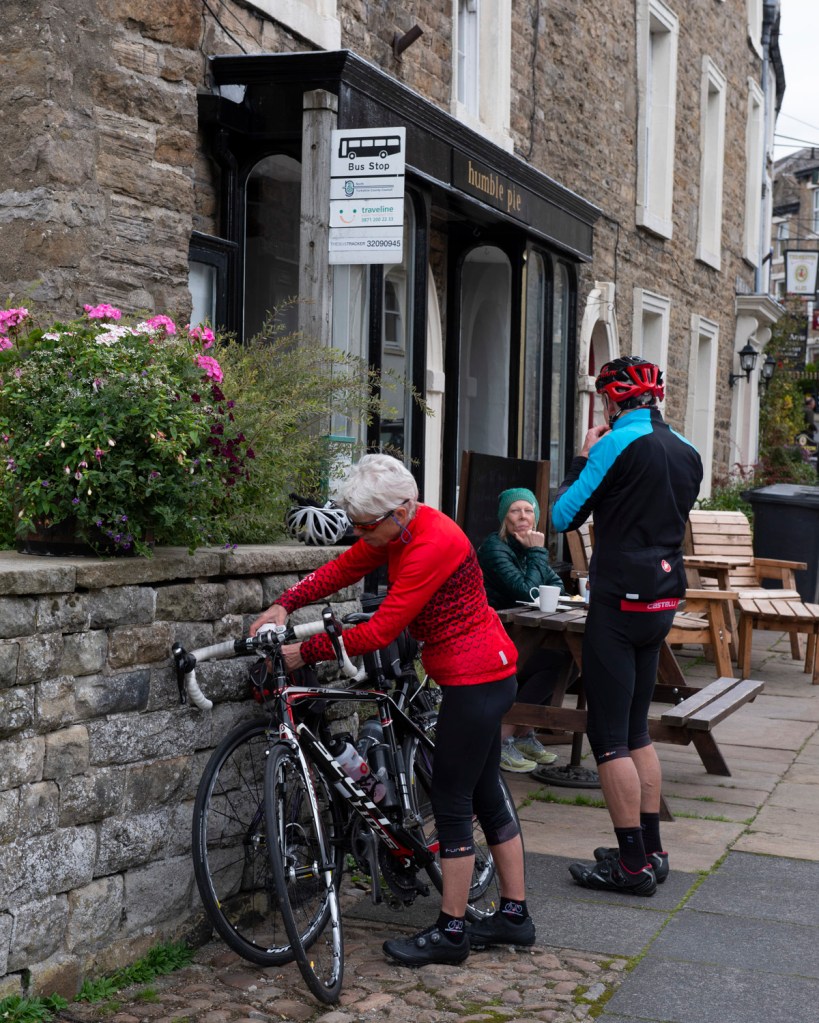
12 – Cafe Stop 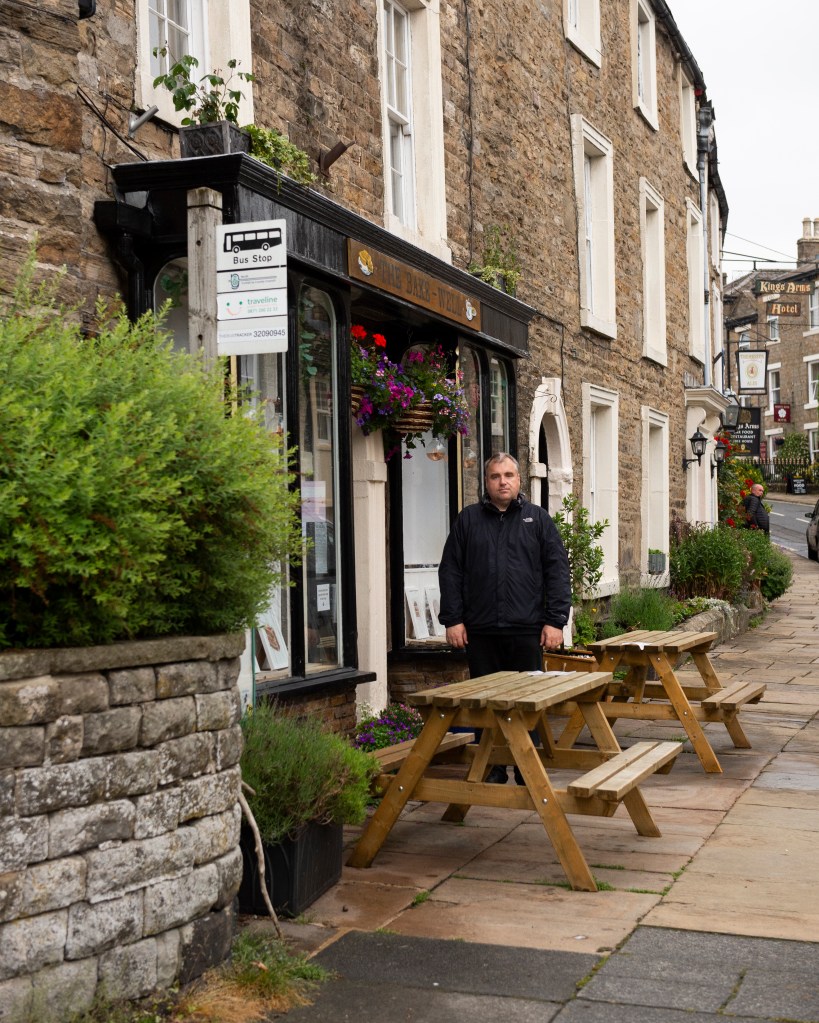
Five
Reflection (500 Words)
This series evolved from an idea where the primary focus was the subject, which was was always intended to be me. I wanted to show how I had changed from the person in the social media memory, but struggled to find a way that was neither really obvious (using props) or merely showed me as an older, fatter version of myself. When the opportunity to shoot in the location of my first assignment came up, I realised that the background could actually be the subject. When we consider the portraits that Callahan took of his wife and daughter in the vast spaces[1], it is the impact of scale that first strikes us and it is the background that we find ourselves looking at. With my series, we see a landscape that is immediately familiar, but when we look more closely the changed that have occurred over time become obvious. Some are significant as in the case of Four, where the original location for the bike model had been replaced with a window as the building underwent renovation. In fact, it was difficult to identify the original aperture and I would most likely have missed it if I didn’t know the area so well. In Five, the cafe had changed hands and been renamed, with the transient detail of the cyclists no longer in the frame. With One, Two and Three we have the most subtle of changes, ranging from the length of the grass (One) and the difference in seasons shown in the tree foliage (Assignment One was shot in September, not July).
The introduction of me as a marker in the scene really only anchors the series together as in each case I am pretty much expressionless. When I reflect on this, I realise that my expression does change naturally from frame to frame. I conclude that this is because we have no true ‘steady state’ expression. What we express depends on what we are doing or thinking about, which in my case was instructing my wife on the composition before shooting. My expressions and stiff stance in the photographs ask questions of why I’m in the scene and what am I thinking about? I asked the same questions of Callahan’s portraits of Eleanor and their daughter.
In conclusion, I think this series works. My seemingly impassive position within the frame looks like a map marker, but there is something slightly different in each expression. The changes in the background range from subtle to obvious, but the scene remains very familiar. The images also have a sense of the nostalgic about them in the sense that growing up, some holiday photographs took on an uncomfortable feeling to them with the photographer more interested in recording the scene than making a good portrait of their family member.
References
[1]Fletcher R, 2021, “Project 2: The Aware”, OCA Blog Post, https://richardfletcherphotography.photo.blog/2021/06/10/2-project-2-the-aware/
[2] King B, Unknown Date, “Roll Plate! Shaky Cars & the Rear Projection Effect”, FilmDaddy Website, https://www.filmdaddy.com/features/the-rear-projection-effect
 Richard Fletcher OCA Photography Blog