Monthly Archives: Jul 2021

3) Exercise 1: Mirrors and Windows

Go through your photographic archive and select around ten pictures. Separate

them into two piles: one entitled ‘mirrors’ and the other entitled ‘windows’.

  • What did you put in each pile and why?
  • Did you have any difficulties in categorising them?You may like to repeat the exercise with some different images and record your responses. It would be interesting to see you place the same image in both camps and review your reasons for doing so.

The Images (unsorted)

Mirrors

M1
M2
M3
M4

Windows

W1
W2
W3
W4
W5
W6

How I chose to categorise the photographs

M1: this was shot during the first lockdown. A local antiques shop dressed the bears to be humorous but also as a reminder of the new restrictions on social distancing. For me, this is a mirror because I was definitely feeling the anxiety of how COVID might develop. In shooting this picture, I was expressing my own fears and my sense of humour that was trying to combat them.

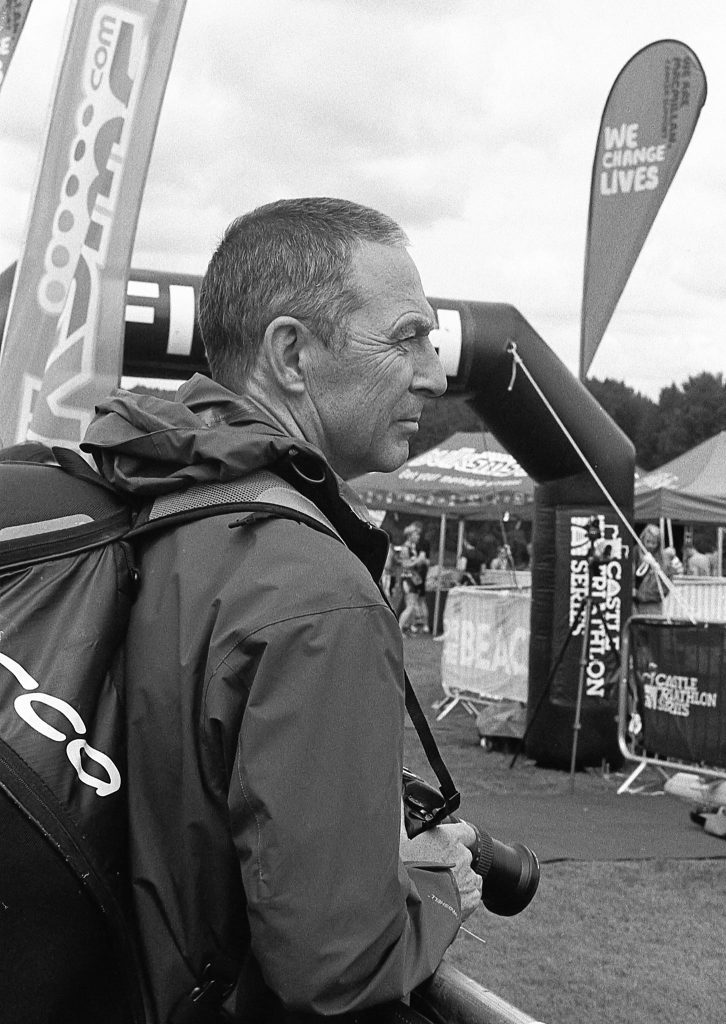
M2: this is a mirror because it shows it represents my own experiences as a sports supporter and photographer. The subject’s staring expression as he waits for his wife to come into frame is something that I am very familiar with.

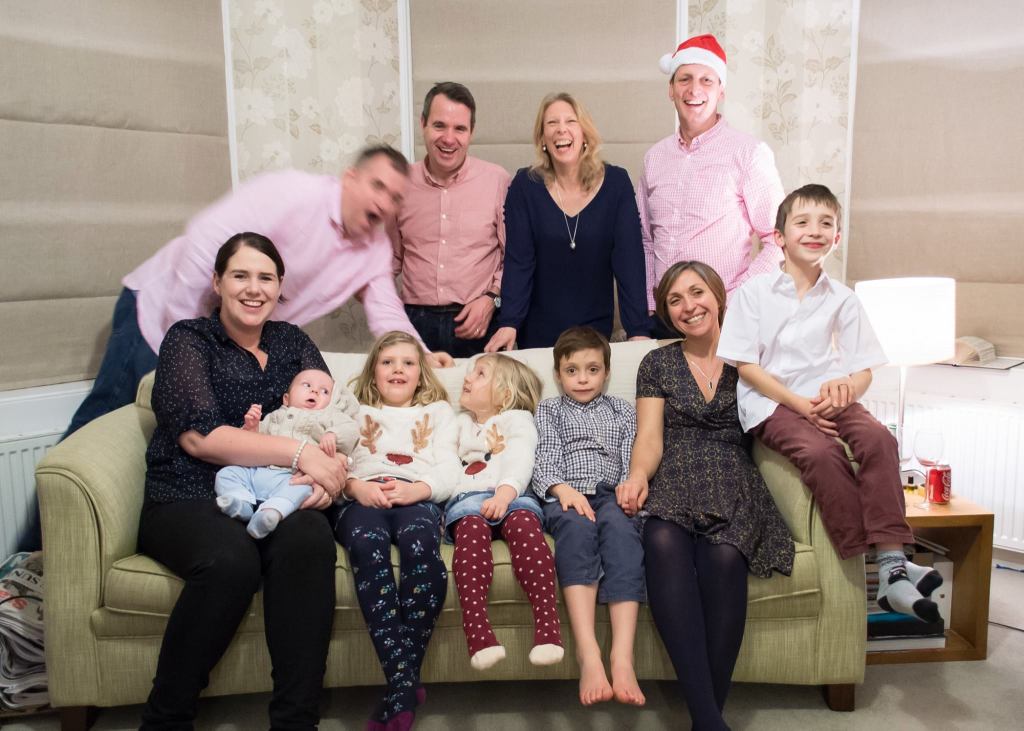
M3: this is a more obvious selection as a mirror because it is a family portrait that I am in. When I look at this picture, I naturally see my struggle to get in the frame (I got stuck between the radiator and sofa), but also the interplay between the members of my family. The image reflects my feelings of love and humour for my family

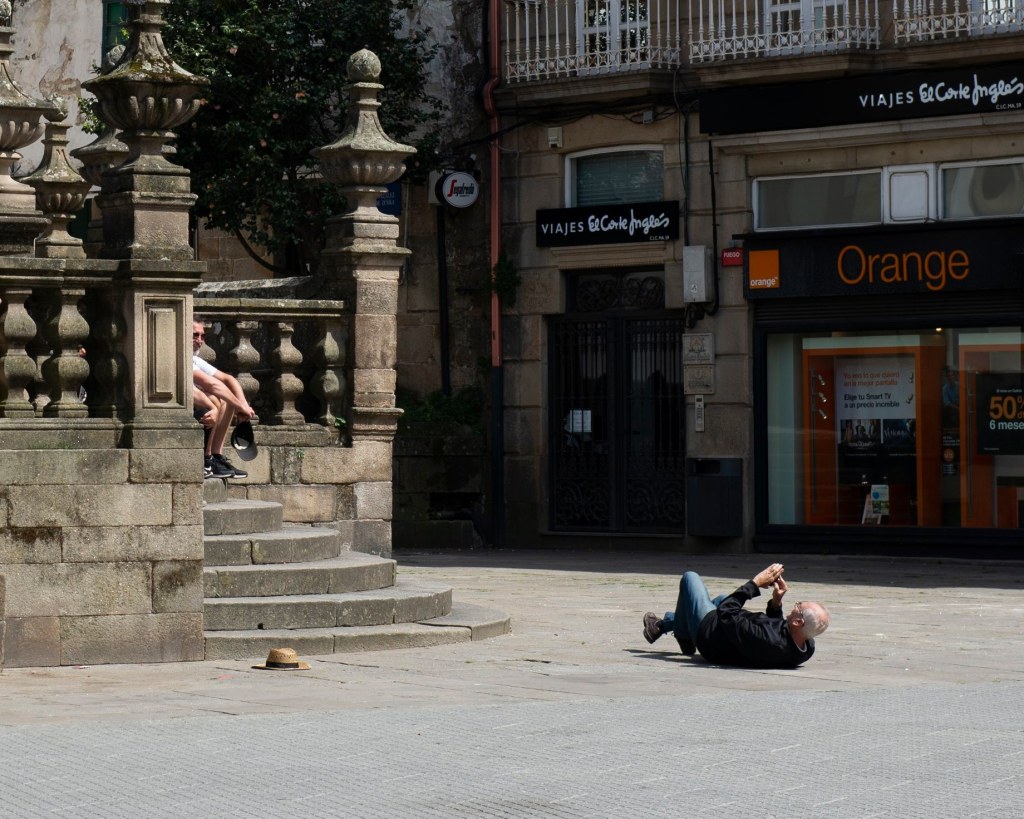
M4: this shot was selected as a mirror because if the way I was part of the scene as a tourist. Most people were taking conventional, even boring photographs of the cathedral, but this man decided to mix things up. I chose it as a mirror because I don’t have that natural sense of inhibition so it almost reflects how I would like to be in a photography situation.

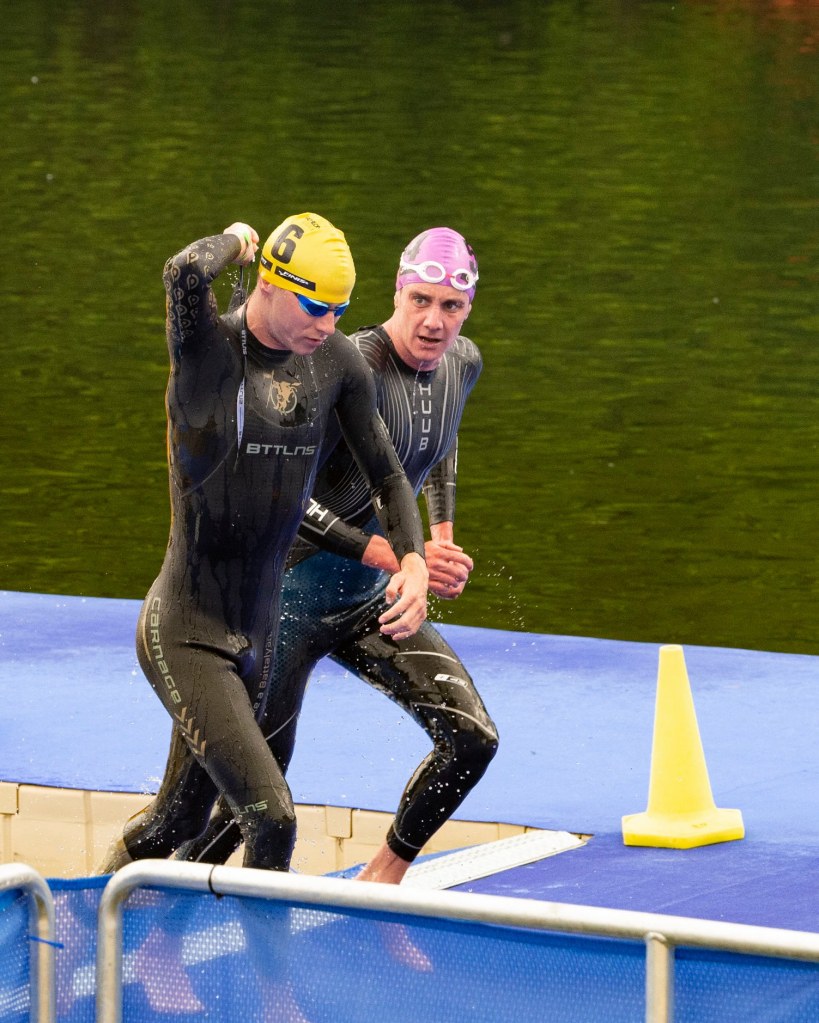
W1: I chose this shots as a window because it shows the Olympic triathlete Alistair Brownlee remonstrating with another competitor during a recent race. I had picked up on the story that Brownlee had clashed with someone in the water and the rumour was that the offence got him disqualified. This shot is a window into the immediate aftermath of that incident as both athletes left the lake and a documentary shot of the drama unfolding.

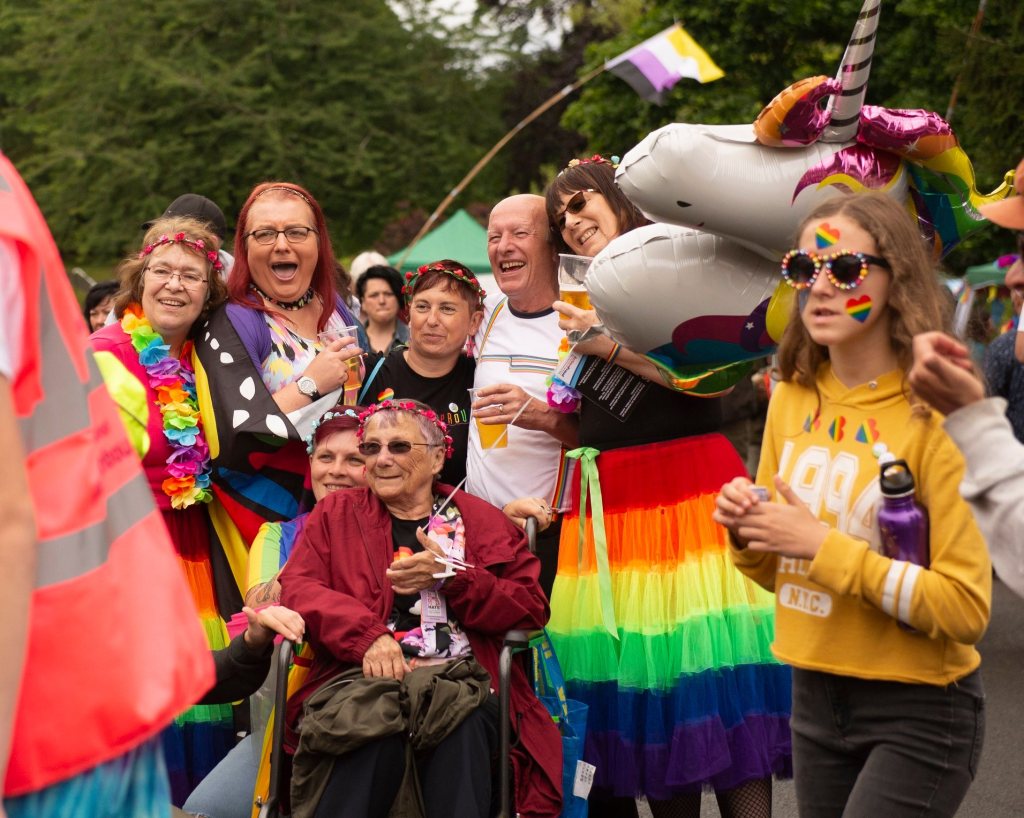
W2: I chose this shot from Malvern’s first Pride event in 2019. It’s a window because as a straight person, I cannot really relate to Pride in the same way even though I appreciate how important it is. With this sense of being an observer, I look at this picture and immediately get the sense of fun and joy of the day.

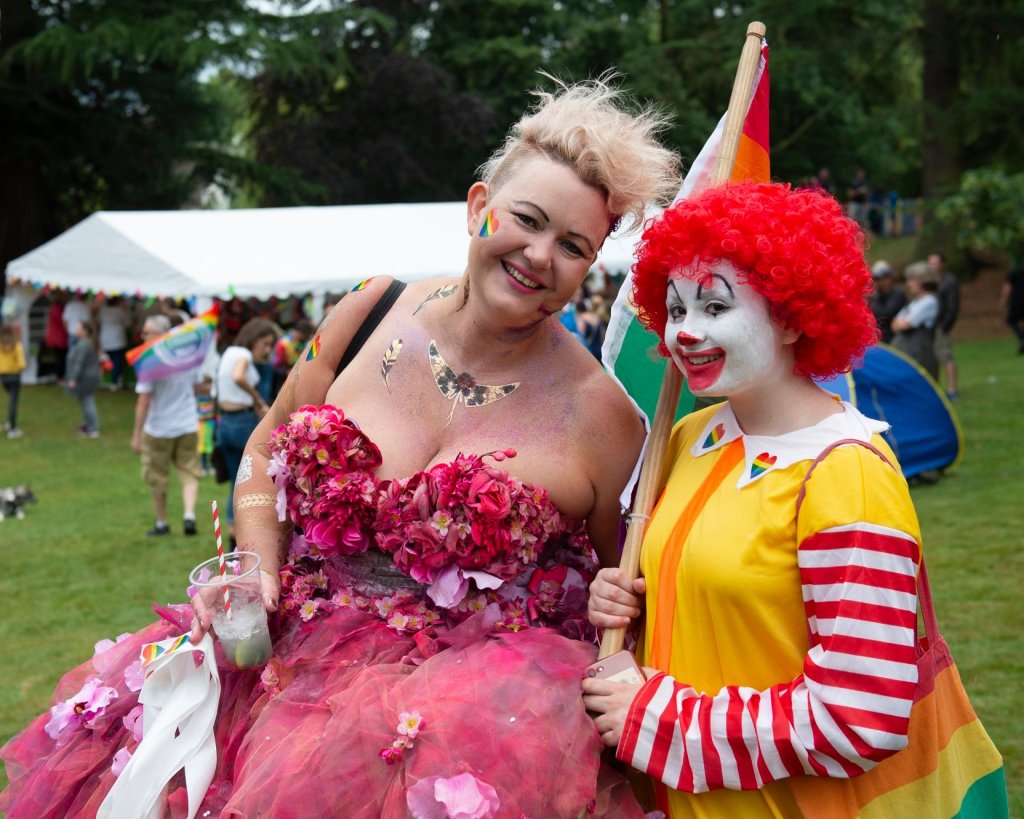
W3: this was shot at the same event. This wonderful couple were the most strikingly dressed at the event and I loved watching the way they engaged with the people around them. When they agreed to a picture, I recall being struck by their sense of joy and love for each other. Again, I related in the way that I did in W2.

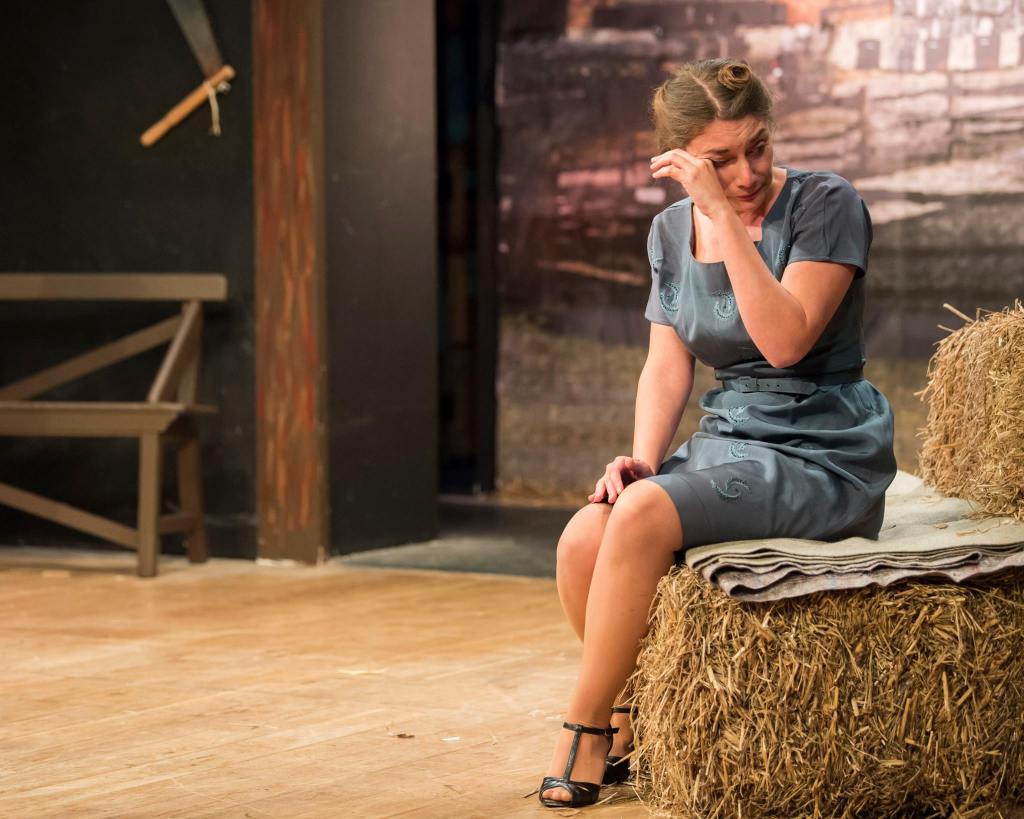
W4: This photograph was from a series taken at the dress rehearsal for a play. The shoot was formal and for use in publicising the production, so the contrast between this scene and my act of photographing made me think of it as a window.

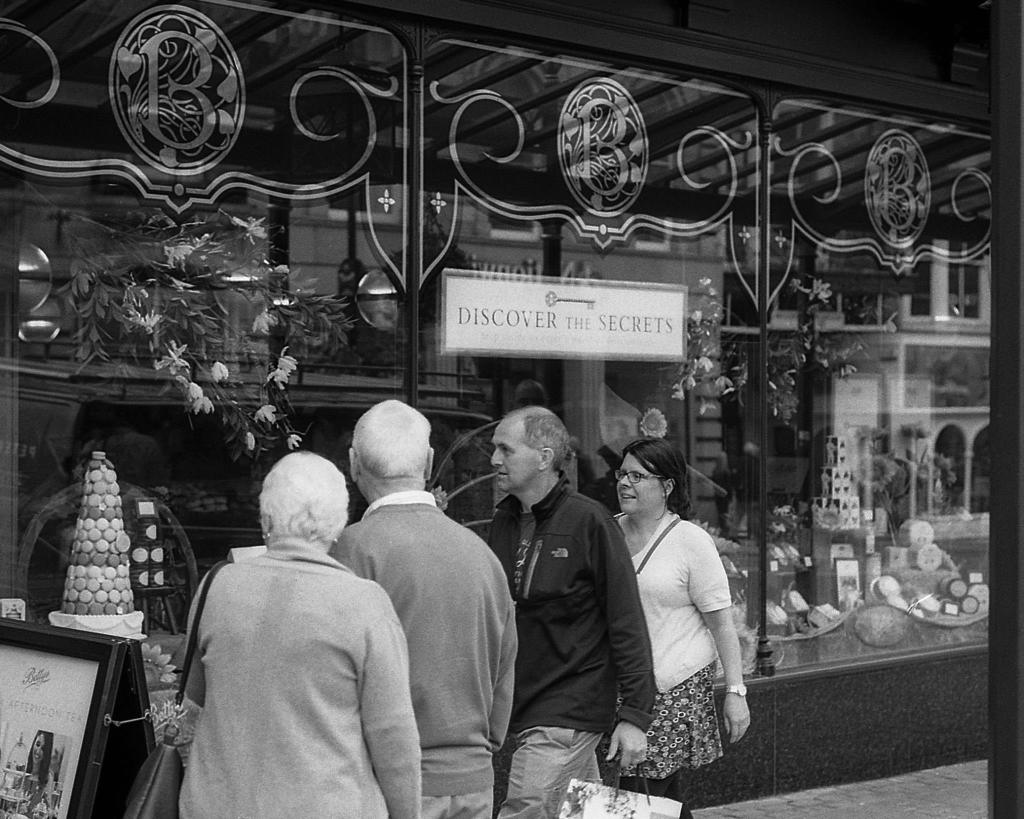
W5: this shot was an observed and shot in the ‘street style’. I was drawn to the people looking into the window of Betty’s Tearoom, Harrogate. as someone very familiar with the tearoom and the town, I was interested in how the window display lured people in. I saw this as a window because the composition includes context that shows the tearoom as a quaint piece of English history but nothing of how I see it as a Mecca for tourists.

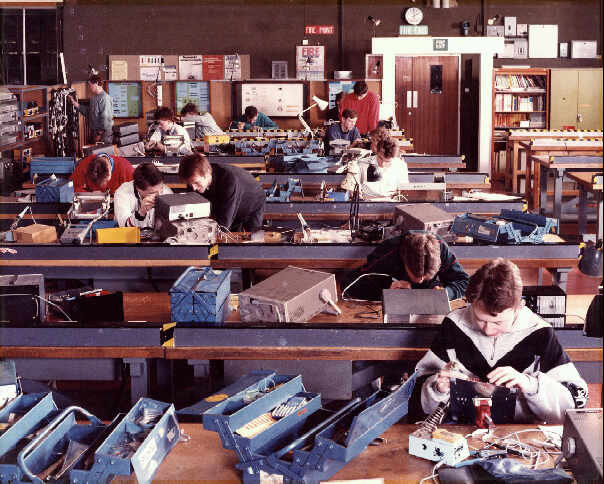
W6: this final image was shot taking in 1990 when I was an engineering apprentice. I am in the photograph but saw the shot as a window into our daily lives, which was certainly the intent of the photograph. It was used to document a specific part of the history of the site and since my rescuing it in 2000 before the building was demolished, it has been used by various historical bodies as part of local history exhibits.

Challenges in the selection

This was an interesting exercise as there are many interpretations of mirrors and windows. Some of these shots were easy to select, for example M3 being a representation, albeit accidental, of the closeness of my family and my place within it. However, the shots that caused me difficulties were M1, W3 and W4. When I saw the bears in the window, it prompted me to reflect on my own concerns about COVID, which is why I took the picture. However, I didn’t make any effort to represent my fears in the image, instead just capturing the contextual elements that stood out. The idea of social distancing was new but the inclusion of the gas masks, which connotes the invisible threat in historical terms, makes the image a powerful one. However, somebody else viewing the image wouldn’t necessarily recognise my intent for the picture. Similarly with W3, I was struck by the love and affection between the two women which I believe is represented in the image. My intention was to represent them in the context of our first Pride event, but someone with homophobic views might interpret the picture as a mirror for prejudice i.e. ‘look at how weird these people are’. There is nothing in the photograph that directly leads the viewer to my intent. With W4, the impact of the play’s theme and the intentional suspension of reality that is associated with fictional drama lead the viewer to relate to their own experiences. I ask myself why I shot this particular moment and the answer is most likely because like most people, I’ve experienced the pain of a failed romance (the context of the scene). Perhaps in shooting the isolated girl wiping tears from her face, I am relating to my own experiences and influencing the overall look of the picture.

I found this exercise interesting because I would question the assignment of ‘mirror’ or ‘window’ as a label for another artist’s work. As the course notes indicate, there is no clear assignment of these ‘categories’ and the blurring of the two is driven by the perception of artist’s intent by the viewer. As with W3, the way the photograph is interpreted depends not only on what I saw when I asked the women for the portrait, but also on whether the image is part of a series about Pride and the viewer’s preconceptions about the event and the gay community. I was trying to represent their personalities and love for each other, but this could just as well take a darker meaning related to prejudice and fear of being different. I intend to look more closely at Szarkowski’s theory in a learning log post.
Post Assignment 2 Feedback

Introduction

I have recently received tutor feedback on Assignment 2 which raised a number of points that I will address in this post. General feedback about the photographs was positive, but my tutor questioned how effective the joint themes were and whether I had played things too safe by not electing to publish the post (for reasons outlined in the assignment).

Feedback Points

The first point was about the themes. My blending of street photography composition with studio lighting was evident in the series and my tutor indicated that some images were stronger than others. He highlighted One and Four as the strongest, which aligned with my own views on the series. I liked the humour in both and I think they worked best from a lighting and composition perspective. My tutor took issue with the idea of challenging the viewer in terms of how the images were shot. He rightly pointed out that most people viewing them wouldn’t know or even care how they were taken. While I had fooled a few photographers with the use of artificial lighting, this technical distinction wasn’t really a strong theme. I have to agree, which is probably why I wanted to have a creative link as well as a technique one.

At this point, I raised my concerns that the brief steers us towards experimenting with techniques and approaches while the title Vice Versa suggests a specific inversion of them. We agreed that this was my interpretation and accepted that the main reason that I struggled not to merely invert the techniques from a technical perspective was that portraiture is not a genre of photography that I am at all comfortable. When I feel that way about a topic, I tend to revert to type.

The second point of feedback was my strong connection with and management of my models. It was cited as a strength the series and the creative process that I was able to engage openly with my models, who are all friends of mine. It was clear from the final images that the collaboration between photographer and subject was strong, which made for more natural results. This point raised the main critical point about the series. I had elected to not publish it out of respect for two of the models who weren’t comfortable with it being widely circulated. Although my tutor accepted my reasons for censoring the work, he made the great point that this act undoubtedly had an impact on the strength of the series in the context of challenging convention. Other ideas such as challenging gender conventions within the series, e.g. having one of the men dressed as the cheerleader in Four, were discussed. These were good suggestions that I think were perhaps lost by my slightly blinkered view of the brief.

We discussed the conversation that I had with my cohort about how the use of paid models as a way of avoiding the discomfort. The point that I made was that paid models would be easier in that regard but would potentially lack the natural feel of the work that came from my relationships with my subjects. The overall conclusion was for me to look into examples of self-censorship in art and those who genuinely broke boundaries with their work. The artists Pedro Meyer, Richard Avedon and Joel-Peter Witkin were recommended to me, which I will be looking at in parallel with Part 3.

Other feedback was received about my writing style and some of the work within the exercises that raised interesting questions. However, this post is about Assignment 2 so that is not included here.

In conclusion, I cannot disagree with any of the feedback that I received. I was happy with the photographs individually and as a series, however I was aware that the response to the brief was weakened by my use of composition and lighting rather than subject. I felt that the subject-based theme worked well, but take on board the comments about self-censorship.

2) Exercise 3: ​Same model, different background

Consider the work of both Callahan and Germain, then select a subject for a series of five portraits, varying the locations and backgrounds. The one consistent picture element must be the subject you have chosen, who must appear in all five images. Think carefully about where you choose to photograph them, either using a pose that offers a returned gaze to the camera, or simply captures them going about their daily business. The objective once again is to visually link the images together in some way.

You may choose a family member as a subject, like Callahan, or agree to photograph a colleague or friend, or even a willing participant who is either known or previously unknown to you, like Germain’s story about Charles Snelling.

Present your five images as a series and write around 500 words reflecting on the decisions you made. Include both of these in your learning log or blog.

My Idea

I was looking at my social media feed recently in response to a comment that a friend made about how few pictures there are of me. As most of the pictures I have shared over the years are of my wife, family and friends, I had to agree. When I do appear, it’s usually when we are on holiday or at an event or dinner. I considered how these few photos are a document of key points of my life and when I revisited them, how I had changed since they were taken. During Project 2, I was drawn to how the people in Meadows’ Omnibus project changed but remained recognisable in the 25 years between the shoot and the retrospective [1]. My initial idea was to select pictures from my Facebook feed and shoot current portraits of me wearing the same (or similar) clothes. I have home cinema in my house, so I would use the projector to make the photographs my different backgrounds. I would then position myself in front of the projected image and make the new photograph. I wanted the look of the series to resemble the background overlays used in movie scenes before the advances in CGI (see below)

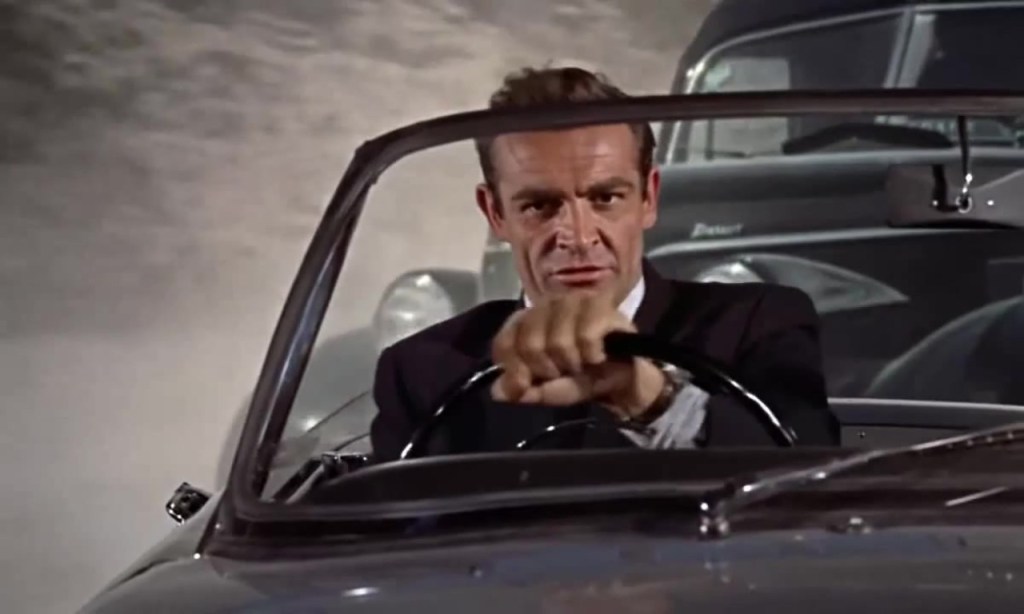
From the film Dr No (1962)[2]

As we can see in the still from the film Dr No, Sean Connery is shown in a car chase with a clear difference between the actor and the background. In reality, the car was shot on a stage with a back projection of a chasing car behind it.

A Change of Direction

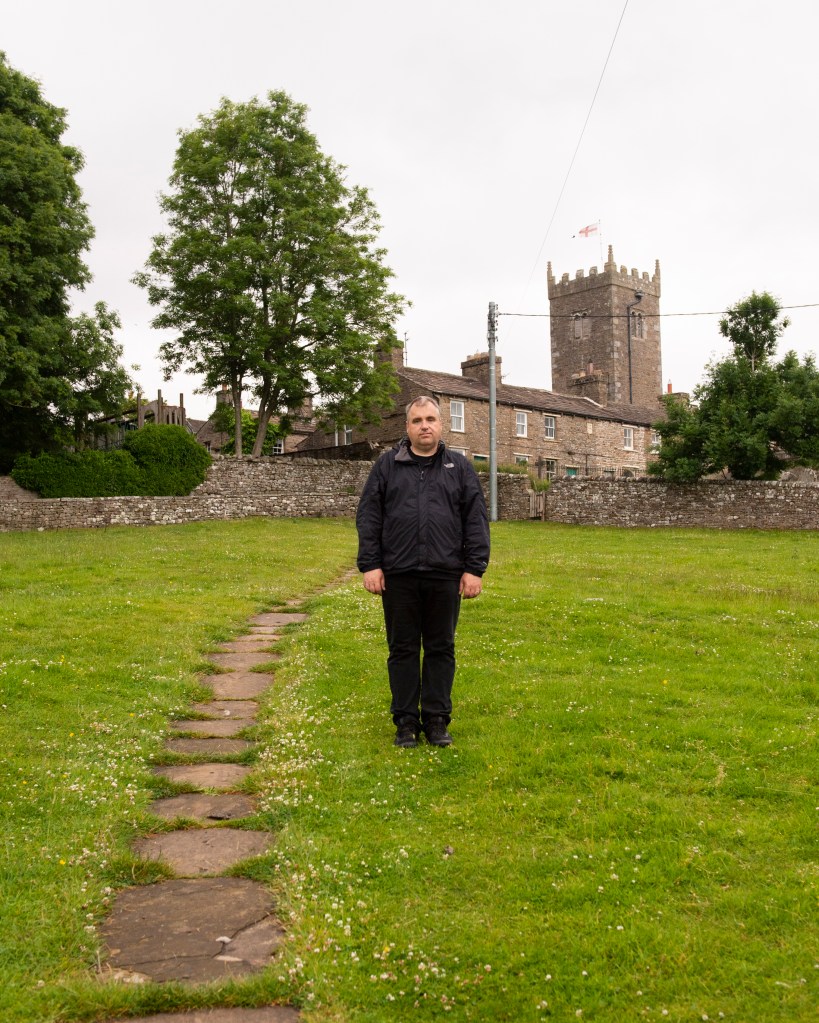
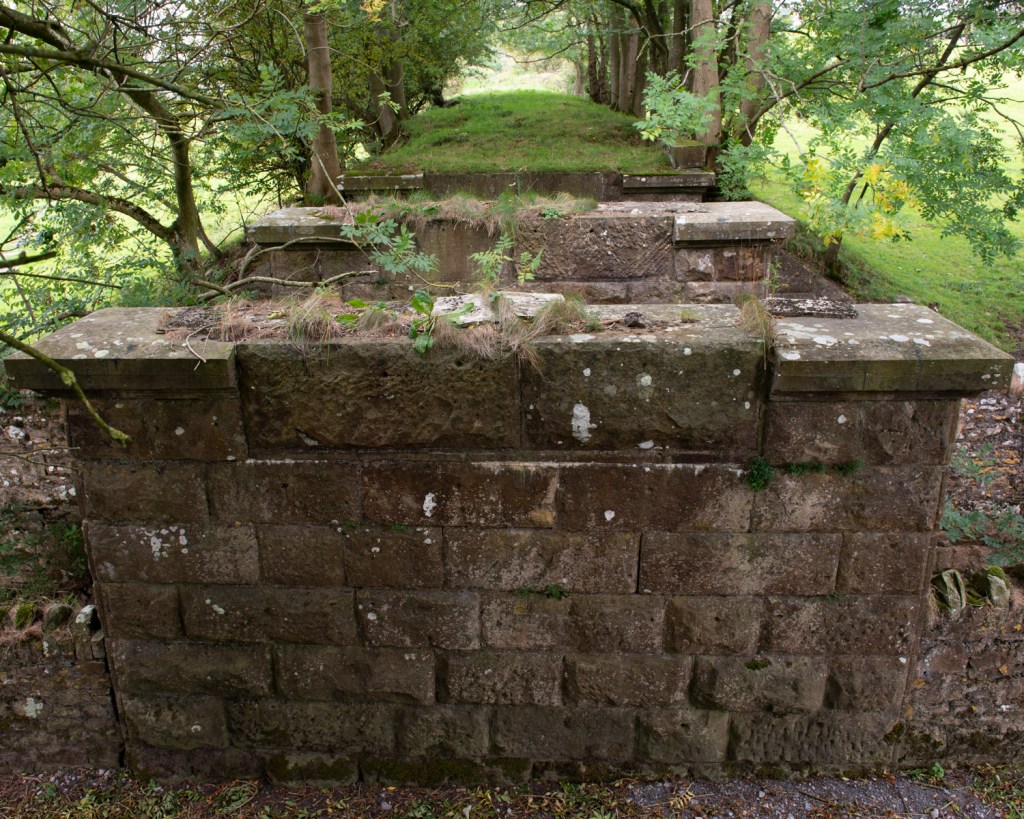
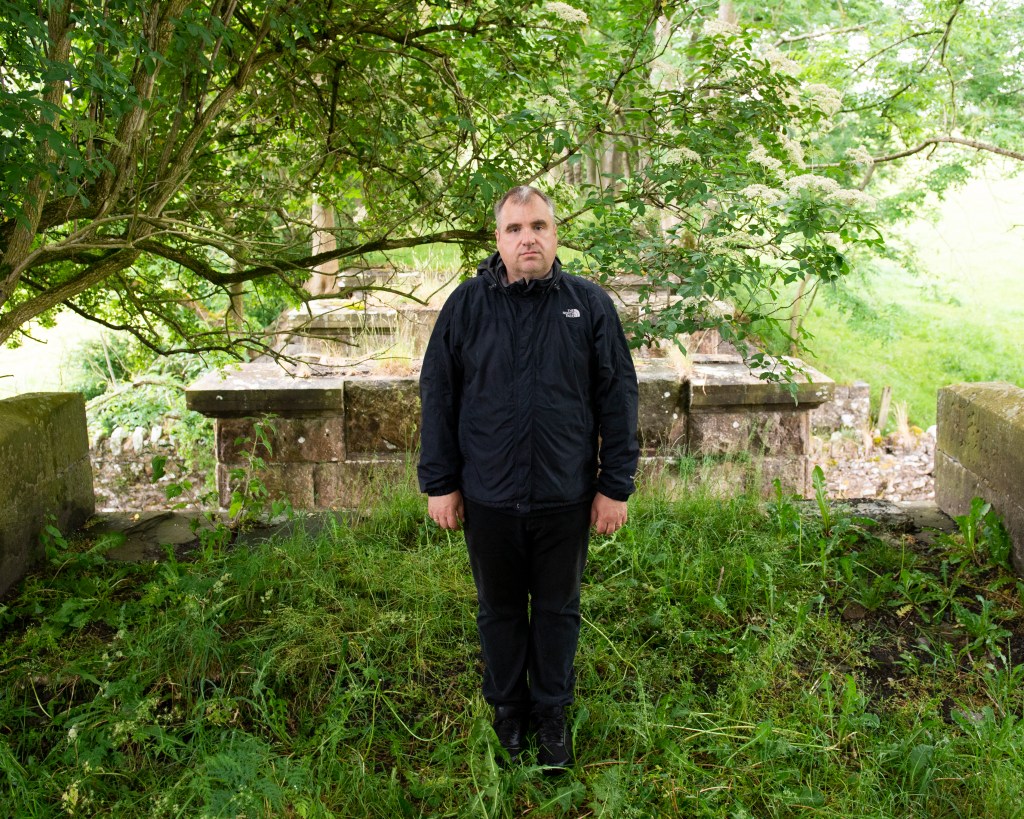
While my initial idea was sound, I was struggling with the execution of it. My problem was that the relationship between me and the background was merely a technical one. I had envisioned invoking some form of memory of the place I had previously visited , but after experimenting with contextual ideas e.g. wearing similar clothes as in the background picture, I realised that the connections were pretty weak. I was then presented with an opportunity while on holiday in one of my favourite parts of the Yorkshire Dales, which was coincidentally was where I shot the first assignment on this degree course, Square Mile. Where my initial idea of putting ‘current me’ into an old ‘background’ was about how I was connected to it but changed, the concept evolved into being about how an environment had changed subtly beyond my control or influence. I decided to make my presence a mere marker, similar to a map pin, on the landscapes that I shot two and half years ago. I decided to present the images as a series of diptychs.

The Photographs

Reflection (500 Words)

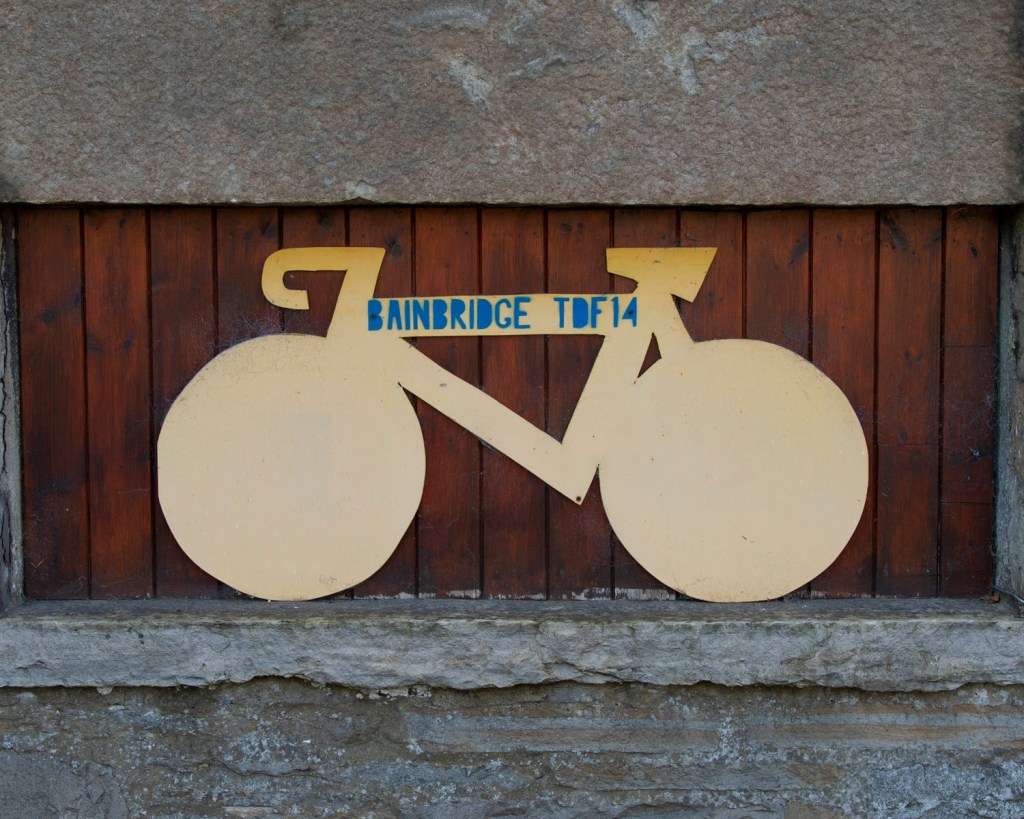
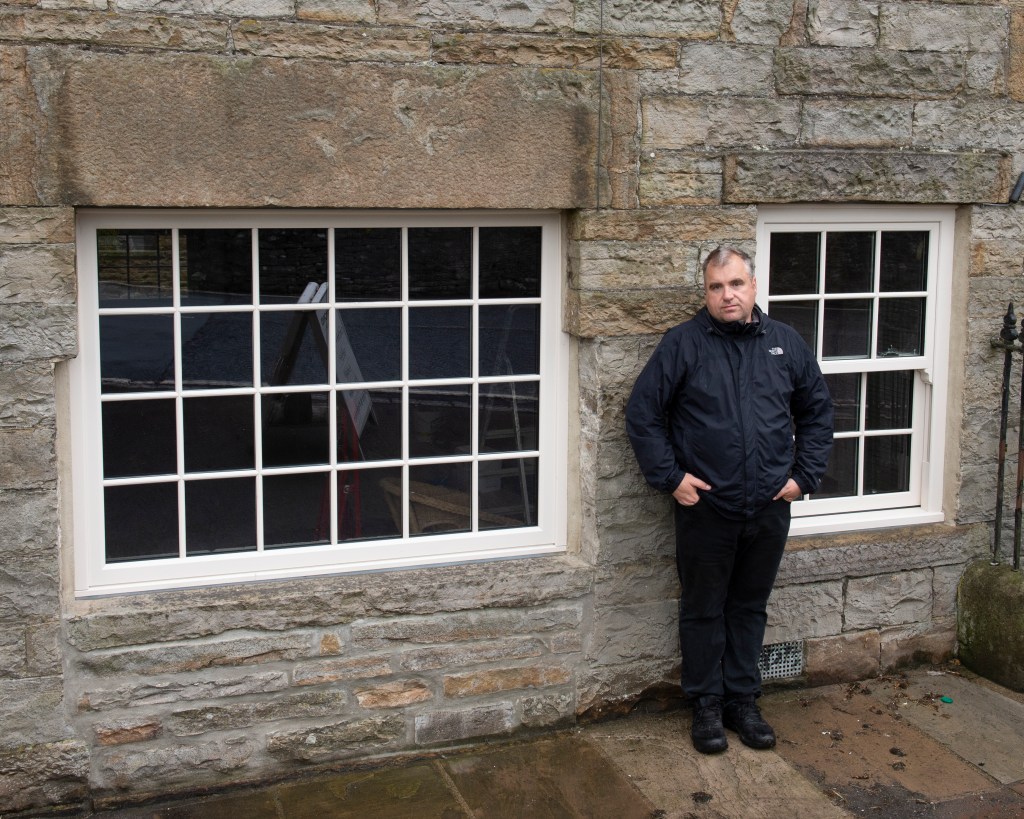
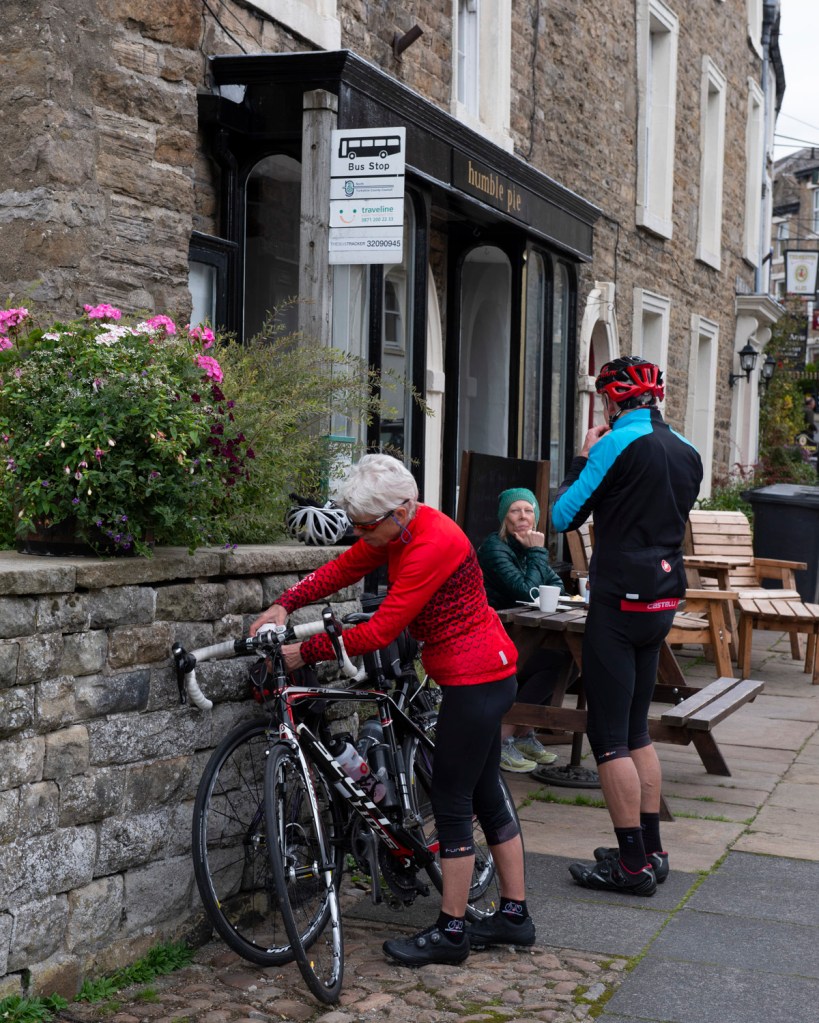
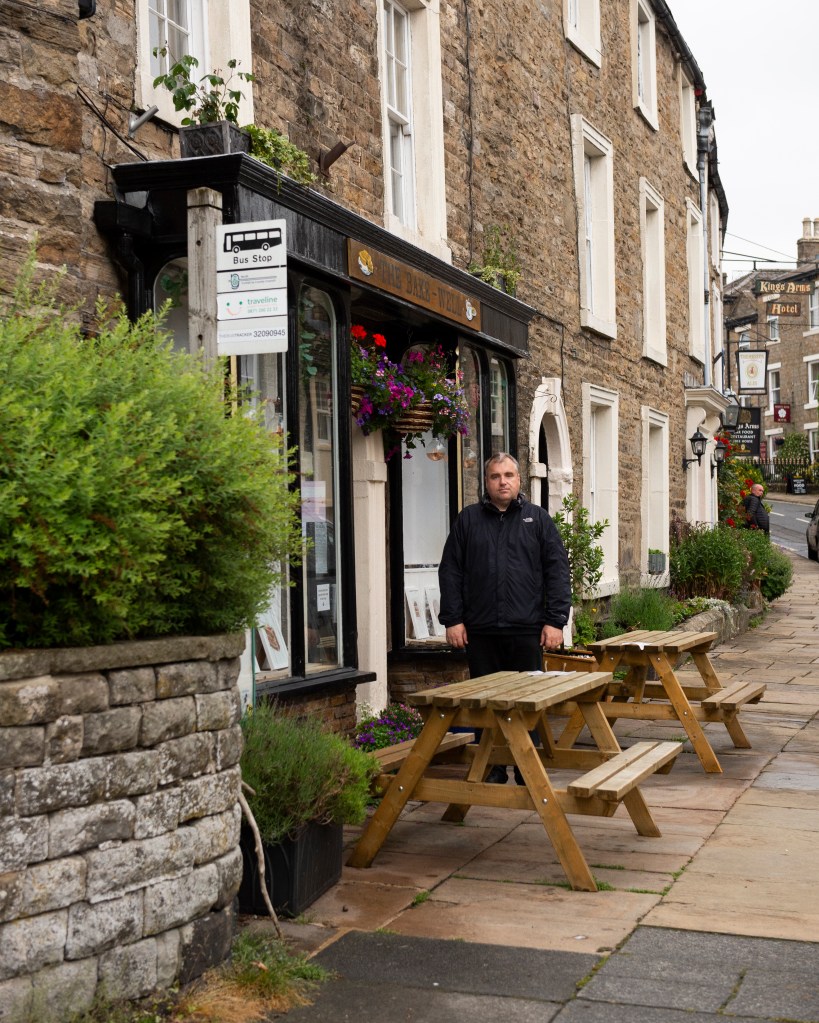
This series evolved from an idea where the primary focus was the subject, which was was always intended to be me. I wanted to show how I had changed from the person in the social media memory, but struggled to find a way that was neither really obvious (using props) or merely showed me as an older, fatter version of myself. When the opportunity to shoot in the location of my first assignment came up, I realised that the background could actually be the subject. When we consider the portraits that Callahan took of his wife and daughter in the vast spaces[1], it is the impact of scale that first strikes us and it is the background that we find ourselves looking at. With my series, we see a landscape that is immediately familiar, but when we look more closely the changed that have occurred over time become obvious. Some are significant as in the case of Four, where the original location for the bike model had been replaced with a window as the building underwent renovation. In fact, it was difficult to identify the original aperture and I would most likely have missed it if I didn’t know the area so well. In Five, the cafe had changed hands and been renamed, with the transient detail of the cyclists no longer in the frame. With One, Two and Three we have the most subtle of changes, ranging from the length of the grass (One) and the difference in seasons shown in the tree foliage (Assignment One was shot in September, not July).

The introduction of me as a marker in the scene really only anchors the series together as in each case I am pretty much expressionless. When I reflect on this, I realise that my expression does change naturally from frame to frame. I conclude that this is because we have no true ‘steady state’ expression. What we express depends on what we are doing or thinking about, which in my case was instructing my wife on the composition before shooting. My expressions and stiff stance in the photographs ask questions of why I’m in the scene and what am I thinking about? I asked the same questions of Callahan’s portraits of Eleanor and their daughter.

In conclusion, I think this series works. My seemingly impassive position within the frame looks like a map marker, but there is something slightly different in each expression. The changes in the background range from subtle to obvious, but the scene remains very familiar. The images also have a sense of the nostalgic about them in the sense that growing up, some holiday photographs took on an uncomfortable feeling to them with the photographer more interested in recording the scene than making a good portrait of their family member.

References

[1]Fletcher R, 2021, “Project 2: The Aware”, OCA Blog Post, https://richardfletcherphotography.photo.blog/2021/06/10/2-project-2-the-aware/

[2] King B, Unknown Date, “Roll Plate! Shaky Cars & the Rear Projection Effect”, FilmDaddy Website, https://www.filmdaddy.com/features/the-rear-projection-effect