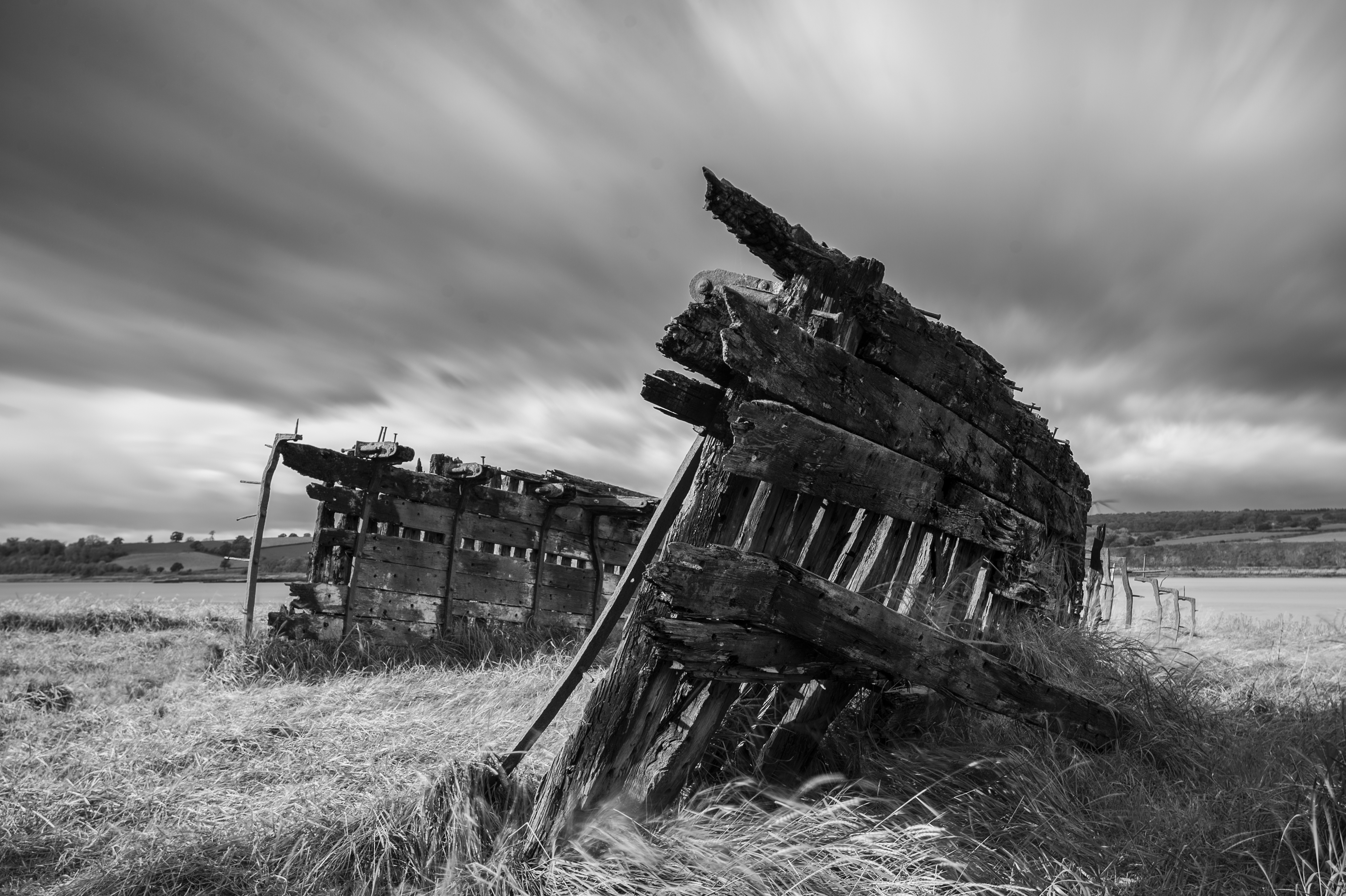
This exercise is essentially the same as the previous one, but instead of taking photographs of the same person, here you must make portraits of three different subjects, but keep the background to the image consistent (see Irving Penn and Clare Strand, above). There are many ways of exploring this exercise. You could either select an interesting backdrop to use inside (studio) or perhaps select an interesting backdrop on location (street). Whichever you choose, try to be as creative as you can and be prepared to justify your decisions through your supporting notes.
Again, present all three images together as a series and, in around 500 words, reflect upon how successful this exercise was in your learning log or blog.
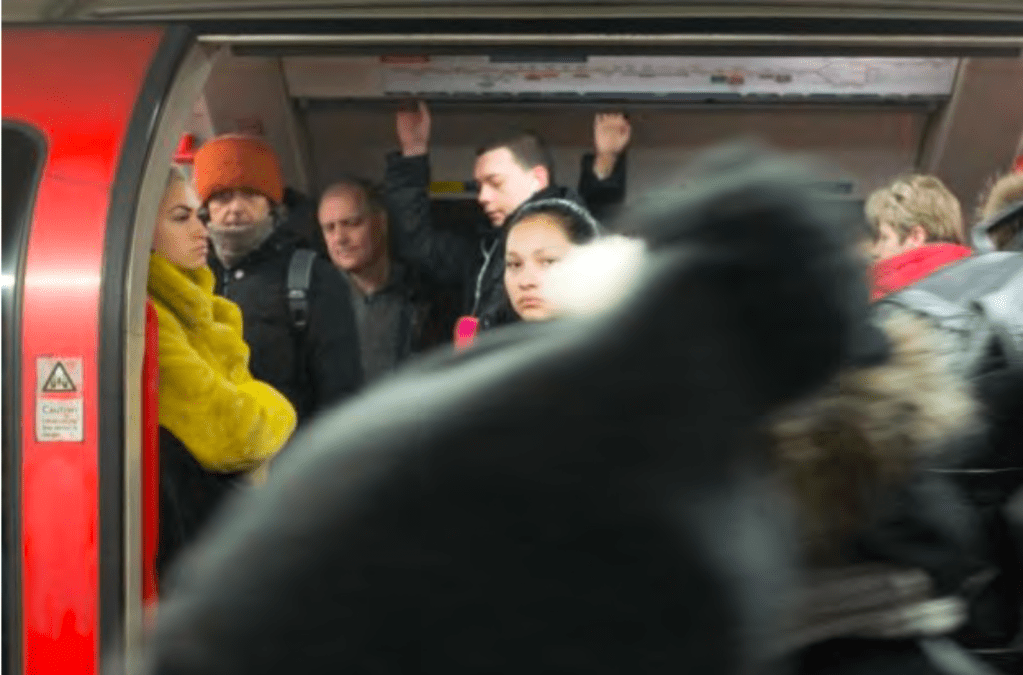
Simon Chirgwin, Untitled (n.d) OCA Image Library.
You’ve looked at portraits taken of subjects who are either ‘aware’ or ‘unaware’ of the photographer’s interest. You should by now have thoroughly researched both areas and perhaps found some further examples of your own. Many of the practitioners highlighted here don’t necessarily work exclusively in one of these fields, but move between the two, depending upon what they’re trying to achieve through their imagery. There needs to be a reason for employing a particular method of working and it has been the intention of Part Two to provoke thought regarding what these reasons might be. The next assignment should test this reasoning to the full.
Introduction
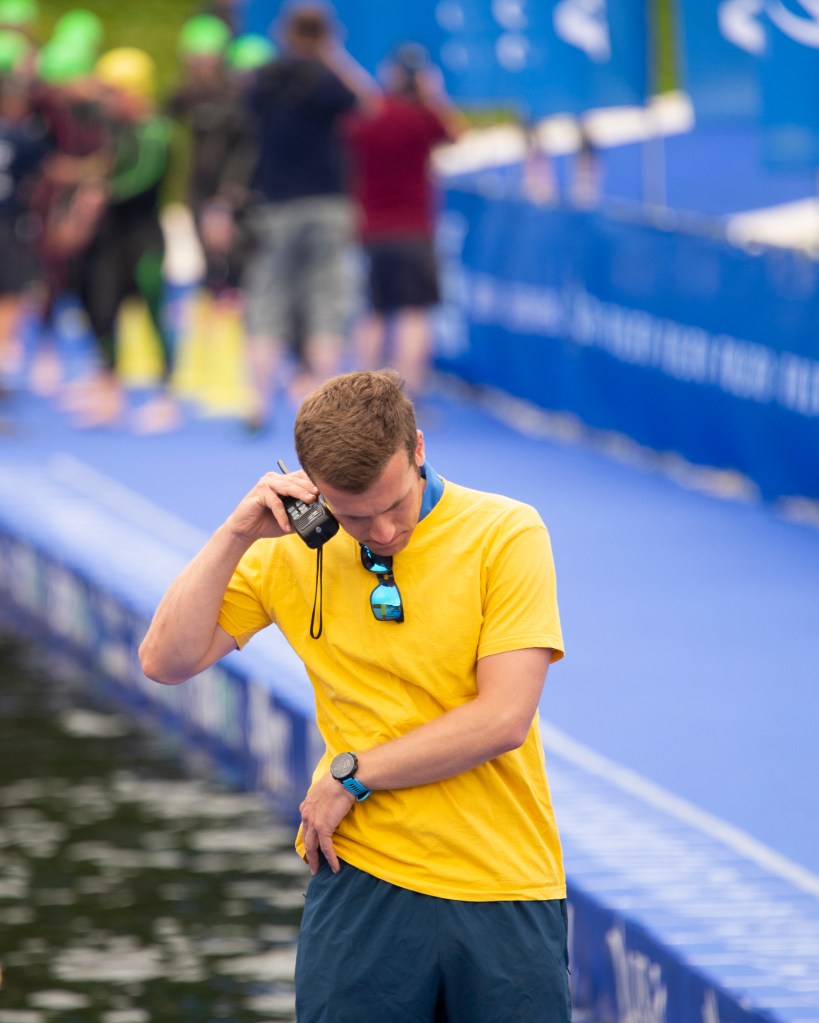
My wife recently competed in the World Triathlon Series event in Leeds, near her home town. This was the first event that we’d attended in over 18 months, so there was a feeling of ‘newness’ about the preparations and procedures that normally accompany these events. My series was shot at the lakeside where the swim leg of the event was being staged.
The Photographs
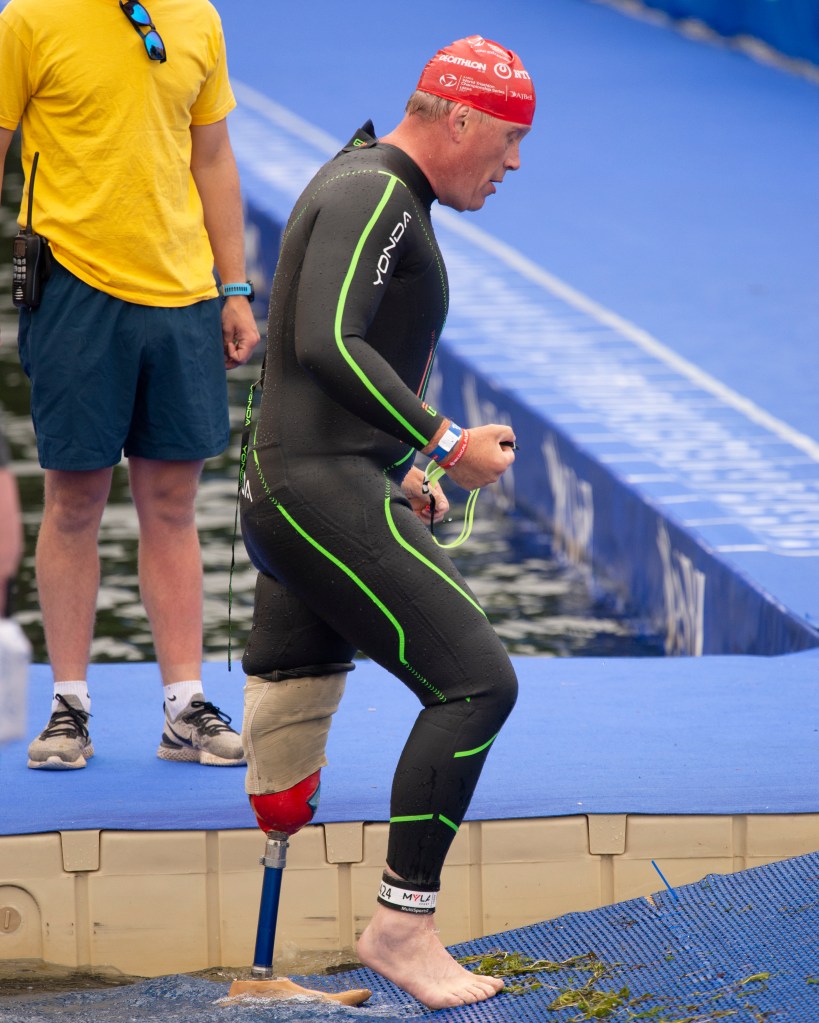
Reflection
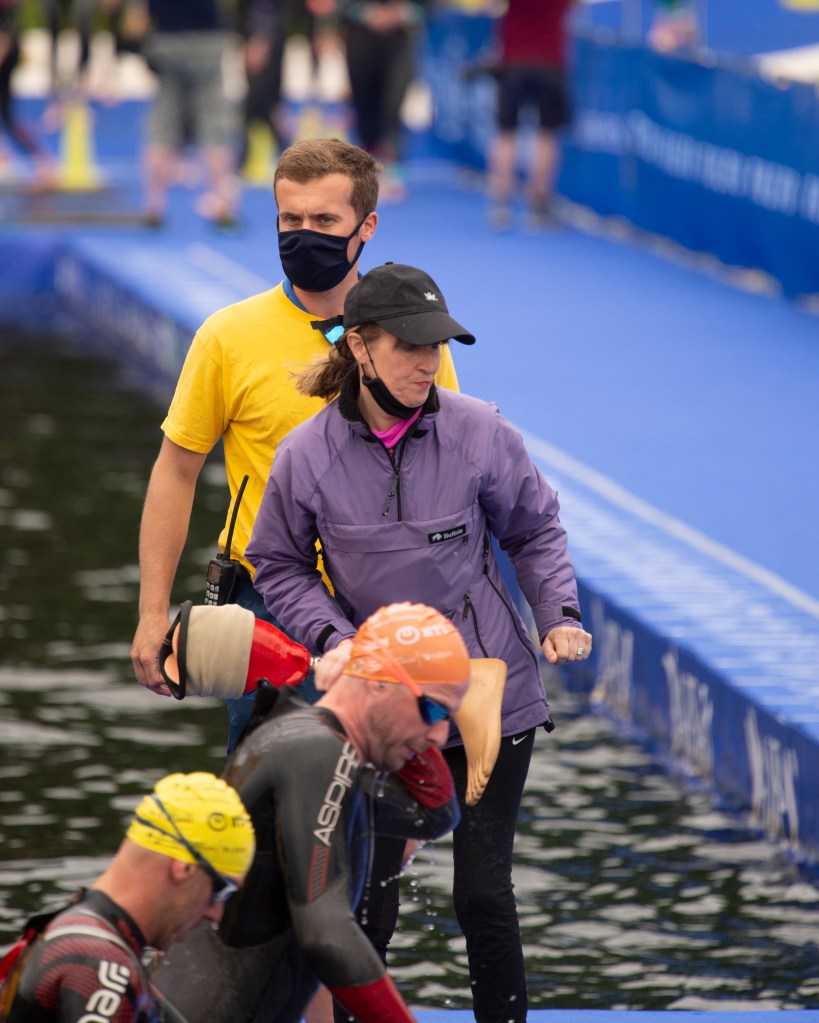
I had the idea for this series because it had been so long since we’d attended an event that I had forgotten how well they are organised. Watching the staff working to get the competitors safely out of the water, I also remembered that the World Tri Series is also a Paralympic qualifying event. I shot these three pictures to reveal how much care goes into the event, whether able-bodied or para-athlete. In the first, we see one of the Swim Safety staff discussing a detail of the event on his radio. I found myself wondering what the discussion was about – was he giving or receiving orders? was he preparing for something to happen at the start or someone to arrive at his station? With this photograph, I was intending that these questions be answered in someway by the end of the series. In the second we see another member of staff helping swimmers out of the water. The original subject from the first is shown in the background, linking this image to the first. The subject of the second is dressed differently to the other staff members and while it’s not clear in the series, she is actually one of the event officials. The questions that this image raise are around why she is standing there. When we look closely, we see that she is holding an artificial leg. The final image shows the owner of the leg who now having refitted it, is heading out of the water for the long run to the transition area. Three brings the series back to the start, with the suggestion that the Swim Safety official was preparing for the para athlete to arrive and to get his prosthetic ready in a way that he doesn’t waste too much time moving to the next stage of the race.
I think this series works because although the background varies from shot to shot, it’s sufficiently similar to anchor the subjects together. I interpreted the brief as the background proving an anchoring reference for the subjects in a way that reveals the connections between them, rather than being a distraction. In Strand’s Gone Astray, the subjects are connected together with their urban appearance and the effect of their perceived lifestyles showing. The background contrasts with an almost ‘Dick Whittington country lane’ feel to it. At the heart of the series, we are still being challenged to look at the subjects, the background underlines a narrative that they are placed within. In my series, the background is not the same in each picture; a few elements change to describe what is going on, but it nothing distracts from the story in the three subjects. The background provides the consistent context as with Strand and Penn’s work, but I have taken a slightly different perspective on its use.
I extended this series with two more images that I thought would further enhance this story. These are shown below in the updated series.
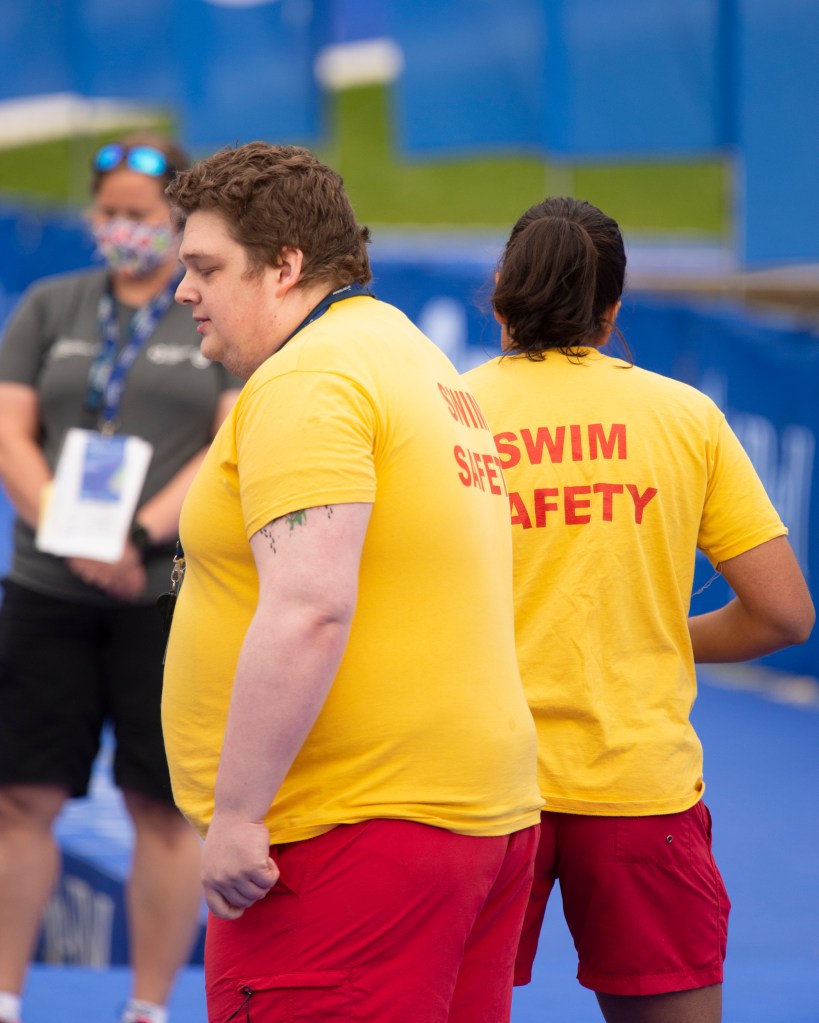
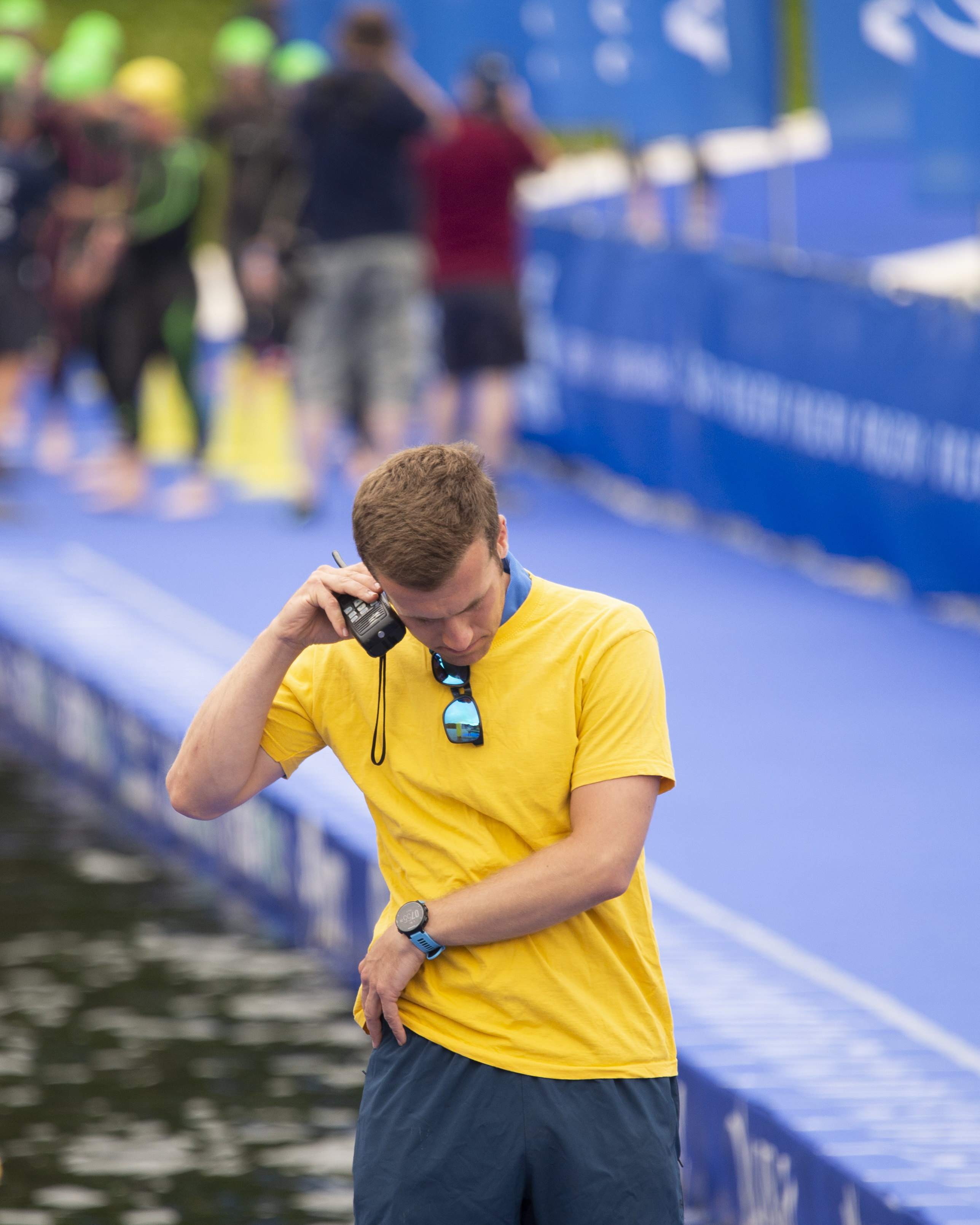
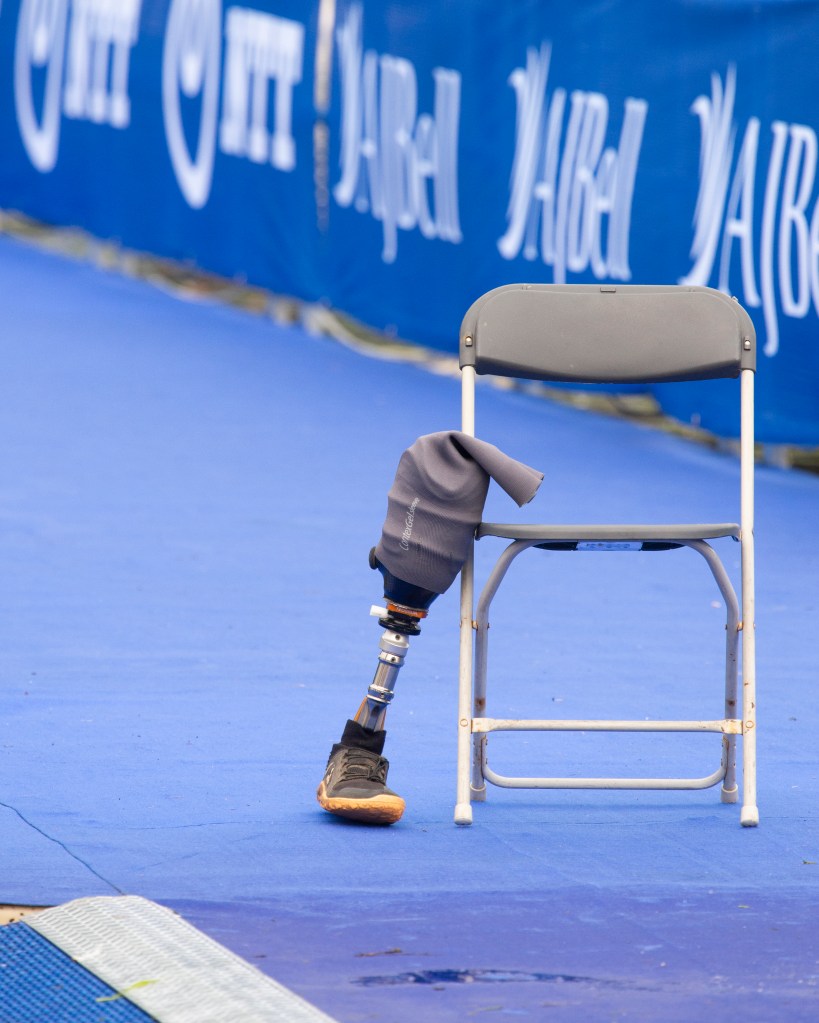
Now we have more in terms of scene setting with the first image, while the final shot links back to the start. The intent was to suggest that this is a continual cycle of preparation and support to all competitors.
 Richard Fletcher OCA Photography Blog