The Brief
In response to the work of the artists you’ve read about so far, try to create a photographic portraiture typology which attempts to bring together a collection of types. Think carefully about how you wish to classify these images; don’t make the series too literal and obvious.
Once complete, post these portraits on your blog or in your learning log, with a written statement contextualising the work.
Introduction
The brief asks us to consider the artists we have studied so far and their approach to portraiture. The two artists that I was most inspired by in this part were August Sander and Michael Wolf. Sander’s portraits are deceptively simple in their composition, yet they reveal a great deal about the subject through their expression and use of background. In Wolf’s case, his portraits of commuters on the Tokyo subway capture people who are united in their journeys to and from their places or work. Both artists used typology to connect together their portraits in both obvious and subtle ways. Sander was attempting to categorise professions of the people of Germany just as the Nazi party was rising to power. His typologies were factual, but they told a great deal about the social standing of differing professions within society which lent themselves to the fascination with the pseudo-science of physiognomy in the country at the time. While I learned to appreciate how the different elements work together in Sander and Wolf’s portraiture, I didn’t want to simply reproduce the ideas of these two artists for this exercise.
Initial thoughts
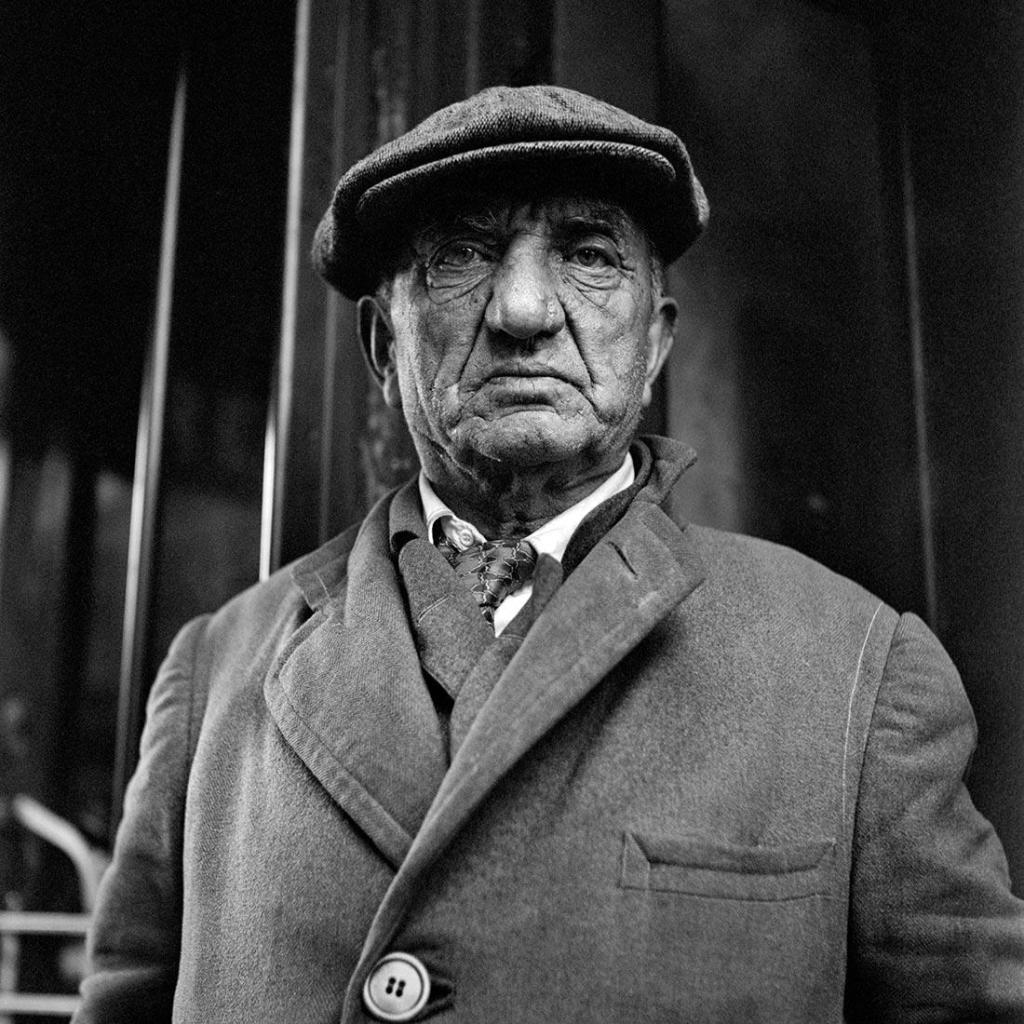
Over the past few weeks I have been visiting my local park with my camera with the intent to photograph an elusive kingfisher that visits the lake there. Although that remains a challenge with the bird not putting in an appearance when I am present, I have been noticing a number of other things about the park, its wildlife and the people who visit. The first was that the wildlife has become accustomed to being fed and while not particular tame, the animals are are more readily available to see and photograph. The second was that the same people visit the park every day and how familiar we had become with each other’s presence. In some cases, we engage in conversation and others, a quiet nod to acknowledge each other. I started to think about Assignement 1 at the end of this section, which calls for portraits of people that are unknown to us. These people in the park were indeed unknown to me, but that situation was slowly beginning to change over time. I started to think about the connection between the photographer and the portrait subject. In Sander’s work, the engagement was clear, the subject posing for the shot and looking straight at the photographer. In Wolf’s portraits, the people were being shot often without their knowledge and on occasion, in the cases when they realised they reacted badly. In both, the task of ‘revealing’ the subject was mostly down to the photographer, whether there was a specific typology or not. In the case of Vivian Maier, her street portraiture was shot with little awareness on the part of the subject that a picture was being made. Maier’s use of a TLR camera made this discrete way of shooting invisible to the subject; they simply engaged with the seemingly odd woman standing before them[1]. An example of this can be seen below:
My Typologies
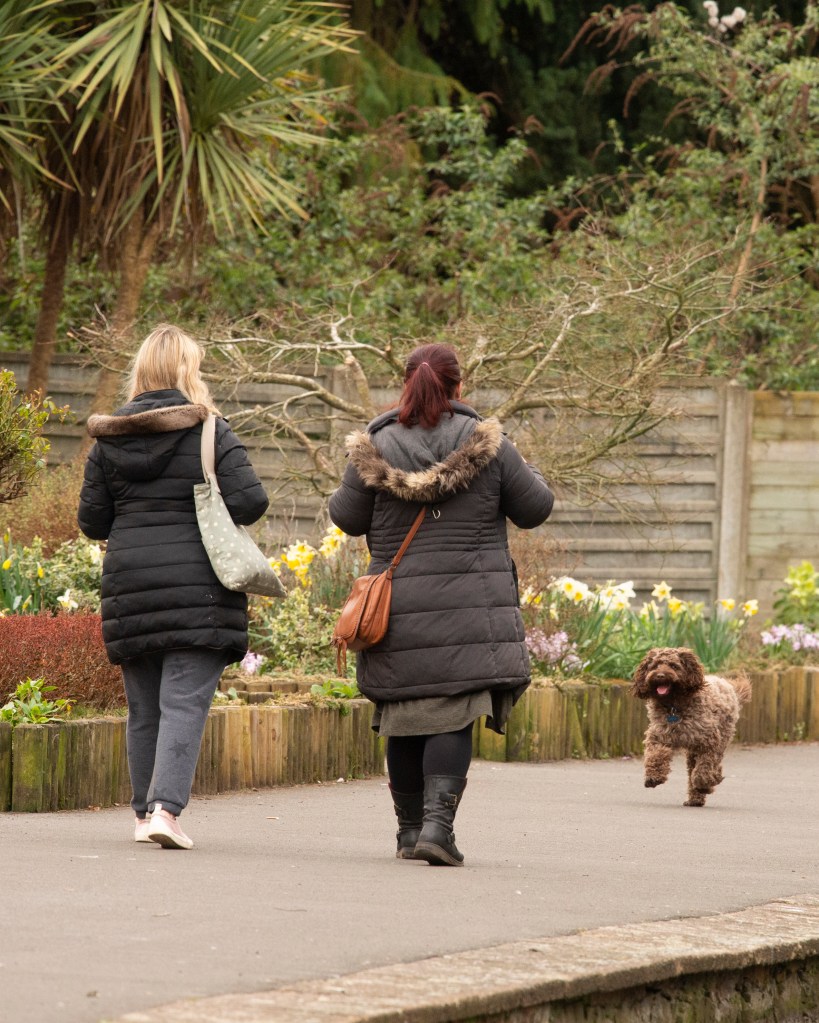
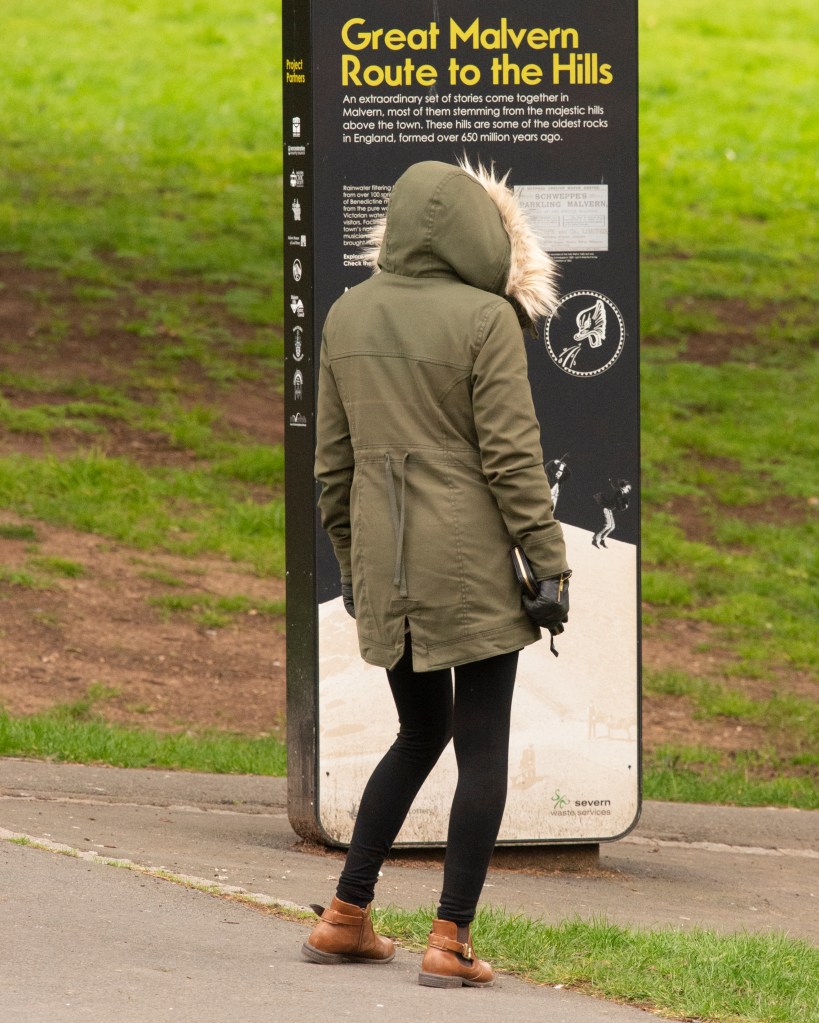
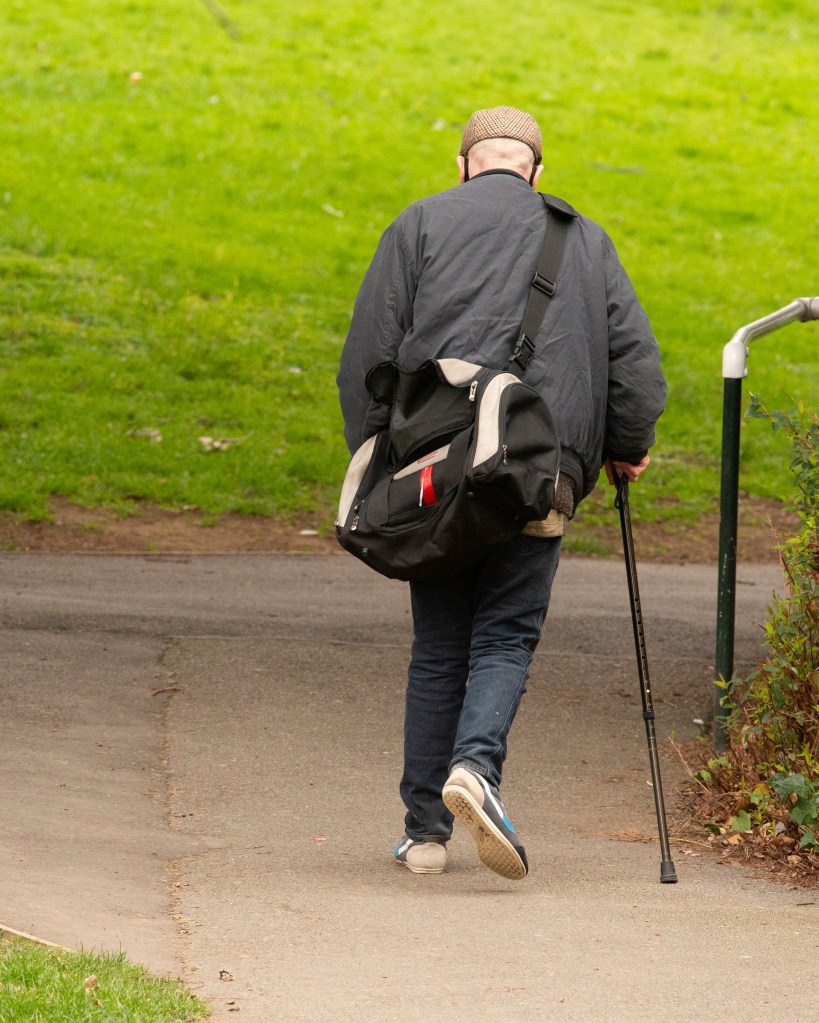
I decided to make my portraits of the people of my local park, but as strangers and from a distance. The intended typology was the fact that they were all interacting with a common space (the park) but were unknown to me or each other. I shot them with the 300mm lens that I was using for the wildlife to create the sense of observation and waited until they were specifically facing away from me to maintain the ‘anonymity’ and ‘stranger’ theme.
The Photographs


Reflection
With these images I wanted to show the common location of the park through the use of the colour green in the frame. Each has a visual reference to this place, but some people are pausing to interact and some are transient, moving through the space. The park is central to a number of walking routes through the town, so I am happy that images Three, Four and Five reveal this about people moving through the space. It’s also hugely popular with dog walkers, so it was important to include the dog in Three to represent this. Finally, like me people stop to interact with nature so to capture the context of feeding the ducks (Two) and the man with the robin (One) was also important.
I feel that the central typology of ‘strangers in the park’ is clear but not necessarily obvious as there are many other potential typologies for the collection, namely the park itself and recreational activity within it. Overall, I’m happy that the set meets the brief.
References
[1] Maloof J & Siskel C, 2013, “Finding Vivian Maier”, Ravine Pictures
[2] Maier V, 1953, “May 1953. New York, NY, by Vivian Maier (VM1953W03398-08-MC)”, Image Resource, vivianmaier.com, http://www.vivianmaier.com/gallery/street-1/#slide-19
 Richard Fletcher OCA Photography Blog
Hi Richard
Love the robin in picture one, he appears to be looking at you very inquisitively.
The main focus of shot two appears to be the red lifebuoy housing, the lady and the person behind her seem to take a more secondary role, maybe because the railing runs across their faces? I share your nervousness about taking pictures of people surreptitiously and definitely with approaching strangers to take their photographs. It doesn’t make it easy to get the shots you want.
Shot four locates where you are and I think your including the colour green with grass, vegetation and the railings does link the park as a common theme and the fact that these people are strangers to you, while not standing out and shouting at you, meets your chosen typology of ‘strangers in the park’.
Kindest regards
Andrew
LikeLike
Hi Andrew, thanks for the feedback. The lady feeding the ducks is the weakest of them. The problem I had was that she had her granddaughter behind her and I wasn’t comfortable with any composition that didn’t obscure her.
My idea behind the set was anonymity and I think they work with the long lens perspective.
About to start the assignment and I have a complete sense of dread about it. Will let you know how it goes. Hope all is well with you.
LikeLike