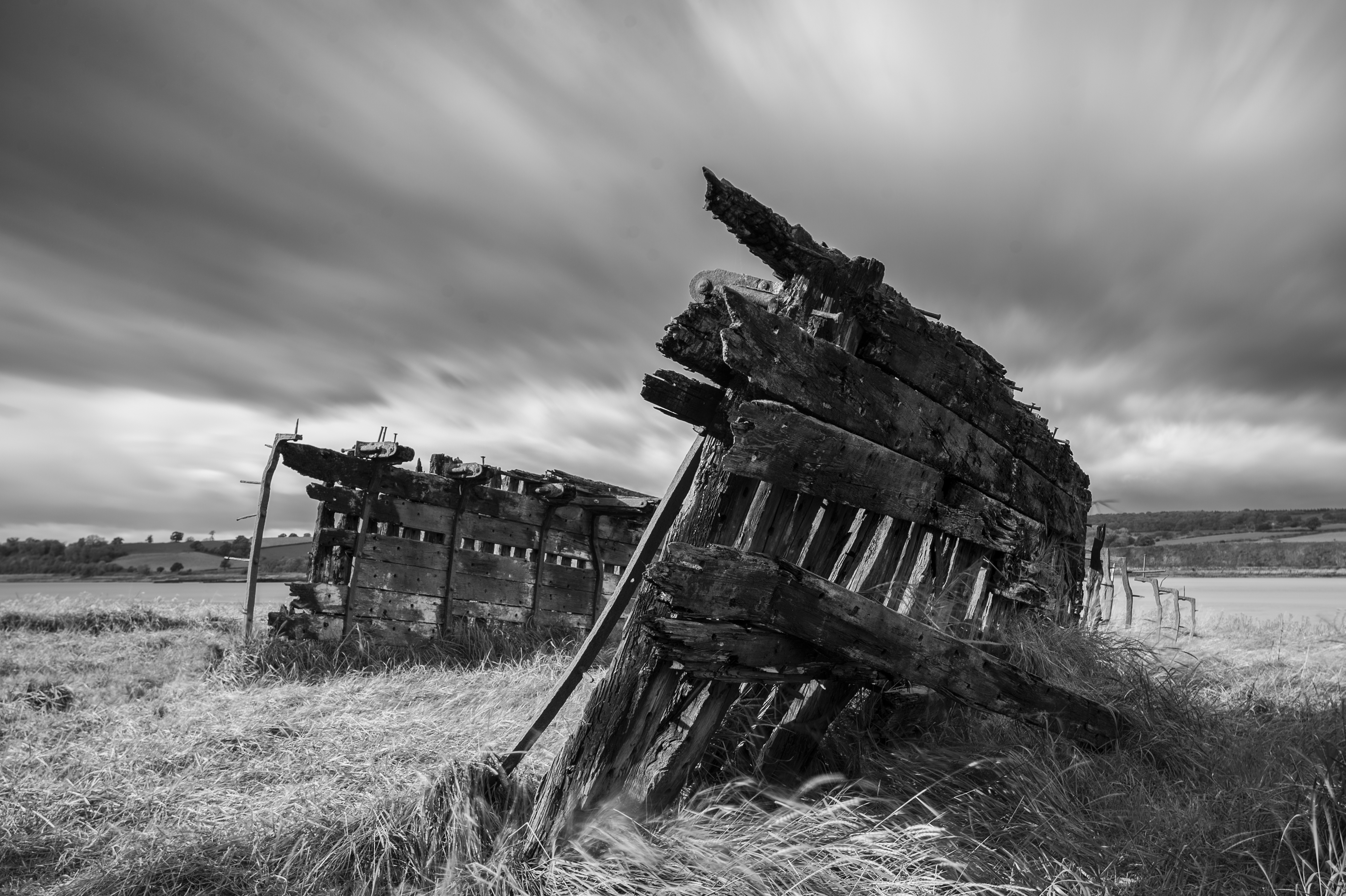
The Brief
Recreate a childhood memory in a photograph. Think carefully about the memory you choose and how you’ll recreate it. You’re free to approach this task in any way you wish.
- Does the memory involve you directly or is it something you witnessed?
- Will you include your adult self in the image (for example to stand in for your childhood self) or will you ask a model to represent you? Or will you be absent from the image altogether? (You’ll look at the work of some other artists who have chosen to depict some aspect of their life without including themselves in the image for the next project).
- Will you try to recreate the memory literally or will you represent it in a more metaphorical way, as you did in Part Two?
- Will you accompany your image with some text?
- In you learning log, reflect on the outcome. How does the photograph resemble your memory? It is different from what you expected? What does it communicate to the viewer? How?
It might be interesting to show your photograph to friends or family members – perhaps someone who was there at the time and someone who wasn’t – and see what the image conveys to them.
The Memory
I’m not sure how, but I immediately settle upon a memory from my childhood when reading the brief for this exercise. I had a wonderful childhood as part of a family of 4 and then later with the arrival of my little sister. Although I was a very anxious child, I remember thinking throughout the early 1980s that we were a lucky family. My parents were good to us, Dad had a good job and we lived in a beautiful Cotswold town. The memory that I guess shattered this illusion was when my parents decided that I needed fairly major dental work to straighten my crooked teeth. I may have been given a choice but I was 12 years old in 1985, so probably didn’t know what was going to happen to me. I was taken to the dentist and was determined to have too many teeth overall. I had 4 removed and a removable retainer fitted to straighten the rest out. My overwhelming memory on returning home was total hopelessness. I couldn’t speak with the ‘brace’ in and eating was a challenge as removing it was initially painful because of the initial pressure it put on my teeth. I lay on my bedroom floor listening to records and retreating into my own thoughts; the isolation and escapism that music offers when I am stressed remains with me to this day. I still vividly remember the hopelessness of this new normal that I was expected to get used to for the next 2 years. Eventually I did get used to it of course and the brace became something I only really noticed when it was periodically tightened up. I have been grateful to my parents in later life for having them sorted out when I was young, as more recently my wife has gone through similar as an adult, which is apparently even more difficult.
First Idea
My first thought was to try to represent the change in my personality as a result of this traumatic event. I remembered the transformations of the television series’ of my childhood, most notable Bill Bixby into Lou Ferrigno in the 1970s The Incredible Hulk.
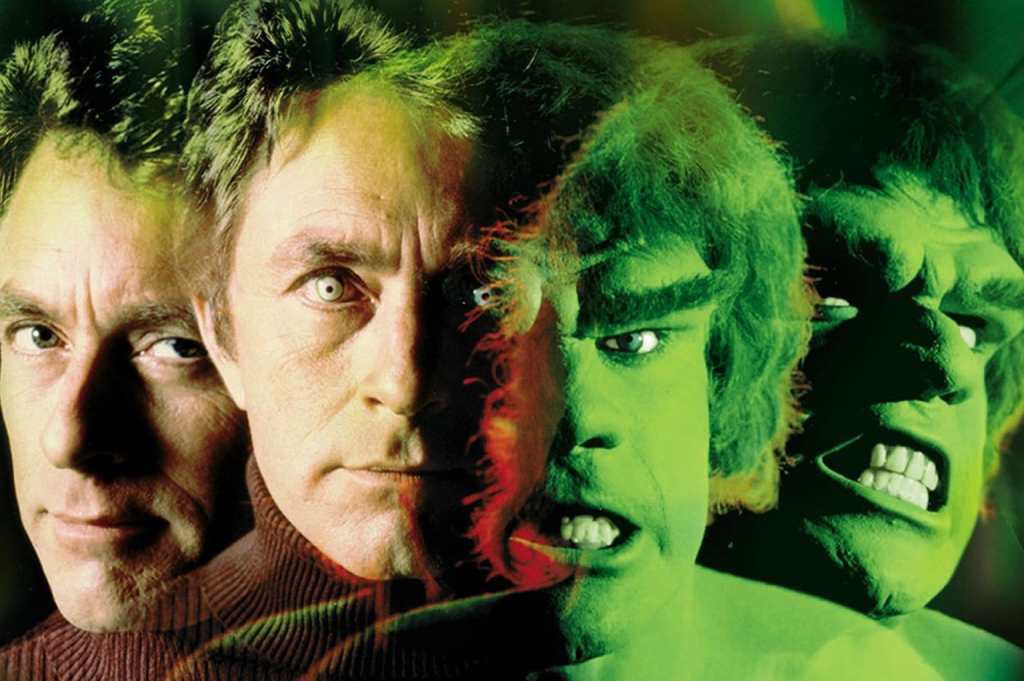
I had transformed into a relatively ordinary boy with anxiety problems to someone who never really sees the world optimistically; could I represent that in a single image? I started by shooting a number of simple self portraits with a view to manipulating them into a single frame in Photoshop later.
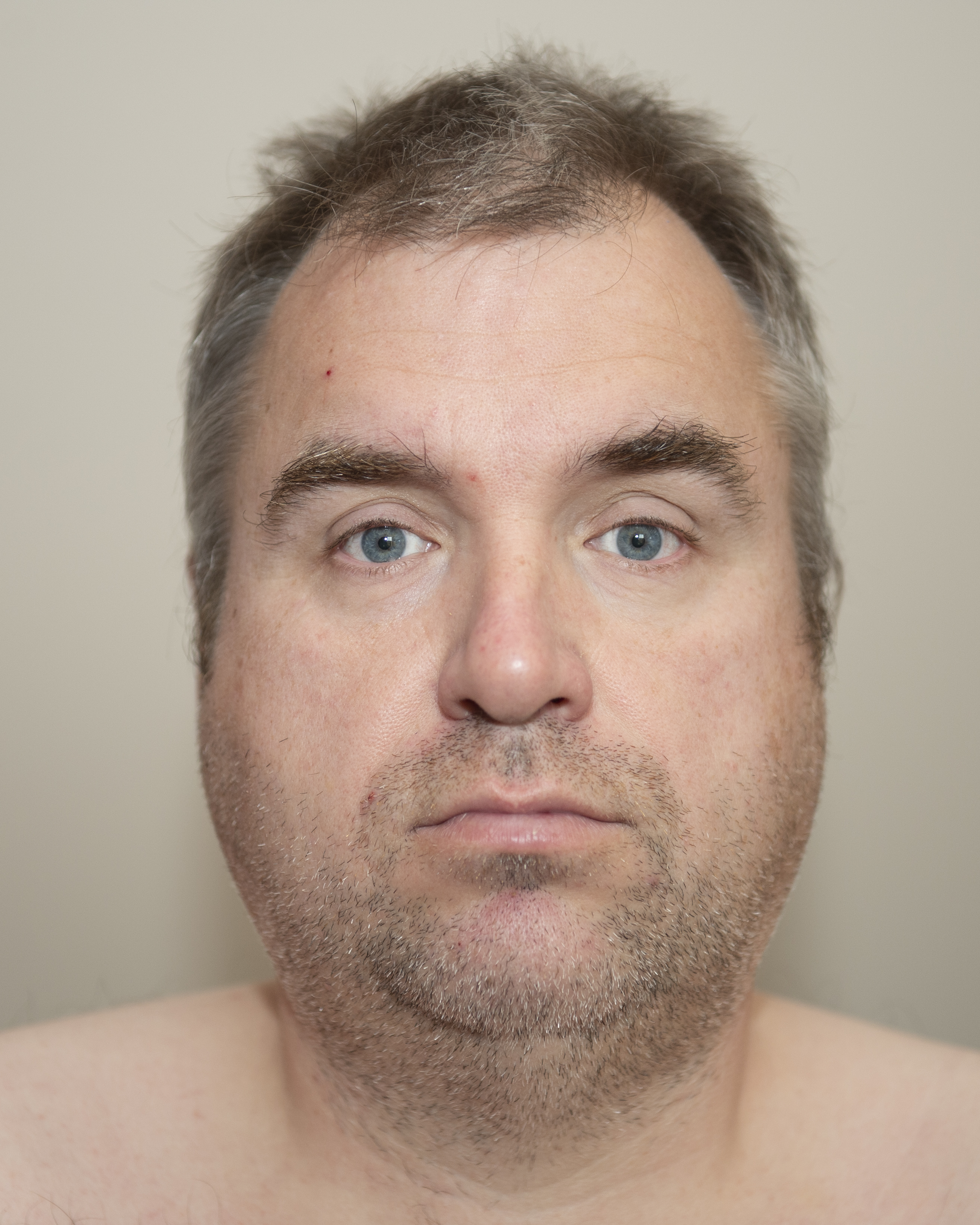

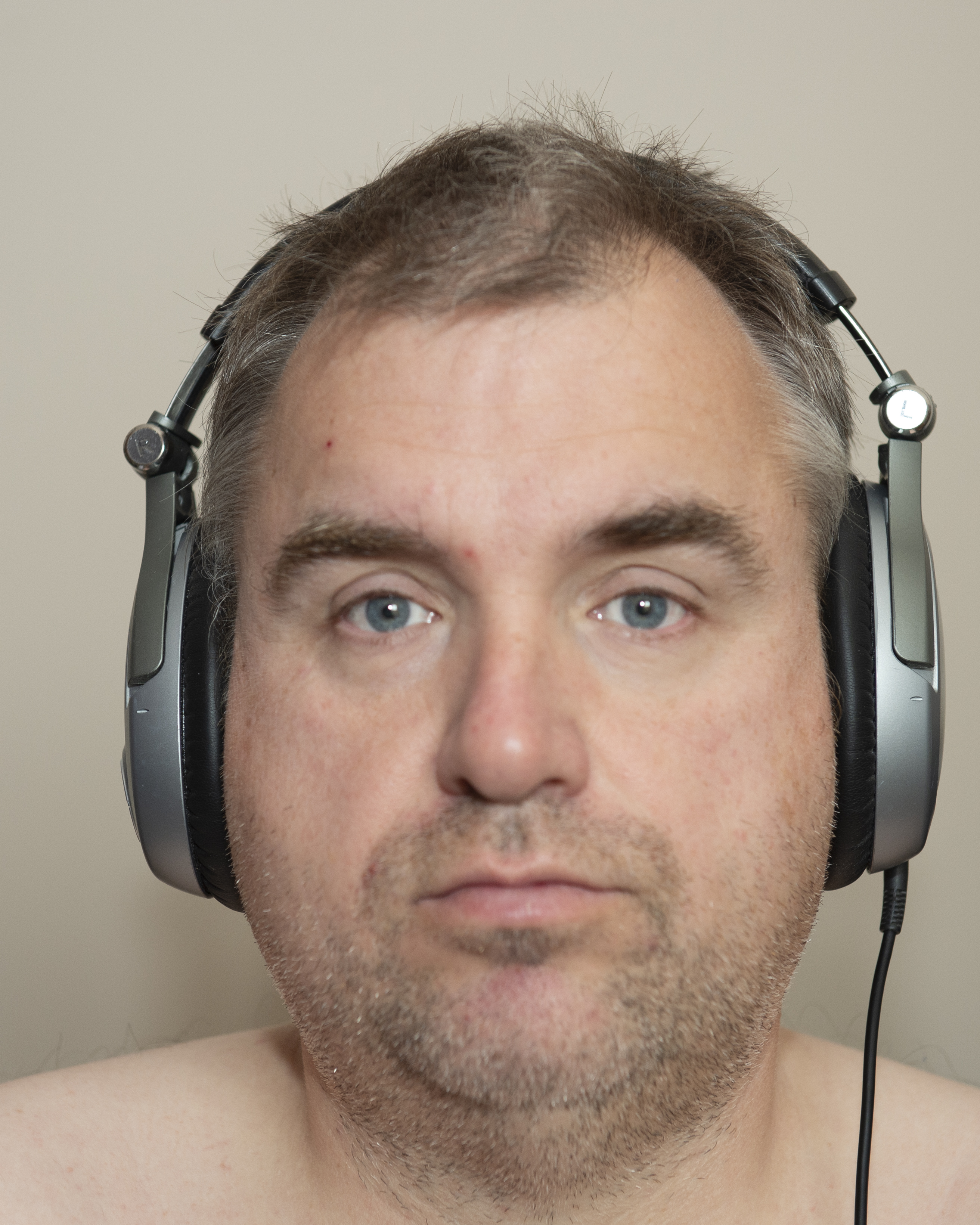
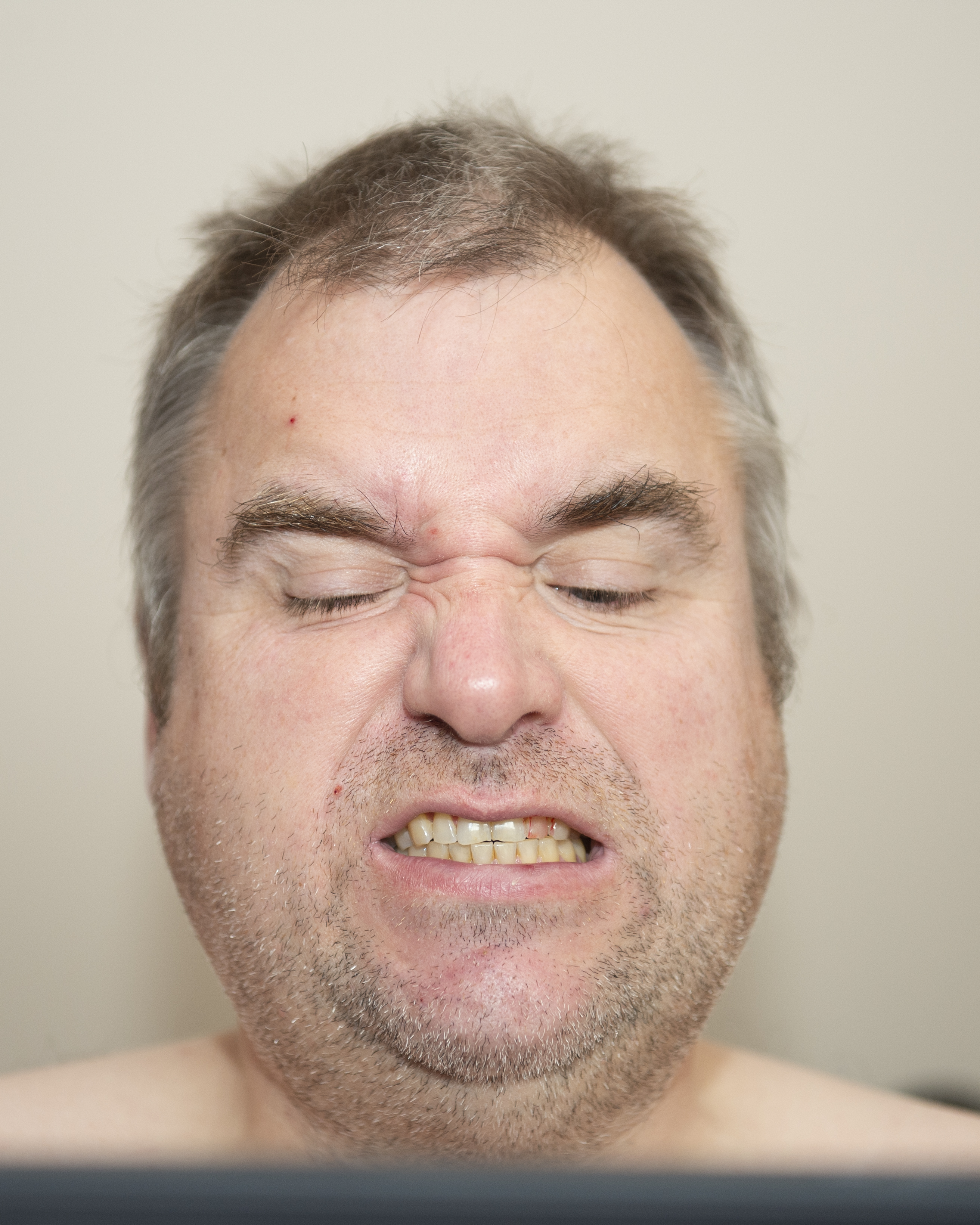
Although I was able to create different expressions and subsequently an impression of the transformation in each portrait, I struggled to see how I would incorporate them in a blended image. I am not proficient in Photoshop as it isn’t a tool that interests me all that much. My fairly recent move to back to film photography has led me to try to reduce the amount of post processing that I do, so Lightroom adjustments are the limit to my knowledge. I experimented with Photoshop for an earlier exercise[2], but the time it took to learn the basics took away from the creative side of the exercise for me.
Second Idea
Once I had rejected the first idea, I paused this exercise to return to later. I was keen to progress to the Assignment 3 which was about Self Portraiture[3]. With hindsight, the learning that I did in the interim made returning to this exercise more rewarding. I had learned about how some artists play a part in their work rather than simply appearing as a traditional portrait subject and that in some cases, traces of context are used to help create narrative without being too obvious. With the completion of Assignment 3, I was also now much more comfortable in front of the camera than previously.
The second idea was to compose a scene that used props to suggest the nature of the event as seen through my now adult eyes. I wanted to include factual references about the evening after the dental work and the implied feelings that I experienced during that lonely first night. I would be play the part of the younger me in the composition.
The Image
Intent and Reflection
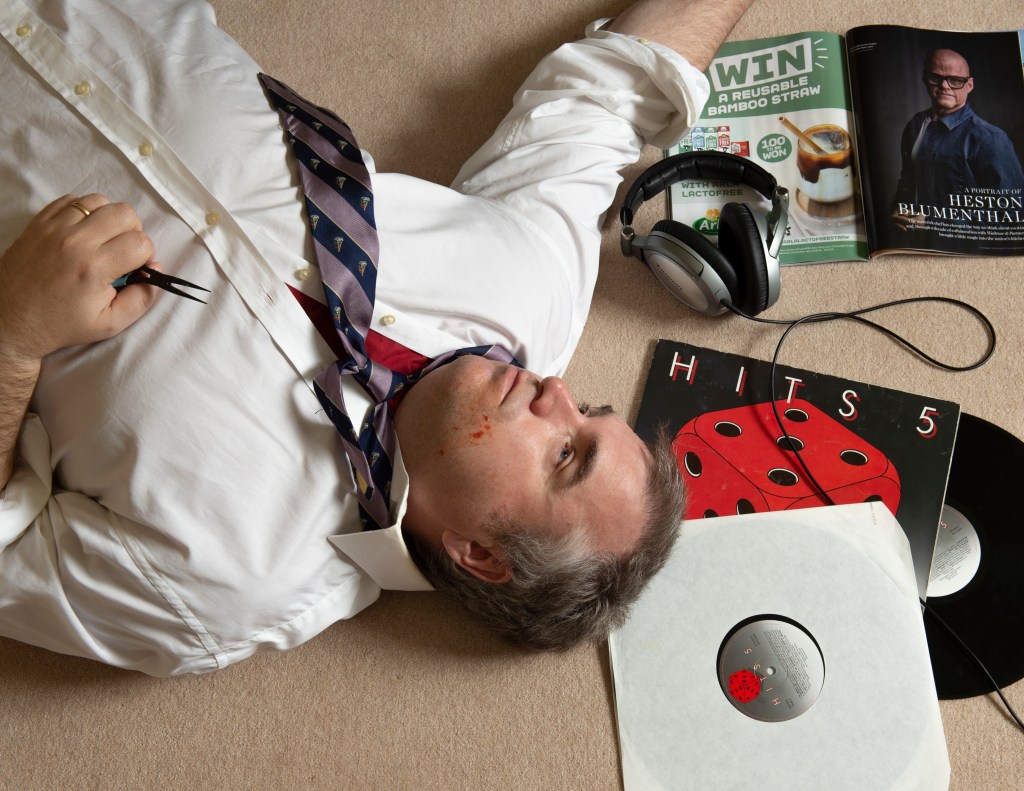
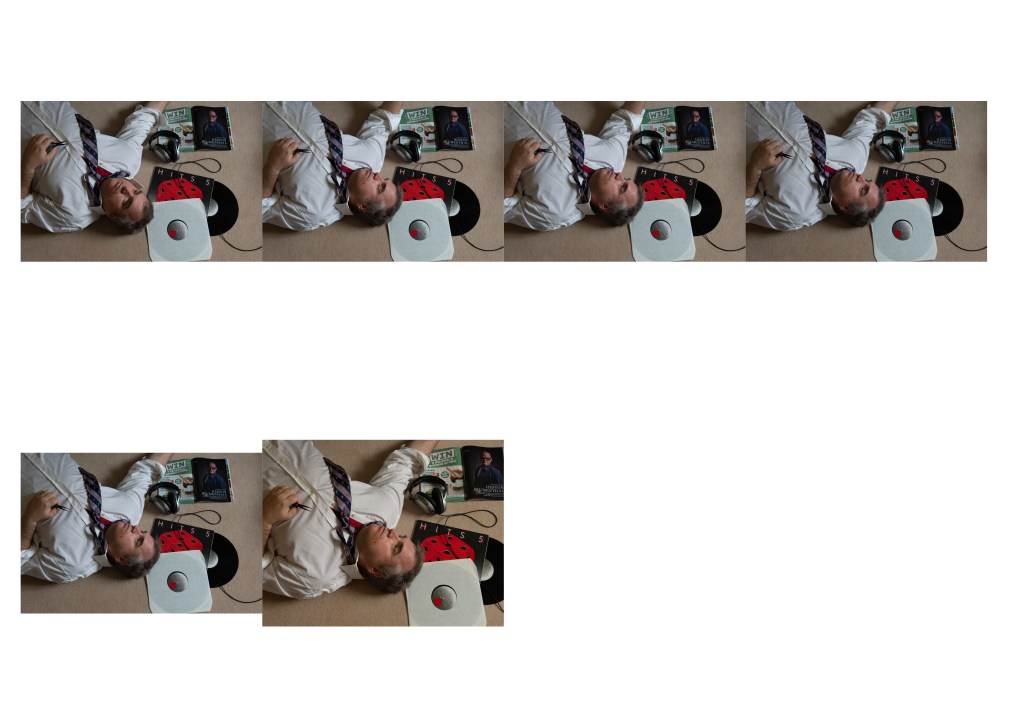
Here we have the final image of me lying on the floor surrounded by my stuff. What I intended here was to play the part of the younger me, so the school shirt and tie is arranged to suggest a schoolboy. The pose is intended to represent the sheer shock of the event, which left me pretty numb that first night. The arrangement of the tie and my blank ‘eyes open’ expression suggests the severity of this experience for me; as though my enthusiasm has been choked out of me. I’m holding the pliers to symbolise the way that I had a choice in the matter and the blood on my face is perhaps the most obvious contextual element in the frame; something having happened to cause injury. The rest of the frame is arranged with some key things that describe my environment. The vinyl album isn’t actually the one that I listened on repeat that evening, but is from the same compilation series that I was into as a young boy. I chose this one for the bright red die on the front cover as I felt it would work better with the blood on my face. The arrangement of the album is exposed and disorganised, which again refers to my feelings of confusion and anxiety. The headphones serve as the anchor for losing myself in music to escape the situation, while the magazine was a fortunate addition. One of the biggest issues with the brace was eating as mentioned previously. The combination of the advert for a straw opposite the famous chef was intended to represent the changes I would have to make with my new ‘disability’. On the whole, I wanted to include the colour red, not only to symbolise the harm that had been done but also because the whole situation made me angry and hurt. I had used colours in my submission for Assignment 3 to represent the same emotion.
When I look at this image, I am happy with the way that it brings together the things that I remember from the experience of having my teeth fixed. One of the things that I learned during this exercise was the way that leaving an idea and returning to it later can be really helpful. My first thought for the picture was rejected when I realised that I wasn’t proficient enough in the post-processing software. When I returned to the exercise after Assignment 3, I had a new confidence in both using my self to express how I feel and also simply being in front of the camera. I arranged the elements in the frame carefully and I think they work. When I showed the image to my wife, she looked carefully around the frame at all of the contextual elements. After she had done so, I explained what my intention was with the image and the feedback was positive. During the feedback for Assignment 3, my tutor asked if I would feature in more of my work. I believe that rather than just being an uncomfortable experience that I have historically tried to avoid, using myself in a photograph can be a powerful way of telling a story.
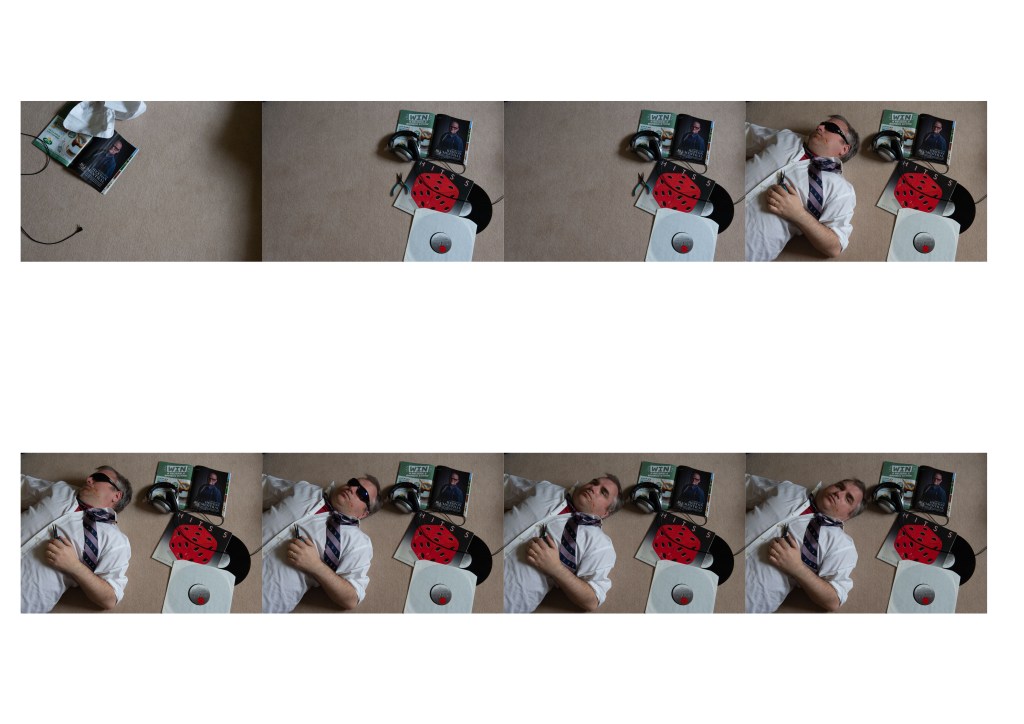
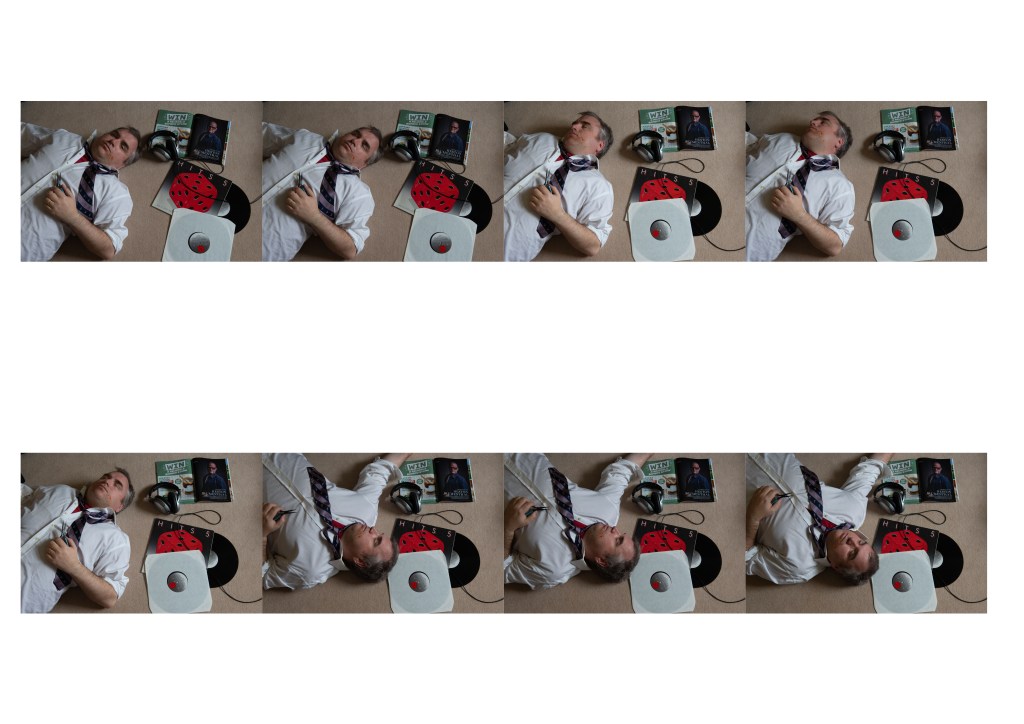
Contact Sheets
References
[1] Image Resource, ‘About The Incredible Hulk TV Show…’, Click Americana Website, https://clickamericana.com/media/television-shows/the-incredible-hulk-tv-show-intro-1978-1982
[2] Fletcher R, 2020, ‘The Manipulated Image’, OCA Blog Post, https://richardfletcherphotography.photo.blog/2020/04/17/project-5-the-manipulated-image/
[3] Fletcher R, 2020, ‘Assignment 3: Self Portraiture’, OCA Blog Post, https://richardfletcherphotography.photo.blog/2020/09/19/assignment-3-self-portraiture/
 Richard Fletcher OCA Photography Blog
Pingback: On Barthes – Tools for Deconstruction | Richard Fletcher OCA Photography Blog
Pingback: Preparing for Assignment 5 | Richard Fletcher OCA Photography Blog