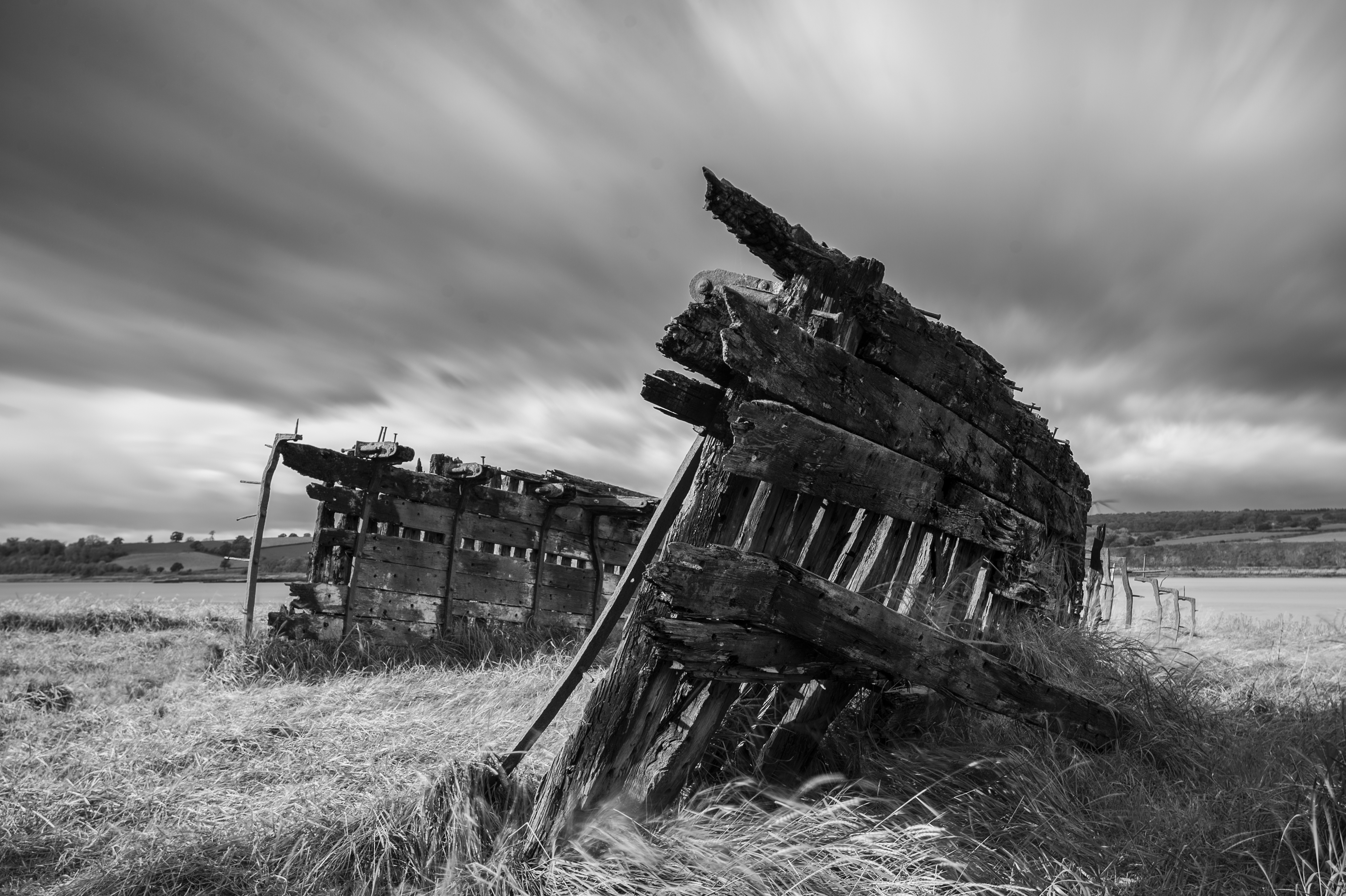
Introduction
This diary is in preparation for Assignment 3. We are required to keep a diary of a period of two weeks or more, writing two or three pages about myself for each day.
I am starting my diary on 1st August to give me as much material as possible for when I am read to start the assignment. The diary will be held here as draft, published only when the assignment is underway. I am going to aim for between 1000 and 1500 words per day.
Saturday 1st August 2020
A planned trip to see Jayne’s mother for the weekend. She lives in Batley in West Yorkshire, which in the past couple of days has experienced a spike in COVID-19 cases which resulted in an increase in lockdown measures. After doing some research, we concluded that the family bubble that we had established earlier in the pandemic was still in effect, so we decided to go ahead with the visit.
The journey to Batley is a fairly dull one, taking in many miles of motorway. If everything goes to plan, the journey takes 2 1/2 hours, but with the vagaries of the M42 and M1, it has stretched out to over 4 hours in the past. The last time we visited was during the initial relaxing of the rules on going out, when family bubbles could be established with people living on their own. Since Jayne’s Dad died a few years ago, Hazel has lived on her own, although the people who live near her have been hugely supportive of her. This visit was more for moral support as much as anything.
We set off a little later in the morning that expected but mercifully, the motorways were relatively clear. I was struck by how busy some stretches were, though as we had all got used to the near-empty streets of lockdown and the silence that went with it. Now we found ourselves tangled up in traffic, presumably caused by people heading off for their summer holiday. COVID-19 has resulted in many people having to do what has become known as a Staycation, i.e having a holiday at home or in the UK. People have been struggling with the lack of structure and in the case of parents, homeschooling. It shouldn’t have surprised me that there were so many people looking for some form of escape in the sun during August.
It reminded me of a conversation we had with some friends who came around yesterday for a socially-distanced cup of tea. We’ve been friends for over 20 years and haven’t seen much of them since this madness began, despite living only a couple of miles from each other. We talked about the way that things were returning to something like normal and arranged to meet up for dinner. The truth is that although our favourite places in the town are now open, their situation is far from normal. Face masks and hand cleansers that despite their very best efforts to hide or disguise are becoming a familiar feature in the act of going out. Our favourite restaurant in town has done a superb job of making it feel normal, though so we resolved with our friends to give it a go as a four. “Does it matter that we are a foursome that doesn’t live together?” was a question. “How far do we need to sit apart from each other if it does?” The nervousness around the whole subject is palpable, but in our case not insurmountable.
We arrived at Batley after a journey talking about my recent submission of Assignment 2, which had quite an effect on me. Like many of the projects in the course to date, this one challenged my whole way of thinking when it comes to art and photography. My engineering background, which suited my inquisitiveness about how things worked when I was growing up, taught me to plan and execute to get a specific result. That result could then be judged and marked accordingly. This course is the complete opposite in its approach. The planning needs to be done and the ideas formed into something that can meet the brief. However, the inspiration for the subjects doesn’t come naturally to me after the stuff that I find relatively easy. Also, the more I try to force it, worse it becomes. Jayne and I talked about my wanting to quit the course during that assignment (not for the first time) and really how the feeling of huge discomfort is a sign that things are going in the right direction. I am changing as a photographer and for the better for sure. Just need to recognise the signs and ride out the storm that follows.
Jayne’s mother is in great form. She’s quite remarkable in her outlook on life, which is dominated by positivity and keeping busy. I’m on duty for cooking dinner as she loves my roast potatoes, apparently. We talk about the course, which she is always interested in as she was an artist and teacher herself. I sat looking at the four photographs of mine that we had printed for her a few years ago. When Bryan died, she started to think about how some of the pictures and decorations that the house had were driven by him, while she had never been all that happy with them. Bryan was a wonderful guy but quite dominant in terms of what he liked and disliked. It was often better just to got with the flow. The four images, each landscapes that I had shot over the past few years, were replacing some pictures that she was not fond of. I was chuffed at the time that she asked for the to be printed and while I did that myself, the mounting and framing that my local framer did set them off perfectly. What makes me smile about them is the fact that two were shot with my fancy DSLR while the others were with a manual film camera from the 1950s. I loved the fact that my skill with both pieces of equipment was such that it wasn’t possible to tell the difference with the prints. Now, though it makes me smile because in the context of my study it’s completely irrelevant. Technical skill can be easily self taught (in my cases a lot of my learning has been under my own steam), but the learning about how to think like an artist is something quite different. I found myself wondering what I’d be like by the end of Level 1.
I spent the afternoon working on one of the exercises in Part 3, which I had the space to think about by being here. Headphones on and listening to a random playlist on my computer, I have worked for about 4 hours now. Dinner and a film to follow and almost certainly some wine. One of the drawbacks of lockdown has been the increased alcohol intake for both of us. It’s not out of control though, more just a case of something nice and relaxing to look forward to at the end of a day generally filled with the monotony of working from home and getting out for some exercise where possible.
Tomorrow I’m taking the most recent addition to my camera collection out for a spin. It’s an 8mm movie camera from the late 1950s and if offers me an escape from everything in being so different from photography and study. Looking forward too that immensely.
Sunday 2nd August 2020
After another sweltering night, I got up relatively early in order to visit the local park with the latest addition to my camera collection. The Zeiss Movikon 8B is a movie camera from the late 1950s and something special for the collection because of the way it’s designed. Unlike traditional movie cameras that pass the film across the gate perpendicular to the lens, the Movikon’s film spools are orthogonal to it. What this means is that the transport mechanism has to bend the film through two lots of 90 degrees to expose it. It’s a sight to behold when loading and unloading, and it really shouldn’t work at all but does. It continues to remind me of the tenacity of German engineering, which also resulted in the Porsche 911. In that design, the engine is placed behind the rear axle of the car which is widely acknowledged to be the worst position from a balance and handling perspective. Porsche paid no attention to the criticism, instead electing to spend over 60 years perfecting the design and resulting in one of the most iconic sports cars in history. Zeiss may not have made the Movikon for the same length of time, but their idea made the camera compact and easy to handle so it was worth making it work. This morning I wanted to film the local model boating club. The club meet every Sunday at the large lake in the middle of the park to ‘sail’ a variety of powered and traditional yachts. They’ve had a particularly difficult time during COVID-19 as most clubs have, but at least there was a better chance of social distancing in their club.
I loaded up the camera and we started out on our walk. Batley is an old industrial town which, like many in West Yorkshire was built on the textile industry. The industrial history is everywhere to be seen, whether it is the old factories themselves, the beautiful houses that the mill owners built for themselves or just the blackened stone from years of burning coal. In modern times, the mills have all closed and the area was one of many places that experiences huge levels of immigration, resulting in some clashes in culture and race. The park is popular with everyone though and there are lots of walking routes around the area. We chose one that ran along the former railway line which is beautiful and a route that we have done many times. What always strikes me is the contrast between the natural world and the evidence of previous construction. The banking of the railway is clearly visible and punctuated along its route by classic Victorian bridges. On the way into the park, we passed the old general hospital which has been derelict for a number of years. Broken windows, graffiti and slipped roofing tiles create a very sad visual, not just because of the decay but the lack of enthusiasm for saving such a beautiful piece of architecture.
The camera was performing well until we reached the halfway point, when the wind-up motor failed. Disappointing, but I’ve learned over the years that when you collect mechanical camera gear from the last 100 years, you can expect reliability issues. Probably easily resolved, but it meant that my filming was cut short. Whatever is wrong with it isn’t serious as the motor started working again once we got home. Time for a service, I think. The rest of the morning was preparing to return home. My mother-in-law is a devout churchgoer and has been able to go to the Sunday service again after a long absence. Once she had come home from church, we organised her visit to us in Malvern at the end of August. We would be driving up to collect her for the week, during which we are all headed for Wiltshire for a 90th birthday celebration for one of Jayne’s father’s cousin. It has been a concern that it wouldn’t be able to go ahead because of the pandemic, but it’s looking more promising now. The overwhelming feeling is that everything we plan for the rest of 2020 has the potential to be cancelled, given the current news headlines about outbreaks in the UK. In fact, our trip to see Hazel was at risk on Friday as her region had been subject to some local lockdown restrictions. We are hoping to make the party but are under no illusions about what the immediate future holds.
One the way home, we started planning our next holiday. We have had two cancelled this year so far, with a number of triathlon events that would include long weekends also being called off. With the rest of the year provisionally planned, we turned our attention to 2021 and 2022. Towards the end of this year, we have hired a camper van as a trial with a view to buying early next year. It’s something we are both very excited about because it give us a little more freedom to take off for short breaks whenever we like. With this in mind, the holiday planning was really fluid at this stage. What it brought home to me was the importance of having something to look forward to, even if it’s not fixed. The events of this year have damaged all of us to some extent, so the need to plan enjoyable things is important more now than ever.
When we arrived home, I reviewed the footage from my hedgehog cameras. I’ve been obsessed with hedgehogs for the past few years, ever since Jayne claimed to have seen one wandering down our newly-finished drive. I hadn’t seen a hedgehog for many years and when I started to research their plight, I discovered how vulnerable they were to potential extinction within the next decade, without some change in our behaviour towards their habitat. In the past week they have been officially added to the government ‘red list’. After our sighting, I bought a wildlife camera to prove it wasn’t her imagination. To my surprise, we were visited by several hogs that first night when I put food out. Fast forward nearly 3 years and we have a number of feeding stations and cameras that capture these mysterious creatures going about their nocturnal activities. I’ve also rescued a number and we are an official release garden for hogs that are rehabilitated at the local rescue. This is probably the most rewarding thing that I do, so it’s always an emotionally enriching experience to review the footage of the night before.
The day ended with my cooking dinner and Jayne and I indulging our habit of watching boxsets on the TV. The current one is a detective drama that runs for 4 seasons and we have just started the final one. I look forward to the quiet time I have with my wife after a day of working, or in this case travelling. Neither of us are out of bed after about 9.30 as we have early starts during the working week, so a couple of episodes of a show are the perfect way to pass from day to night.
Monday 3rd August 2020
Monday’s are always an interesting and almost nerve-wracking experience for me since going part time in 2018. I only work 4 days a week now, which is a decision I made when I wanted to start studying for my degree. For the most, work is manageable during the shortened week and I am always conscious of the people around me who work many additional hours. Some of my leadership colleagues will compress their hours into four days and not being in the office on Friday, but inevitably they end up working that time as well. My decision to change my contract and reduce my salary accordingly was designed to prevent me from feeling obliged to work the additional time. For the main, it works which always makes me wonder whether I’m somebody who needs some limiting rules in place to give me the confidence to push back. When I think about this course so far, I see evidence of those constraints in how I go about the practical work. When I finished my submission for EYV, the criticism from my tutor was still ringing in my ears. I had chosen a definite style for my series for Assignment 5 which fell into what I had become comfortable with over the preceding years learning the technical skills part of photography. When I first started playing with low key lighting in a studio environment, I was following instructions from Youtube. Single key lights and ‘Rembrandt Lighting’ dominated my thinking and that was evident with the submission several years later. My tutor praised the skill but it didn’t say anything about me, which is probably where I find myself in most things; governed entirely by learning and the comfort zone that creates, without taking any real risks that speak to who I am.
Every morning I had a Skype call with my team. Although a relatively small group at just over 20, my team spans 3 management disciplines and is regarded by many as a ‘glue’ that joins up the projects with Engineering. This has made the remote working arrangement that we have in place a significant challenge in that the different areas have different needs and concerns about the future post-COVID. Our industry has suffered from not having as many planes flying and passengers travelling, but we won’t understand the extent of that impact until some level of normality has been regained. The morning calls are intended to get everyone in the team together in a virtual sense and is used to brief them on any emerging news and just to see how everyone is. By and large it has been well received, but the challenge is being able to stay up to date on the news while being out of the office every Friday. The business has always been a hotbed of gossip and sharing of stories, so making sure that important messages are being heard from me and not the rumour mill has proven to be important. This morning was an example of how we get it wrong. In the previous week, we had heard of a new process for people to return to work safely. It was created by someone who likes structure and order, so is incredibly prescriptive. Our leadership team didn’t know anything about it until Thursday afternoon, by which time I wasn’t able to find a slot to brief the team. In the subsequent Friday, it became apparent that the message had got around the business like wildfire and many emails flew around citing the importance of following the process. What was missed in the excitement was that it only actually applied to a specific building and in the case of my team, only 3 people. When I joined the call today, the confusion was well established. I had to put out this fire, which wasn’t my doing. It got me thinking about the amount of control we have in our lives when there is something as serious as the pandemic happening. It also reminded me of the importance of communication and interpretation. Even with the best efforts, which this definitely wasn’t, we can all misinterpret the message. I have always tried to preach this message to everyone who has worked for me over the past 25 years, but in the face of this fiasco I found myself falling short of my own teaching. I emailed one of my leadership colleagues who I have a great working relationship with and respect hugely. The mail criticised the mixed messages that we were having about returning to work. What I didn’t realised was that I was almost responding to his important role of managing this very same issue for another building. He read my criticism as one levelled at him, which was the furthest possible thing from the truth of my intention. All resolved, but a lesson in how bad remote communication can be.
The rest of the day went well, with some major problems that we have being having being solved. This sums up my working life; problems of varying severity that need to be solved. When it comes to my approach to solving problems, I’m told (mainly by my wife) that I’m effective when the problem is immediate and serious, but when it’s something that is slow burning, not so. She likens it to a fighting dog response; some breeds of dog that were used for this barbaric practice were selected for their delayed pain response which made them more resilient. In my case, I’m reminded of an incident that happened several years ago while traveling to the cottage we were spending Christmas at in Yorkshire. There had been heavy rain at the time and lots of the small roads had become flooded. As we approached the last few miles of our journey we drove over a small rise and found ourselves crashing into a deep flood. The stream that ran alongside the road had breached and was crossing the road in the valley. We were properly in the middle of it and while my wife panicked, I went into automatic pilot and quickly realised that the first priority was to keep the engine running. Gunning the throttle, I looked at what was ahead. We could see the line of the sheep fence that followed the road rising up in front of us. As long as the road didn’t go any deeper, we should be ok if we followed that. I put the car in gear and went for it. The water was so deep that it was coming over the bonnet of the car. After a minute or so, we emerged from flood and carried on the remaining few miles to the cottage. It wasn’t until a while later while we enjoyed a first pint of the holiday, that I realised the severity of the situation that we were in. My realisation was accompanied by complete post-traumatic stress, while my now calm wife watched with amusement. In the context of my study, my natural response doesn’t lend itself to getting the assignments underway and finished; more the greater the procrastination, the worse things become. I sometimes wish that this was as straightforward as the job I am paid for.
Tuesday 4th August 2020
Tuesday is the one day in the week that I go to the office. It was a decision that the engineering leadership team took in order to help drive communication between us as well as offering our team members the opportunity to come in and see us if they needed to. One of the biggest issues with the remote working arrangement is that we don’t all have cameras activated on our computers for a variety of reasons. That means that the regularity of conference calls can leave people feeling isolated from the rest of their colleagues. It’s particularly difficult for people who live alone that aren’t used to so much time by themselves. I’ve had a number of occurrences of this isolation causing stress that boiled over into a rant or meltdown by people who work for me, the hardest part for me is understanding the root cause which in itself is difficult when I can’t read their body language. I’ve been thinking recently on the effects of isolation, shielding and the relentless nature of this pandemic; how it will affect people’s mental health once some level of normality has been achieved through vaccines etc. I really do think that this experience has been the hardest thing humanity has had to deal with since the Second World War. The added dimension of modern technology and round-the-clock news tests human resilience further. I wonder if the remotest parts of the planet have any clue what is happening around them when access to this information is severely restricted. Like the ancient civilisations of South America that were only discovered in the past hundred years or so, they have an innocent ignorance of the impact of the disease on the rest of the population, as well as the impending threat of climate change.
On this particular Tuesday, I witnessed the stress getting to one of my peers who is having a particularly difficult time with the lack of clarity around one of the projects. This uncertainty boiled over into losing of temper, which caused the added stress of embarrassment and a stunned realisation that some issues really need tackling head on. The ability for us to articulate our concerns through verbal and non-verbal communication is what delineates our position in society. What I mean by this is with higher level education and a professional career comes an expectation. that we can keep on message, keep our emotions back for when we really need them. With lower levels of education or bad experiences and lack of role models to aspire to, that same restraint can be exhausted much more quickly. I was thinking that the pandemic was becoming a leveller, with everyone in fear of their health and that of their loved ones. With the fear of uncertainty, particularly around work the frustration can be much more visible. It’s certainly what I’ve experienced in recent times. What I realised today, though was that while work is difficult and frustrating at times, there isn’t anything about it that evokes the emotions that I experienced with the most recent assignment. At times, working on that series was a wonderful experience of not trying to overthink the brief. However, at times, the lack of inspiration and my in-built belief that I should be able to somehow make inspiration happen was incredibly depressing. The more I tried, the worse it got. The worse it got, the more I wanted to quit altogether. Only when I finished the work and selected the final images, did I appreciate what I had achieved. I struggle to find the same things in my working life that take me on such an emotional rollercoaster, which I believe not to be symptom of disliking my job, but instead that it makes me uncomfortable. The old adage “what doesn’t kill you makes you stronger” may have some element of truth to it. As I write this, I’m thinking about all of the other potential narrative stories I could tell using my experience of Assignment 2 as a baseline. I certainly want to have a go at progressing my narrative about the decline and rebirth of my town’s High Street, which is something that was originally just a viewpoint rather than a story.
Back to the job in hand. I had already started the ball rolling on sorting out one of my shortages of staff in a particular area and today was the day that I had to discuss the plan with the people who run that particular project area. Our company is run as a matrix, meaning that there is a group of leadership that manage the delivery of the projects and a group that are responsible for providing the right people to work on them. There has always been a tension between the two axes of the matrix in that the people technically work for me, but are embedded within the projects. Naturally, they become part of the delivery team and every project area wants stability in the personnel base. With the current pandemic situation, we have been unable to recruit to fill the gaps left by natural attrition, which has left my team with major challenges in how they support the projects. In this case today, I had to tell the project that I planned to move one of their longest serving team members to another area whose need was greater. It wasn’t ever going to be an easy conversation and sure enough the mood wasn’t great. However, I finished the day believing that the plan I had put in place was the right one. What made the day finish on a high was that the person I’d found to take over from that team member was really keen to get started. Cautiously optimistic.
Wednesday 5th August 2020
Wednesday signalled a return to home working. Not really a challenge aside from the constant need for conference calls. Tuesdays offer a small respite in terms of actually seeing my colleagues, but Wednesdays always feel like a return to the normality that has been part of our lives since the end of March. The day started with the usual call with the team to check if they are ok. At the start of lockdown we had a number in our team that either exhibited COVID symptoms or who lived with someone who did. The obvious similarities to the symptoms to flu-like bugs caused us to be a little more panicky than usual. Were the symptoms a sign of the dreaded virus or just another illness that we pick up during the course of a year. I had at least one team member that had the unusual symptoms of loss of smell and taste, but they quickly returned so if it was a real case, it was mild at best. Other people had partners who were front-line NHS and experienced their colleagues going down with the virus and being confirmed as such. I remember one whose wife worked in a department that had 3 doctors test positive for the virus, although mercifully she didn’t get it. As we were all working from home, there was little to no risk of it causing an issue in the business, but it was still a theme that people would tell us about their symptoms on the morning call. On this particular morning, I realised how that doesnt happen at all now. Isolation was indeed a good way of reducing the risk to our health, it would seem. Today, everyone was in good form.
The agenda for the day was half yearly reviews for three of the team. These usually take the form of looking at what they had managed to achieve against their objectives for the whole year. The intention was to determine if anything needed to change in the second half of the year. For me, the company is in survival mode because of the pandemic and while we are doing well in a volatile marketplace, I’m not expecting my team to have achieved any growth activities. Instead, we are all on a mission to reduce costs to help the business and in that respect there has been some good progress. I enjoy the one to one meetings I have them, although I value seeing them more than just talking to them for reasons I have already discussed. All three of today’s meetings went well.
The less good part of today was taken up with some difficult conversations with my peers. Our situation is stressful for everyone, but the uncertainty is affecting some of my colleagues more than others. One in particular is struggling with the lack of clarity from the executive team. We are a close knit team and I see it as part of my job to support my colleagues, no matter what. Today was about us sharing our worries and seeing if we could mutually reassure each other that we would still have a job at the end of this pandemic. I think it went ok, but like many things in life it is not a single activity that solves the problem. We will continue to prop each other up during the difficult times and take the help when we need it.
The day ended with a recipe from Jayne’s new cookbook. We’ve been pretty careful with our food during lockdown and consider ourselves to have a pretty healthy diet. The only difference is, like many we’ve enjoyed more wine that we would normally have. While it’s under control, it teaches a lesson in how people can become dependent on the things that make them happy when everything else is hard going. In the case of alcohol, it’s a hidden threat that enjoyment becomes utter dependency, which nobody thinks is a good idea. The book was all vegetarian, which meant that it had a number of highly creative recipes in it. We chose a vegetable curry, which we really enjoyed. Far from the old-fashioned notion that vegetarian recipes were somehow missing an element with the absence of meat or fish, this was something created around the central components. It was something I would happily order in a cafe or bar. I started to think about acceptance, whether explicit or implied. I am someone who is realistic as opposed to optimistic or pessimistic. There is a balance of thought that hopes for the best but isn’t surprised when things are not as they should be. My choice to accept the latter is something that I wrestle with. When I was suffering from depression, acceptance equated in my mind to not being able to do better or somehow not being worthy of things being right. As I started to recover, my view shifted to one of ‘try everything and put up or shut up’. It was a healthy step, but now results in my being frustrated and grumpy when I don’t see something being as it should. If left unchecked, it can build to a level where I explode. I find that other people’s behaviour others is one of the biggest triggers. During the afternoon, I had been asked to take on a piece of work on behalf of my boss, who is very busy at the moment. It’s a simple enough thing to achieve, but one of the people involved is from another part of the company. He and I don’t get on at all after an incident involving one of my team a couple of years ago. It’s apparent that if the guy can avoid working with me, he will; opting instead to go around me to my boss. In this particular case, the decision was made that it was me he had to deal with. He called a meeting that I was invited to and a the allotted time, didn’t turn up. When he rescheduled it, my boss was back on the invitations and I was relegated to an optional attendee. It cuts no ice with me of my boss, so the guy will have to ‘put up or shut up’, nevertheless it’s a frustrating behaviour to me because of the lack of respect he has for my position. Rather than make me feel inferior though as it would have done years ago, I just get angry. It won’t come to anything because its a professional relationship that we will maintain. Given the choice, neither of us would want to spend any time with the other which suits us just fine.
Thursday 6th August 2020
Today is the last day of my working week and, unusually for the new normal, I find myself going into the office. This was because I had a meeting about how to move on from the restrictions that we currently have in place and keep those who are returning to work safe. The building was practically empty with only about 30 people in a space that can accommodate a few hundred. We are planning to reconfigure the space to allow for social distancing and what my colleague refers to as ‘hybrid working’. This means that people can go back into the office if their function or project requires them to and find a space that is distanced from others somewhere in the building. It means that we are going to turn the whole building into hot desks. When I first came across hot desks many years ago, I thought they were ideal for people who needed a space somewhere other than their usual office. I was initially used to having my own office at my previous company and at the very worst, sharing that space with one or two people. Then as the company built larger open-plan buildings to replace the old ones, we all ended up in large open offices with 20 to 30 people in them. It was culture shock at the time, but much more collaborative in the long run. Hot desks were part of that arrangement, which meant that people could be in multiple locations. Today’s thought about making the whole space fluid is something that is done by other companies, but not ours. My immediate thoughts were around how I was going to break it to the people. One of the things I’ve learned over the years is that after salary, the most decisive and passion-inducing topic was accommodation. Like me when I had my own office (and one of them was so big that it had a full-sized conference table in it), we become attached to and comfortable with what we know. Our desks are our little independent states within the ‘world’ that is the rest of the office. We personalise our space with ornaments and photographs and call it our own. The truth is that it’s not our own, it belongs to the business. The need to de-personalise the workspaces is something that we aren’t undertaking lightly, but it won’t be seen that way by the people who work for us. I have a team member with four computer screens who is going to go mad when I tell her she can have only one. If I think about my own sense of home, I’m reminded of the time when home was the last place I wanted to be. I was being driven slowly mad by noise from our upstairs neighbour, which became the trigger for a series of serious depressive episodes that eventually landed me in hospital. I had no axe to grind with our neighbours and they could never have fully understood the damage they were doing to me. However, we had to sell the flat and move to stand any chance of things being better. Now, I’m much healthier and happier in a detached house where I have felt at home. My passion for collecting cameras and surrounding myself with things that I like stems from that need to build a sense of home. It’s important to me, but not in a work sense. I’m looking forward to not being shackled to one location; I just have to find a way of putting out the fires with the team when they catch alight.
The other interesting thing today was that I had recently been asked to lend my experience to a proposition that we are preparing for a client. Having just been included in the team that are preparing it and the timing with it being holiday season, I’ve busied myself thus far with reading into the subject. My colleagues recently prepared a paper that they sent to the client discussing some potential technical solutions to their problem. What I learned from reading it was that we had some ideas, all of which would solve what we know to be their problem at present. It was intended for a number of follow-up meetings to explore what the customer needed and the best solution for them. This was all good, but I pointed out to the author that there wasn’t a sense of what we thought was the best option. He was confused by this, saying that he had deliberately left the options as having equal merit so as to not lead the customer away from something that might be important to them. Again, this was fine but I explained that the reason they were talking to us in the first place was because of our expertise and experience of developing such solutions over the past 25 years. If I were them, I’d want to know what that expertise says could be the best solution. I started to think about our interactions with people who we perceive to know something we don’t or have experiences that we haven’t had. We seek to know what they think rather than be left alone to roll the dice and make a choice. Over the past few years, I have taught a training course at work that explores how to get to the heart of what a customer wants. The course teaches conversational and brainstorming techniques to tease out the details in a methodical manner and to test our assumptions about what we know. One of the core themes is that the more we learn and experience, the more we trust our own judgement. For the main, this works ok but in some cases we can assume and draw conclusions that are incorrect or don’t quite ring true. In the case of a commercial proposition, the gap between right and not quite right is small but it can cost us the potential business. I reminded the author of the paper of the course that I remember him attending and we talked about the key points. It was fairly easy to see that he’d done all of the right things to avoid untested assumption, but in doing so had almost lacked the confidence to say what he thought was the right answer. It reminded me of my first management role when I was in my twenties and my boss at the time. I went into his office one day and told him what the problem was that I wanted to solve. At the end of my speech, he asked me why I’d told him all that. He quoted the cringeworthy line “Don’t bring me problems, bring me solutions” with a fair degree of tongue-in-cheek humour. I agreed and left his office to think of some solutions. When I returned, he fixed me with the same blank stare as before when I finished my pitch. “So, what do you think we should do? You’re in charge of this project, so tell me what you want to do and I’ll agree or disagree with you going to do it”. My answer was simple and his response was equally simple in agreeing with my suggestion. He had appointed me to the job because he knew I could make those decisions. I went from asking for the solution to telling him what it was and reducing his role to one of Yes/No. It is something I try to do to this day in many parts of my life. From deciding on a purchase or arrangement that my wife and I want to make, to how much I’m willing to bid on an eBay auction. Sometimes we just need to put our hand up and say what we think. I’m looking forward to being involved in this project because of the capability we have to make the customer really happy.
Friday 7th August 2020
The end of my working week has arrived. As with all of my Fridays, the main focus is this course. This morning I had a meeting scheduled with my tutor to discuss my Assignment 2 submission “Photographing the Unseen”. Like all of the assignments to date, I found it to be a huge challenge to the way I think, searching for metaphors rather than relying on the literal. A few weeks ago, I took a week of work to relax and to complete the assignment. Relaxing during lockdown is something I’ve struggled with, not because of any personal circumstances but just because I’ve observed all of the plans we have made dissolve one by one. Jayne and I have lost two holidays so far this year through COVID and have not been able to enjoy our time together competing in triathlon events. Whereas last year saw us complete our longest ever open-water swim (3.8km) and compete in another Weymouth Half Ironman with my doing the swim leg of the relay, this year has seen none of those wonderful things. The plan for the week off was to go for a couple of days out and travel quite a distance to do some swimming, just to say that we had in 2020. The two issues with this plan were that most places are still restricted to the point where they are a surreal experience and even when we did swim, a combination of my more sedentary lifestyle this year and an injury that I picked up in January, made the whole thing less fun for me. Add the assignment to all that and I didn’t feel all that relaxed by the time I went back to work. The assignment itself took me on a rollercoaster of emotions ranging from the joy of coming up with an idea to the depressing feeling of not being able to make it happen. I reached a point where I wanted to quit, the third time so far in the past 2 years. Photography has been a pleasure over the years and this course was starting to make me resent it. Still, when the final selection of images and text were complete, I was happy with what I had produced. My tutor feedback was positive; I had met the brief which was a good start. The series worked on some levels and not on others, which is something I’ve come to expect. My tutor made the excellent point that the photographers that I have been studied have developed their narrative ideas over a long period of time; the finished articles were never ‘right first time’. What we are trying to do in this course is to create a narrative under some time pressure and with just our research and imagination at our disposal. As my tutor pointed out, “if it were easy, we would all be successful photographers”. As always, the written feedback included recommended artists to look at and some thoughts on how I might develop ideas for Assignment 3.
I spent some of the day researching and the rest of the afternoon relaxing; I sometimes just need to digest what I’ve been told. When it came to our afternoon walk, Jayne and I were discussing the assignment and started to bounce some ideas around for Assignment 3. I got home and started working on the idea as part of another blog post – it felt good to have the nucleus of an idea, even if Assignment 3 is some way off.
The day was rounded off with us going out for dinner with some friends. Like many, we haven’t seen each other since the end of March because of the lockdown and in the run up to this planned evening together, were wondering if we should. The rules around getting together have certainly become more confusing since the simple “Stay at Home” of the first few months. We worked out that it was ok and spent a very pleasant evening socially distancing in one of our favourite restaurants in town. It brought home to me how much I miss contact with other people. While Jayne and I are more than happy in each other’s company and we love our house, the detachment from the people does impact on me. Technology has made things easier, but for me it’s not the same. On the way home, I thought about how lucky we are when compared to other people who are struggling with the same feelings. People deal with their circumstances very differently, whether it’s adapting their business by going online or, as in the case of the Italians living in the major cities singing opera from their balconies.
I’m currently struggling to sleep at the moment; a combination of the recent warm weather, the stress of what is going on at work and my general difficulties with the pandemic and its impact on what I consider normal. I lay awake at 2am thinking about the feedback and how I might develop my idea for Assignment 3.
Saturday 8th August 2020
A slow start through lack of sleep the night before. I was woken by my wife who was preparing to go out for a bike ride before the heatwave took hold later in the day. My wife is a serious athlete, who has competed in 8 marathons, 6 of which were the world majors, before ‘retiring’ from distance running to take up triathlon. So far she has competed internationally in Duathlon and Aquathlon which are variants of the swim, bike, run. She continues to be a total hero to me, although I wouldn’t say that she inspires me as such. I am a good swimmer, so we have been competing together at events where I can take part in a relay. I’ve always felt proud of my own distance swimming achievements, though. My first distance swim was 2 miles open water, which is a massive challenge in its own right. Even though COVID has put paid to my training this year, I am determined to swim the 11 mile length of Lake Windermere before I am 50 in just under 2 and a half years’ time.
On this particular morning, I wasn’t going anywhere. One of the things I love about my house is how quiet it is; a stark contrast to our how our previous home ended up. Noise is the biggest single cause of stress in me, resulting in distress but also extreme anger. My main issues are around the intrusiveness of other people, so noisy buildings or hotel rooms are generally very difficult for me. Although I’ve recovered over the years, we still need to take special measures to ensure that holidays don’t introduce this stress and essentially spoil things for us both (the impact on my mood being what it is). This often means spending more money on upgraded or luxury accommodation, which is something I’m not exactly complaining about. Our house is a sanctuary of peace and quiet as it’s comfortably detached from the people who live in the same road. On this particular morning nothing was any different, so I dozed until I realised that I really should get up and do something. My plan was to take one of my many cameras out and do some landscape or architectural shooting. The problem with that is that the light has to really be subtle and interesting, not harsh like that encountered on a bright, sunny day. Saturday was going to get very hot and be very sunny indeed, so the sensible plan would have been to take my wife’s cue and get going early. I had now left it too late for that, really. The main change in my photography that I have observed over the past couple of years is that while I used to enjoy taking landscape or architectural photographs, I am now much more interested in subjects that mean something. I’m not polarised against those two genres, but they don’t interest me as much as they once did. So a combination of being tired, chilled and disinterested meant that I didn’t get going until late morning, but which time the light was all wrong. I was still keen to take a camera with me on my walk, as I always do, so I loaded up my Pentax 645 and headed out. I enjoy walking around the place I live in and for Assignment 2, discovered a number of wooded pathways around the small trading estate area. Many of the these views were either the inspiration for some of the photographs in the assignment or appeared in the final selection. Today was just as interesting a walk as any through the warren of paths as I was shooting high contrast black and white film in my camera. The only real time that I shoot during such harsh conditions is when I know that the contrast will somehow improve the picture.
I stopped for lunch at one of the cafes on the estate and thought about where to head next. By this time the heat of the day was building and I was beginning to get concerned. The cause of my anxiety goes back to when we first bought our convertible sports car several years ago. We decided to spend some time in Kent for our summer holiday and at the end of the week, drive along the south coast to Brighton for a few days before heading home. That summer was also very hot and as we drove along the coast road with the roof down, I was obvious to the intensity of sun on my head and neck as the breeze kept me relatively cool. When we reached Brighton, I immediately started to feel unwell, with severe shivering and nausea taking over. Within an hour I was really ill an spent the next three days stuck in the air-conditioned room trying to regulate my temperature. It was so bad that my wife was considering phoning for an ambulance as she was worried that it might be more serious than it first appeared. Eventually as it came closer to the end of our break, I started to feel better but to this day I’ve never been so ill or scared of being ill in all of my life. The other consequence of this experience is that I’ve never been able to handle direct sunlight or heat for long periods, hence my beginning to worry at the cafe.
I eventually left the cafe to continue my walk and started to struggle after a couple more miles. When Jayne rang me. I was in some trouble as although I had properly hydrated and applied sun lotion during the walk, I’d forgotten to take my hat which is the only real protection for this problem. She had to collect me in the car, by which time I was ready to pass out (I believe I did momentarily in the passenger seat). A narrow escape as once I was indoors again, I started to feel better. The rest of the day was spent relaxing, watching the cricket on the television and preparing the evening meal. It made me sad that such a summer’s day had ended up in a bit of a mess. I love the warm, dry, long summer days more than any of the other seasons, so try to make the most of them when I can. I had to console myself by sitting on the balcony overlooking the back garden for a while to watch the sun go down.
Sunday 9th August 2020
After another difficult night’s sleep, today was going to be focused on the course. On Friday, Jayne and I had discussed ideas for Assignment 3, which is about putting yourself in the picture. The idea is to use this diary to somehow guide the story of the series and the inclusion of the photographer (me) adds the personal connection to it. I was looking at Geolocations, but photography duo Larson Shindelman. They took posts from the social media platform Twitter and found the location by using the embedded geotagging data that is publicly available whenever people post. They then visited the location with a large format film camera and shot a photograph that was then paired with the tweet itself. Like my random thoughts, they paired locations with words that appear to be disconnected. However, unlike my series they were exploring something very specific in the location of these public streams of consciousness. I’ve always been cautious around Twitter for a number of reasons. The first is the sheer scale and accessibility of the information being shared. Unlike the platforms where the audience is limited to people you know, Twitter is very, very public which is fine until it isn’t. We only need to be aware of the regular tweets of President Trump, and the reactions around the world to them, to see the impact of Twitter on our way of life. My second concern is how the internet has a very long memory. Things that are tweeted in haste or some lack of judgement can come back to haunt people many years later. I’m reminded of the Hollywood director James Gunn who was sacked for views expressed many years before he made the producers billions in revenues from his highly successful Marvel films. He was eventually reinstated after his heartfelt apology and subsequent backlash from actors and fans alike. These two aspects mean that while I do enjoy reading tweets of ‘famous’ people that interest me, I’ve never engaged with the platform. So imagine having someone take your tweets and seeking out the place where they happened and photographing it. The place could be anywhere and have any meaning to the individual, but to the viewer of the series the images have an almost ethereal connection. This is where an event, a reaction or a random thought took place. There is also a comment on the passing of time; yes the internet never forgets, but at the time of the photograph the tweet had happened and was consigned to history.
For my series I have been thinking about another recent innovation in information technology. What3words is a mapping system that breaks the world into 3x3m squares and assigns them a coordinate made up from 3 words. The unique combination of words means that the application can be used to locate and navigate in a similar way to GPS. It’s become popular with non-technical people who aren’t familiar with GPS coordinates when they suddenly find themselves in an emergency. Some of the emergency services have also started to use it. My first thoughts were about searching the words used for key words about me and then visiting those locations. My photographs would include me as a physical waypoint marker in the scene at the precise location given. While this idea worked in theory, I would need to expand it to somehow incorporate something within this diary. As I started to research the what3words app, I learned that its possible to find the three word coordinates from an address or postcode, it wasn’t possible for the reverse search from one or more of the words themselves. What this meant was that it wouldn’t be possible to search for keywords that could form an address that I could use in the photography. I would need to rethink the idea and explore what the core thought was that created it. The danger here is that I gravitate to something clever that doesn’t have the impact either because the underlying story isn’t strong enough or the photographs themselves are weak.
Monday 10th August 2020
The beginning of another week working from home. Since we went into lockdown back in March, the routine has been familiar and monotonous. Although I am part time, the weeks become weekends and then weeks again. The extreme lockdown measures that were introduced at the end of March destroyed the excitement of having Fridays off work almost overnight. Now, I would get to the end of my working week and find myself stuck in the same room for the fifth day. The only difference was the need to press on with the coursework. The easing of lockdown brought some relief in that we could go out more often and buy things from non-essential businesses but the feelings of being isolated remained for me. The peak of that feeling was every Monday morning like this one, where the week started all over again – same as the previous.
Like all Mondays, the first order of business was the team call. I’ve been running these ever since we went into lockdown, for many reasons but principally to make sure everyone is ok. Some live as part of a family and some live by themselves, so it was really important at the start of lockdown that I was able to connect with everyone. As the time has passed, the meeting has become more about briefing them on any new information about the business and the changes that we are going through because of the pandemic. These messages are sometimes interesting, sometimes boring and sometimes controversial. Where there are questions or challenges from the team about what they are being told, I endeavour to resolve them if I can. It’s not always possible, though as the engineering leadership team isn’t currently involved in some of the higher-level discussions or decisions. At the point that we are, some of the information that is being briefed will be easier to explain. For now, though there is a sense of ‘no news is good news’ – a bizarre expression that suggests that ignorance of something happening is better than knowing. In my experience, that’s rarely the case.
Today’s subject was addressing something that had leaked to the wider community before the official announcement. The subject was relatively harmless on the surface but has a deeper meaning for many. Most of the engineering organisation has been working from home continuously since lockdown, but over the past couple of months some have returned on to the site on a temporary basis. As with all businesses we are trying to introduce returning to the office in a gradual and safe way as an outbreak in the buildings would be catastrophic to our ability to manufacture. One of the plans that I’ve been involved in is implementing a hot desk arrangement in the main office building. In order to do this, we need everyone to clear their personal possessions from their desks so that anyone can use the space should social distancing prevent them from sitting at their own. The arrangements for this plan were being finalised last week when I was in the office, but somebody send the details to their own team before the announcement. What followed were lots of complaints and concerns raised, which isn’t a surprise to me but a shame nonetheless. Throughout my career, the second most emotive subject behind salary is accommodation or office space. People naturally want to work in a space they consider their own. They personalise the space with photographs, coffee cups and ornaments that make them feel at home and in an open plan office like ours, get accustomed to the people who sit near them. We all have a sense of mini community that is similar but different in comparison to what we might have outside of work. Asking people to give that up is a difficult thing to manage. It’s true that the staff don’t own the space or equipment that they use, but we are not trying to demotivate anyone by being heavy handed. Today’s meeting sought to answer some of the team’s questions and set them at ease.
The rest of the day was devoted to working on a new opportunity that we have for business with a new aircraft. Since being in the business, I’ve not wanted to get involved to any great detail in the technology and engineering. This was a conscious decision that I made early on. I had spent the previous 16 years managing projects and teams in another company, which was exciting because of the engagement with the customers and the engineering community alike. It was all about problem solving and managing risk that may impact the company or the customer. What the role didn’t really involve was the more human side of working in large teams. I still think about a meeting that was held by the chief engineer for our area to look at ‘lessons learned’ from the project that I had just completed. My whole project team were invited to attend and we discussed the successes and failures that we had encountered during the the work. One part of the meeting was devoted to their feedback on how it had gone and in particular my leadership. It was hard to listen to as although everyone enjoyed the challenges and the reward of having completed the work for the business, they all felt that I’d worked them very hard. In some cases, people suffered in silence with the stress of our deadlines which I was almost oblivious to. When I joined my current company, it was as a team leader rather than a project manager. This role allowed me to support the team away from the projects and help them improve their performance rather than drive them to deliverables for the business. Since joining I have remained in this type of role although it has expanded significantly. More recently, though my leadership has asked me to get more involved in building a relationship with a customer we have little engagement with, but significant opportunities. It feels good to be working in this space again after so many years. I know I am going to enjoy adding his element to my current role, but see the challenges of managing the time devoted to it.
Tuesday 11th August 2020
Tuesday is a day of what always feels like the same meeting. It begins with the Engineering Leadership meeting for the site that is run by the Engineering Director for the larger of the two businesses. This meeting is where anything that affects the whole site is raised and discussed, along with any important visits, operational issues etc. From this meeting comes a set of minutes that are used to two further meetings with different attendees. The first is our divisional leadership meeting where my boss discusses with his whole team, some of which don’t attend the previous one. The final meeting is with my old boss’ team, which I attend because I want to stay in touch with what is going on – this one just happens to be on a Tuesday as well. This almost farcical sequence of events regularly gets me thinking about status and hierarchy. I’m the leader of the operations and project management group in our business, which is part of the engineering leadership team. My colleagues and I have the people that work on all of the projects across the product and customer base. We have to resolve problems and make decisions for our engineering team that also fit into the wider picture. The funny thing is that unlike many of my colleagues, I don’t really see this position as a symbol of status. We are arranged in a matrix organisation and the mantra of the overall US leadership is that everyone has a part to play in keeping everyone else accountable. We are encouraged to raise issues that naturally affect the safety of our products as they have implications for the public who fly on the aircraft. However, we are also encouraged to raise issues that contravene our policies or moral standards which means that somebody very junior should be able to discuss something with somebody much more senior if they see something the latter is doing that could be a problem. Great in theory, but in practice a hierarchy still exists. People are naturally hierarchical as they are predisposed to be when they are children and taught to be throughout their working life. When we are children, we are shown that our parents are demonstrably superior in knowledge and experience to us. We depend on them for direction and guidance which helps shape who we will become. As we grow older, the roles start to reverse until at some point many people experience their parents becoming dependent on them. Even so, the perceived hierarchy is still there; some parents aren’t even aware that they are still behaving as the matriarch or patriarch. It’s a similar situation on the workplace, despite the grand gestures of the matrix structure. In the case of the meetings on a Tuesday, I’ve only recently been invited to the first one with the leaders of the whole site. I’ve been aware of it for a long time, but never really shown any interest so it was a surprise to suddenly get an invitation. Whatever drove it to happen wasn’t instigated by me, more that it was felt that I should be there. The meeting itself for me is only about 50% effective in discussing the important topics, so I find myself questioning the point of it. As Tuesday progresses, the topics become more interesting as more people are involved in their debate. Perhaps my reticence about the first meeting is more about it feeling like a morning prayers session than a constructive meeting.
One of the key topics was the imminent departure of the site’s Chief Engineer, who had elected to retire as part of the cost reduction measures in the business. Although we hadn’t worked together all that much, I had enjoyed our interactions and was sad to be seeing him go. Today would be his last day in the office as for the rest of the week he would be working from home before leaving on the Friday. He hasn’t been the first of the long-time employees to elect to leave under the current scheme and while their departures have been sad occasions, the harder aspect has been the fact that we were not able to say goodbye to them properly. The COVID restrictions have meant that we have few people in the office and even if we could get more to attend, a big gathering wouldn’t have been possible for safety reasons. I recall that when I first started with the company, I was struck by the sense of family that the people who worked there had. Some of the employees were indeed part of a big family, with several generations having worked for the business over its 81 year history. Some families still had a number of people working there, much to the amusement of us new people as it had a mafia feel to it. One of my close colleagues has 6 of his family working on site, so when the business introduced the free Christmas turkey scheme 5 years ago, his family ended up with a challenge on freezer space as a result. The notable thing during these early days was how people treated those who had been in the business for a long time. On occasions like these, a huge gathering took place in the middle of the main building with up to a hundred or more people in attendance for the career eulogy given over a Tannoy system. It was a sign of the appreciation we had for these people and something that COVID has completed ruined this year. I have someone in my team who leaves at the end of August under similar circumstances. He has been with the company for 35 years and is a popular guy with everyone he works with. I’ve arranged a card and collection using the virtual technology available these days, but it just doesn’t feel the same. I plan to meet up with him to do the usual handover of equipment, security badge etc, so will try to make it a send-off even though it will be short by a considerable margin. We’ve already discussed getting together as a wider group when ‘this madness is over’. Trouble is, nobody can predict with any accuracy when that might be.
Wednesday 12th August 2020
Wednesday was focused on completing the half-yearly reviews for my team ahead of the end of August deadline. These meetings are generally pretty positive, but today I was conscious that they would include a couple of difficult conversations with people who have had a difficult relationship with me of late. The reasons behind the issues are clear enough; namely the ‘new normal’ as people are calling it and the stress of not being able to have the personal interactions with people around them to get things off their chests. I don’t like the term ‘new normal’, as it suggests that nothing will return to what we knew pre-COVID. The idea that this is it scares me because I’ve had my own struggles with lockdown and the restrictions on seeing people. The meetings today, though went well. We had to discuss the issues, but managed to keep the right side of them blowing up again between us. Half-yearly reviews are an opportunity for both manager and team member to review their progress against what they set out to do at the start of the year. Even though the year has been an odd one, the need to be working from home has brought with it an efficiency that we hadn’t seen before. Many people, including myself, have enjoyed the freedom of not having to commute to work, instead having additional time to complete tasks or attend meetings that they would normally be excluded from. In my case, I use the hour in the morning that I would normally be driving to the office to work on this course. It means that I get my weekly hours up without really having to try to find the time, which has been a struggle from the start. In the case of some of my wife’s colleagues, they find themselves more inclined to attend meetings with the US that take place in the evenings, because they can take time out during the day to compensate. I made the point to my team early on in lockdown that the leadership was trusting them to be working when at home, rather than the traditional view that it’s somehow a bit of a skive. All of the team responded brilliantly to this trust and so despite our difficulties, I was able to congratulate these guys on a great first half of the year. The lesson we all learned was about how the distance and separation of our current situation has made it impossible to be completely sure of how to interpret emails, throwaway comments etc. I was reminded of the phone call I received from one of my mentees a couple of months ago. He had been in a meeting hosted by a more senior leader, during which one of his close colleagues and friends made a joke at his expense. The meeting, which was a telephone conference, laughed at the joke as did my mentee who thought it was funny as well. However, the host then went on to encourage the continuation of the joke’s theme which in turn got the whole meeting coming up with their own one-liners about my colleague. At this point what was banter became something more sinister. My mentee had contacted me to see what I though he should do about it as the meeting had ended without any sort of closure for him. I recommended that he spoke to the host privately to express how the banter made him feel and to point out that as the senior in the ‘room’, he should have shut the conversation down and moved the meeting on. It was resolved by him following that advice and predictably, the host of the meeting was mortified that he had caused any distress. When we cannot read someone’s body language, the chances of misinterpretation increase. I have a reputation at work for being direct, almost blunt in some of my engagements, so while I believe that the behaviour of the two members of my team was unnecessary, I understand that I could have diffused it futher. Had we been able to see each other, it may have gone in a different direction.
Once the day was over, I set about writing up this diary in my music room with a nice vodka and tonic to go with it. I have been listening to my vinyl turntable since completing its restoration 3 years ago. I remember being a teenager and enjoying digging through records in the 1980s, but also remember the relief I felt at the invention of the CD. I was as impatient then as I am now, wanting to listen only to the tracks of an album that I liked as opposed to listening to the whole record. CDs were a hugely liberating thing and I remember buying my first player at the age of 15. Fast forward 32 years and I have rediscovered that contentment of listening to an entire album on vinyl that had eroded when I was younger. Tonight, I was listening to Gil Scott-Heron, the legendary American poet who released his last studio album I’m New Here shortly before he died. His poetry is woven into musical backing tracks and although short, is an album that demands to be listened to from start to finish. What I love about Scott-Heron’s work is that it’s so powerful in how personal its origins. He was a major influence during the campaign for black rights in America during the 1970s, so there are naturally many poems about protest, struggle and revolution. However, on this album there are many tracks about himself, his childhood living with his grandmother and his battles with self-doubt, alcohol and the drug addiction that would eventually lead to HIV and his death.
“If you gotta pay for things you done wrong, then I gotta big bill coming”, Gil Scott-Heron (2010)
This really resonates with me, particularly at the moment. Although the context of what he was saying was more about after death, paying for the mistakes made, if has a special meaning during COVID. There are things I’m not on top of, things I’m neglecting to think about or resolve and the overwhelming feeling that at some point they will need to be settled. Procrastination is something I’ve always been guilty of, which is why I put myself under pressure when working on the assignments for this course. It’s what made a lot of my homework as a kid very ‘last minute’. It’s a trait that I try to overcome but always struggle to because of the fear of getting something wrong. What this course is teaching me is that I have to make mistakes and not be surprised when I do. As my tutor pointed out, if it was easy then everyone with a camera would be a successful photographer.
Thursday 13th August 2020
The last day of my working week has come around quickly. Today was the first full day of the financial planning cycle for next year. This is a mammoth exercise that we go through each year to work out how much money we need to make and how much it costs the business to deliver that income. What usually happens is that the engineering and programs organisations will forecast our work for the year and the finance department will make adjustments ahead of the final review. The drawback of this is that when the budgets are signed off for the coming year, the numbers are not always recognisable to the department as what was originally put forward. This year we’ve agreed to be more collaborative so that we are all aware of what is being agreed to. This means a fair amount of work for me in an area that I’ve only been involved in on the periphery previously. I’m looking forward to the challenge.
The other activity that always makes me smile on a Thursday is our Lunch and Moan session. A play on the term used for educational meetings over lunchtime called ‘Lunch and Learn’, our version is between me and 3 close senior leadership colleagues. We are all under pressure from many quarters, so the hour over lunch on a Thursday is a welcome release for us. Today’s topic was around the uncertainty of the intended re-organisation of the businesses on our site. While both businesses work closely together, they are very different from each other. The proposed merging of the two will probably not have any impact on the general populous, but could well affect us in our roles. Clearly when two teams that do similar things are joined, there isn’t necessarily the need for two sets of management in the new structure. One of of colleagues is incredibly worried about their position and the rest of us range from sanguine to concerned. Lunch and Moan is an opportunity for us to support each other with our anxieties. I am firmly in the sanguine camp having being in a similar position in the past. I’m also fortunate that we are independently financially comfortable, so losing my job wouldn’t be a particular hardship to me. In fact, I’ve considered giving up work to study but realised that I have an internal limit on how long I can study for a prolonged period. If I were to study 5 days a week, I probably wouldn’t get the benefit of 5 days of study. In reality, I’d probably work at twice the pace I am now, but without the benefits of a good, steady salary to go with it. With regard to the uncertainty, my approach is to apply for the roles that are available in the reorganisation and see what happens. This rational thought process isn’t something I’ve always been able to do and in fact still deserts me in the most trivial sets of circumstances. For many years I suffered with my mental health, which has left me with what I describe as my ‘need to worry’. If I find myself in a comfortable situation like being on holiday or being somewhere that I associate with relaxation, I still subconsciously find something to worry about. It can something trivial like ‘did I leave the iron on’, even though I know I haven’t used it. The impact of this continual worry is that I never truly relax. In fact, I cannot remember when my mind was completely quiet. A couple of years ago, I started doing yin, a popular but lesser known variant of yoga. It came about because my wife was looking for a relaxation class that was predominantly stretching muscles and joints. I expressed an interest as I carry most of my stress in my shoulders and neck, as well as having a noisy mind most of my waking hours. I was sceptical at first, but after a few months of going, the benefits became obvious. My mind was quieter and my physical flexibility improved each session. Unfortunately, the teacher decided to emigrate, so the sessions ended abruptly. Being a creature of habit, I didn’t go in search of an alternative class to attend, instead simply stopping yoga altogether. I believe those times were the most relaxed I’d ever been and on this particular Thursday I made the decision to attend a virtual class tomorrow, run by a friend of ours called Peter. Jayne had been doing virtual classes for some time, so she know the form and how to set up our space accordingly. I was looking forward to this session while finishing my work on Thursday. The odd contrast of being part of Lunch and Moan, where everything is driven by those who are most stressed, with the prospect of letting it all go on Friday evening was palpable.
Friday 14th August
Woke in the middle of the night to learn that my Dad had been quite ill during the previous week. He’d had visit from the doctor and was given some antibiotics for something that appeared to be a bladder infection. My dad hasn’t been in the best of health for a number of years and is prone to this sort of thing. It’s never an easy watch to see him suffering with his ailments and particularly hard to hear this sort of news in the middle of the night. Jayne and I have talked about the way that the technology that gives us 24hr contact with people can be a problem when unexpected contact is made. For example, her mother is now 86, lives over 160 miles away and is in good health. They speak every day via video call, something that my mother-in-law has picked up quickly along with every other technical challenge presented by current technology. It’s all good until we get a call out of the blue, like we did recently. The immediate worry is that something has happened to her and our minds start racing as to what we might need to do. On this occasion one of her neighbours who has been looking out for her during lockdown, called to say she couldn’t get hold of her. While the neighbours have been great, this one is a bit of a busybody. She had become accustomed to watching Hazel’s routine of putting her recycling bins back in the garage after they had been emptied in the morning. On this day, the bins were still out in the afternoon. The neighbour had tried the house but got no answer, called her mobile and got her voicemail and, after some time called Jayne. The truth was that she had been out for a walk and realised when she had returned home about the bins still being on the driveway. She decided that it didn’t matter and went home for a snooze. It’s perfectly reasonable to expect anyone to want to change their routine for any reason, but when it’s something that’s used as a measure of someone’s wellbeing, it’s great that someone was that observant. However, the chain of events caused by the phone call to my wife are a new phenomenon with the advent of mobile phones. In the case of my Dad, I received a text from my sister and it was entirely fluke that I picked it up. My routine for a Thursday night is to have a curry and a few drinks, so even if I wanted to rush to see him in the middle of the night, I couldn’t have. There was no further news on his condition for the rest of Friday so the day was devoted to my coursework and researching the photographers for Part 3.
Something I’ve noticed happening more often since lockdown is how tired I get mentally. Not sure what the contribution factors are, but the like-for-like differences from last year are primarily reduced exercise from the lack of swimming and shorter walking distances, coupled with higher food and alcohol intake. None of these are of particular concern; I’m still active, despite the working from home lifestyle and the consumption of food and wine, while higher are not a worrying trend. I can take or leave either, but I have always enjoyed my food and red wine. These days, its something that I enjoy as a way of breaking up the monotony of the day, rather than something as an escape from the world. By the time I get to a Friday I find myself unable to concentrate on anything further that involves looking at a computer screen as that is my whole week up until that point. Today, I settled down to watch some cricket on the TV in the afternoon and before I knew it, was waking up 3 hours later. This reminded me of my childhood when my Dad worked for an insurance company. His job meant that he was at home during the day and out in the evenings, literally leaving the house at around the time my brother and I got home from school. I never fully grasped it at the time, but he worked incredibly hard during those years and worked for promotion in order to get some more sociable hours. What I remember the most from this time, though was that he spend almost all of the weekend with us, culminating in the traditional family lunch on Sunday. My mother was an amazing cook and she made the full dinner with all of the things that were our favourites including fresh veg from our grandad’s allotment. My parents would open a bottle of wine, one of those cheap and cheerful Germanic ones that were popular in the 1980s. In the afternoon, we’d go to the living room to watch TV which was usually motor racing or cricket during which Dad would announce that he “needed five minutes”. That signalled him falling asleep. It made me smile today because history was repeating. I told my wife that I was just going to take a short break from my college work and then… Perhaps he and I am more alike than we thought.
During the night, we got word that Dad was being taken to hospital with a suspected abscess in his digestive system. These things are always a worry with his health the way it is. So far, he has been given pain relief to make him comfortable while the doctors decide the right treatment for it. Some things put everything else into perspective.
 Richard Fletcher OCA Photography Blog
Pingback: Assignment 3: Self Portraiture | Richard Fletcher OCA Photography Blog