The Brief
Capture ‘the beauty of artificial light’ in a short sequence of shots (‘beauty’ is, of course, a subjective term). The correct white balance setting will be important; this can get tricky -but interesting – if there are mixed light sources of different colour temperatures in the same shot. You can shoot indoors or outside and the light can be ambient or a handheld flash.
Add the sequence to your learning log. In your notes try to describe the difference in quality of the light from the daylight shots in Exercise 4.1
Introduction
In preparing for this exercise, I started by considering the variety of light sources that are now available to us as a result of developments in technology. In my early career, I used low power Light Emitting Diodes (LEDs) regularly in my electronics, but they were not able to produce high light levels at that time. With advances in car headlight technology over the years, high power LEDs are now available for multiple uses, including as continuous lighting for photographers. The unit that I commonly use by Manfrotto emits a bright white light that has a colour temperature of 5600K, which is considered a cool white. I’ve used it many times to light still life and macro photographs, some of which are included here in EYV. These lights, along with their colour modifiers can produce even illumination, which for me has a quality its own right as simple and uncomplicated. How the light interacts with the subject and the photographer is up for grabs, but starting I was interested in exploring the purity of this kind of light in simple scenes.
The Images
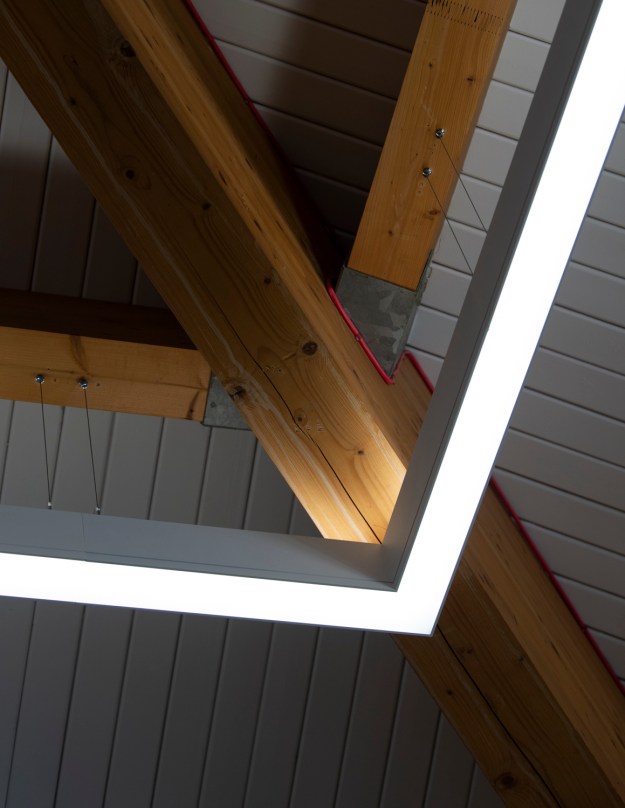
Photo 1 (1/500th at f/4.5, ISO800. Colour Temp 3600K)
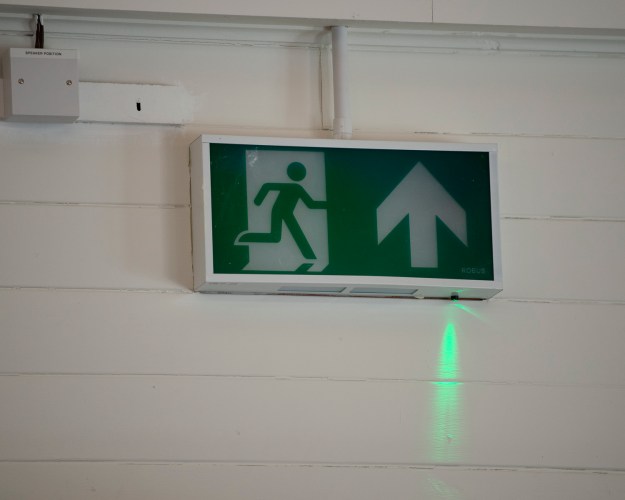
Photo 2 (1/400th at F2.8, ISO1000. Colour Temp 3750K)
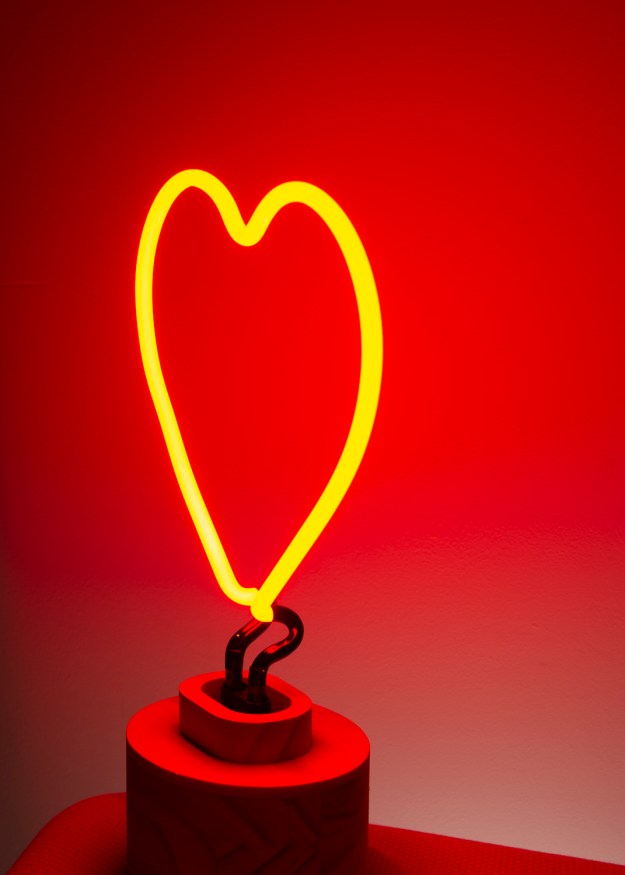
Photo 3 (2s at f/8, ISO100. Colour Temp 4750K)
Review
Photo 1
This image was shot in a cafe whilst I was waiting for my wife. I notices the huge vaulted ceiling of the building and this long panel of LED lighting that ran around in a square. The box section that contained the light ensured that the light was directed down into the room. However, at each corner a section of the reflector was removed, allowing some of the light to flood upwards onto the roof beam. I was struck by the evenness of the light coming toward me and the way that the intensity along the beam rolled off as away from its source.
Photo 2
In a darker area of the same cafe, I noticed this emergency exit sign with a small LED on the casing, presumably indicating that the sign had power supplied to it. The way the green light spread down the white brickwork had a similar appeal to the light in Photo 1 only this time, the spread is more tightly contained with the LED effectively producing a pinpoint of light. The scene itself was fairly dark, which itself enhances the distance the light reaches before it rolls off completely. The pattern of the brick work introduces a similar texture effect to Photo 1.
Photo 3
A couple of years ago, my wife and I found a shop that sold low power neon lamps. Traditionally used in the second half of the last century in advertising, neons produce light by discharging current between two electrodes in a tube of neon gas, in a similar way to fluorescent tubes. The lamps we bought varied in design an colour but each is often used as subdued lighting in dark corners of rooms in the house. I noticed the uniformity of the light and the softness with which it lights the area around it. In setting up this photograph, I positioned the neon on a fabric covered chair against a plain wall. The uniformity of the red was so intense that the separation between the wall, the lamp and the chair were lost in my early images. To introduce separation, I added my white Manfrotto LED under the chair, pointed upwards. The result now is the two light sources blending together and the red glow of the lamp rolling off with distance from the course. I metered for the base of the map and increased by half a stop to get glow to be more even below the lamp, which resulted in the beautiful red colouring. To preserve warmth, I set the colour temperature to 4750K. This was just at the point where the white light from the LED remained cool in appearance. The lamp itself was burning much more brightly so takes on a yellow-orange glow.
Conclusion
This short sequence of shots appeals to me as the light in each the light interacts with the rest of the frame in different ways, while preserving the simplicity of a simple uniform light. I’ve shot the light sources themselves rather than a subject that is lit by them because I tend like most, to look at how the subject looks under different conditions. This is most obvious when shooting with natural light, over which we have little control other than how much of it enters the camera. In each of these images, there were no filters used, light modification or adjustment of temperature in post-processing, merely observing the light for what it was. There are great examples of capturing the beauty of natural light in its own right; I have mentioned Meyerowitz’s Cape Light series before, where the compositions are often beautifully simple, but this exercise has shown me that quality of light isn’t limited to that occurring in nature. The exercise has also given me a theme for Assignment 4.
 Richard Fletcher OCA Photography Blog