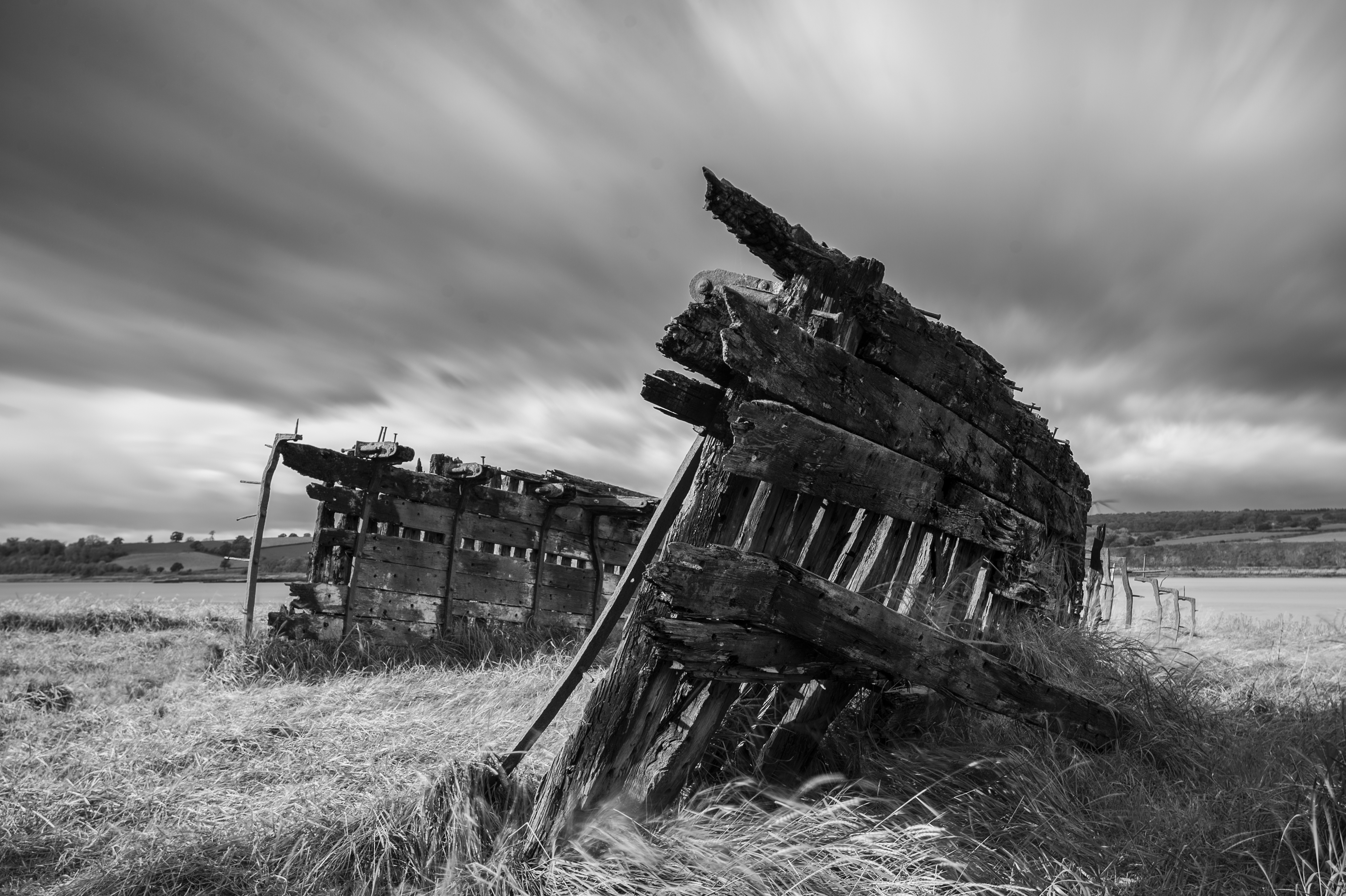
The Brief
The final exercise of this project makes use of the viewfinder grid display of a digital camera. This function projects a grid onto the viewfinder screen to help align vertical and horizontal lines, such as the horizon or the edge of a building, with the edge of the frame.
Take a good number of shots, composing each shot within a single section of the viewfinder grid. Don’t bother about the rest of the frame! Use any combination section, subject and viewpoint you choose.
When you review the shots evaluate the whole frame, not just the part you’ve composed. Look at a frame calmly and without hurry may eventually reveal a visual coalescence, a ‘gestalt’.
Gestalt: an organised whole perceived as more than the sum of its parts.
My Approach
In preparation for this exercise, I began by looking into the viewfinder grid function of my camera. Indeed the D4 and D300 (my two DSLRs) have this function and it has been switched on ever since I first started using both cameras. During everyday use, I’ve lined up horizontal and vertical lines with the grid instinctively as part of my push to do less editing in Lightroom. When I have to make a correction, I find these days that the angle and subsequent lost of the edges of the frame are greatly reduced by trying to get it right in the camera first. The grid is shown below.
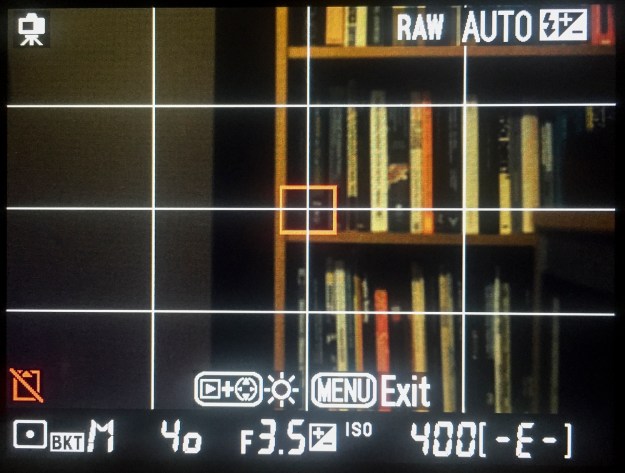
In addition to the grid that the rule of thirds produces, there is also a central horizontal and horizontal line that further divides the frame. This would make the exercise more of a challenge as I would need to place the subject carefully into 1/16th of the area of the frame.
Looking at some of the other work on this exercise by other students, I noted that some had found the variety of the compositions resulted in distracting colours. Indeed when I look at the 3×3 grid provided in the brief, the first thing I notice is the colour. When reviewing the photographer’s blog, it’s clear that they intended to use colour and tone to unify the final 9 images, and it works well. As the brief starts with the intent that only the subject is placed in a segment of the viewfinder and the rest of the frame ignored, I concluded that this may have been a choice after all of the photographs had been selected. The second part of the brief called for a final set that hangs together and individually. This was the thing that interested me in the first assignment as having some form of connection or narrative was so far a departure from what I was used to. I decided at this point to keep it simple and ‘minimal’ By ‘minimal’, my vision was to have them all as monochrome, no cropping or adjusting of the subject position within its box (tempting, for sure) and with only adjustment of contrast applied to each.
My Photographs
-
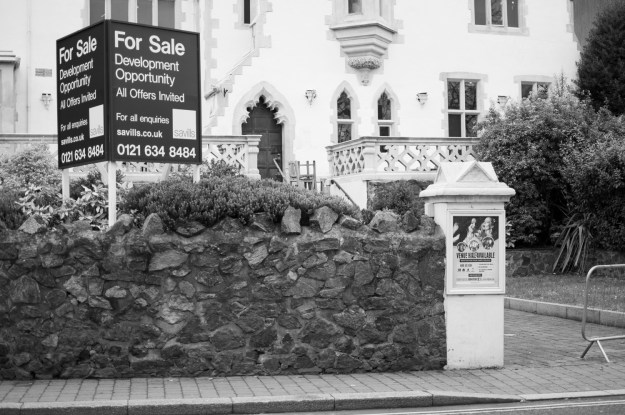
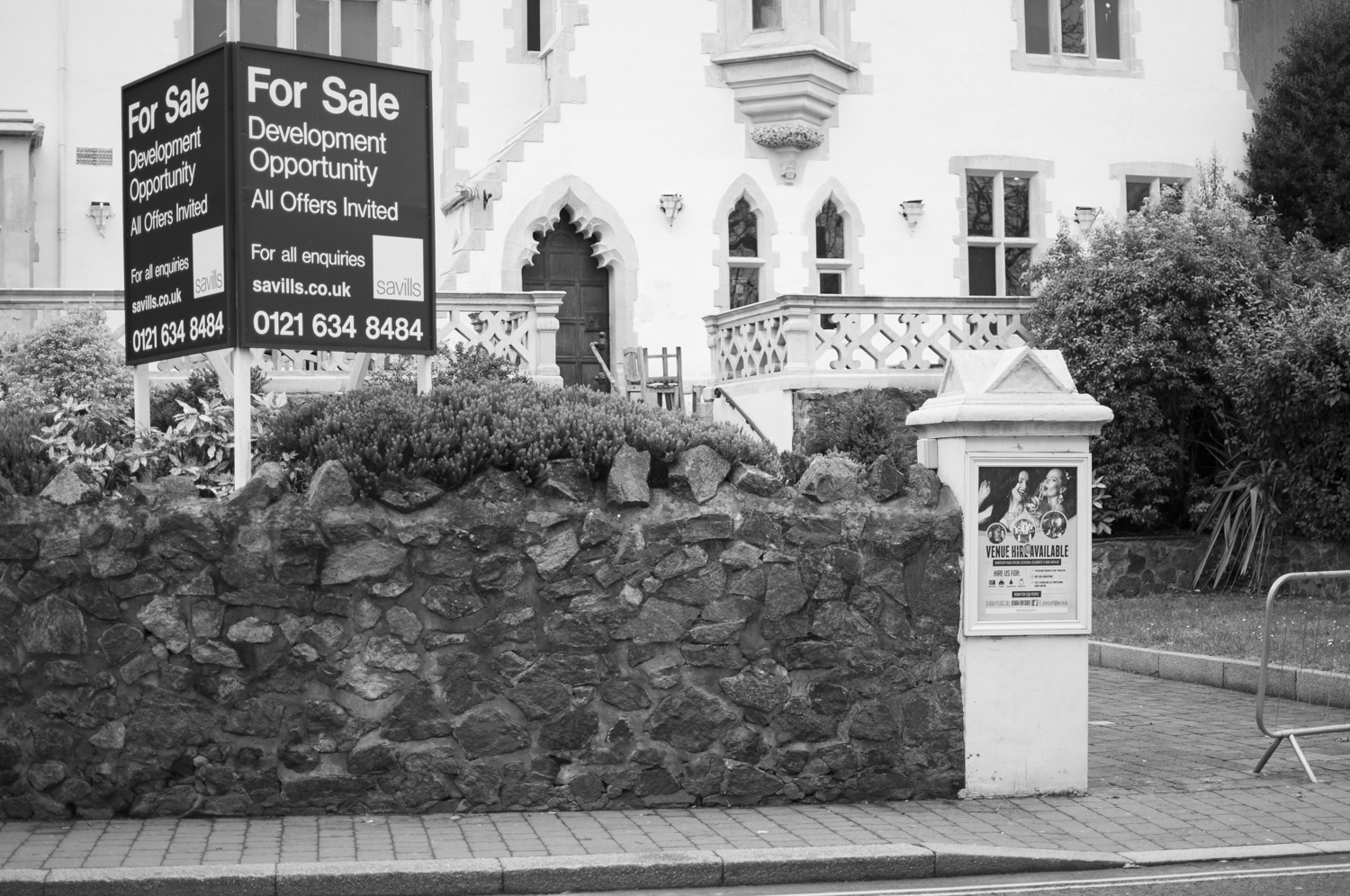
- Photo 1 (1/640th at f1.8, ISO400)
-
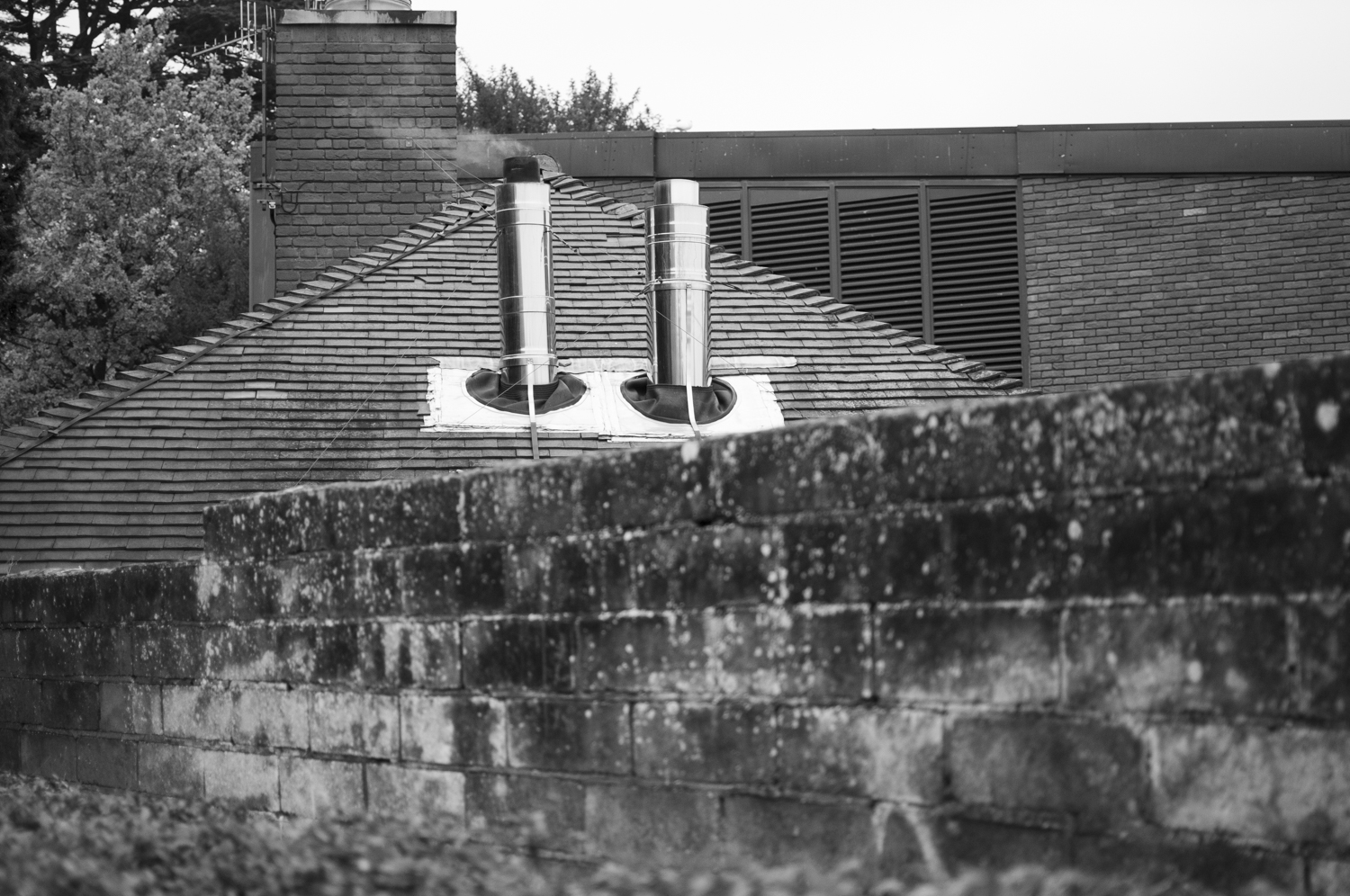
- Photo 2 (1/800th at f1.8, ISO400)
-
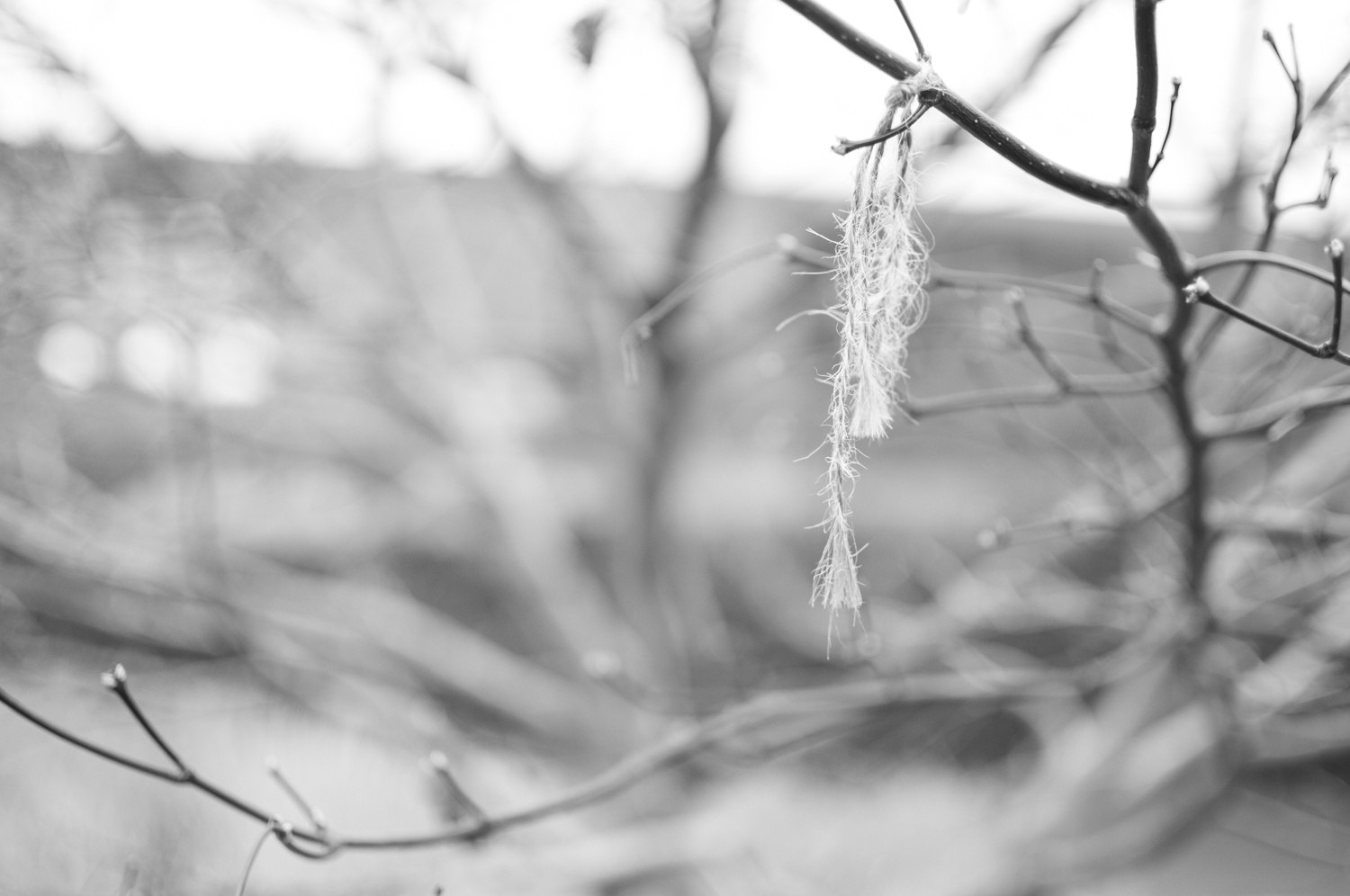
- Photo 3 (1/200th at f1.8, ISO400)
-
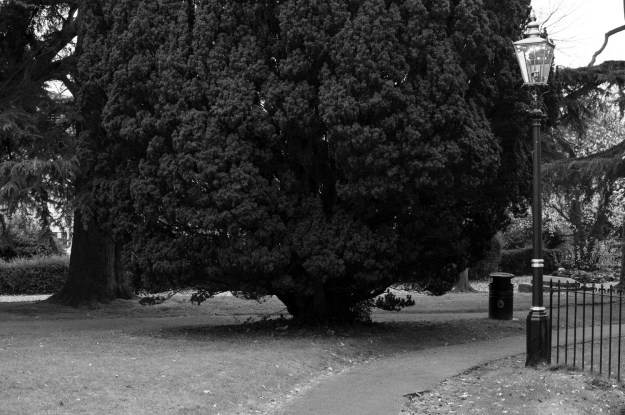
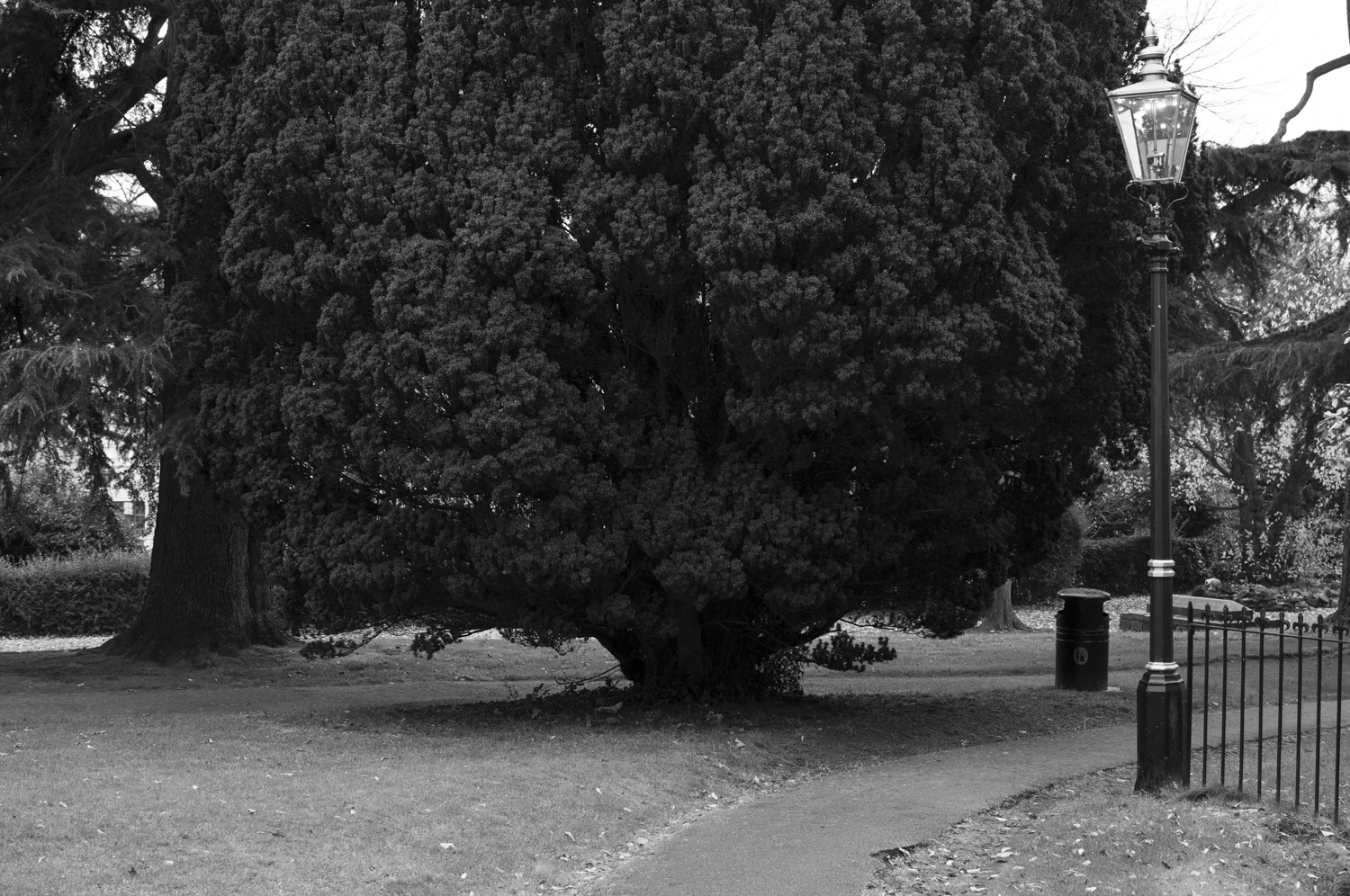
- Photo 4 (1/60th at f4.5, ISO400)
-
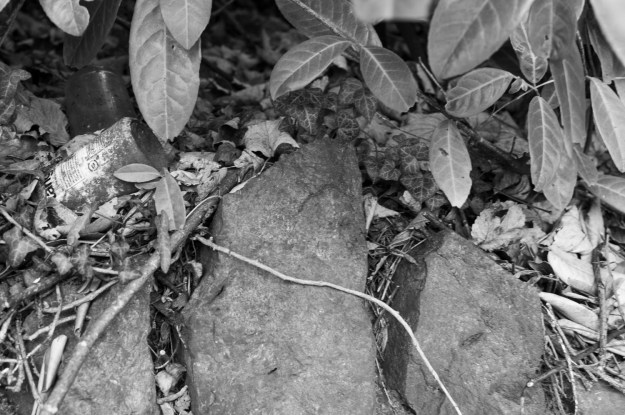
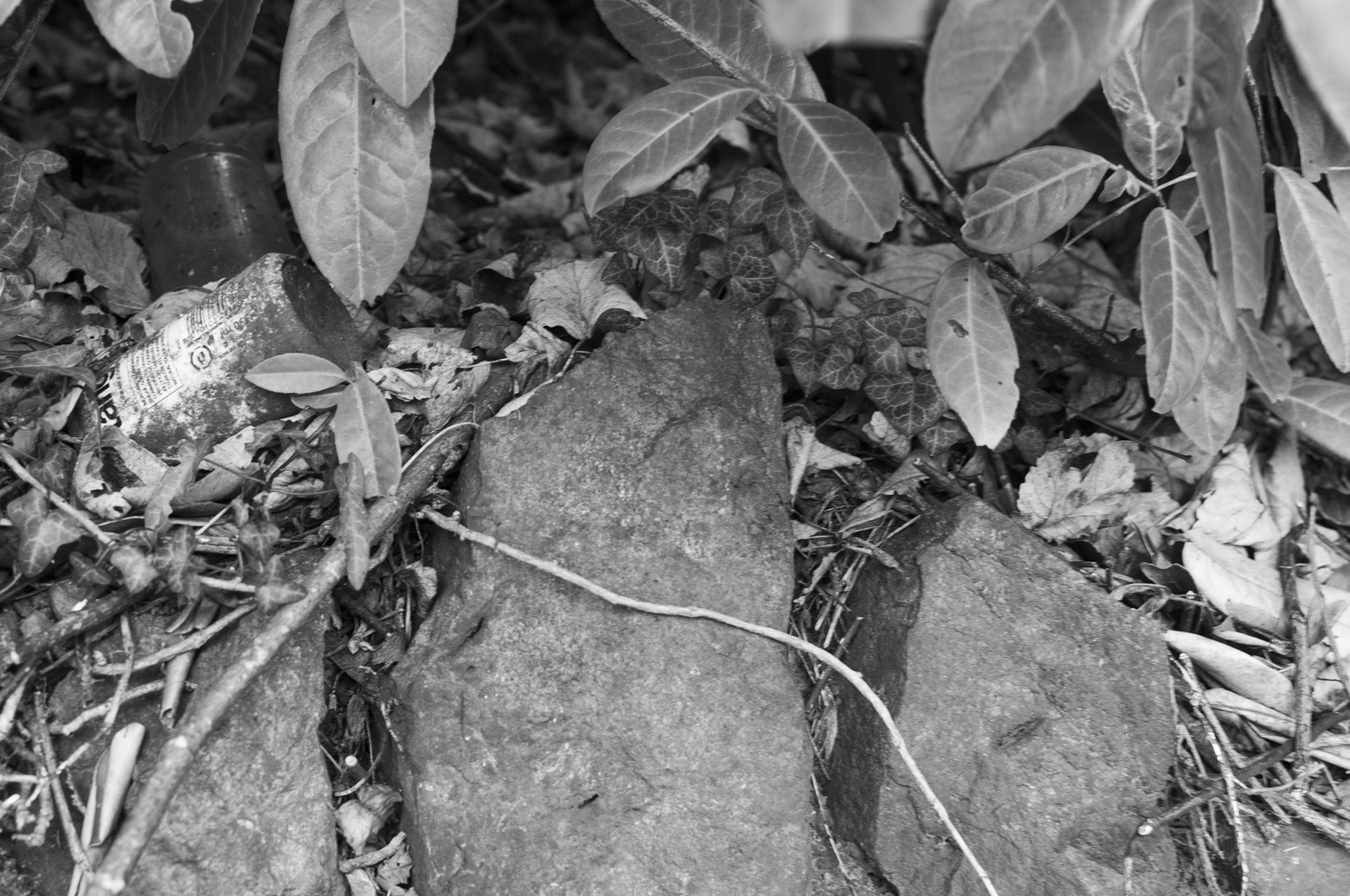
- Photo 5 (1/13th at f4, ISO400)
-

- Photo 6 (1/1600th at f1.8, ISO400)
-
- Photo 7 (1/100th at f2.8, ISO400)
-
- Photo 8 (1/6400th at f1.8, ISO1600)

-
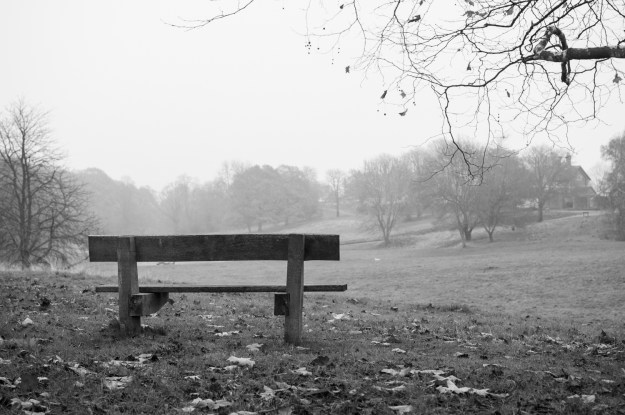
- Photo 9 (1/200th at f2.8, ISO400)
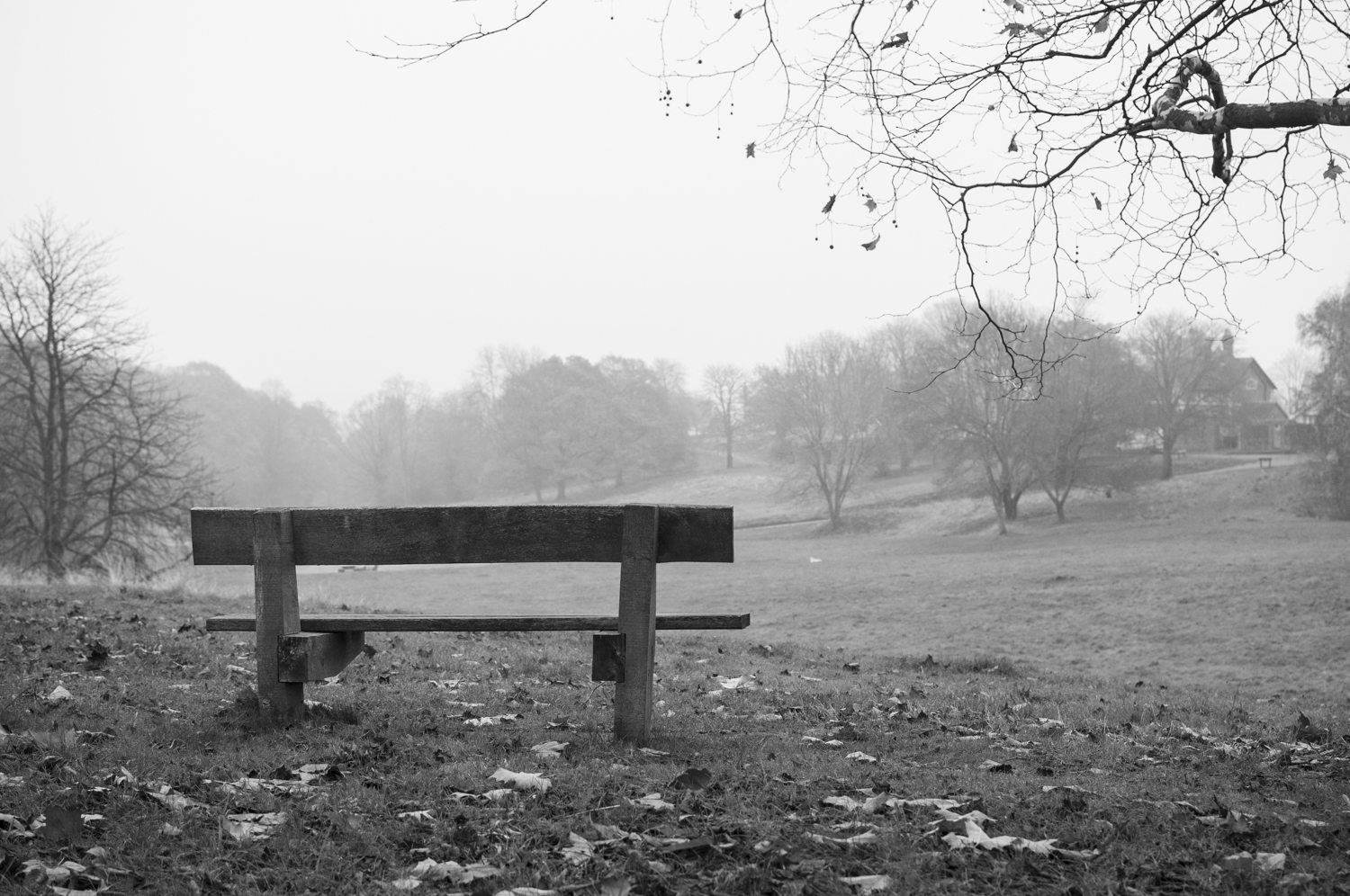
-
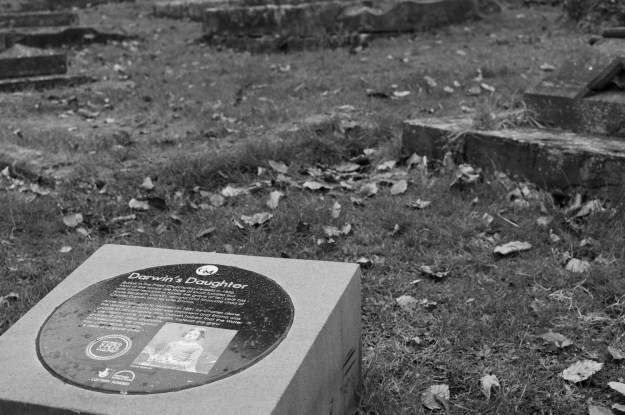
- Photo 10 (1/160th at f4.5, ISO400)
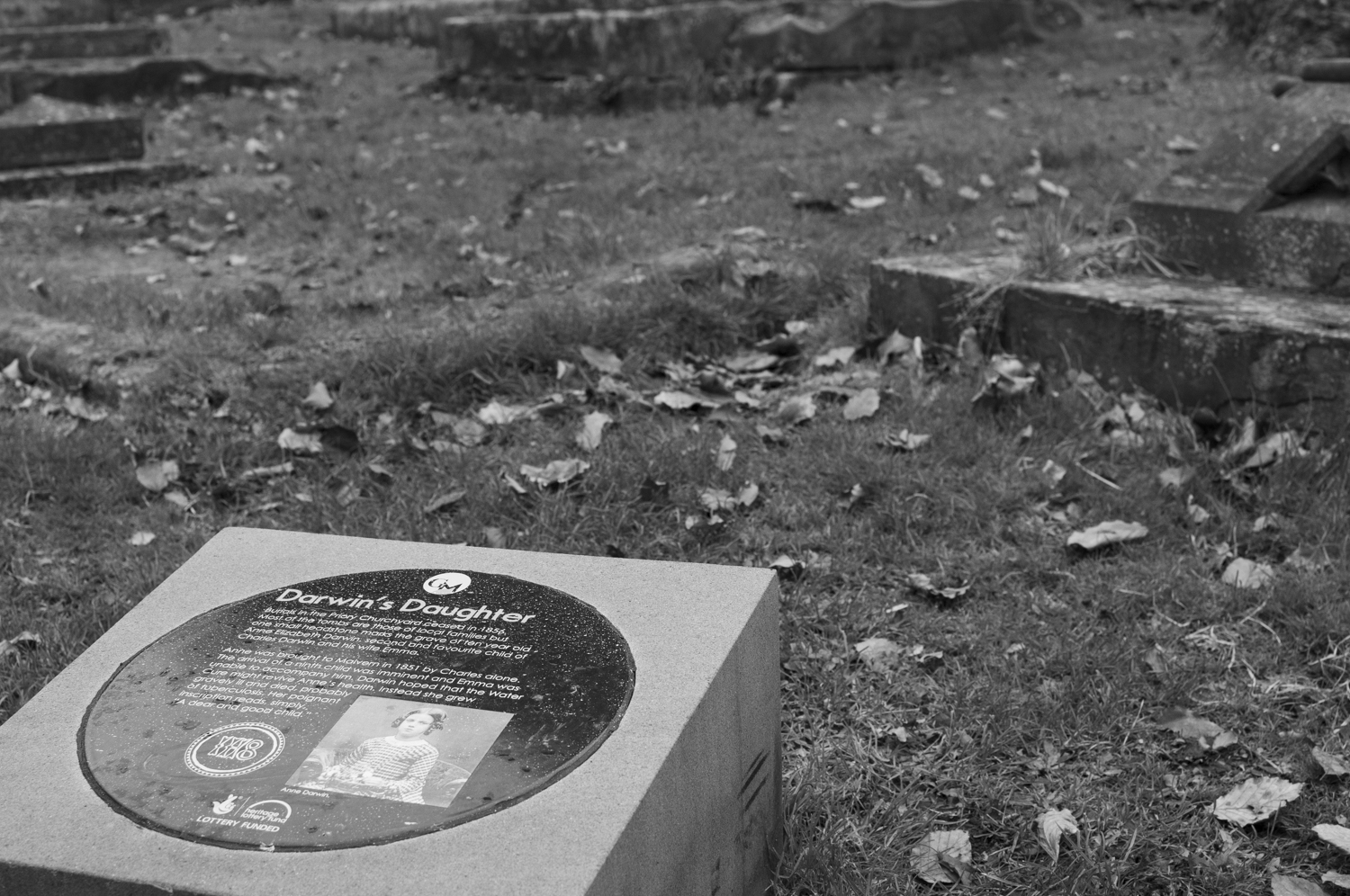
-
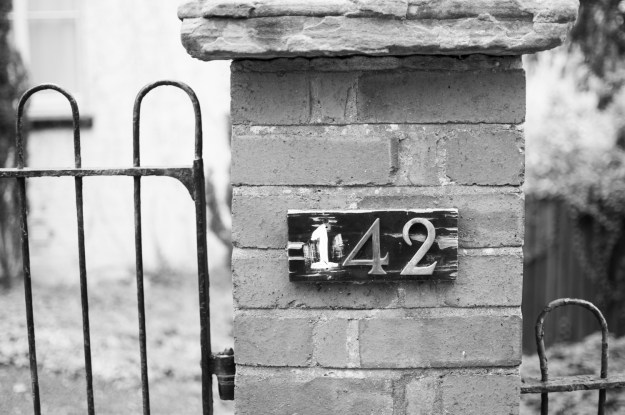
- Photo 11 (1/60th at f1.8, ISO400)
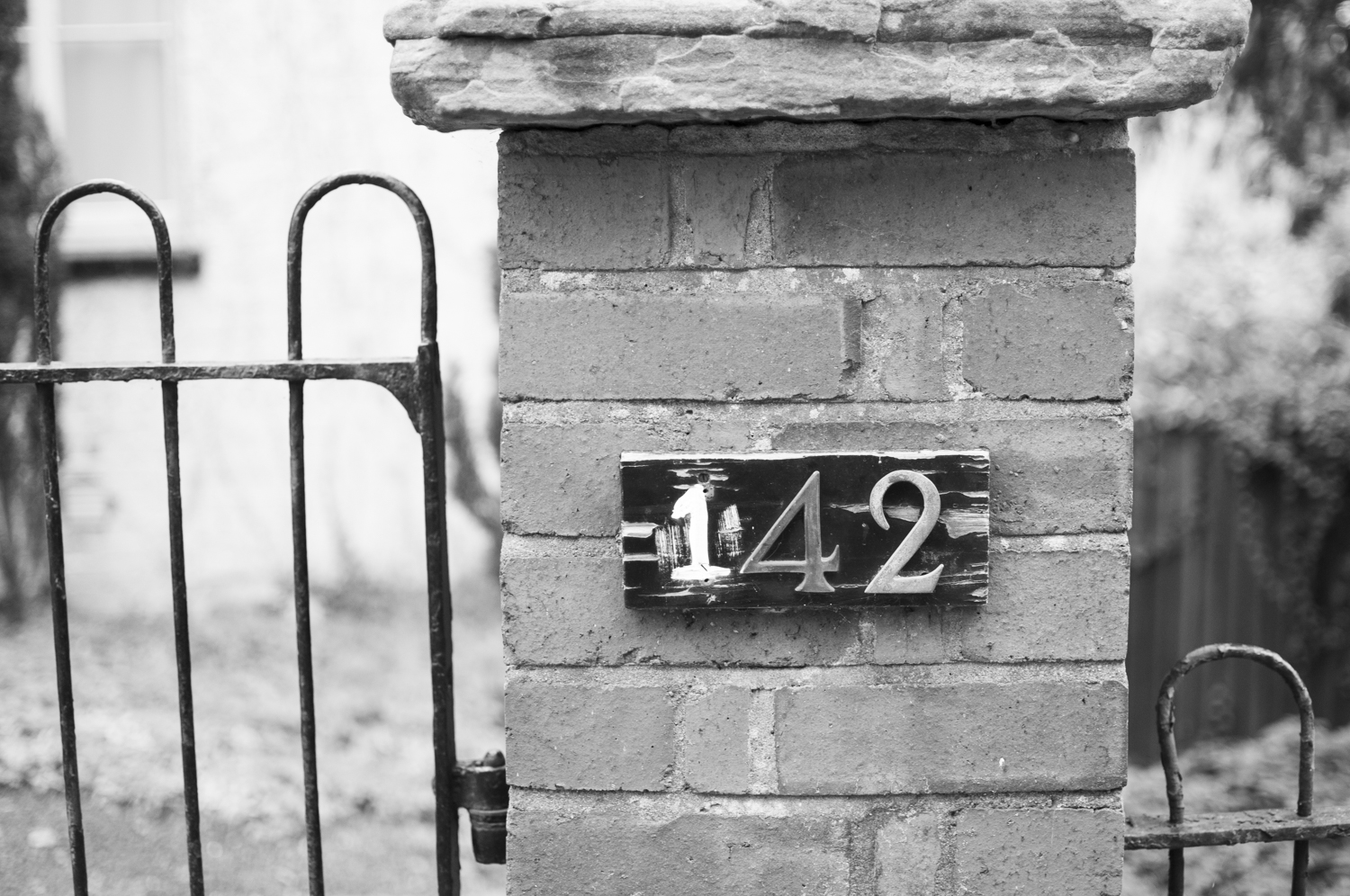
-
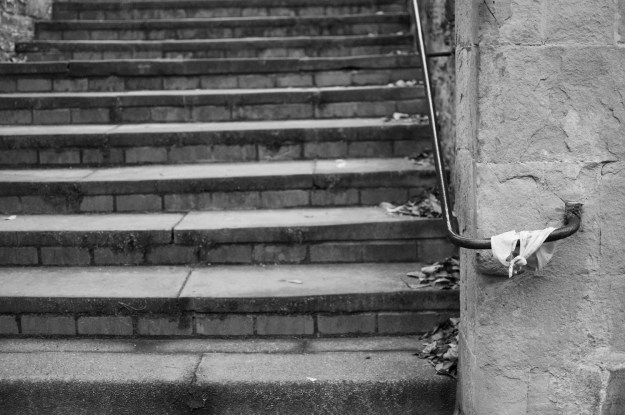
- Photo 12 (1/500th at f1.8, ISO1600)

-

- Photo 13 (1/200th at f1.8, ISO400)

-
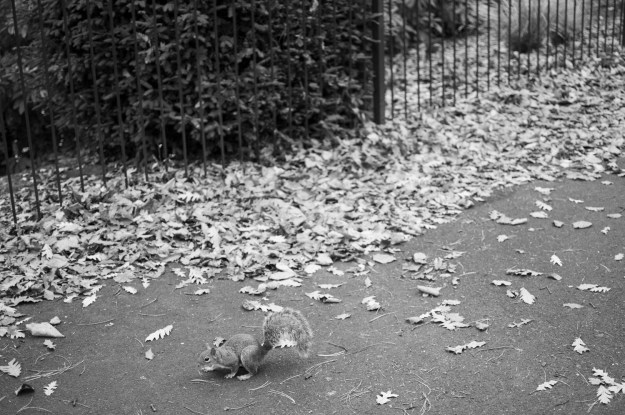
- Photo 14 (1/250th at f1.8, ISO400)
-
- Photo 15 (1/60th at f1.8, ISO1600)
-
- Photo 16 (1/640th at f1.8, ISO400)
Evaluation
Photo 1
The recent announcement of this grand property being up for sale was not really a surprise to the locals as its reputation as a club wasn’t the greatest. When looking at this again, the sign advertising it as a venue suggests defiance in the face of closure.
Photo 2
The stacks of the leisure centre. I was drawn to the left hand one which was ‘operating’. But what of the other one? Is it just getting started? The other element that appears in the frame is the old stone wall separating the modern from the Victorian Winter Gardens.
Photo 3
Something had been tied in this tree but all that remains is the string. The Winder Gardens frequently has events throughout the summer, so perhaps it was holding bunting of some sort. The tree has no leaves, suggesting winter has arrived, but on closer viewing, it is actually in bud.
Photo 4
Malvern is well known for its gas lamps. This one in the Priory has just been lit as the light fades. Looking around the frame, the large imposing tree sits on a junction between two paths; the lamp helping guide one along either.
Photo 5
Litter is a problem in any town. In Malvern, the stone walls provide spaces for litter to be dropped. This drinks can has been here a long time and is obscured by the hedge that lines the wall.
Photo 6
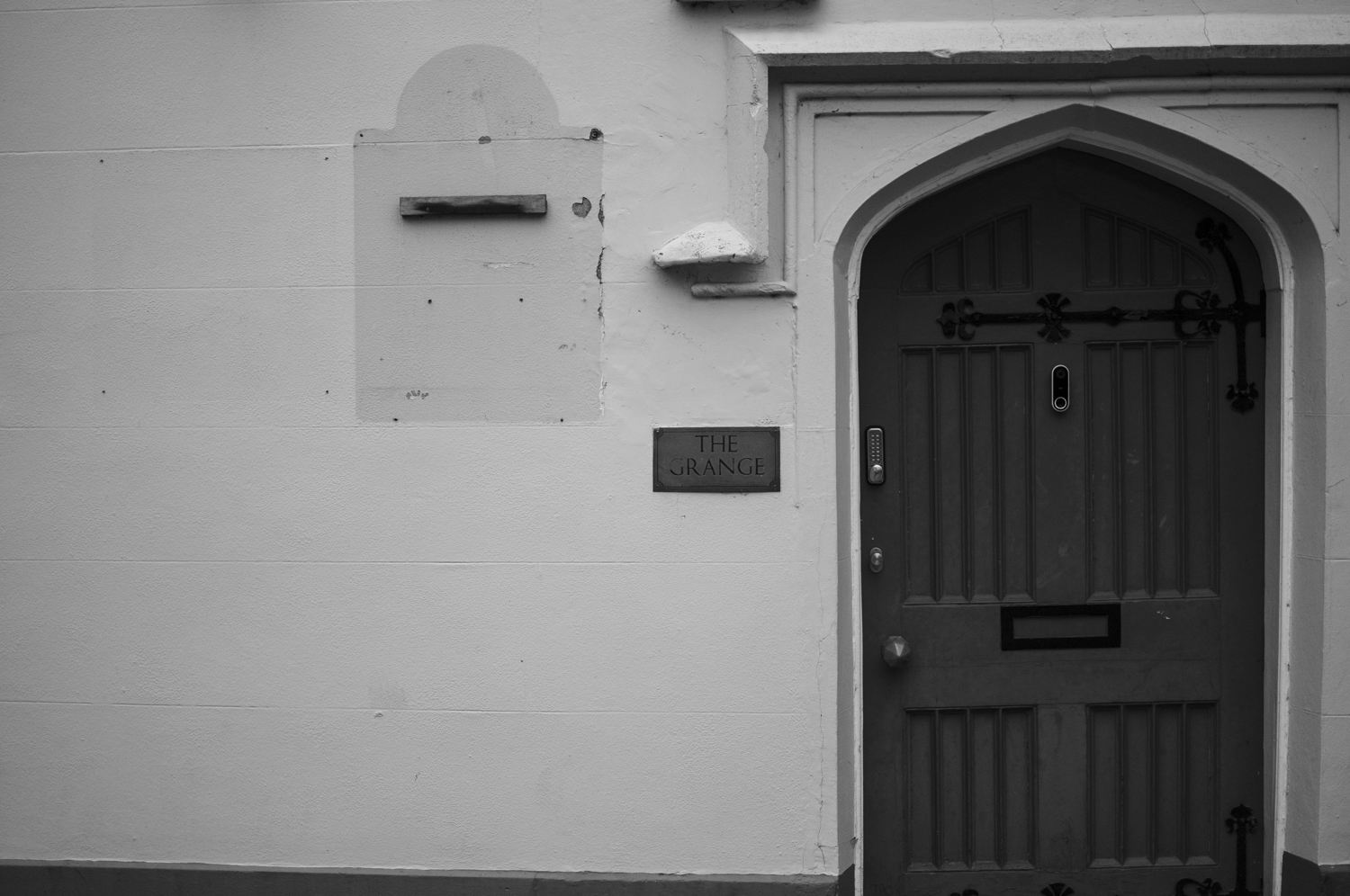
There was once a sign on the side of this building near the Priory. What did it say and why was it no longer considered needed? The door points to an ecclesiastical building, but in fact the space is occupied by a small business.
Photo 7
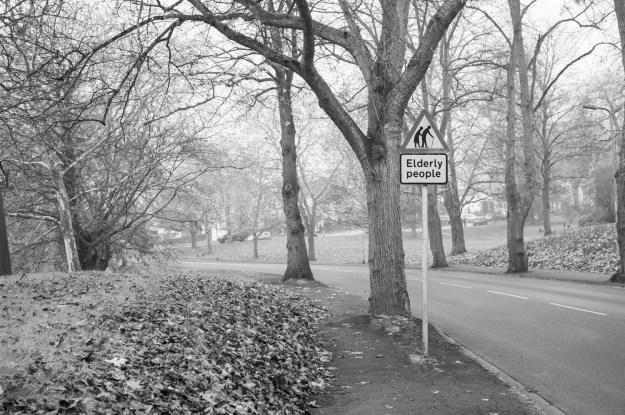
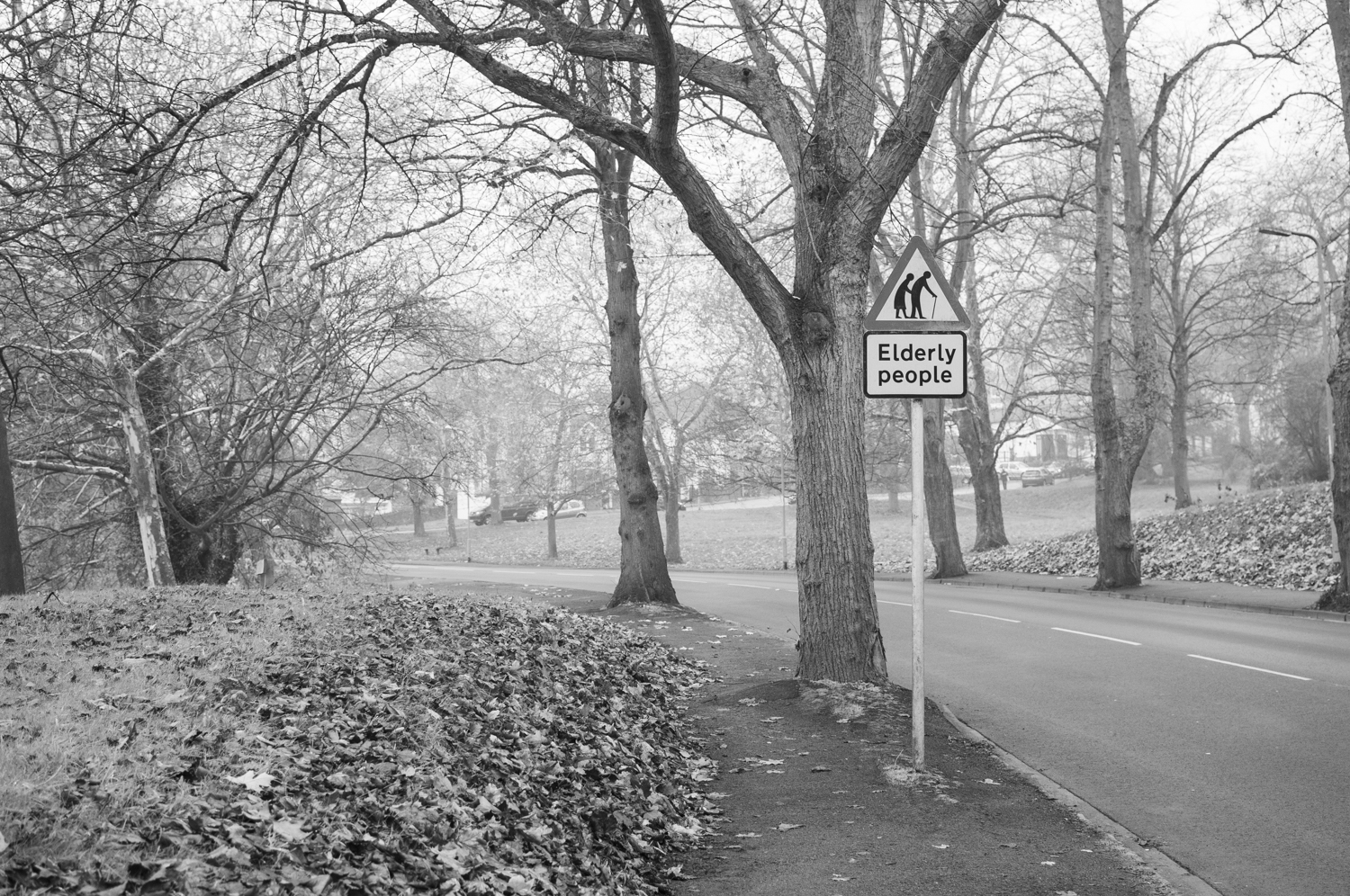
Malvern is often considered a retirement town. What I hadn’t spotted was the relationship between the sign and the leafless trees, both Autumnal.
Photo 8
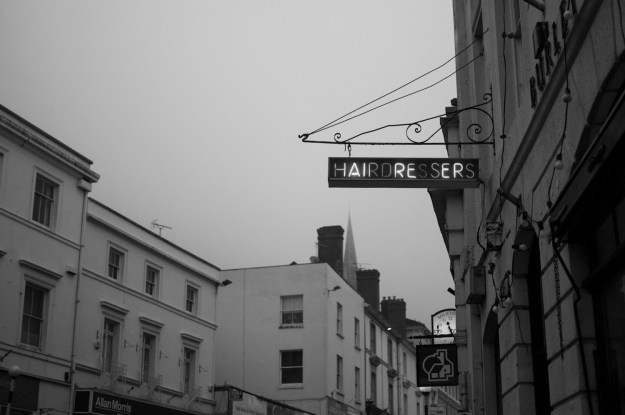
I’ve always smiled when I’ve seen this neon sign. Today as I walked past, it had just been switched on and not all of the letters had become their vibrant pink. The gloomy sky suggests that the sign needs to go to work.
Photo 9
Malvern Link common. The bench is empty, perhaps because of the gloomy weather. The leaves on the ground suggest Autumn.
Photo 10
Darwin’s daughter was brought to Malvern in a last effort to be cured by the waters, believed at the time to have healing properties. Alas, she didn’t recover and is buried here.
Photo 11
Someone is not ready to replace their old house number sign. Clearly ageing badly, a quick painting of the number 1 should make it last a little longer.
Photo 12
Cleaning rag or something left to be rediscovered? I had not seen the line of leaves following the gradient of the steps, creating both a leading line and showing the change of season. Perhaps the cloth is a piece of clothing dropped by a passer-by.
Photo 13
Gone. A well earned break in local cafe. The cake fork points to the remains of the treat. I was aware that the cafe had emptied the I took this shot, which is seen in the relatively empty space of the rest of the frame.
Photo 14
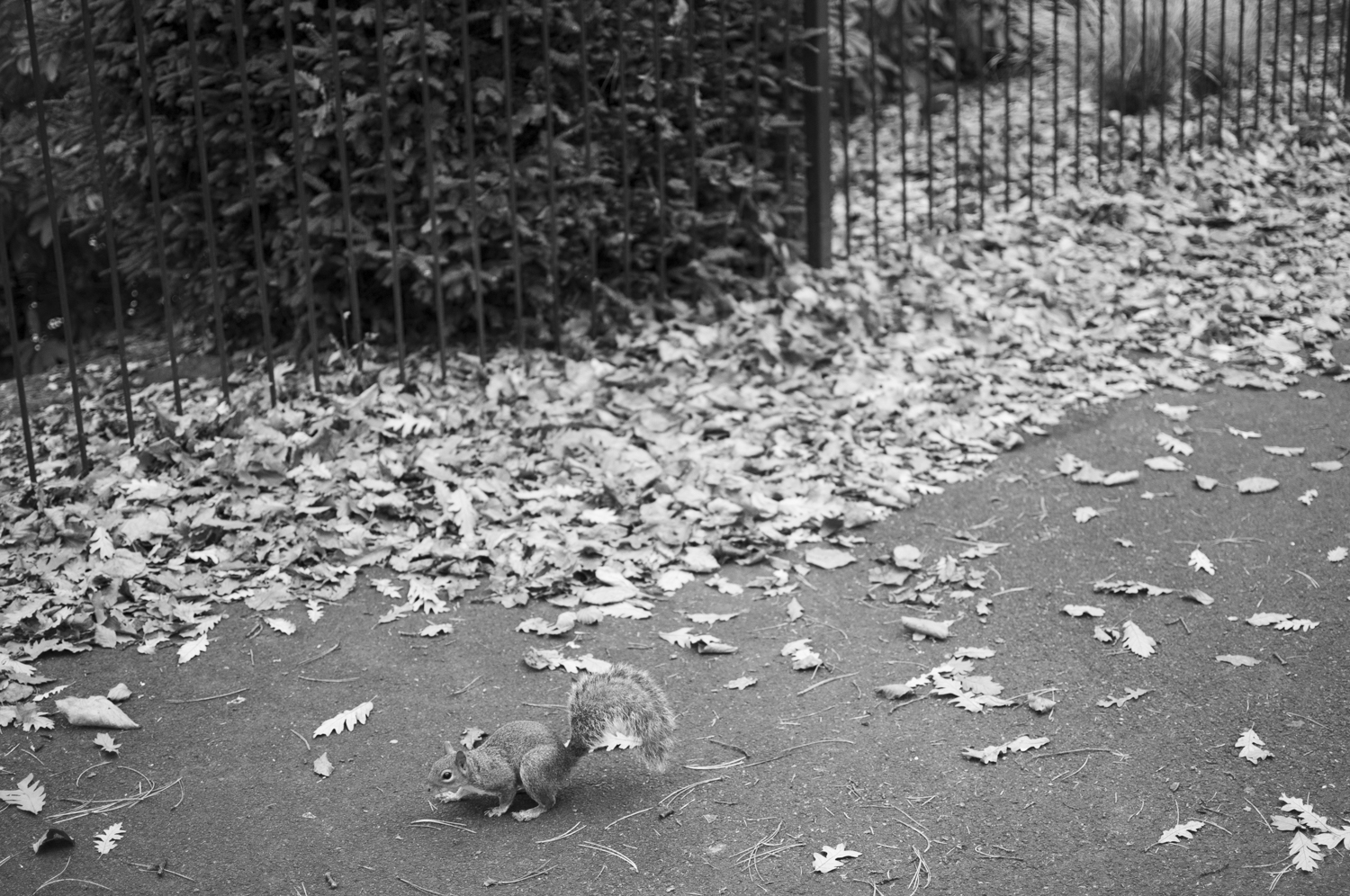
This squirrel in the Winter Gardens was foraging on the path fairly close to me. It was a very quick composition which meant that I didn’t notice the fallen leaves or the line of the fence that leads the eye away to the top right of the frame and on, presumably to the rest of the park.
Photo 15
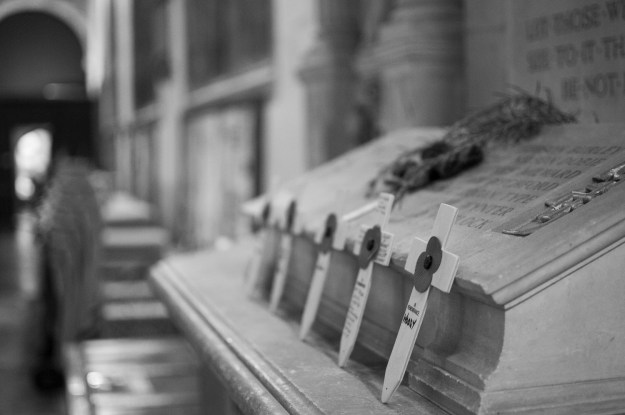
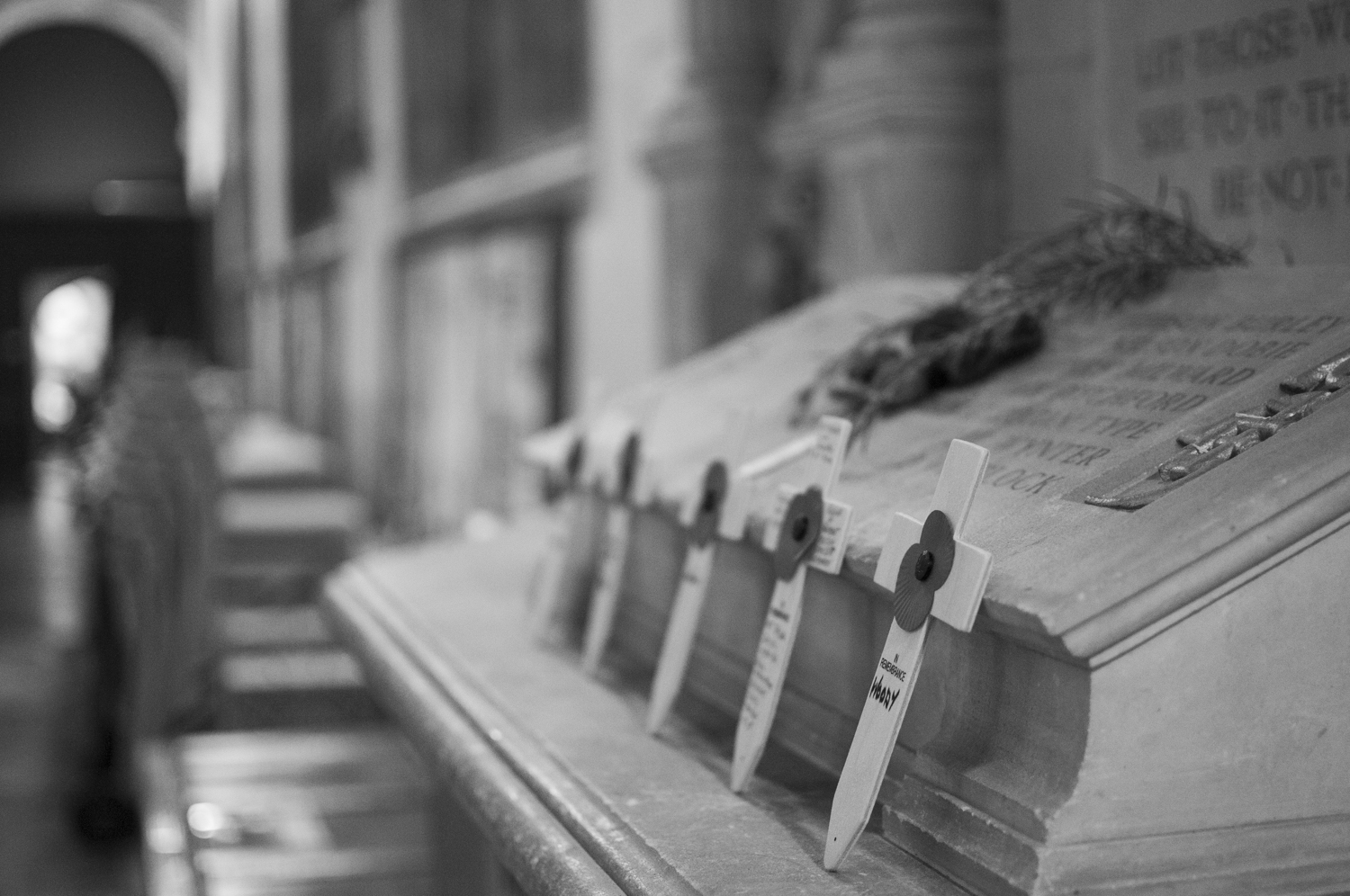
With Armistice Day only a couple of weeks ago, this little row of crosses in the Priory caught my eye. I deliberately used a shallow depth of focus to pick out the front one, but the memorial can still be recognised in the foreground. A leading line leads the away and into the priory cloister.
Photo 16
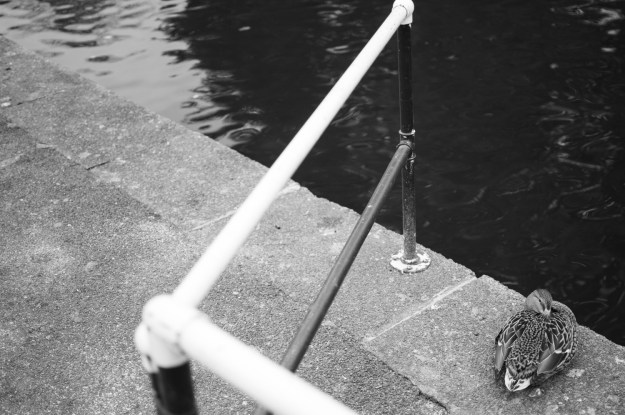
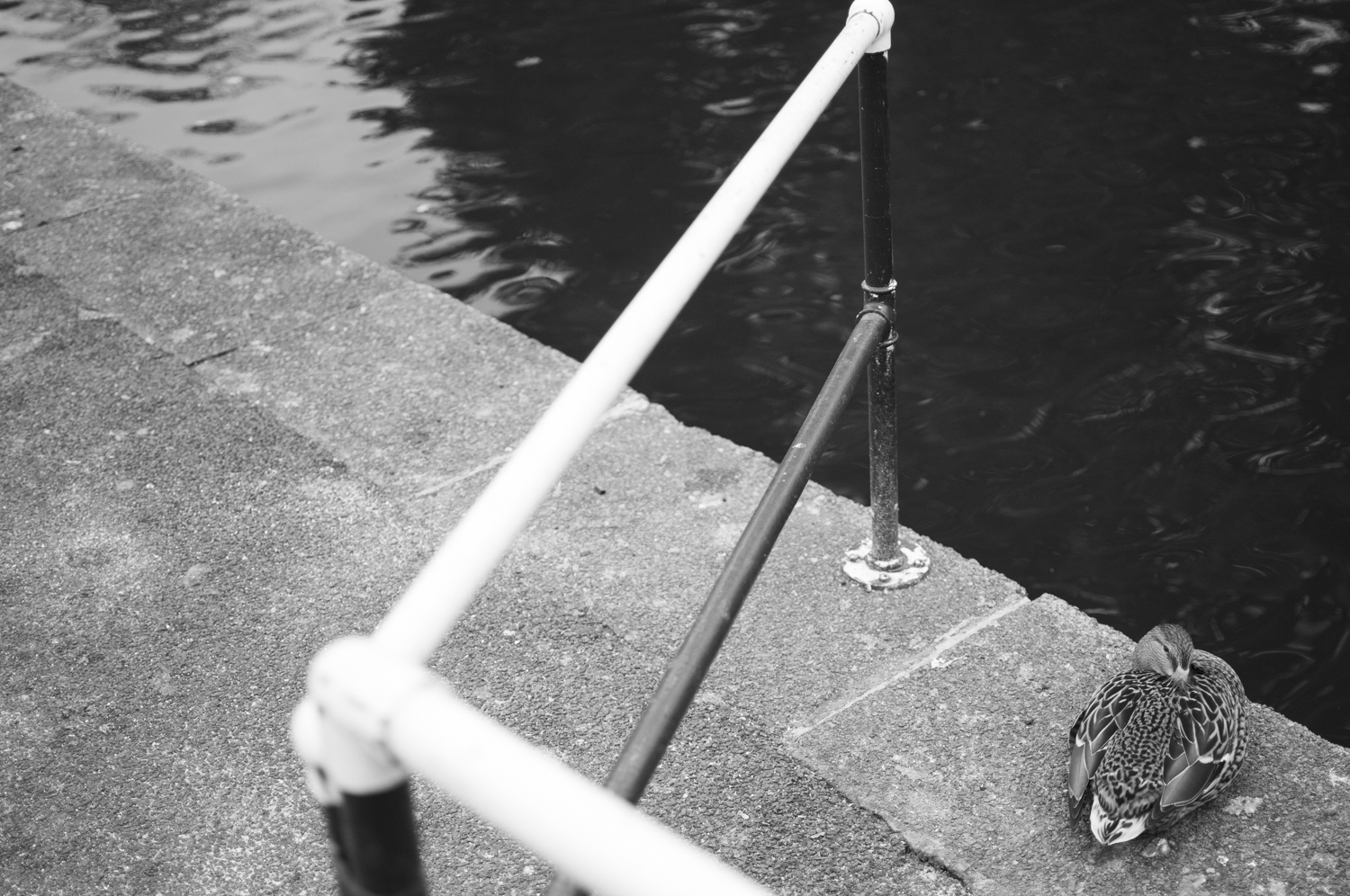
I saw the duck resting on the side of the lake in the Winter Gardens and in positioning it in the lower right segment, inadvertently framed it within the railings. I then noticed the diagonal line separating land from the water and providing the other frame edge for the duck.
Reflection – The Frame
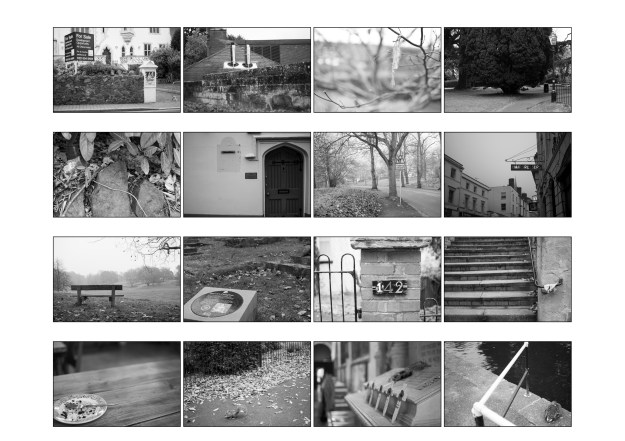
The final part of this exercise was to assemble a set from the photographs shot that work as a set. In the selection, a theme began to emerge that I hadn’t considered when shooting, one of ‘The End’. Each picture in itself describes a finality, from the end of summer, through the closure or sale of a business and on to the simple act of finishing a cake. I think this theme started to become clear to me with the photo of the neon sign. I’ve seen it during daytime when it has nothing interesting about it, and in the evening when it makes a bold statement. I had inadvertently caught the time where it was preparing for the end of the day but hadn’t fully switched on as yet. Reviewing the other photographs, I was able to find a collection that described many aspects of ‘The End’ and how some frames also contained both permanent as well as temporary conclusion. The brief refers to ‘gestalt’, which I think is achieved by this set. Arguably, having 16 segments in my viewfinder grid meant that there was more work, more images and more likelihood of creating a set. However, multiple variations of the theme emerge from these 16 photographs, which no single image conveys; a gestalt.
What I’ve learned from this exercise is that being mindful of the frame as well as the subject is important, but that framing is something that does come naturally at times. In my case, I found it very difficult to follow the advice in the brief to ‘ignore the rest of the frame’ as I instinctively want to reduce the likelihood how distraction. In each of the photographs, I believe I kept things out of the frame that should not be there, but the interesting aspect is what was before my eyes but unnoticed. The best example for me was the duck, framed by lines and tones when all I intended to do was place it in the bottom right of the photograph. We should really look beyond the obvious and strive to create something interesting rather than simply follow photographic rules.
 Richard Fletcher OCA Photography Blog
Rich- photo 8 jumped out as being do well composed. Amazing work as it was only done using 1 grid box. Great narrative. Ends.
LikeLike