What the…?
I mean it. Always meet your heroes.
In my case, I don’t have many really as I’ve never aspired to be like someone else, well known or otherwise. I’ve greatly admired the achievements of many people over the years and continue to be inspired by the works of others, but ‘hero’ is a peculiar word to use in this context unless you can identify something that has changed as a result of their direct impact upon you.
My photographic ‘hero’ over the past several years has been the American street photographer, Joel Meyerowitz. I first encountered his work in a clip from the BBC documentary ‘The Genius of Photography’ back in 2007. I’d only seen a brief clip of him as at that point I had not seen the whole series. Then, in 2013 I saw it again when attending a course in London run by my now good friend, Nigel Wilson. His enthusiasm for Meyerowitz got me thinking about this highly respected photographer’s work and so began my becoming a fan. Meyerowitz was one of a number of street photographers in the 1960s who made their art on the busy, diverse streets of New York. What set his work aside from many of his peers was his exploration of street photography in colour, where traditional Black & White had been the norm. Instead of being a distraction, colour became another element to bring the picture together. A good example is shown below:

Untitled, New York City 1975, by Joel Meyerowitz
This photograph is interesting enough in its composition. A lady on crutches coming face to face with a giant pair of shoes and dances with them. However, for me it is the colour of the shoes that make them stand out and be more obvious to the viewer. The contrasting tone and shade of the background also makes the subjects more vivid in the frame.
By 2013 I had started to take my photography more seriously rather than shooting interesting record shots from my holidays, which is why I was on that course in the first place. I learned how to use my digital camera properly, the aspects of exposure that were under my control etc. My photographs became a little more interesting and technically better as time and study progressed. However, I was still looking at the process of taking a photograph as just that…’taking’. Digital cameras offer a great level of control, but also a comfort in the ability to shoot something quickly, while being confident that the image will be alright. I had been introduced to the concept of ‘making’ a photograph, which rather than simply being a quaint historical reference to the early days of photography, actually meant showing meaning in the picture. If you asked yourself what the photograph was intended to mean, you would then go on to produce something with meaning. A piece of art, essentially. Being an engineer by profession though, meant that this was a concept that I would continue to struggle with.
Then, in 2015 I purchased a beautiful original print by another American photographer, called Berenice Abbott, from a gallery in London. We’d been collecting paintings by a few artists over recent years, but this was our first photograph. After that of course, the gallery would periodically send me invitations to shows and lectures they were hosting and so, in January 2016 I received one for an exhibition of Joel Meyerowitz’s Cape Light photographs. These photographs were made in Cape Cod with an 8×10 inch field camera. To get a sense of how big the camera was, you had to appreciate the concept of a single frame negative 8 inches by 10 inches in comparison to the much smaller 35mm frame. Joel carried this camera around the Cape and spent a great deal of time setting up and shooting each picture. The resulting images with their space, light and window on life in the vibrant, party town of Provincetown in the 1970s are remarkable. I naturally jumped at the chance to see the exhibition and hear the man speak.
When I arrived at the gallery, I was stunned to find Joel chatting casually about his photography with the guests and with the advice ‘never meet your heroes’, went over for a chat. What followed was a fairly awkward exchange; one guy struggling to ask a host of questions and the artist politely answering them. Then came some advice that changed the way I would engage with photography forever. He said to slow everything down and use time to really appreciate what you’re looking at and get into the moment with the subject. He said that using the 8×10 in Cape Cod forced him to really look, take time and care (the film was costly even back then) and ‘make’ the photograph he visualised. The time taken to set the camera up meant that it the ‘process’ could not be rushed.
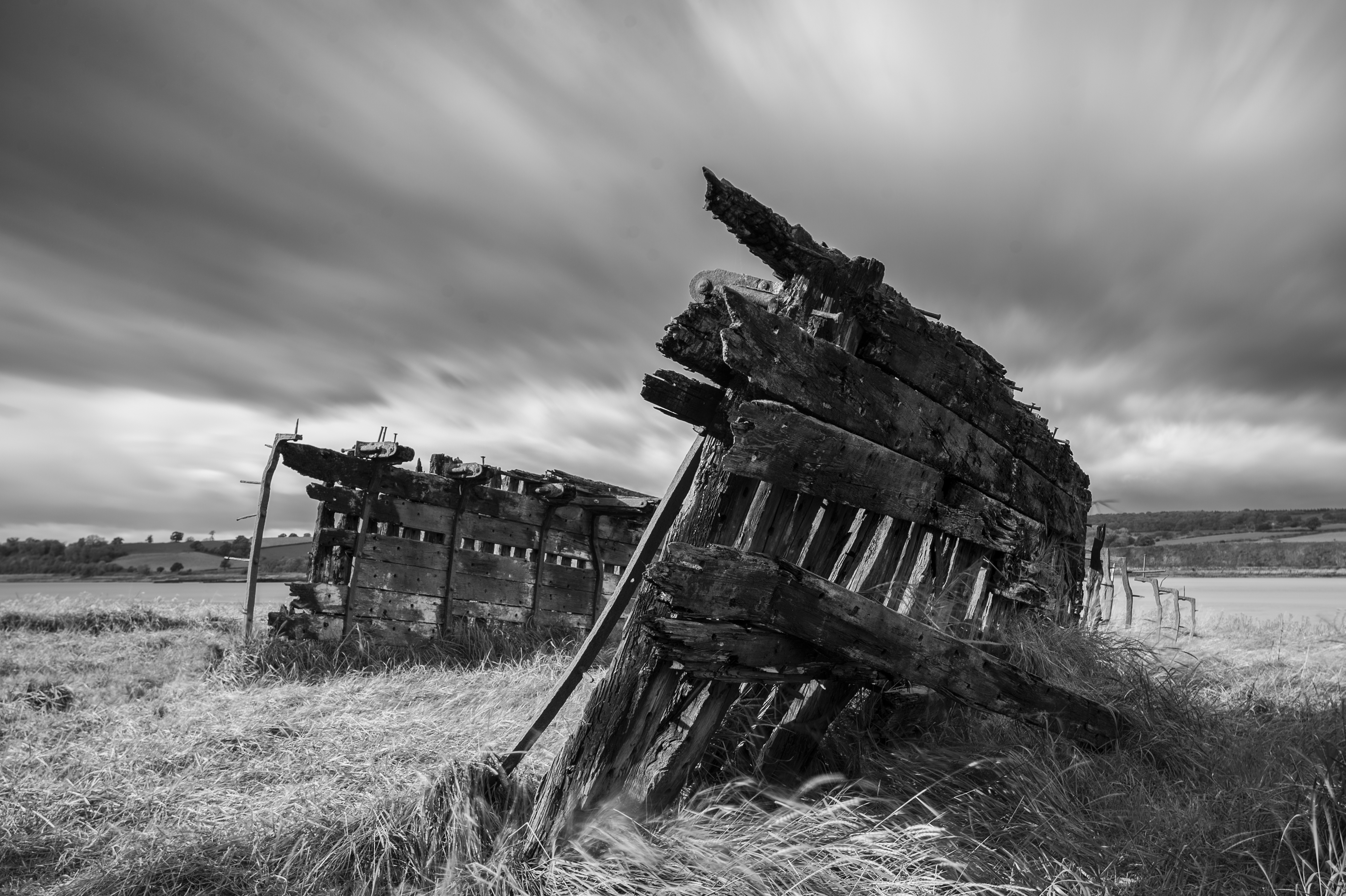
What changed for me after that conversation was that as soon as I returned from London, I bought the first of many film cameras. I believed that by shooting film, I could do just what he said; take my time, take care not to waste the film and think about the image I want to make. I started to shoot film regularly and taught myself how to calculate the exposure for my camera, which had no electronics, metering or compensation; basically a shutter that opens and closes. I feel that I have improved those skills just by getting into the spirit of what Joel said that evening and I enjoy the slower pace of making a film photograph more than the digital alternative. A few examples of my film work are shown below:


Aside from a bad case of collecting classic cameras (I’m now on 18, but I do shoot them all), understanding exposure and specifically how film stocks react to light, has continued to stretch my technical approach to photography. However, the development of my creative voice and composition skills haven’t really progressed. This is why I’m now here, studying with the OCA.
All prompted by a brief, chance meeting with Joel Meyerowitz. Always meet your heroes; you never know what might happen.
 Richard Fletcher OCA Photography Blog
Pingback: Assignment 5: Photography is Simple | Richard Fletcher OCA Photography Blog